80s Fashion Jewelry: Technical Guide to Materials & Marks
Discover the metallurgy, rhinestone cuts, and maker marks that define authentic 80s fashion jewelry in this expert technical grading guide.

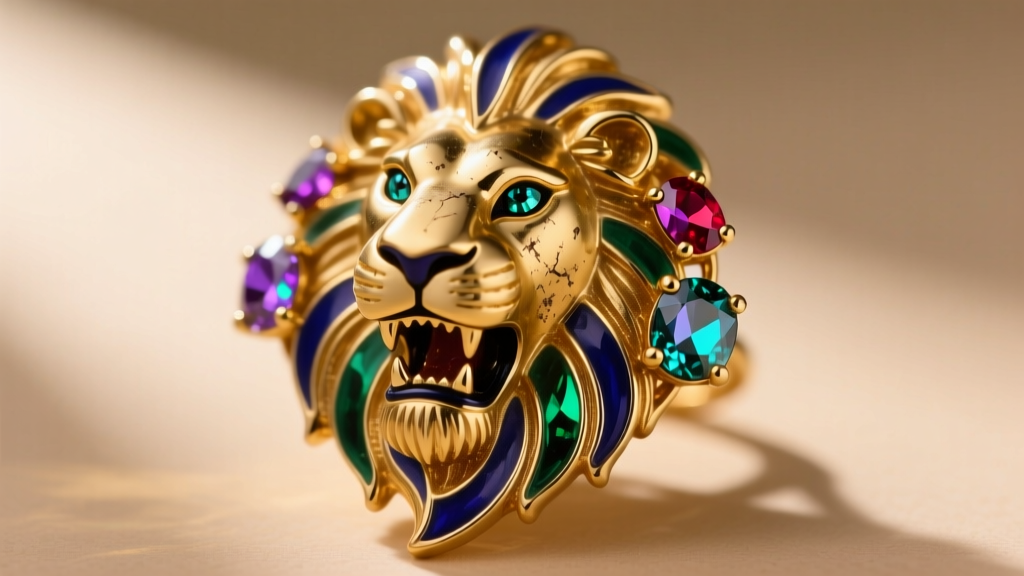
The resurgence of vintage apparel has pushed 80s fashion jewelry back into the spotlight, but for collectors, archivists, and serious enthusiasts, appreciating these pieces requires looking past the bold aesthetics. The 1980s represented a pivotal era in costume jewelry manufacturing, bridging the gap between mid-century hand-assembly and late-century mass production. To properly authenticate, grade, and preserve these artifacts, one must understand the specific metallurgical compositions, lapidary techniques, and hallmarking standards that defined the decade.
This technical deep dive explores the material science behind the era's most iconic statement pieces, offering a definitive framework for evaluating quality and authenticity in today's market.
The Metallurgy of the Decade: Base Metals and Plating
Unlike fine jewelry, which relies on the intrinsic value of precious metals, 80s fashion jewelry depended heavily on advanced casting alloys and electroplating technologies. The most common base material was 'pot metal,' a colloquial term for zinc-based alloys (often Zamak) that included aluminum, magnesium, and copper. These alloys were favored for their low melting points and ability to capture intricate details in rubber-mold casting.
However, the porosity of pot metal presented a significant challenge for plating adhesion. High-end manufacturers like Trifari utilized a proprietary non-tarnish base metal known as 'Trifanium,' which provided a denser, smoother substrate for electroplating. According to the Victoria and Albert Museum's jewelry archives, the quality of gold electroplating in the 1980s varied wildly based on the brand's tier.
- Flash Plating (Low-Tier): Less than 0.5 microns thick. Prone to rapid wear, flaking, and exposing the base metal to moisture, leading to copper acetate formation (verdigris).
- Standard Electroplate (Mid-Tier): 2 to 5 microns. Sufficient for occasional wear but vulnerable to the acidic pH of human sweat.
- Heavy Gold Electroplate (High-Tier): 10 to 20+ microns. Used by luxury fashion houses like Chanel and Givenchy. These pieces often mimic the wear-resistance of solid 14k gold and retain their luster for decades if properly stored.
When evaluating a piece, inspect the recessed areas near the clasp or pin stem. If the underlying metal appears dark gray or exhibits a powdery white oxidation, the piece is likely a zinc-alloy casting that has suffered plating failure.
Rhinestone Technology: Aurora Borealis and Foil Backing
The 1980s saw an explosion in the use of faceted glass rhinestones, particularly those featuring the Aurora Borealis (AB) finish. Originally developed in the 1950s in collaboration with Christian Dior, the AB effect was achieved through vacuum-sputtering a microscopically thin layer of titanium dioxide onto the surface of the glass. By the 1980s, advancements in vapor deposition allowed for more uniform, iridescent coatings that shifted dramatically between blue, pink, and gold under halogen lighting.
The Vulnerability of Foil Backing
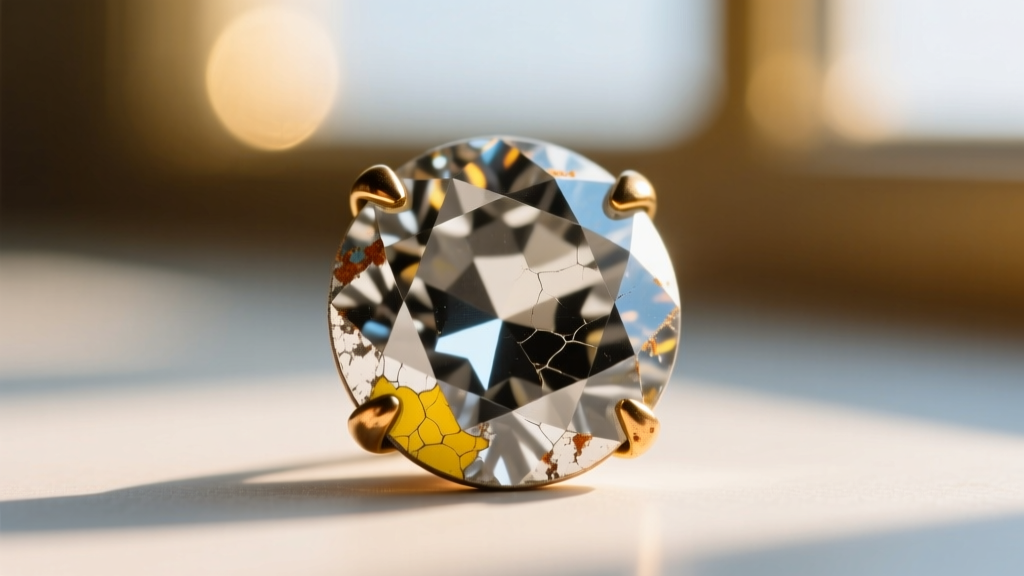
While the AB coating was applied to the crown of the stone, the pavilion (bottom) relied on foil backing to reflect light. The Gemological Institute of America (GIA) notes that vintage glass stones frequently utilized silver or copper foils. In 80s fashion jewelry, manufacturers began transitioning toward synthetic reflective paints and vacuum-metallized plastic films to reduce costs.
The primary failure mode for these stones is foil degradation. Moisture ingress between the glass and the setting causes the foil to oxidize, turning the stone black or cloudy. Furthermore, the adhesives used in the 1980s—often early cyanoacrylates or epoxy resins—tend to yellow and become brittle over time. When grading a piece, always examine the stones under a 10x loupe. If the glue line is visible and heavily ambered, or if the stone rattles slightly within its prong setting, the structural integrity of the piece is compromised.
Enamel and Resin: The Technical Shift in Color
Color blocking was a hallmark of 80s design, and jewelers achieved this through two distinct chemical processes: vitreous enamel and cold enamel (epoxy resin). Vitreous enamel involves fusing powdered glass to a metal substrate at temperatures exceeding 1,400°F (760°C). This technique, used by high-end artisans and houses like Miriam Haskell, results in a hard, glass-like finish that is highly resistant to UV fading and chemical solvents.
Conversely, the mass market relied heavily on cold enamel. This is essentially a two-part epoxy resin tinted with organic or inorganic pigments. While cold enamel allowed for faster production and application to temperature-sensitive base metals, it is highly susceptible to UV degradation. Pieces featuring bright neon pinks, electric blues, or toxic greens from the 1980s often exhibit micro-crazing (a network of fine cracks) or significant color shifting due to prolonged exposure to ultraviolet light. Authenticators can differentiate the two by testing thermal conductivity; vitreous enamel feels cold to the touch, while resin warms rapidly.
Decoding Maker Marks and Hallmarks
Maker marks are the most critical data point for authenticating 80s fashion jewelry. The 1980s was a transitional decade for trademark laws and corporate acquisitions, leading to distinct variations in how brands stamped their pieces. Below is a technical breakdown of the most prominent 1980s hallmarks.
| Brand | 1980s Mark Variation | Base Metal Standard | Notable Technical Feature |
|---|---|---|---|
| Trifari | 'TRIFARI' with TM symbol, or script font | Trifanium / Brass | Exceptional prong settings; rarely used glue for primary stones. |
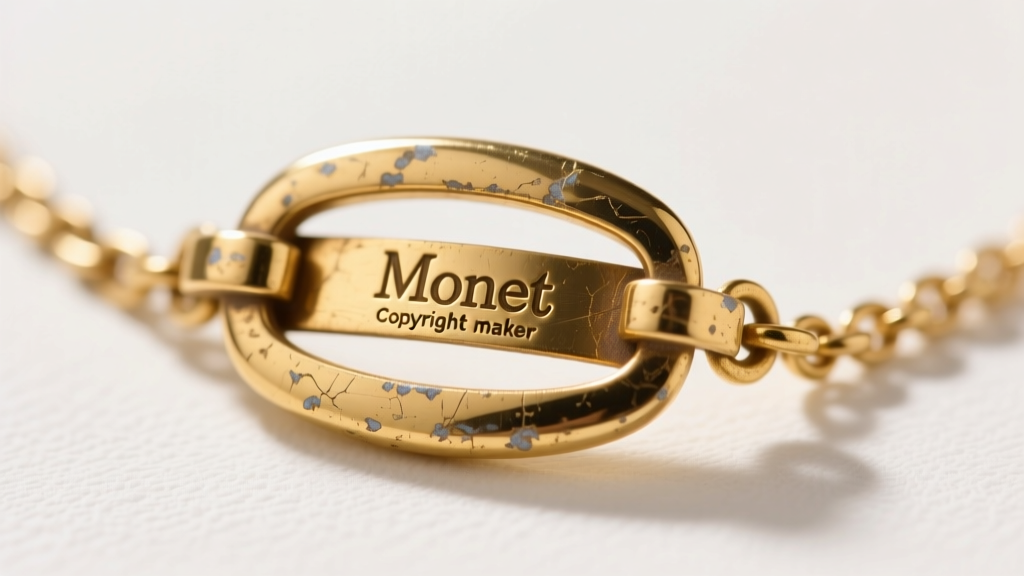
| Monet | 'MONET' with © symbol | Brass / Bronze alloys | Heavy gold electroplating; known for friction-fit clasps. |
| Miriam Haskell | Oval plaque or horseshoe mark | Brass / Pot Metal | Complex hand-wiring techniques; Russian gold plating. |
| Anne Klein | Lion logo or 'A' in a circle | Gold-tone alloy | Frequent use of faux lapis and tiger-eye glass cabochons. |
It is crucial to note that many high-end European fashion houses, such as Christian Dior and Yves Saint Laurent, produced their 80s fashion jewelry through licensed third-party manufacturers in Germany and France. These pieces often feature the fashion house's logo alongside a secondary manufacturer's mark, such as 'Henneville' or 'Gripoix,' the latter being legendary for their poured glass (pâte de verre) techniques.
Archival Storage and Conservation Standards
Preserving the metallurgical and lapidary integrity of 80s fashion jewelry requires strict environmental controls. The organic and semi-organic materials used in the era's cold enamels and adhesive compounds are highly reactive to atmospheric fluctuations.
- Relative Humidity (RH): Maintain storage environments between 40% and 50% RH. Levels above 60% will accelerate the oxidation of copper alloys and trigger verdigris formation on pot metal castings.
- Off-Gassing Prevention: Never store vintage costume jewelry in PVC-based plastics or standard polyethylene bags that contain slip agents. These chemicals can react with gold electroplating, causing irreversible clouding. Use only archival-grade, non-plasticized polypropylene or anti-tarnish cloth bags.
- UV and Sulfur Mitigation: Incorporate activated charcoal or silver anti-tarnish strips into storage enclosures to absorb ambient sulfur compounds. Keep pieces entirely shielded from direct and indirect UV light to prevent the photodegradation of cold enamel resins.
'The true value of 1980s costume jewelry lies not in its raw materials, but in the sheer ingenuity of its engineering. Understanding the chemical vulnerabilities of these pieces is the only way to ensure they survive for the next generation of collectors.' — Archival Jewelry Conservation Guild
By applying these technical grading standards, collectors and curators can accurately assess the provenance, structural health, and historical significance of 80s fashion jewelry, elevating it from mere nostalgic accessory to preserved material artifact.


