How to Properly Clean Earrings by Metal and Gemstone Type
Learn how to properly clean earrings made of gold, silver, titanium, and platinum. Step-by-step methods to restore shine without damaging gemstones.

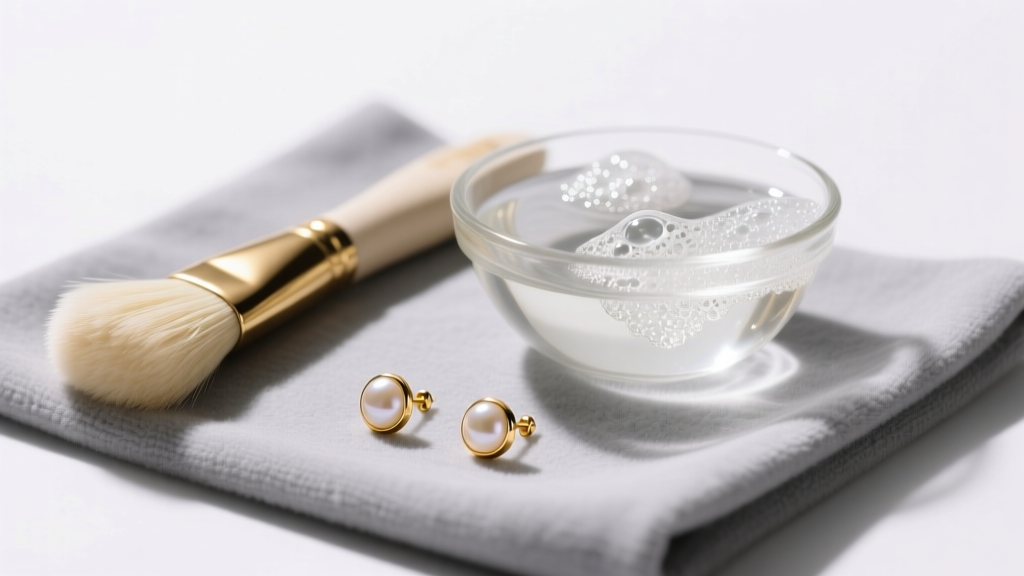
Whether you are wearing a pair of vintage diamond drops, everyday 14K gold hoops, or implant-grade titanium cartilage studs, maintaining their brilliance and hygiene is non-negotiable. Over time, earrings accumulate sebum, dead skin cells, hard water spots, and environmental pollutants. Understanding how to properly clean earrings requires moving beyond generic jewelry wipes and adopting material-specific protocols. Using the wrong chemical or mechanical action can permanently pit soft metals, strip anodized titanium layers, or fracture included gemstones.
In this comprehensive guide, we break down the exact chemistry, tools, and step-by-step methods required to safely clean every type of earring in your collection, ensuring they remain safe for your skin and radiant for decades.
The Science of Earring Tarnish and Biological Buildup
Before applying any cleaning solution, it is vital to understand what you are actually removing. Earring buildup falls into two distinct categories:
- Biological Accumulation: The post and backing of an earring sit flush against the skin, trapping sebum (natural skin oils), desquamated skin cells, and cosmetic residues like foundation or hairspray. This creates a grayish, waxy buildup that can harbor bacteria and cause contact dermatitis or localized infections, particularly in cartilage piercings.
- Chemical Tarnish: Pure gold and platinum do not tarnish, but the alloyed metals used to give them strength (like copper and zinc) react with environmental sulfur and moisture. Sterling silver (92.5% silver, 7.5% copper) is highly susceptible to hydrogen sulfide in the air, forming a dark layer of silver sulfide on the surface.
Essential Tools for Safe Jewelry Cleaning
Discard abrasive toothpaste, baking soda pastes, and harsh household bleach. These will cause micro-scratches on precious metals and degrade porous stones. According to the Gemological Institute of America, a proper jewelry cleaning kit should include:
- pH-Neutral Dish Detergent: A mild, lotion-free dish soap (such as original Dawn) is the safest degreaser for biological buildup.
- Ultra-Soft Baby Toothbrush: Bristles must be exceptionally soft to prevent micro-abrasions on high-polish metals.
- Lint-Free Microfiber Cloths: Paper towels contain wood fibers that can scratch softer metals like 24K gold or high-purity silver.
- Ultrasonic Cleaner (Optional): A 40kHz to 45kHz ultrasonic machine uses cavitation bubbles to blast debris from prong settings. Warning: Never use ultrasonics on emeralds, opals, pearls, or turquoise.
Step-by-Step: How to Properly Clean Earrings by Material
14K and 18K Solid Gold
Gold alloys are relatively durable but can become dull from soap scum and skin oils.
- Mix three drops of mild dish soap into a bowl of warm (not hot) distilled water.
- Soak the gold earrings for 15 to 20 minutes to loosen waxy sebum buildup.
- Gently scrub the earring, paying special attention to the back of the setting and the post, using a soft baby toothbrush.
- Rinse thoroughly under lukewarm running water. Ensure the drain is plugged.
- Pat dry with a microfiber cloth and allow to air dry completely before storing.
Sterling Silver and Argentium
Removing silver sulfide (tarnish) without stripping the underlying silver requires an electrochemical reaction rather than abrasive polishing.
- Line a glass bowl with aluminum foil, shiny side up.
- Place your tarnished silver earrings on the foil, ensuring they touch the metal.
- Sprinkle one tablespoon of baking soda over the earrings.
- Pour boiling water into the bowl. The water will bubble and release a sulfur smell as the tarnish transfers from the silver to the aluminum foil.
- Leave for 2 to 5 minutes, then remove with plastic tongs, rinse, and polish with a dedicated silver cloth.
Implant-Grade Titanium (ASTM F136)
Titanium is the gold standard for healing piercings and sensitive ears. The Association of Professional Piercers recommends strict, gentle aftercare for titanium to preserve its biocompatibility. If your titanium earrings are anodized (colored via an electrochemical process without dyes), ultrasonic cleaners and harsh chemicals will strip the oxide layer, turning the jewelry back to dull gray.
- For standard titanium: Wash with sterile saline solution or mild antibacterial soap and water.
- For anodized titanium: Wipe gently with a damp microfiber cloth. Never soak or scrub.
Gemstone and Pearl Precautions: What Never to Soak
The Mohs scale of mineral hardness and a stone's porosity dictate its cleaning limits. Organic and highly included gems require surface-level cleaning only.
| Gemstone | Mohs Hardness | Porosity / Inclusions | Safe Cleaning Method |
|---|---|---|---|
| Diamond | 10 | None (but attracts grease) | Ultrasonic, Steam, Mild Soap Soak |
| Sapphire / Ruby | 9 | Low (unless fracture-filled) | Warm Soapy Water, Soft Brush |
| Emerald | 7.5 - 8 | High (typically oil-treated) | Damp Cloth Only. Never soak or use ultrasonic. |
| Opal | 5.5 - 6.5 | High (contains up to 20% water) | Dry Microfiber Cloth. Water causes crazing/cracking. |
| Pearl | 2.5 - 3 | Organic, highly porous | Damp Cloth. Never submerge; dissolves the silk thread and nacre. |
Expert Tip: Always put your pearl and opal earrings on after applying perfume, hairspray, and cosmetics. The alcohol and acids in these products will permanently etch the surface of organic gemstones.
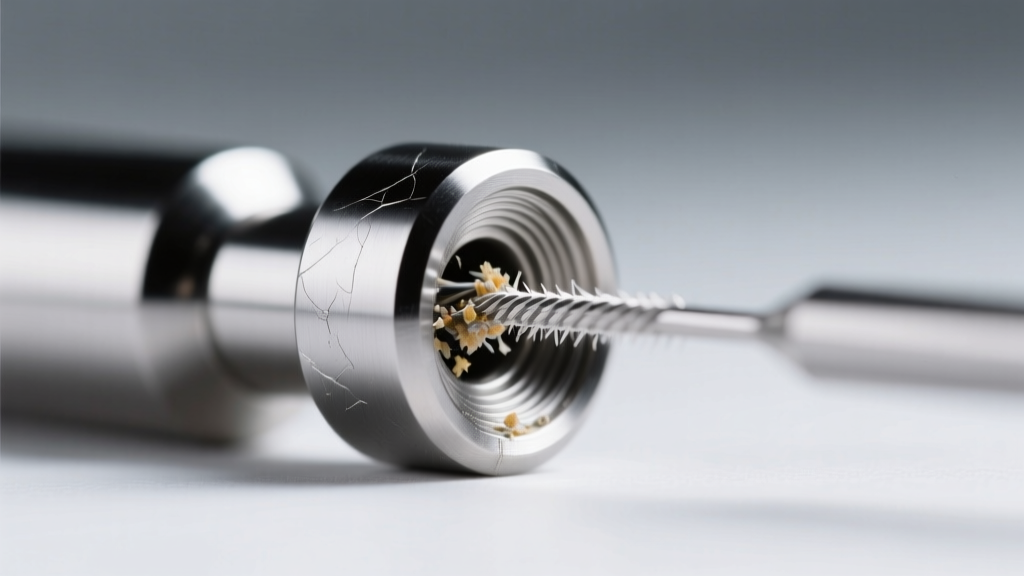
Cleaning Earring Backs and Post Threads (The Forgotten Step)
The most common site for bacterial growth and foul odors is not the decorative face of the earring, but the post and backing mechanism.
Butterfly Friction Backs
The tiny scrollwork of a standard butterfly back acts as a trap for dead skin and lotion. Soak these in a 50/50 mixture of warm water and isopropyl alcohol (70%) for 10 minutes, then use a wooden toothpick or interdental brush to dislodge compacted debris from the coils.
Internally Threaded and Threadless Posts
For high-end body jewelry, the threading is inside the post (internally threaded) or the piece relies on a tension-fit pin (threadless). Use a soft, damp interdental brush to gently swab the inside of the post barrel. For threadless ends, wipe the bendable pin with alcohol to remove skin oils that can cause the tension fit to slip and result in a lost gemstone.
Maintenance Schedule and Storage Best Practices
Knowing how to properly clean earrings is only half the battle; preventative storage drastically reduces the need for deep cleaning.
- Weekly: Wipe down everyday studs and hoops with a dry microfiber cloth before bed to remove daily oils and sweat.
- Monthly: Perform the warm soapy water soak for all solid gold and platinum pieces.
- Bi-Annually: Deep clean and check prong tension on fine gemstone earrings. Have a professional jeweler inspect the settings to prevent stone loss.
Store your earrings in a low-humidity environment. Keep sterling silver in anti-tarnish ziplock bags with silica gel packets or activated charcoal to absorb ambient moisture and sulfur. Never toss multiple pairs into a single jewelry box drawer; the friction will cause micro-scratches, particularly on high-karat gold and polished platinum.


