Tracy's Fine Jewelry Care: Cleaning & Maintenance Guide
Discover expert cleaning and maintenance tips for Tracy's Fine Jewelry pieces. Learn how to protect diamonds, gold, and precious gemstones at home.

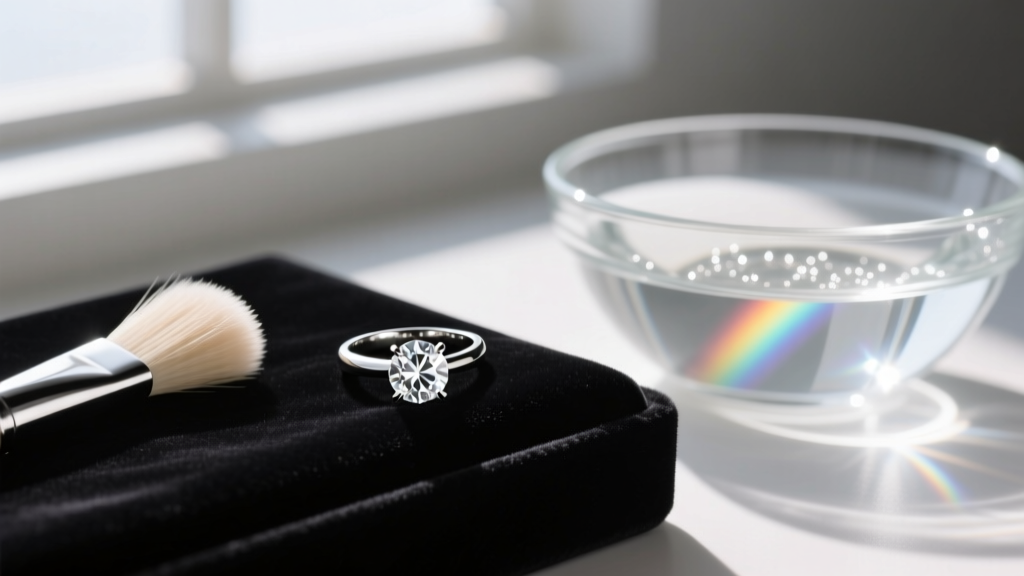
When you invest in heirloom-quality pieces from curated collections like Tracy's Fine Jewelry, you are acquiring more than just accessories; you are securing wearable art and generational assets. However, even the most meticulously crafted 18k gold settings and VVS-clarity diamonds require rigorous, scientifically informed maintenance to retain their structural integrity and optical brilliance. The difference between a piece that degrades over a decade and one that survives for a century lies entirely in the owner's daily care protocols and cleaning methodologies.
This comprehensive guide transcends basic advice, offering bench-jeweler-level insights into the chemical, mechanical, and environmental factors that affect fine jewelry. Whether you own a signature platinum engagement ring or a delicate emerald pendant from Tracy's Fine Jewelry, understanding the material science behind your pieces is the first step toward preserving them.
The Foundation: Understanding Metal Alloys and Wear Patterns
Fine jewelry is rarely made from 100% pure metal, as pure gold and platinum are too malleable for secure gemstone settings. Understanding your specific alloy is critical for predicting wear patterns and chemical vulnerabilities.
18k vs. 14k Gold: The Hardness Trade-off
Many clients who purchase luxury pieces from Tracy's Fine Jewelry opt for 18k yellow gold, which contains 75% pure gold and 25% alloy metals (typically copper and silver). While 18k gold offers a rich, saturated color and hypoallergenic properties, it is inherently softer than 14k gold (58.3% pure). On the Vickers hardness scale, 18k yellow gold scores around 135 HV, whereas 14k yellow gold scores closer to 160 HV. This means 18k gold will accumulate micro-scratches and develop a patina faster. To mitigate this, remove 18k gold rings before engaging in manual labor or weightlifting, where the metal can easily warp or scratch against steel.
Platinum's Unique Displacement Property
Platinum alloys (usually 95% platinum and 5% ruthenium or iridium) behave fundamentally differently than gold when scratched. Instead of losing metal mass, platinum displaces it. The metal is pushed aside, creating a dull, frosted appearance known as a patina. While this patina is prized by some collectors, it can obscure the brilliance of adjacent diamonds. A professional polisher can easily restore the high-polish finish by removing only a microscopic layer of the surface.
Daily Wear Protocols and Environmental Hazards
The most severe damage to fine jewelry rarely occurs from sudden impacts; rather, it is the result of prolonged exposure to microscopic environmental hazards.
- Chlorine and Stress Corrosion Cracking: Never wear gold jewelry in swimming pools or hot tubs. Chlorine reacts aggressively with the copper and silver alloys in gold, leading to stress corrosion cracking. This chemical degradation specifically targets the solder joints and prong tips, often causing a gemstone to fall out without any visible warning.
- The Lipophilic Nature of Diamonds: Diamonds are lipophilic, meaning they naturally attract and hold onto oils and grease. Daily application of lotions, sunscreens, and sebum from your skin will create a microscopic film on the pavilion (bottom) of the diamond, drastically reducing its light return and making it appear cloudy or yellow.
- Cosmetic Abrasives: Many foundations and setting powders contain silica or zinc oxide, which rank high on the Mohs hardness scale. Over time, these cosmetics can act as a mild abrasive paste, dulling the polish on precious metal bands.
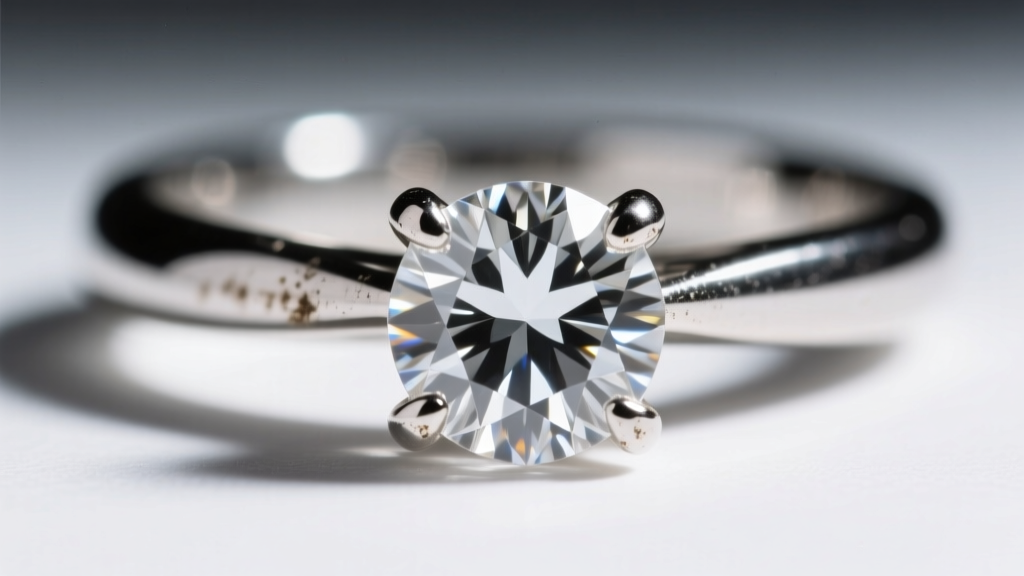
Step-by-Step At-Home Cleaning for Diamonds and Sapphires
For durable, non-porous gemstones like diamonds, sapphires, and rubies (all ranking 9 or 10 on the Mohs scale), a rigorous at-home cleaning regimen will keep them looking pristine between professional servicing.
The Optimal Cleaning Solution
Avoid commercial "jewelry dips" that contain harsh ammonia or thiourea, as these can degrade certain metal alloys and damage secondary accent stones. Instead, formulate a gentle, highly effective surfactant bath:
- Fill a small glass bowl with distilled water (tap water contains hard minerals that can leave calcium deposits on the metal).
- Add exactly 3 to 4 drops of a phosphate-free, ammonia-free mild dish detergent (such as original Dawn). The surfactants will break the surface tension of the water and lift lipophilic oils from the diamond's pavilion.
- Allow the jewelry to soak for 15 to 20 minutes. Do not exceed this time if the piece contains fracture-filled stones.
- Using a specialized jewelry brush with ultra-soft 0.05mm nylon bristles (or a brand-new, soft baby toothbrush), gently agitate the back of the setting. Brush in circular motions, focusing on the gallery and the culet of the stone where debris accumulates.
- Rinse thoroughly under a gentle stream of lukewarm distilled water, ensuring the drain is securely plugged.
- Pat dry with a lint-free microfiber cloth. Avoid paper towels, as their wood-pulp fibers can leave microscopic scratches on high-polish platinum or gold.
Specialized Care for Porous and Treated Gemstones
If you own a signature piece from Tracy's Fine Jewelry featuring an emerald, opal, or pearl, the cleaning rules change dramatically. These stones require specialized, conservative care to prevent catastrophic structural failure.
The Danger of Ultrasonic Cleaners
Ultrasonic cleaners use high-frequency sound waves (typically 40kHz) to create microscopic cavitation bubbles in a liquid solvent. When these bubbles collapse, they generate intense localized shockwaves. While excellent for cleaning bare diamond solitaires, these shockwaves can easily shatter emeralds, which are naturally heavily fractured. Furthermore, most commercial emeralds are treated with cedar oil or Opticon resin to mask these fractures. The heat and agitation of an ultrasonic cleaner will boil the oil out, leaving the stone looking cloudy and heavily included.
Opals and Moisture Depletion
Opals contain up to 20% water within their silica structure. Exposing them to steam cleaners, ultrasonic heat, or even prolonged direct sunlight can cause the water to evaporate, leading to "crazing"—a network of permanent, irreversible micro-cracks across the surface of the stone. Clean opals only with a barely damp, soft cloth.
Gemstone Hardness & Cleaning Method Matrix
| Gemstone | Mohs Hardness | Ultrasonic Safe? | Steam Safe? | Recommended Cleaning Method |
|---|---|---|---|---|
| Diamond | 10 | Yes (with caution) | Yes | Warm soapy water, ultrasonic, steam |
| Sapphire / Ruby | 9 | Yes (untreated only) | Yes | Warm soapy water, soft brush |
| Emerald | 7.5 - 8 | No | No | Damp cloth only, no soaking |
| Opal | 5.5 - 6.5 | No | No | Dry or barely damp microfiber cloth |
| Pearl | 2.5 - 3 | No | No | Wipe with soft cloth after each wear |
Source: Data compiled from the Gemological Institute of America (GIA) gemological databases regarding stone durability and treatment vulnerabilities.
Professional Maintenance: When to Visit the Bench Jeweler
At-home care is only half the equation. To maintain the structural integrity of fine jewelry, a professional inspection by a certified bench jeweler is mandatory. According to Jewelers of America, fine jewelry should be professionally inspected every six to twelve months.
Prong Wear and Re-Tipping Thresholds
Prongs are the tiny metal claws that secure your gemstones. Over time, friction against clothing and environmental abrasion will wear down the tip of the prong. A jeweler will use a 10x triplet loupe to measure the prong thickness. If the metal width at the contact point drops below 0.5mm, or if the prong has lifted away from the stone's crown, it requires "re-tipping"—a process where a laser or torch is used to weld a new bead of metal onto the worn prong. Ignoring this will inevitably result in stone loss.
Rhodium Plating for White Gold
White gold is naturally a pale, slightly yellowish-grey metal. To achieve the brilliant, mirror-like white finish seen in showroom displays, it is electroplated with a microscopic layer of rhodium, a rare platinum-group metal. This plating is not permanent; it wears away through friction and exposure to skin acids, typically lasting 12 to 18 months on rings. When the yellowish undertone begins to show through, particularly on the bottom of the shank, it is time to have the piece professionally polished and re-plated.
Long-Term Storage and Archival Best Practices
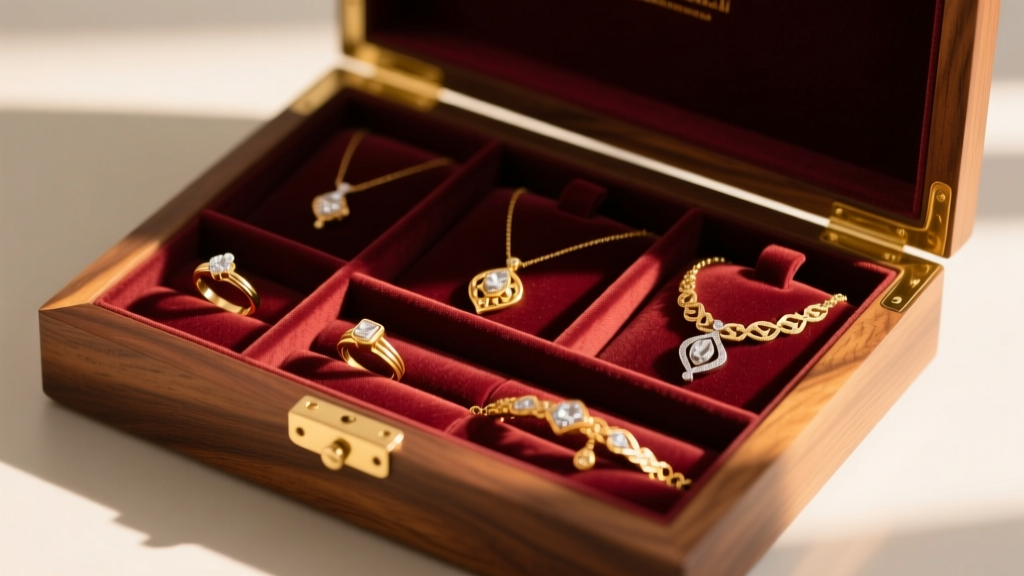
How you store your jewelry when it is not being worn is just as critical as how you clean it. The primary enemy in a jewelry box is contact hardness.
Because diamonds rank at a 10 on the Mohs scale, they can easily scratch the metal bands of other rings, as well as the surfaces of softer gemstones like sapphires or emeralds, if stored loosely together. Never toss multiple pieces into a single drawer or pouch.
- Individual Compartments: Store every piece in its own fabric-lined compartment or soft flannel pouch to prevent metal-on-metal and gem-on-metal abrasion.
- Climate Control: Silver and low-karat gold alloys are susceptible to tarnishing when exposed to sulfur compounds and humidity in the air. Store these pieces in airtight zip-lock bags with 3M anti-tarnish strips, which chemically absorb sulfur gases.
- Pearl Hydration: Unlike diamonds, pearls require a slight amount of ambient moisture to prevent their nacre from drying out and cracking. Store pearls in a soft pouch outside of airtight plastic, and wear them frequently, as the natural oils from your skin help maintain their luster.
By adhering to these rigorous, science-backed maintenance protocols, you ensure that your acquisitions remain as breathtaking as the day they were first unboxed. Proper care is the ultimate expression of respect for the craftsmanship and the precious materials that define true fine jewelry.


