Prada Fine Jewelry vs Fashion: A Deep Dive into Material Properties
Compare Prada fine jewelry materials like recycled 18k gold and lab-grown diamonds with their fashion lines. Discover metallurgical properties and value.

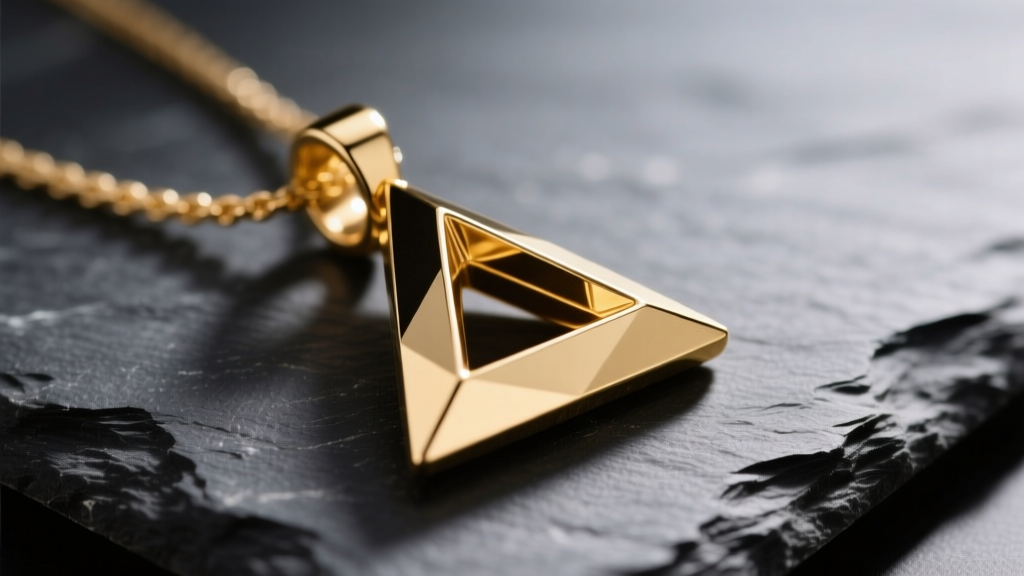
When navigating the luxury market, understanding the distinction between a fashion house's runway accessories and their high jewelry collections is critical for both collectors and everyday buyers. Prada, historically renowned for its avant-garde fashion and costume jewelry, has made significant strides into the high-end sector. However, the leap from Prada fine jewelry to their seasonal fashion pieces is not merely a difference in price tag; it is a fundamental divergence in metallurgy, gemology, and material longevity. This guide deconstructs the specific material properties that separate Prada's fine jewelry tiers from their fashion counterparts.
The Metallurgy of Prada Fine Jewelry: Recycled 18k Gold
Prada's fine jewelry collections, such as the Eternelle and Symbole lines, are crafted exclusively from 100% recycled 18-karat gold. From a material science perspective, the use of recycled gold does not compromise the structural integrity or the elemental purity of the alloy. According to the World Gold Council, recycled gold undergoes the same rigorous refining processes as newly mined gold, returning it to a pure 24k state before being re-alloyed.
In fine jewelry, 18k gold consists of 75% pure gold and 25% alloy metals (typically copper, silver, and zinc). This specific ratio is chosen for its optimal balance of malleability and durability. On the Vickers Hardness (HV) scale, 18k yellow gold typically measures around 125–135 HV. This makes it significantly harder and more resistant to deformation than 24k pure gold (which sits at roughly 25 HV), yet softer and more scratch-prone than 14k gold. Prada utilizes precise copper-to-silver ratios to achieve their signature warm yellow and rose gold hues, ensuring the metal resists tarnishing while maintaining a rich, non-brassy luster over decades of wear.
Gemological Properties: Lab-Grown Diamonds vs. Traditional
A defining characteristic of modern Prada fine jewelry is the brand's commitment to using lab-grown diamonds, particularly in their high-impact geometric pieces. These are not simulants; they are chemically, physically, and optically identical to mined diamonds. Prada primarily utilizes Chemical Vapor Deposition (CVD) to grow these stones, a process that yields exceptional clarity and color by minimizing nitrogen impurities in the crystal lattice.
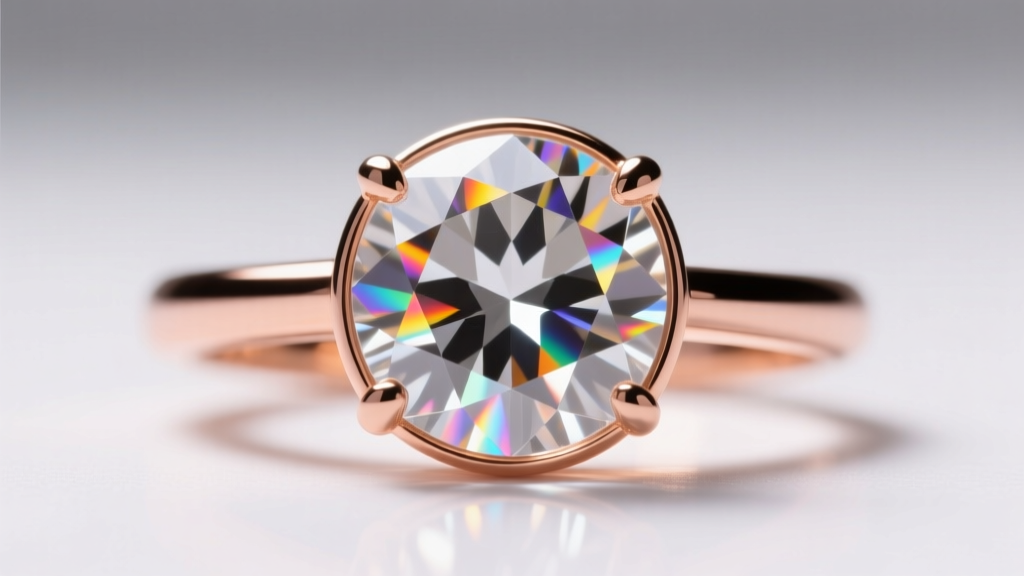
Lab-grown diamonds possess a Mohs hardness of 10 and a refractive index of 2.42, ensuring the same brilliant light dispersion (fire and scintillation) as their earth-mined counterparts. The Gemological Institute of America (GIA) grades these stones using the exact same 4Cs parameters as mined diamonds. Below is a technical comparison of the gemological materials frequently encountered across luxury and fashion tiers.
| Material Property | Lab-Grown Diamond (Prada Fine) | Mined Diamond | Cubic Zirconia (Fashion) | Swarovski Crystal (Fashion) |
|---|---|---|---|---|
| Chemical Composition | Carbon (C) | Carbon (C) | Zirconium Dioxide (ZrO2) | Lead Glass / Quartz |
| Mohs Hardness | 10 | 10 | 8.0 - 8.5 | 6.0 - 7.0 |
| Refractive Index | 2.42 | 2.42 | 2.15 - 2.18 | 1.50 - 1.70 |
| Specific Gravity | 3.52 | 3.52 | 5.60 - 6.00 | 2.80 - 3.20 |
| Longevity / Wear | Permanent / Heirloom | Permanent / Heirloom | Clouds over time | Scratches / Chips easily |
The Reality of Fashion Jewelry: Brass, Plating, and Enamel
To truly appreciate the material science of Prada's fine collections, one must contrast it with their seasonal fashion jewelry. Runway pieces and standard boutique accessories are predominantly crafted from brass (a copper-zinc alloy) and finished with gold-tone electroplating, brushed enamel, and acrylic resins.
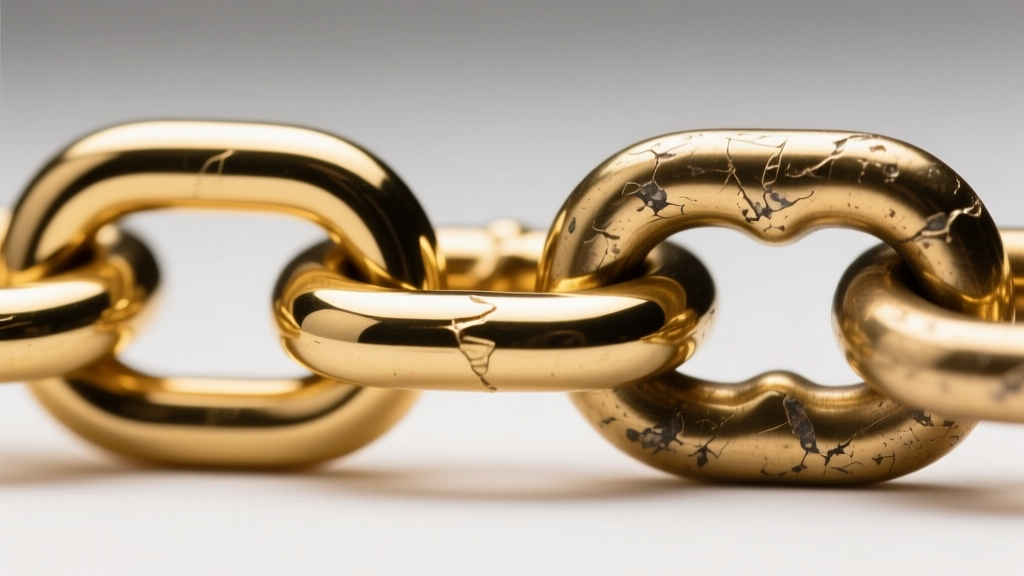
Gold electroplating in high-end fashion jewelry typically ranges from 0.5 to 2.5 microns in thickness. While this provides the immediate visual warmth of gold, the underlying brass base is highly susceptible to galvanic corrosion and oxidation when exposed to the acidic pH of human sweat, cosmetics, and environmental humidity. Furthermore, brass alloys can contain trace amounts of nickel or lead, which are common triggers for contact dermatitis. In contrast, the solid 18k gold used in Prada fine jewelry is inherently hypoallergenic and impervious to this type of environmental degradation.
The use of cold enamel (epoxy-based resins) in Prada's fashion lines allows for vibrant, opaque color blocking that mimics the geometric motifs of their fine jewelry. However, unlike vitreous enamel (fused glass) used in traditional high jewelry, cold enamel has a lower thermal tolerance and is prone to micro-chipping and UV-yellowing over a lifespan of 5 to 10 years.
Longevity and Care: Material-Specific Maintenance
Understanding these material properties dictates how you must care for your pieces. For Prada's fine jewelry, the 18k recycled gold and CVD lab-grown diamonds can withstand rigorous cleaning methods. Ultrasonic cleaners operating at 40 kHz are perfectly safe for these materials, effectively dislodging sebum and microscopic debris from the pavé settings without damaging the diamond's crystal lattice or the gold alloy.
Conversely, applying ultrasonic waves or harsh chemical dips (like silver polish or ammonia-based cleaners) to Prada's gold-plated fashion jewelry will cause catastrophic failure. The cavitation bubbles generated by ultrasonic cleaners will strip the 2-micron gold plating directly off the brass substrate, while ammonia will aggressively oxidize the copper content in the brass, leading to irreversible black spotting. Fashion pieces require only gentle wiping with a dry, lint-free microfiber cloth.
Final Verdict: Investment vs. Expression
The choice between Prada's fine jewelry and their fashion accessories ultimately hinges on your material requirements. If you seek heirloom-grade metallurgy, hypoallergenic properties, and the optical perfection of CVD diamonds, the fine jewelry collections offer genuine material value and permanence. If your goal is seasonal trend expression, bold enamel colorways, and architectural silhouettes without the capital outlay of solid precious metals, the gold-plated brass fashion lines serve their purpose beautifully—provided you respect the physical limitations of their electroplated surfaces.


