Fashion Jewelry Club Metals: Plating, Alloys, and Demi-Fine
We decode the metallurgy behind your favorite fashion jewelry club pieces, comparing base alloys, plating microns, and demi-fine alternatives.

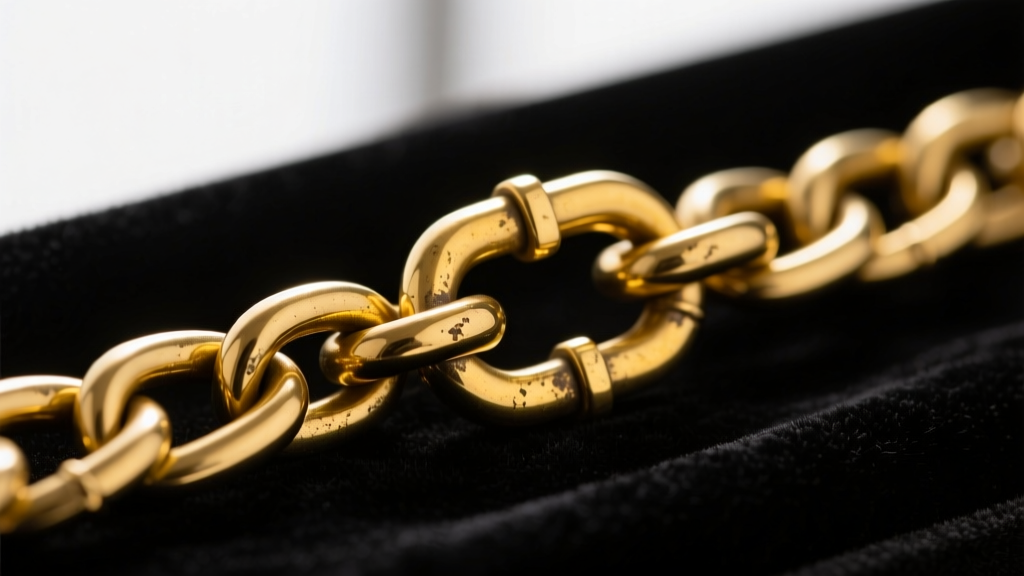
The Metallurgy of Subscription: What Is Really in the Box?
The modern fashion jewelry club model—whether through monthly subscription boxes, exclusive wholesale member tiers, or fast-fashion loyalty programs—has completely democratized trend-driven design. In 2026, these clubs offer incredible aesthetic variety, delivering runway-inspired silhouettes at the $20 to $60 price point. However, as consumers become vastly more educated about material longevity and skin sensitivities, the gap between the visual appeal of a piece and its metallurgical reality is under the microscope.
To truly understand the value of your jewelry box, we must look past the carat-weight illusions and marketing terminology. What happens when the gold tone fades? Why do some pieces turn your skin green while others remain pristine? By examining the base alloys, plating thicknesses, and structural integrity of these accessible pieces, we can build a practical framework for curating a sustainable, skin-safe jewelry wardrobe.
Base Alloys vs. Precious Metals: A Structural Breakdown
The secret to the low cost of goods sold (COGS) in any fashion jewelry club lies in the base metal. Unlike fine jewelry, which relies on solid precious metals, fashion pieces utilize industrial alloys optimized for mass production, low melting points, and high fluidity in casting molds.
Zamak and Zinc Alloys (The Fashion Standard)
Zamak is a family of alloys with a base of zinc, combined with aluminum, magnesium, and copper. It is the undisputed king of fashion club statement pieces. With a remarkably low melting point of approximately 385°C (725°F), it requires less energy to cast and captures moderate detail. However, Zamak is highly porous. If a manufacturer skips the crucial copper or nickel underplate layer before applying the final gold tone, the zinc will actively migrate through the top layer, causing microscopic blisters known as "zinc whiskers" and leading to rapid, irreversible tarnishing.
Brass (The Intricate Caster)
Brass (typically a 70/30 or 60/40 copper-zinc ratio) is favored for vintage-inspired or highly intricate fashion club designs. It flows beautifully into detailed silicone molds and polishes to a high shine. The metallurgical drawback is copper's high reactivity. When exposed to atmospheric sulfur or the acidic pH of human sweat, unprotected brass oxidizes rapidly, forming copper sulfide (black tarnish) or copper chelates (the infamous green skin stain).
316L Surgical Stainless Steel (The 2026 Workhorse)
As the demand for "waterproof" fashion jewelry has surged, 316L stainless steel has become a staple in premium fashion club tiers. Alloyed with molybdenum for superior corrosion resistance, it is virtually non-porous and hypoallergenic due to its extremely low nickel-release rate. While it is too hard for traditional intricate casting (requiring CNC machining or stamping instead), it offers unparalleled longevity for minimalist, everyday staples.
| Base Material | Primary Composition | Melting Point | Porosity | Best Use Case in Fashion Clubs |
|---|---|---|---|---|
| Zamak | Zn, Al, Mg, Cu | ~385°C | High | Chunky, trend-driven statement pieces |
| Brass | Cu, Zn | ~900°C | Medium | Intricate, vintage-style detailed castings |
| 316L Steel | Fe, Cr, Ni, Mo | ~1400°C | Very Low | Minimalist, waterproof everyday staples |
| 925 Silver | 92.5% Ag, 7.5% Cu | ~890°C | Low | Demi-fine foundations for heavy vermeil |
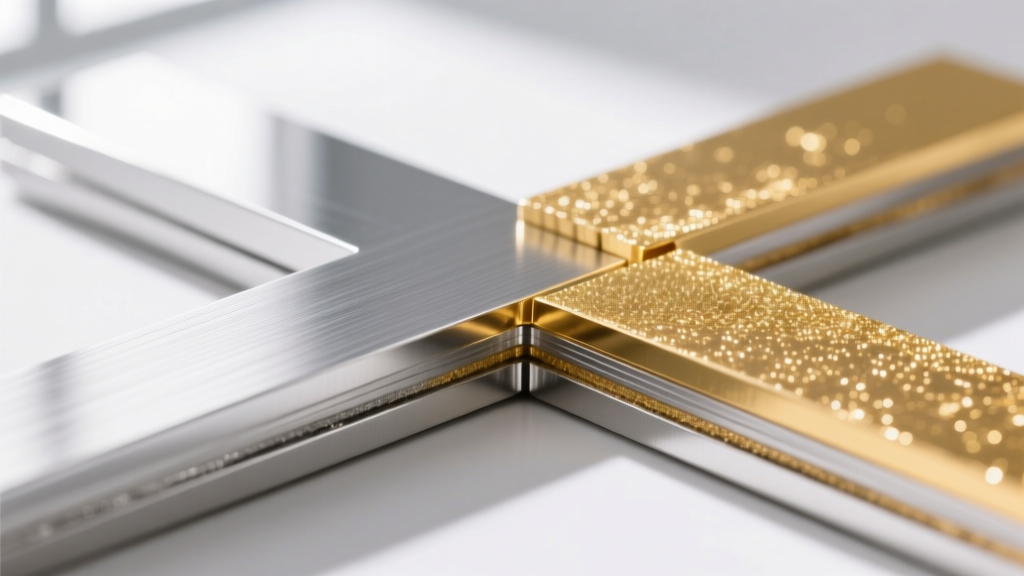
The Micron Reality: Flash Plating vs. Vermeil
The most significant differentiator between a standard fashion jewelry club piece and a demi-fine investment is the thickness of the gold exterior, measured in microns (one-millionth of a meter). Understanding these metrics is critical for predicting a piece's lifespan.
Flash Plating and Gold Wash
Most entry-level fashion club pieces utilize "flash plating," a rapid electroplating process that deposits a microscopic layer of gold, typically between 0.03 and 0.1 microns thick. According to the Federal Trade Commission Jewelry Guides, a piece must have a minimum thickness of 0.175 microns (7 millionths of an inch) to be legally marketed as "gold electroplate." Anything thinner is classified merely as "gold flashed" or "gold washed." At this thickness, the friction from a necklace clasp or the natural oils from your skin can wear through the gold layer in a matter of weeks.
The Demi-Fine Benchmark: Vermeil and Gold-Filled
When you graduate from a fashion club to demi-fine tiers, you encounter Gold Vermeil. The London Assay Office and US standards dictate that true vermeil must feature a sterling silver (925) base coated with a minimum of 2.5 microns of 10k or higher gold. This thickness provides a durable barrier that, with proper care, can last for years. Alternatively, "Gold-Filled" jewelry involves mechanically bonding a much thicker layer of solid gold (at least 1/20th of the total weight) to a brass core using heat and pressure, offering a lifespan that rivals solid gold.
"The longevity of plated jewelry is not just about the thickness of the gold, but the barrier layers beneath it. A high-quality fashion piece will utilize a palladium or thick copper underplate to prevent the base metals from migrating into the gold layer and causing galvanic degradation." — Manufacturing Insights from the Gemological Institute of America (GIA)
Failure Modes: Galvanic Corrosion and the Green Finger
One of the most common complaints regarding fashion jewelry club pieces is the dreaded "green finger." This is not a sign of toxicity, but rather a predictable electrochemical reaction known as galvanic corrosion.
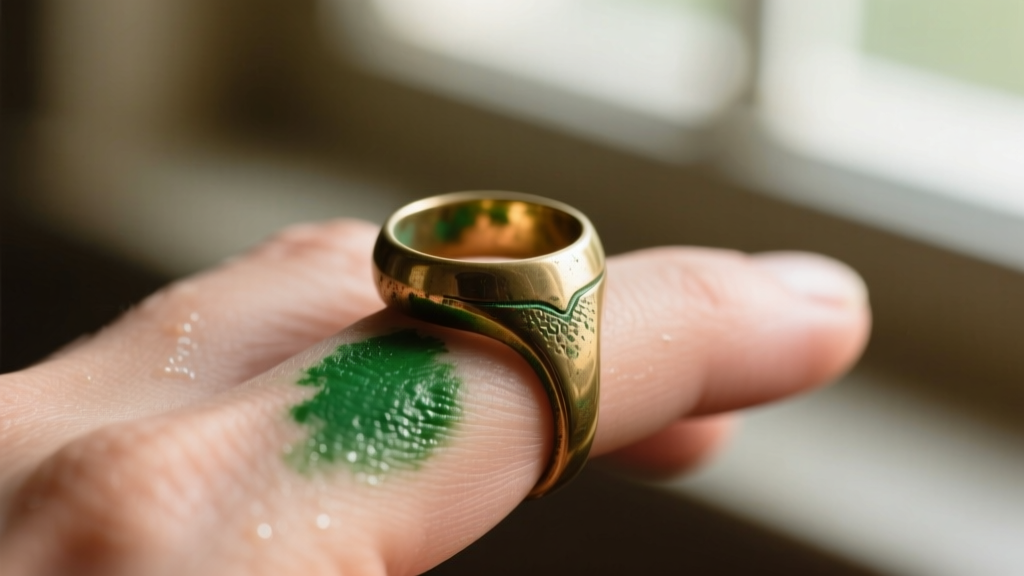
The Electrochemistry of Tarnish
Gold is a noble metal, meaning it is highly resistant to corrosion (it acts as the cathode). Brass and zinc alloys are active metals (they act as the anode). When the ultra-thin flash plating on a fashion ring scratches or wears away, the underlying base metal is exposed. Human sweat, which contains salt and lactic acid, acts as a highly effective electrolyte.
When the electrolyte bridges the gap between the exposed gold (cathode) and the brass (anode), a microscopic galvanic cell is created. This accelerates the corrosion of the anode (the brass). As the copper in the brass oxidizes, it releases copper ions that bind with the amino acids and salts in your sweat to form copper chelates—a bright green compound that stains the skin. This is why a scratched fashion club ring will turn your finger green almost immediately, while a solid 14k gold ring will never react.
Troubleshooting and Maintenance: Extending the Life of Fashion Pieces
While fashion jewelry club pieces are not heirlooms, you can significantly extend their wearable life by mitigating their primary failure modes. Here is an actionable maintenance framework for your fashion collection:
- The Barrier Method: For rings and bangles that sit flush against the skin, apply a thin coat of clear, flexible polyurethane nail polish to the interior band. This creates a physical barrier between the active base metal and your skin's electrolytes, preventing galvanic corrosion and green stains.
- Moisture Control Storage: Because Zamak and brass are porous, they absorb ambient humidity, leading to internal oxidation that pushes through the plating. Store your fashion club pieces in airtight ziplock bags with a 5-gram silica gel desiccant packet to halt atmospheric tarnishing.
- Avoid Ultrasonic Cleaners: Never put flash-plated or vermeil jewelry in an ultrasonic cleaner. The high-frequency cavitation bubbles will literally strip the microscopic gold layers off the base metal in seconds. Use only a mild, phosphate-free dish soap and a microfiber cloth.
- The "Last On, First Off" Rule: Perfumes, lotions, and hairsprays contain volatile organic compounds (VOCs) and sulfur traces that rapidly degrade thin gold plating. Always put your jewelry on after your beauty routine has fully dried, and remove it immediately upon returning home.
Upgrading Your Collection: When to Leave the Club for Demi-Fine
The fashion jewelry club model is perfect for experimenting with avant-garde silhouettes, massive cocktail rings, and hyper-trendy motifs that will fall out of favor in six months. The ROI on a $30 Zamak statement necklace is excellent if you only plan to wear it for a single season.
However, you should strategically upgrade to demi-fine or fine jewelry for your "core rotation" pieces. Items that experience high friction and constant skin contact—such as everyday hoop earrings, delicate chain necklaces, and wedding-band-adjacent stacking rings—should never be purchased from a fashion club tier. The friction will inevitably breach the flash plating, leading to skin irritation and structural failure. For these high-wear categories, invest in 14k gold-filled chains or 2.5-micron vermeil over sterling silver. By understanding the metallurgy behind the marketing, you can curate a jewelry box that balances trend-driven excitement with enduring, skin-safe quality.


