Is Jimmy's Fine Jewelry Too Good To Be True? Value Guide
Evaluating if independent shops like Jimmy's Fine Jewelry are too pricey. We compare DTC vs local jeweler pricing, gold weight, and grades.

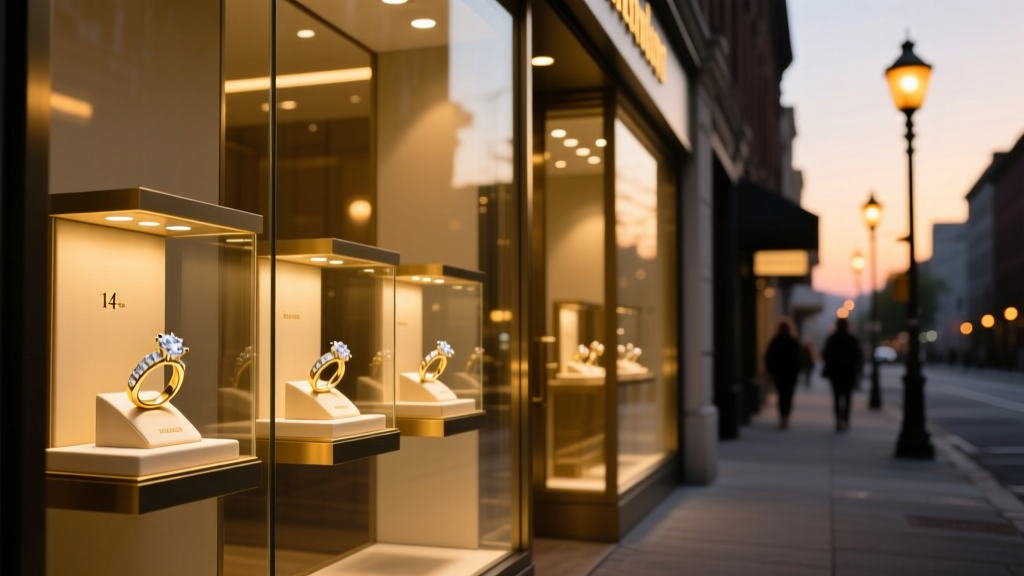
In the 2026 jewelry market, the line between direct-to-consumer (DTC) online brands and traditional brick-and-mortar stores has never been more heavily scrutinized. When couples begin their engagement ring or fine jewelry search, they are immediately bombarded with aggressive digital marketing promising 'wholesale' prices and 'disrupted' margins. This leads to a common point of friction: when evaluating if a local staple like Jimmy's Fine Jewelry too closely mirrors inflated mall-brand pricing, or if their quotes actually reflect superior material integrity. The phrase 'Jimmy's Fine Jewelry too' often appears in local search queries when buyers are attempting to reconcile a $7,500 local quote with a $5,800 online listing. This comprehensive value assessment breaks down the metallurgical, gemological, and economic realities of independent jewelers versus DTC giants to determine where your budget is truly best spent.
The Independent Jeweler Premium: Myth vs. Reality
The modern jewelry consumer is highly educated. Thanks to accessible gemological databases and transparent pricing algorithms, buyers know the baseline cost of a 1.00-carat G-color VS1-clarity diamond. When an independent jeweler presents a price tag that is 15% to 25% higher than an online equivalent, the immediate assumption is excessive retail markup. However, this assessment often ignores the structural and metallurgical compromises inherent in mass-market DTC jewelry.
Online brands optimize for two metrics: visual appeal in a digital render and shipping weight. To achieve aggressive price points, DTC manufacturers frequently reduce the gold weight of a ring's shank and gallery. A standard 1.8mm wide shank on a size 6 ring crafted in 14k yellow gold weighs approximately 3.2 grams. Many online 'budget' settings reduce this to 1.2mm, dropping the weight to under 2.0 grams. While this saves $80 in raw material costs, it catastrophically compromises the ring's structural integrity, leading to warping within the first 18 months of daily wear. Independent jewelers prioritize longevity, understanding that a warped shank will eventually lead to a lost center stone.
Material Breakdown: What You Actually Pay For
To understand the true value proposition, we must look past the center stone and analyze the mounting, the alloy composition, and the grading reports. According to the Federal Trade Commission Jewelry Guides, retailers must accurately represent metal purity, but they are not required to disclose the specific alloy mixtures used in 14k or 18k gold.
Pure 24k gold is too soft for daily wear, so it is alloyed with metals like copper, silver, and zinc. Mass-market casters often use higher zinc content because it lowers the melting point and allows the molten gold to flow more easily into cheap rubber molds, reducing casting failures. However, high-zinc alloys are brittle and prone to micro-fractures. Reputable independent jewelers use high-copper and silver ratios, resulting in a denser, more durable metal that takes a superior polish and resists daily impact damage.
Price Comparison: 1.00 ct G VS1 Round Brilliant in 14k Gold
| Retailer Type | Average Price | Shank Width / Weight | Grading Report | Prong Thickness |
|---|---|---|---|---|
| Big Box Mall Brand | $8,900 | 1.5mm / 2.4g | In-house or IGI | 0.9mm (Casted) |
| DTC Online Brand | $6,400 | 1.2mm / 1.8g | GIA / IGI | 0.8mm (Casted) |
| Independent (e.g., Jimmy's) | $7,600 | 1.8mm / 3.2g | GIA | 1.2mm (Hand-tipped) |
As illustrated above, the independent jeweler sits in the middle of the pricing spectrum but offers the highest physical specifications. The Gemological Institute of America (GIA) remains the gold standard for natural diamond grading, ensuring that the G/VS1 grades you pay for are not inflated by softer, in-house grading labs.
Craftsmanship and Longevity: The Hidden Value Metrics
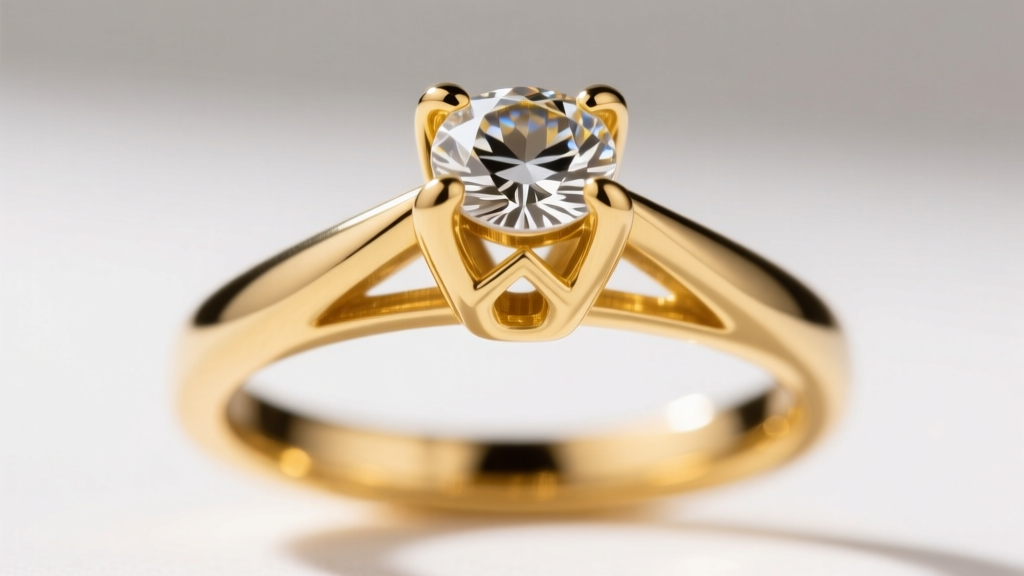
The most critical differentiator between a $6,000 online ring and a $7,500 independent piece is the method of stone setting and prong construction. Mass-market jewelry relies almost entirely on cast-in-place prongs. This means the prongs are formed in the wax mold and cast in gold simultaneously with the rest of the ring. Casted prongs are inherently porous and lack the tensile strength required to securely hold a diamond over decades of wear.
The Superiority of Hand-Tipped Prongs
High-end independent jewelers utilize a technique called 'hand-tipping' or 'solder-tipping.' The ring is cast with a solid bezel or gallery, and the prongs are individually soldered onto the setting using a laser or micro-torch. These prongs are made from drawn gold wire, which has a compressed, non-porous crystalline structure. A 1.2mm drawn wire prong is exponentially stronger than a 1.2mm casted prong. When you pay a premium at a local shop, you are funding the labor hours of a master bench jeweler who spends 45 minutes setting and polishing a single stone, rather than a factory worker processing hundreds of units per day.
- Casting Porosity: Independent shops use high-density resin and vacuum-assist casting to eliminate microscopic air bubbles that weaken the metal.
- Gallery Clearance: Local jewelers ensure adequate space between the diamond's culet and the finger, preventing sweat and lotion buildup that dulls the stone.
- Custom CAD Adjustments: Unlike rigid online templates, a local jeweler will adjust the CAD model to account for the specific depth percentage of your chosen diamond, ensuring a flush, gapless fit.
Is the Markup 'Too' High? A 2026 Cost Analysis
To definitively answer whether the independent markup is unjustified, we must calculate the Total Cost of Ownership (TCO) over a 10-year period. Fine jewelry requires maintenance. White gold, for instance, is alloyed with nickel or palladium but still requires rhodium plating to achieve a bright, mirror-white finish. DTC brands often sell rings with a very thin flash-plating of rhodium (under 0.5 microns) that wears off in three months, revealing the yellowish-grey undertone of the raw 14k white gold.
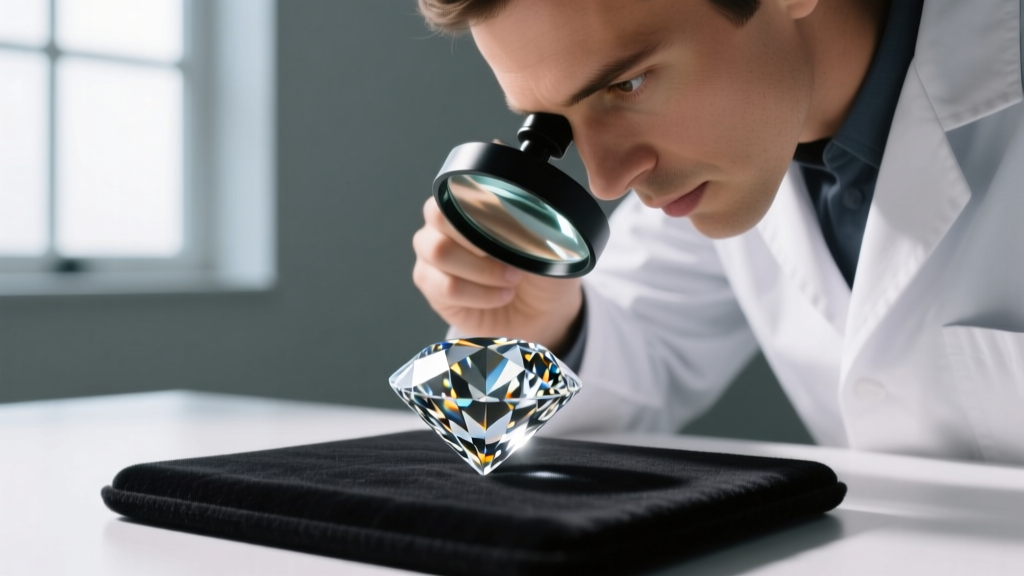
Independent jewelers typically apply a heavy 2.5-micron rhodium layer, or better yet, they work in platinum and palladium-white gold alloys that do not require plating at all. Furthermore, Jewelers of America notes that established local stores frequently bundle lifetime maintenance plans into the initial purchase price. Over ten years, the cost of four professional sizings, six rhodium dips, and bi-annual prong tightening at an online brand's partner network can easily exceed $800. When these backend costs are factored in, the initial 15% premium paid at the independent counter is entirely neutralized, often resulting in a net savings alongside vastly superior customer service.
Final Verdict: Budgeting for Heirloom Quality
When assessing the budget and value of fine jewelry, the sticker price is only a fraction of the equation. If your goal is to acquire a piece of fashion jewelry that will be worn for a single season, the DTC and fast-fashion routes offer undeniable short-term savings. However, for fine jewelry meant to withstand the rigors of daily wear, the structural compromises of mass-market production are a liability. Independent jewelers provide a vital layer of quality control, metallurgical integrity, and localized accountability that algorithms simply cannot replicate. The value lies not just in the carat weight, but in the craftsmanship that ensures the stone remains securely on your finger for generations.


