Mona Fine Jewelry Review: A Beginner's Guide to Accessible Luxury
Discover if Mona Fine Jewelry is worth the investment. Our beginner's guide breaks down their 14k gold, gemstone quality, and pricing tiers.

The Shift: From Fashion Costumes to Everyday Fine Jewelry
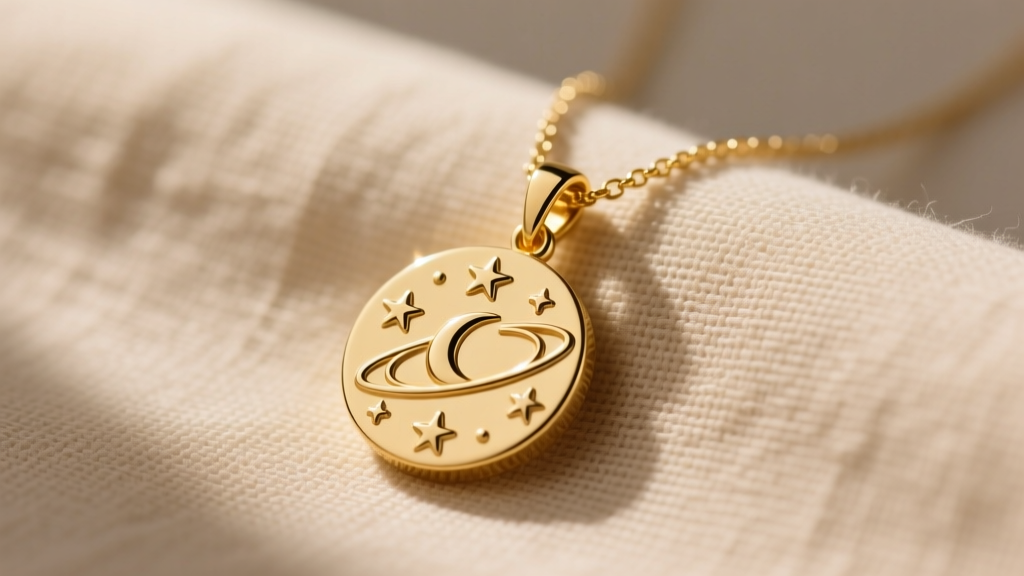
Transitioning from fashion jewelry to fine jewelry is a major milestone in any personal style journey. For years, the market was strictly bifurcated: you either bought $40 gold-plated brass pieces that tarnished within months, or you saved thousands for high-end luxury heirlooms. However, as we navigate the jewelry landscape in 2026, the 'accessible luxury' or 'demi-fine' sector has completely matured. Brands like Mona Fine Jewelry have stepped into this gap, offering a compelling bridge for beginners who want the longevity of solid gold and genuine gemstones without the intimidating five-figure price tags of legacy heritage brands.
But when you are spending $400 to $1,200 on a single piece, you need to know exactly what you are paying for. Is it truly fine jewelry? How do the material grades hold up to daily wear? This beginner-friendly explainer decodes the metallurgy, gemology, and pricing architecture of Mona Fine Jewelry to help you make an informed, confident investment.
Decoding Mona Fine Jewelry: Material Grades & Craftsmanship
To understand the value proposition of this brand, we have to look past the aesthetic marketing and examine the raw materials. True fine jewelry is defined by its use of solid precious metals and genuine, un-simulated stones. Here is how the materials break down under a jeweler's loupe.
Gold Purity: Why 14k is the Beginner's Sweet Spot
A common beginner misconception is that higher karat gold is always better. While 24k gold is 99.9% pure, it is far too soft for everyday jewelry, ranking at a mere 2.5 on the Mohs hardness scale. It will scratch, dent, and lose stones from its prongs within weeks of daily wear. According to the Gemological Institute of America (GIA), alloying pure gold with metals like copper, silver, and zinc is essential for structural integrity.
Mona Fine Jewelry predominantly utilizes 14k solid gold. This means the alloy consists of 58.5% pure gold and 41.5% strengthening alloys. From a metallurgical standpoint, 14k gold boasts a Vickers hardness (HV) of approximately 130 to 150 HV. This specific hardness rating is the ultimate sweet spot for beginner fine jewelry: it is hard enough to securely grip diamond prongs and resist daily abrasion, yet malleable enough for a master jeweler to resize or repair if necessary. Furthermore, the FTC strictly regulates gold marking, and reputable brands in this tier ensure their 14k stamp accurately reflects the 58.5% purity threshold.
Gemstone Sourcing and Clarity Standards
When moving from cubic zirconia (CZ) to natural or lab-grown diamonds, understanding the 4Cs (Cut, Color, Clarity, Carat) is non-negotiable. Accessible fine jewelry brands rarely use 'Investment Grade' (FL/IF clarity, D color) diamonds, as those are reserved for pieces costing upwards of $10,000. Instead, Mona Fine Jewelry typically sources diamonds in the G-H color range (near colorless) with SI1 to SI2 clarity (Slightly Included).
For a beginner, SI1/SI2 is a highly strategic choice. These stones have inclusions that are easily visible under a standard 10x jeweler's loupe, but they are almost entirely 'eye-clean' to the naked eye. This allows the brand to offer genuine, sparkling diamonds at a fraction of the cost of VVS (Very Very Slightly Included) stones, passing the savings directly to the consumer without sacrificing visible brilliance.
Pricing Architecture: What You Actually Pay For
One of the most frequent questions beginners ask is why a solid gold piece costs $600 when a visually identical plated piece costs $60. The answer lies in the intrinsic commodity value of the materials and the labor-intensive casting process. Below is a comparative breakdown of what you can expect when investing in accessible fine jewelry versus traditional high-end fine jewelry.
| Piece Type | Material Standard | Accessible Fine Price Range | Legacy Fine Equivalent |
|---|---|---|---|
| Solitaire Studs (0.50 ctw) | 14k Gold, SI1 Diamonds | $450 - $750 | $1,800 - $3,500 |
| Everyday Pendant Necklace | 14k Gold, Sapphire/Diamond | $300 - $550 | $1,200 - $2,500 |
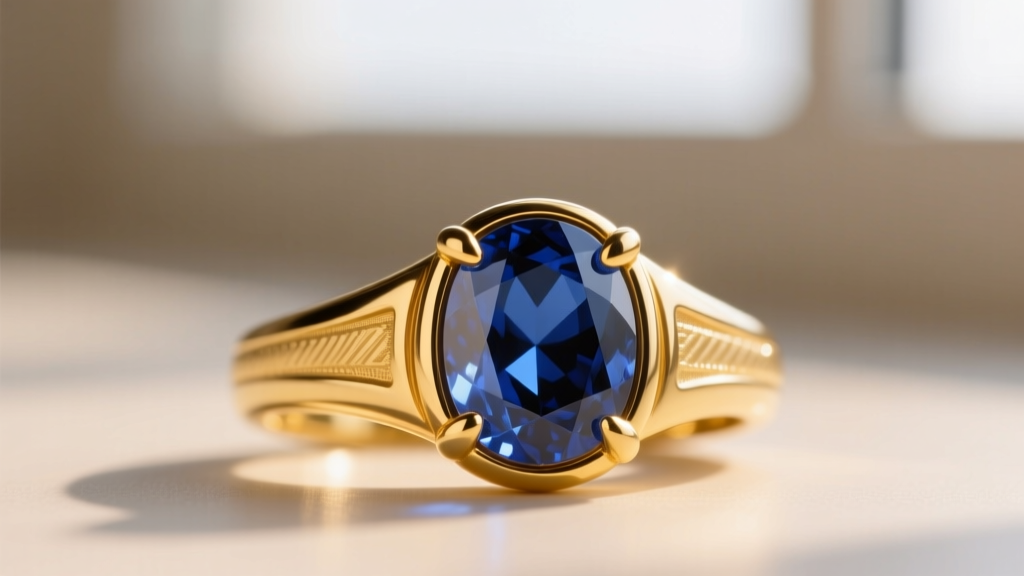
| Classic Signet Ring | Solid 14k Gold (No stones) | $350 - $600 | $900 - $1,500 |
| Hinged Hoop Earrings | 14k Gold, 1.5mm Tube | $250 - $400 | $700 - $1,200 |
As the data illustrates, the 'accessible luxury' tier strips away the massive retail markups associated with legacy brand heritage, mall rent overhead, and global advertising campaigns. You are paying primarily for the melt value of the gold, the wholesale cost of the gemstones, and the craftsmanship of the setting.
How to Build a Starter Capsule with Mona Fine Jewelry
If you are ready to make your first foray into fine jewelry, avoid the temptation to buy ten cheap, trendy pieces. Instead, adopt a capsule approach. Focus on acquiring versatile, high-quality staples that can be worn in the shower, at the gym, and to the office without fear of tarnishing. Here is a blueprint for a beginner's fine jewelry capsule:
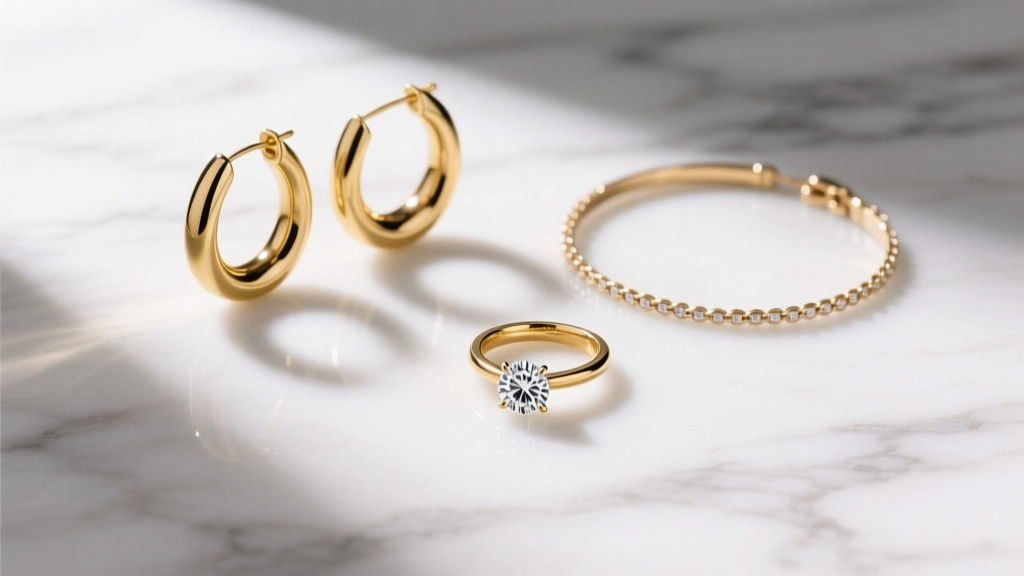
- The Perfect Hoop: Look for a 12mm to 15mm diameter hoop with a 1.5mm to 2mm tube thickness. Anything thinner than 1.2mm is prone to bending and snapping at the hinge. A solid 14k gold hinged hoop with a secure click-clasp is your ultimate everyday anchor.
- The Solitaire Pendant: A single bezel-set or 4-prong diamond (around 0.15ct to 0.25ct) on a 16-inch adjustable cable chain. Bezel settings are highly recommended for beginners, as they protect the diamond's girdle from chipping against hard surfaces.
- The Modern Signet: A solid gold signet ring (no hollowed-out backs) weighing between 3 to 5 grams. This provides a substantial, luxurious feel on the hand and can eventually be engraved for personalization.
- The Layering Chain: A 14k gold paperclip or cable chain, 18 inches in length, with a sturdy lobster clasp. Ensure the links are soldered closed so they do not pull apart if snagged on clothing.
Care and Maintenance for Long-Term Wear
Fine jewelry requires a different maintenance mindset than fashion jewelry. While 14k gold will never flake or turn your skin green, it can accumulate lotions, oils, and dead skin cells, which will dull the brilliance of your diamonds and gemstones.
For routine cleaning, avoid harsh chemical dips. Instead, use a bowl of warm water with a few drops of mild, phosphate-free dish soap. Let your jewelry soak for 15 minutes, then gently brush the underside of the gemstones with a soft-bristled baby toothbrush. The Federal Trade Commission (FTC) provides extensive guidelines on jewelry care and material disclosures, emphasizing that proper maintenance is key to preserving the structural integrity of precious metal settings.
A Critical Warning on Ultrasonic Cleaners: While ultrasonic cleaners are fantastic for plain gold bands and diamond solitaires, they can be disastrous for certain gemstones. Never put emeralds, opals, pearls, or turquoise in an ultrasonic machine. The high-frequency vibrations can shatter these stones or strip them of their natural oil treatments, causing irreversible damage.
Final Verdict: Who is this Brand For?
Mona Fine Jewelry represents a highly rational entry point into the world of solid gold and genuine gemstones. It is not designed for the collector seeking rare, unheated Burmese rubies or flawless D-color diamonds. Rather, it is engineered for the modern consumer who values material integrity, ethical sourcing, and minimalist aesthetics over brand prestige.
By understanding the 14k gold alloy ratios, the strategic use of SI-clarity diamonds, and the intrinsic value of solid precious metals, beginners can confidently transition their jewelry boxes from fleeting fashion trends to a curated collection of lifelong, tarnish-free treasures.


