Is Costume Jewelry Worth Anything? 2026 Value Guide
Discover if your vintage pieces hold value. We analyze hallmarks, designers, and market trends to answer: is costume jewelry worth anything?

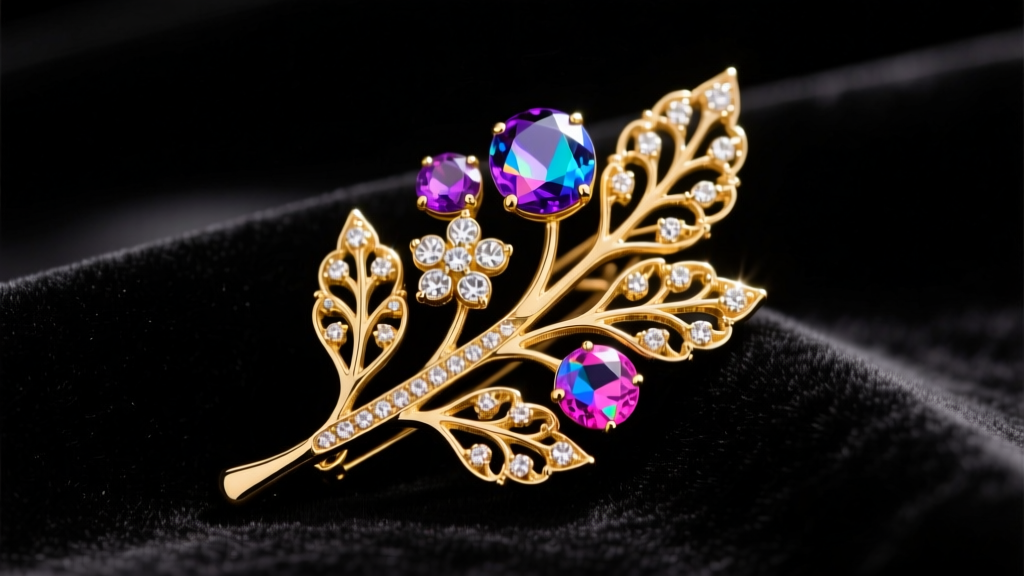
The Short Answer: Yes, But Context is Everything
When clearing out an estate or digging through a thrift store bin, the most common question collectors and inheritors ask is: is costume jewelry worth anything? The short answer is a resounding yes—but with massive caveats. Unlike fine jewelry, which derives its baseline value from the intrinsic melt-weight of precious metals and the carat-grade of gemstones, costume jewelry's value is entirely driven by provenance, design history, material innovation, and brand desirability.
As we navigate the 2026 resale market, the divide between 'valuable vintage' and 'worthless fast fashion' has never been starker. While modern, mass-produced alloy pieces from mall brands hold virtually zero secondary market value, mid-century haute couture-adjacent pieces are functioning as alternative investment assets. According to recent market analyses from Sotheby's jewel department, signed vintage costume pieces from specific golden-era designers are consistently outperforming their pre-sale estimates, driven by a surge in archival fashion collecting.
Decoding the Tiers: What Separates Trash from Treasure?
To accurately appraise your finds, you must first categorize them into the correct historical and manufacturing tier. Not all non-precious jewelry is created equal.
Tier 1: Mass-Produced Fast Fashion (The Bottom Tier)
If your piece was manufactured post-2005 by a fast-fashion retailer, it is likely made of zinc alloy or brass with a micro-thin electroplated finish and glued-in acrylic stones. These pieces are prone to rapid oxidation, skin discoloration, and structural failure. In the 2026 secondary market, these items are essentially worthless, often selling in bulk 'lot' bundles for pennies on the dollar. They possess no historical merit and utilize no specialized craftsmanship.
Tier 2: Mid-Century Masters and Couture Adjacent
This is where the true value lies. During the 1930s through the 1960s, European and American designers created 'costume' pieces that rivaled fine jewelry in craftsmanship. Houses like Trifari, Coro, and Miriam Haskell employed master metalworkers, hand-set Swarovski or Bohemian glass rhinestones, and utilized advanced metallurgical techniques like gold vermeil and Russian gilt. These pieces were designed to complement haute couture garments and were built to last generations.
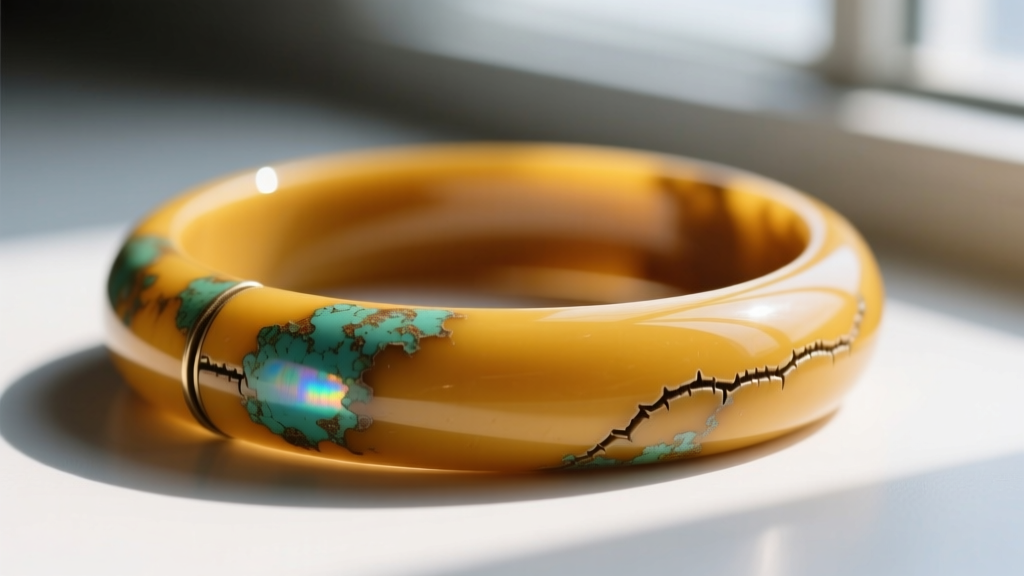
Material Clues: Rhinestones, Bakelite, and Aurora Borealis
Understanding the materials used in vintage costume jewelry is critical for authentication and valuation. The presence of specific materials can instantly date a piece and elevate its price tag.
The Bakelite Phenomenon
Bakelite, an early synthetic plastic invented in 1907, became a staple of 1930s and 1940s jewelry design. Unlike modern plastics, Bakelite is a thermosetting phenol formaldehyde resin, meaning it was carved, laminated, and polished by hand. Heavy, deeply carved Bakelite bangles in colors like 'butterscotch' or 'end-of-day' (a mix of swirling colors) can fetch anywhere from $300 to over $2,000.
Expert Appraisal Tip: Never use the 'hot pin' test to identify Bakelite. Not only does it permanently damage and melt the material, but it also releases toxic fumes. Instead, use a dab of Simichrome metal polish on a cotton swab; if it turns bright yellow, it is likely Bakelite. Alternatively, run the piece under hot tap water for 30 seconds—authentic Bakelite will emit a distinct camphor or formaldehyde chemical smell.
Aurora Borealis (AB) Rhinestones
If your piece features rhinestones with an iridescent, oil-slick rainbow coating, you are looking at Aurora Borealis stones. As documented by the GIA's guide on simulants and treatments, this specific vacuum-fused metallic coating was developed by Swarovski in collaboration with Christian Dior in 1956. Therefore, the presence of true AB stones is a definitive marker that the piece was manufactured in or after 1956, instantly helping you narrow down its era and value.
The 2026 Market Radar: Which Designers Are Surging?
The secondary market is highly brand-sensitive. A signed piece from a coveted house will always command a premium over an unsigned piece of identical quality. Below is a snapshot of the most highly sought-after designers in the current market.
| Designer / House | Peak Era | Key Identifiers | 2026 Market Value Range |
|---|---|---|---|
| Trifari (Alfred Philippe) | 1930s-1950s | 'KTF' or Crown mark, Jelly Belly lucite | $150 - $4,500+ |
| Miriam Haskell | 1930s-1960s | Russian gilt, baroque glass pearls, horseshoe mark | $200 - $2,500 |
| Dior (Mitchel Maer) | 1950s | 'Chrystallor' or 'Mitchel Maer for Dior' stamp | $300 - $1,800 |
| Schiaparelli | 1930s-1950s | Surrealist motifs, aurora borealis stones, signature | $400 - $3,000+ |
| Joseff of Hollywood | 1930s-1960s | Russian gold finish, cinematic provenance | $500 - $5,000+ |
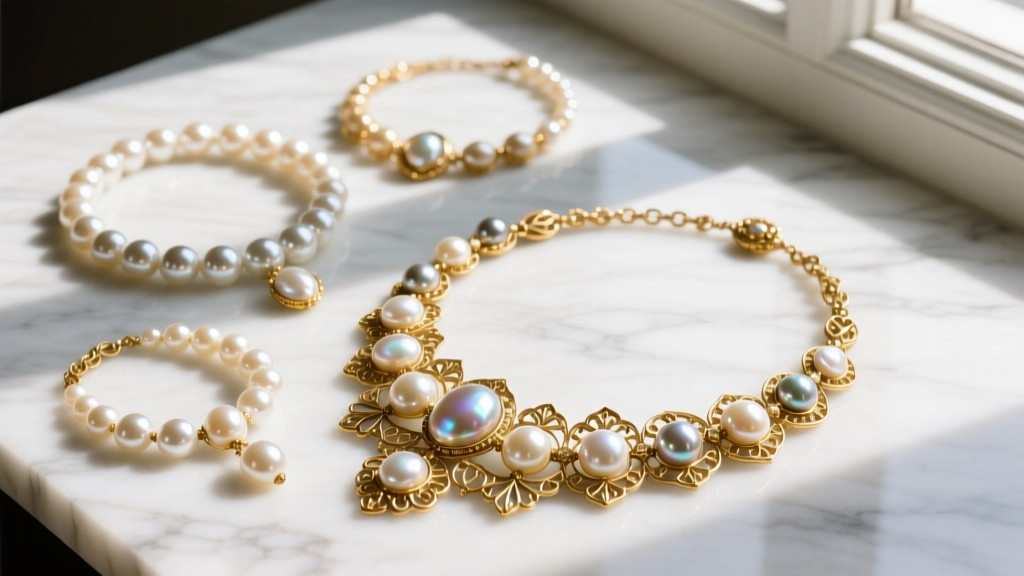
How to Authenticate and Appraise Your Find
If you are holding a piece and wondering 'is this costume jewelry worth anything?', follow this systematic appraisal framework used by vintage dealers and archival jewelry curators.
- Hunt for the Copyright Mark (©): The U.S. Copyright Act of 1955 allowed jewelry designs to be copyrighted. If you see a © symbol next to the maker's mark, the piece was definitively manufactured after 1955. This is the fastest way to date mid-century pieces.
- Examine the Stone Settings: High-end vintage costume jewelry rarely uses glue. Look for prong settings, bezels, or chatons (metal cups) where the stones are physically folded into the metal. Glued-in stones usually indicate lower-tier manufacturing or a later repair.
- Check the Clasps and Findings: Trombone clasps, box clasps with safety chains, and heavy-duty fur clips are hallmarks of 1930s-1950s construction. Flimsy lobster clasps or modern jump rings suggest a contemporary reproduction or a heavily altered piece.
- Assess the Weight and Plating: Quality vintage pieces have a substantial heft due to the use of heavy base metals like brass or pot metal, layered with thick gold or silver vermeil. If the plating is flaking to reveal a silvery or grayish base metal, it is likely a lower-quality mid-century piece or a 1970s revival.
- Look for 'Dead' Stones: Rhinestones that have turned black or cloudy from the back (often called 'dead stones') due to moisture penetrating the foil backing will significantly reduce the value of a piece, often by 50% to 70%, as professional replacement is difficult and costly.
Final Verdict: Should You Sell or Style?
So, is costume jewelry worth anything in 2026? If it is unsigned, mass-produced, or heavily damaged, its value is purely sentimental or decorative. However, if you possess signed, well-preserved pieces from the golden age of American and European costume design, you are holding tangible fashion history.
For high-value pieces (over $500), specialized auction houses or curated platforms like 1stDibs and Ruby Lane offer the best returns. For mid-tier pieces ($50-$300), Etsy and specialized Instagram vintage dealers are your best bet. But before you sell, consider the styling potential. The current 2026 runway trends heavily favor the juxtaposition of heavy, baroque mid-century costume brooches and collars against minimalist, modern tailoring. Sometimes, the greatest value of a remarkable piece of costume jewelry isn't what it fetches at auction, but the unparalleled, unreplicable statement it makes when worn.


