Buying Statement Piece Jewelry: A Material & Quality Guide
Learn how to buy statement piece jewelry that lasts. Our expert guide covers material grades, construction red flags, and pricing for demi-fine tiers.

The Anatomy of a Lasting Statement Piece
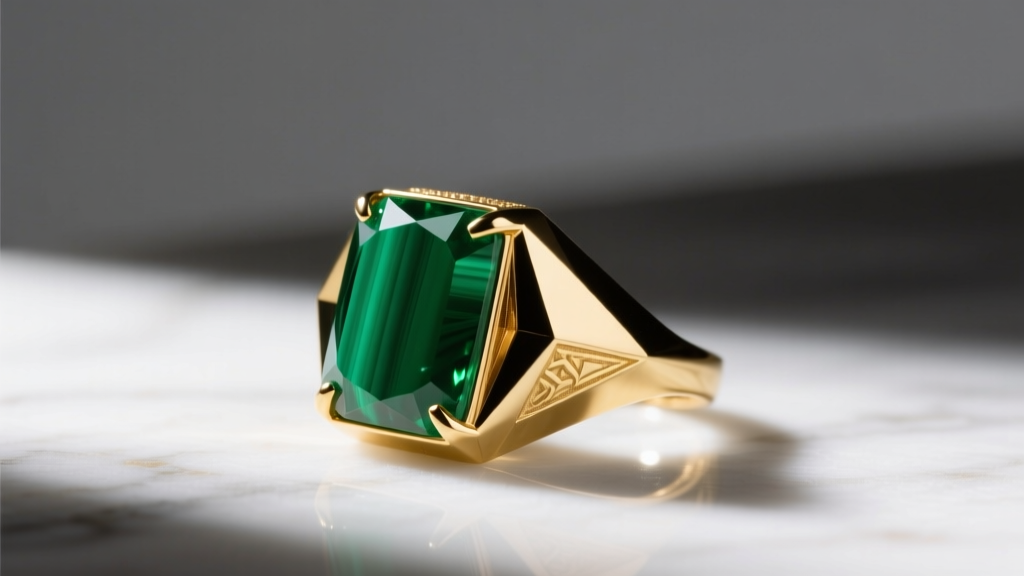
When shopping for statement piece jewelry, the sheer scale and visual weight of the design often mask inferior craftsmanship. Because statement pieces require more metal, larger gemstones, and broader surface areas, the cost-cutting measures used in fast-fashion costume jewelry are magnified. A delicate 14k gold-plated brass chain might survive a season, but a massive brass cocktail ring plated with the same microscopically thin layer of gold will oxidize, turn your skin green, and degrade within weeks due to the high friction and skin acidity it encounters.
To buy statement jewelry that actually functions as a long-term wardrobe investment rather than a disposable accessory, you must look past the initial visual impact and audit the structural integrity. This means understanding the difference between flash-plated costume pieces, high-quality demi-fine vermeil, and solid fine jewelry. In this comprehensive buying guide, we break down the exact material grades, construction metrics, and failure modes you need to evaluate before making a purchase in 2026.
Material Grades: What to Actually Look For
The foundation of any oversized ring, heavy chain, or large-cuff bracelet is its base metal. The base metal dictates the piece's weight, its hypoallergenic properties, and how well it holds onto its outer finish. Here is how the three primary tiers of statement jewelry compare in terms of material science and longevity.
| Quality Tier | Base Metal | Plating / Finish | Avg. Lifespan | Price Range |
|---|---|---|---|---|
| Costume | Brass, Zinc, Nickel Alloys | Flash Plated (< 0.5µm) | 1 - 6 Months | $20 - $80 |
| Demi-Fine | 925 Sterling Silver | Gold Vermeil (2.5µm+) | 2 - 5+ Years | $120 - $450 |
| Fine | Solid 14k or 18k Gold | Solid / No Plating | Lifetime / Heirloom | $800 - $5,000+ |
For most buyers, demi-fine gold vermeil offers the best balance of luxury and accessibility for statement pieces. However, not all vermeil is created equal. According to the Federal Trade Commission (FTC), a piece can only be legally marketed as "gold vermeil" in the United States if the base is strictly 925 sterling silver, the gold plating is at least 10 karat, and the plating thickness is a minimum of 2.5 microns. Many overseas manufacturers use the term "vermeil" loosely for silver bases plated with only 0.5 microns of gold, which will wear through to the silver underneath in a matter of months on high-friction statement rings.
Construction Red Flags & Structural Failure Modes
Scale introduces structural vulnerability. A 5mm pendant is unlikely to snap its bail, but a 40mm geometric pendant exerts significant leverage on its connection points. When inspecting statement piece jewelry, either in person or via high-resolution macro photos online, look out for these specific construction red flags:
1. Glued vs. Set Gemstones
Large statement stones (like 20mm+ cubic zirconia, onyx, or mother of pearl) are frequently glued into their settings using epoxy resin in lower-tier jewelry. The Gemological Institute of America (GIA) notes that adhesive settings are highly susceptible to degradation from UV exposure, temperature fluctuations, and contact with skin oils or perfumes. Always look for mechanical settings. A bezel setting (where a continuous rim of metal wraps around the stone's girdle) is the most secure option for large, flat statement stones, as it protects the edges from chipping and prevents the stone from dislodging if the piece is dropped.
2. Jump Ring Integrity
The jump ring is the small circular loop connecting a pendant to a chain or a charm to a bracelet. In cheap statement jewelry, these are "open" jump rings—meaning there is a slit in the metal. Under the heavy weight of a statement pendant, an open jump ring will easily pull apart, resulting in a lost piece. High-quality demi-fine and fine jewelry will use soldered jump rings (where the slit is fused shut with a laser or torch) or oval jump rings, which distribute tension away from the split.
3. Clasp Weight Ratios
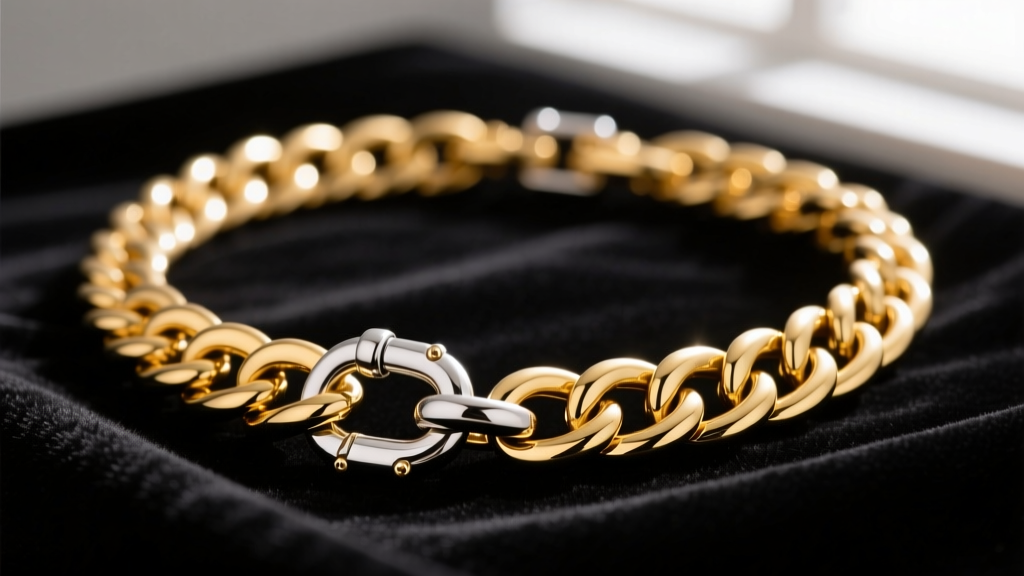
A common failure mode in heavy statement chains is a clasp that is too weak or light for the chain's mass. A 60-gram Cuban link chain cannot be secured by a standard 10mm spring ring clasp; the internal spring mechanism will fail under the dynamic tension of movement. Look for oversized lobster clasps (15mm or larger) or secure toggle clasps where the T-bar is at least 20% wider than the interior diameter of the receiving loop to prevent accidental slip-throughs.
Weight, Proportion, and Wearability Metrics
A piece of jewelry can be visually striking without being physically punishing. When buying oversized earrings or heavy cuffs, you must consider the biomechanics of how the piece interacts with your body.
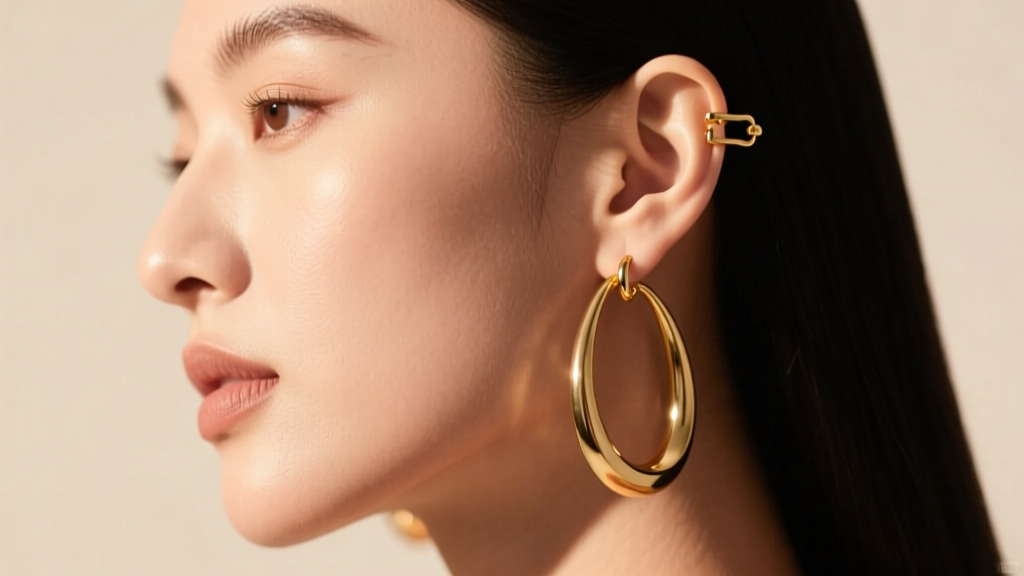
- Earring Weight Limits: A standard earlobe piercing (typically 18-gauge or 16-gauge) can comfortably support up to 15 to 20 grams of weight before the piercing begins to migrate, stretch, or cause micro-tears. If a statement earring exceeds 20 grams, ensure the design incorporates an ear cuff to distribute the weight up the cartilage, or utilizes a flat-back post with a secure silicone or screw-back friction stopper rather than a traditional butterfly back, which will droop under heavy loads.
- Cuff Bracelet Tension: Wide statement cuffs made of solid brass or silver can be incredibly rigid. If the metal is too thick (over 3mm) and lacks a proper inner curvature, attempting to bend it to fit your wrist can cause the metal to snap or the decorative enamel/stones on the surface to crack. Look for cuffs that are die-struck or cast with a slight ergonomic taper.
- Pendant Counterbalancing: For heavy statement pendants, the chain must be substantial enough to counterbalance the drop. A general rule of thumb is that the chain's weight should be at least 50% of the pendant's weight to prevent the clasp from constantly sliding to the front of your neck.
Pricing Tiers and Where to Invest
Understanding the realistic pricing for statement piece jewelry in 2026 helps you identify suspicious bargains and overpriced costume pieces. Because statement pieces require significantly more raw materials and longer casting/finishing times, the price gap between costume and demi-fine is more pronounced than it is with delicate, minimalist jewelry.
The 2026 Pricing Reality Check: If a brand is selling a massive, intricate gold cocktail ring featuring a large semi-precious stone for $45, it is unequivocally brass with flash plating and glued stones. True 925 sterling silver base rings with 2.5-micron 18k gold vermeil and mechanically set stones require a minimum of $120 to $180 in raw materials and labor alone. Expect to pay between $150 and $350 for high-quality demi-fine statement rings and cuffs from reputable direct-to-consumer brands.
Invest your budget in pieces that sit close to the skin and experience high friction, such as statement rings and wide bangles, by opting for solid 14k gold or heavy vermeil. For pieces that experience less friction, such as bold, oversized drop earrings or occasional-wear sculptural necklaces, high-quality demi-fine vermeil is a perfectly acceptable and cost-effective choice.
The Final Inspection Checklist
Whether you are unboxing a new online order or examining a piece in a boutique, run through this rapid structural audit before committing to a statement piece:
- Check the Stamp: Look for a "925" stamp on the interior of rings or the back of clasps to verify the sterling silver base required for true vermeil.
- The Tug Test: Gently tug on the bail (the loop holding the pendant) and any attached charms. There should be zero lateral wiggle or gaping in the jump rings.
- Inspect the Prongs/Bezel: Run a piece of silk or fine cotton over the stone settings. If the fabric snags, the prongs are poorly filed or the bezel is incomplete.
- Assess the Interior Finish: The inside of a statement ring or cuff should be polished smooth. Rough, porous, or pitted interiors indicate cheap, unpolished castings that will trap moisture, bacteria, and accelerate skin discoloration.
By prioritizing structural integrity, precise material grades, and biomechanical comfort, you can curate a collection of statement piece jewelry that commands attention not just for its bold design, but for its undeniable, enduring quality.


