The Definitive Costume Jewelry Guide: Materials & Value
Discover our expert costume jewelry guide covering base metals, plating thickness, gemstone simulants, and how to spot quality pieces that last.

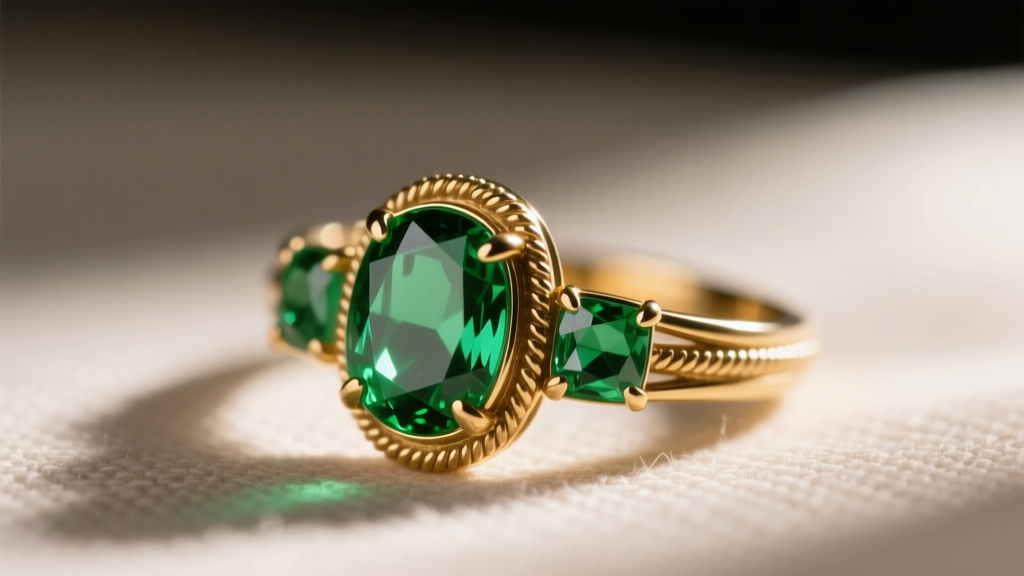
Redefining Costume Jewelry: Beyond the Bargain Bin
The term "costume jewelry" often conjures images of flimsy, fast-fashion accessories destined to tarnish after a single wear. However, as we navigate the fashion landscape of 2026, the line between fashion and fine jewelry has blurred significantly. High-end costume jewelry—often referred to as fashion or bridge jewelry—relies on sophisticated metallurgy, advanced plating techniques, and meticulous stone-setting. This comprehensive costume jewelry guide will equip you with the technical knowledge to evaluate base metals, understand plating microns, and identify hardware that ensures longevity, allowing you to build a curated collection that withstands the test of time.
Base Metals: The Foundation of Wearability
The lifespan of any fashion piece is dictated by its core material. Unlike fine jewelry, which uses solid precious metals, costume jewelry relies on base metals. Understanding the difference between these alloys is the first step in separating quality investments from disposable trinkets.
Brass vs. Zinc Alloy vs. Stainless Steel
Brass (an alloy of copper and zinc) remains the gold standard for luxury costume jewelry houses like Chanel and Dior. It is highly malleable, allowing for intricate casting and detailed milgrain work. However, unsealed brass can oxidize and cause skin discoloration. Zinc alloy, commonly known as Zamak, is heavily used in mid-tier and fast-fashion pieces. While it is inexpensive and casts well, Zamak is notoriously brittle; drop a Zamak ring on a hard surface, and it is likely to shatter. Conversely, 316L stainless steel has emerged as the premier base for modern, waterproof fashion jewelry. It is hypoallergenic, highly durable, and resistant to tarnish, though it is harder to cast into ultra-delicate designs.
| Base Metal | Durability | Tarnish Resistance | Common Use Case |
|---|---|---|---|
| Brass | High (Malleable) | Low (Requires sealing) | Luxury designer fashion pieces |
| Zinc Alloy (Zamak) | Low (Brittle) | Medium | Mass-market fast fashion |
| 316L Stainless Steel | Very High | Very High | Waterproof everyday essentials |
| Pewter | Medium (Soft) | Medium | Vintage-style charms and pendants |
Plating and Finishes: Why Microns Matter
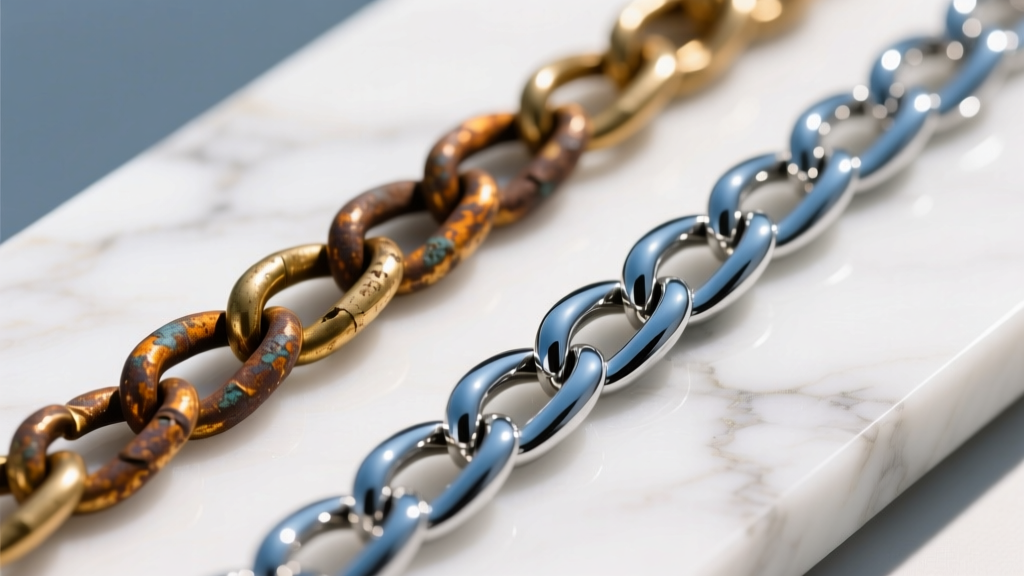
The most critical point of failure in costume jewelry is the plating. When a piece turns your skin green or fades to a dull copper color, the plating has failed. According to the Federal Trade Commission (FTC) Jewelry Guides, specific terminology dictates the thickness and quality of the gold layer applied to the base metal.
Flash Plating vs. Electroplating vs. PVD
Flash plating is a cost-cutting measure where a microscopic layer of gold (usually less than 0.05 microns) is applied. This will wear off within weeks of regular friction. Standard gold electroplate must be at least 0.175 microns thick, while "Heavy Gold Electroplate" requires a minimum of 2.5 microns. For the modern buyer, Physical Vapor Deposition (PVD) is the superior technology. PVD bonds titanium nitride or real gold to the base metal at a molecular level in a vacuum chamber, creating a finish that is up to 10 times more durable than traditional wet electroplating and highly resistant to sweat and perfumes.
- Flash Plated: < 0.05 microns (Avoid for daily wear)
- Gold Electroplate: 0.175 microns (Suitable for occasional wear)
- Heavy Gold Electroplate: 2.5+ microns (Excellent longevity)
- PVD Coated: Molecular bond (Best for waterproof, everyday wear)
Simulated Gemstones: Glass, Resin, and Cubic Zirconia
Costume jewelry rarely uses natural, mined gemstones, opting instead for simulants. The Gemological Institute of America (GIA) notes that while simulants mimic the appearance of natural stones, their optical properties and hardness vary wildly. Cubic Zirconia (CZ) is the most common diamond simulant, offering high refractive index and excellent hardness (8.5 on the Mohs scale). However, the cut of the CZ matters immensely. Machine-cut CZs often lack the precise facet alignment of hand-cut stones, resulting in a "flat" or glassy appearance.
Evaluating Stone Settings
The true mark of quality in a costume jewelry guide is how the stones are secured. High-end pieces utilize prong settings, bezels, or channel settings—techniques borrowed directly from fine jewelry manufacturing. Avoid pieces where stones are merely glued into place. Over time, the adhesive degrades when exposed to body heat, lotions, and water, leading to lost stones. Additionally, check the foil-backing on glass stones; if the backing is exposed to moisture, it will quickly oxidize and turn black, ruining the stone's brilliance.
Hardware and Clasps: The True Test of Quality
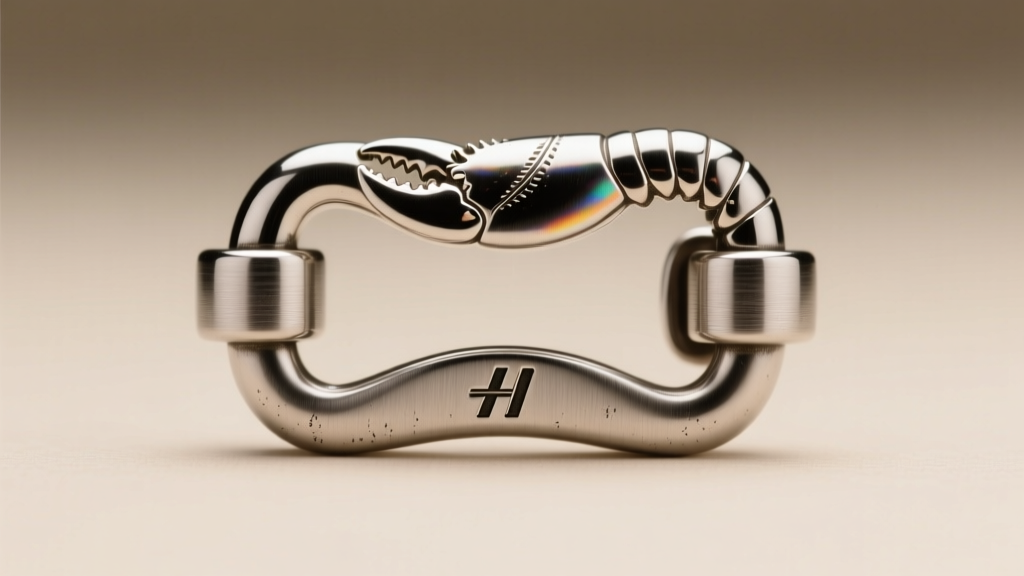
Hardware is where manufacturers often cut corners, but it is the most vital component for security and comfort. A heavy, beautifully cast pendant is useless if it hangs from a flimsy, hollow spring-ring clasp that snaps under pressure. Look for solid stainless steel or brass lobster clasps with a smooth, spring-loaded mechanism. For chains, inspect the jump rings; they should be soldered shut or feature a secure interlocking mechanism to prevent the chain from pulling apart.
When evaluating earrings, the post material is paramount. Even if the earring face is brass, the post that pierces your skin should be surgical steel, titanium, or solid gold to prevent contact dermatitis. Butterfly friction backs should have a tight, secure grip, while heavier statement pieces should utilize screw-backs or lever-backs to distribute the weight evenly and prevent the earring from drooping or falling out.
Pricing Tiers: What Should You Actually Pay?
Understanding the market tiers helps you assess whether a piece is priced fairly based on its materials and construction. While brand prestige inflates prices, the physical quality should align with the cost.
Expert Insight: When shopping vintage costume jewelry from the 1950s to 1980s, look for unmarked or signed pieces from defunct American manufacturers like Trifari, Miriam Haskell, or Coro. Their heavy gold wash and hand-set rhinestones often outlast modern mid-tier fashion pieces, offering superior value on the secondary market.
Market Breakdown
- Fast Fashion ($10 - $35): Typically Zamak base, flash plating, glued-in acrylic or glass stones. High failure rate; treat as disposable.
- Mid-Tier / Boutique ($40 - $150): Brass or stainless steel base, 1-micron electroplating or standard PVD, prong-set CZ. Good for trend-driven pieces and seasonal wear.
- Luxury Designer Costume ($300 - $1,200+): Premium brass base, heavy gold electroplate (2.5+ microns), hand-set Swarovski or precision-cut CZ, enamel work. Designed as heirloom-fashion pieces.
Conclusion: Building a Curated Collection
Navigating the world of fashion accessories requires a discerning eye and an understanding of the materials involved. By prioritizing solid brass or stainless steel bases, demanding PVD or heavy electroplating, and inspecting the integrity of stone settings and hardware, you can confidently acquire pieces that offer both aesthetic brilliance and structural endurance. Use this costume jewelry guide as your benchmark, and transform your jewelry box into a curated gallery of enduring style.


