What Is Costume Jewelry? A 2026 Value & Budget Guide
Discover what costume jewelry is, how to assess its true value, and master budget shopping with our expert material and cost-per-wear analysis.

Defining the Category: What Is Costume Jewelry?
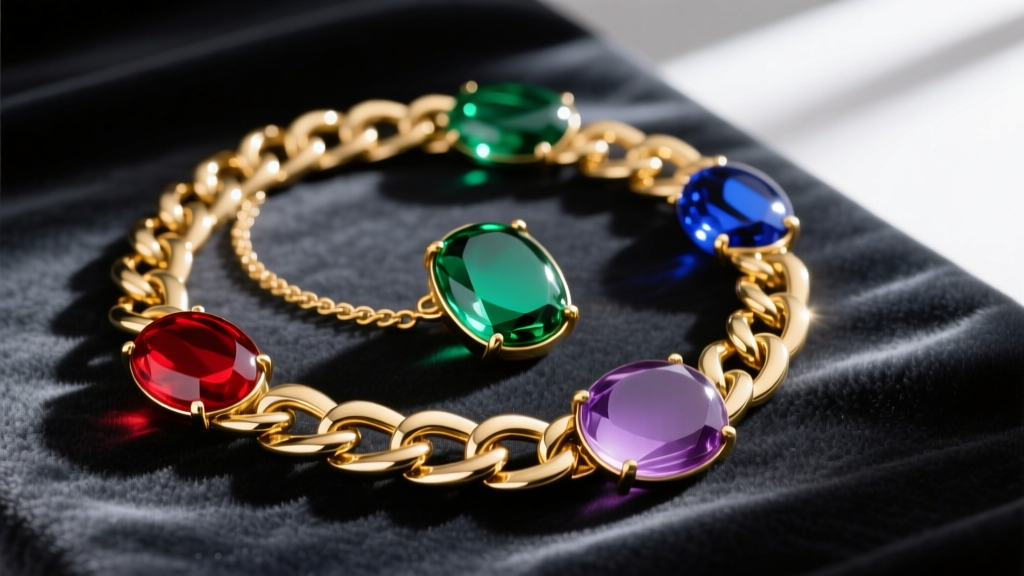
When navigating the modern accessories market, a common question among budget-conscious collectors and style enthusiasts is: what is costume jewelry? At its core, costume jewelry (often interchangeably called fashion jewelry) refers to decorative accessories crafted from non-precious base metals, alloys, and simulated gemstones rather than solid gold, platinum, or naturally mined precious gems. Historically, the term originated in the 1920s when Coco Chanel popularized bold, accessible accessories designed to complement specific "costumes" or outfits, liberating women from the stuffy conventions of heirloom fine jewelry. According to The Metropolitan Museum of Art, this movement transformed jewelry from a mere store of wealth into an expressive, disposable, and seasonal fashion tool. Today, in 2026, costume jewelry spans a massive spectrum—from $12 fast-fashion zinc-alloy rings to $2,500 collectible vintage Chanel gripoix glass brooches. Understanding this spectrum is the key to mastering budget and value assessment.
The Metallurgy of Budget Jewelry: Base Metals and Plating
To accurately assess the value of any costume piece, you must look past the aesthetic and examine the metallurgical foundation. Unlike fine jewelry, which relies on the intrinsic value of its materials, costume jewelry relies on manufacturing techniques to mimic luxury.
Common Base Metals
- Brass (Copper/Zinc Alloy): The industry standard for mid-tier costume jewelry. It is malleable, takes plating well, and has a natural yellow hue that mimics gold. However, the copper content reacts with human sweat (specifically chlorides and sulfides), resulting in the infamous "green skin" effect.
- Pot Metal (Zinc Alloy/White Metal): A cheap, brittle blend of zinc, lead, tin, and antimony used heavily in fast fashion. It is prone to "outgassing," a chemical degradation where trapped gases cause the metal to pit, crack, and flake over time.
- Surgical Stainless Steel: Increasingly popular in 2026 budget lines. While technically a base metal, it is highly resistant to tarnish and hypoallergenic, making it a superior budget choice for sensitive skin, though it lacks the traditional weight and warmth of brass.
The Reality of Flash Plating
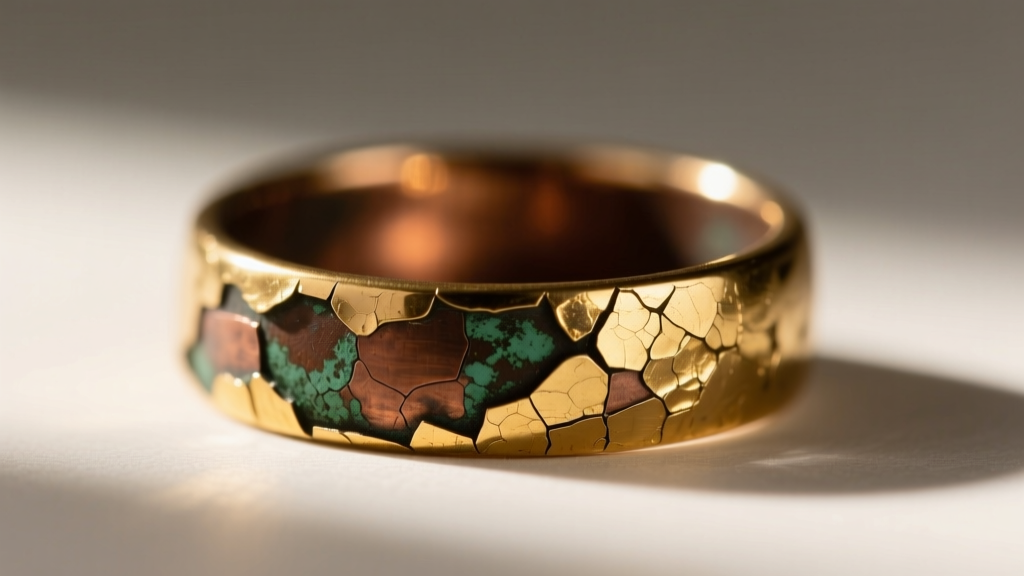
The golden or silver finish on costume jewelry is achieved through electroplating. In the costume tier, manufacturers use "flash plating," which deposits a microscopic layer of gold or rhodium typically measuring between 0.1 and 0.5 microns. By contrast, high-quality demi-fine vermeil requires a minimum of 2.5 microns of gold over sterling silver. Flash plating is highly susceptible to friction and chemical degradation, meaning a brass ring worn daily will typically expose its base metal within three to six months.
Simulants and Stones: Glass, Resin, and CZ
The Gemological Institute of America (GIA) categorizes gem simulants as materials that mimic the appearance of natural gems without sharing their chemical or physical properties. In costume jewelry, these simulants dictate both the price point and the longevity of the piece.
- Cubic Zirconia (CZ): A dense, optically brilliant synthetic stone (Mohs hardness 8-8.5). While durable, in costume jewelry, CZs are often glued into settings rather than prong-set, leading to high stone-loss rates upon impact.
- Crystal and Lead Glass: Brands like Swarovski use precision-cut lead glass to achieve high refraction. Vintage pieces often feature foil-backed glass cabochons; if moisture breaches the setting, the foil oxidizes, turning the stone black or cloudy.
- Acrylic and Resin: Molded plastics used for chunky, oversized statement pieces. While lightweight and inexpensive, acrylic scores a mere 2-3 on the Mohs scale and will accumulate micro-scratches rapidly, dulling its finish within a single season.
The 2026 Costume Jewelry Value Matrix
Not all costume jewelry holds the same economic weight. To determine if a piece is a smart budget allocation, cross-reference it with this value matrix.
| Tier | Typical Price Range | Materials & Construction | Expected Lifespan | Resale Value |
|---|---|---|---|---|
| Fast Fashion | $5 - $45 | Zinc alloys, flash plating, glued acrylic/CZ | 1 - 6 Months | 0% (Landfill bound) |
| Mid-Tier Contemporary | $50 - $150 | Brass base, thicker micron plating, prong-set CZ | 1 - 3 Years | 5% - 15% |
| Luxury Designer Costume | $400 - $1,500+ | Brass/Bronze, Gripoix glass, enamel, branded hardware | 10+ Years (with care) | 40% - 80% |
| Vintage Collectible | $100 - $2,000+ | Trifari, Miriam Haskell, Dior (1950s-1980s) | 50+ Years (already proven) | 100%+ (Appreciates) |
Calculating Cost-Per-Wear (CPW) for Fashion Jewelry
When assessing budget jewelry, the initial price tag is a vanity metric. The true assessment tool is Cost-Per-Wear (CPW). The formula is simple: Total Cost ÷ Estimated Number of Wears = CPW.
Consider a $35 fast-fashion necklace with a zinc pendant. Due to rapid tarnishing and clasp failure, you wear it 10 times before it degrades. Your CPW is $3.50. Now, consider a $250 vintage Trifari brooch from the 1960s. Because it was constructed with heavy gold electroplating and prong-set rhinestones, you wear it 50 times a year for five years (250 wears). Your CPW is $1.00. Furthermore, the Trifari piece retains its $250 resale value, making its net cost effectively zero. From a purely financial perspective, investing in high-end or vintage costume jewelry is vastly superior to repeatedly purchasing fast fashion.
When High-End Costume Makes Sense
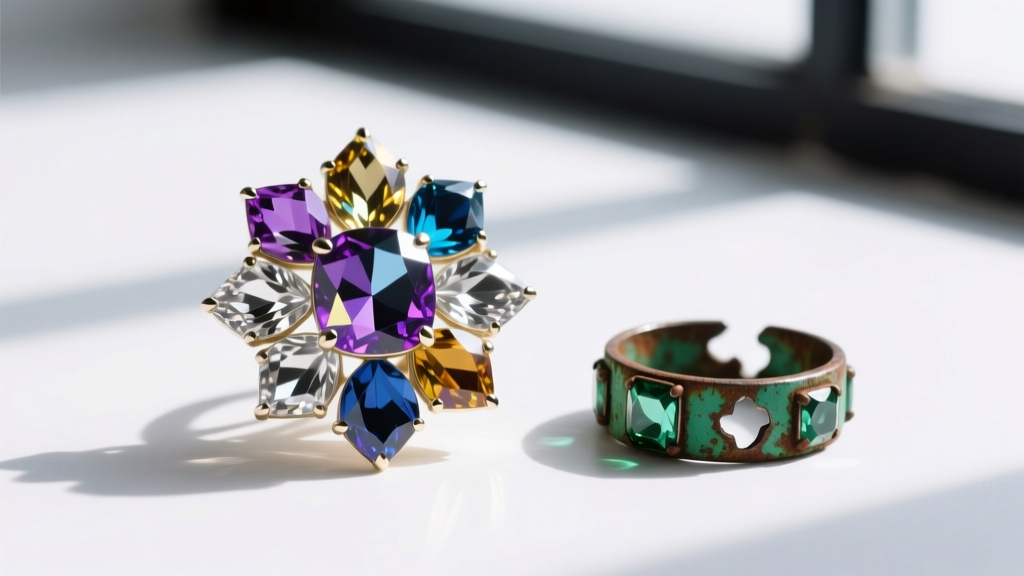
Allocating $500+ to a designer costume piece (like Chanel or Dior) is financially justifiable if you view it as a brand-asset purchase. These pieces carry immense cultural cachet, feature proprietary techniques (like Chanel's poured glass), and hold robust secondary market value on platforms like The RealReal or Vestiaire Collective. They are "budget" alternatives to the brand's $20,000 fine jewelry lines, granting access to the house's aesthetic codes without the precious metal markup.
When to Stick to Fast Fashion
Fast fashion costume jewelry is only a valid budget choice for "micro-trends"—hyper-specific, exaggerated silhouettes that you intend to wear for a single season or a specific event. If a piece relies on a fleeting aesthetic (e.g., oversized neon resin hoops) rather than timeless design, spending over $40 is a poor allocation of capital.
Common Failure Modes and Troubleshooting
To protect your budget, you must anticipate how costume jewelry degrades. According to industry analysis by Jewelers of America, the vast majority of fashion jewelry returns and complaints stem from three specific failure modes:
- Galvanic Corrosion: When flash-plated brass comes into contact with moisture and salt (sweat), an electrochemical reaction eats through the plating. Troubleshooting: Coat the interior of rings and bracelets with a thin layer of clear, flexible nail polish or a specialized jewelry barrier sealant to block moisture transfer.
- Adhesive Degradation: Simulant stones in sub-$100 jewelry are rarely prong-set; they are glued using cyanoacrylate or epoxy. Exposure to hand sanitizers, perfumes, and UV light turns these adhesives brittle. Troubleshooting: Never spray perfume directly onto a piece, and avoid wearing glued costume jewelry in high-humidity environments like saunas or tropical vacations.
- Clasp Spring Fatigue: The tiny steel springs inside lobster claws and jump rings on budget pieces are made of low-grade steel that loses tension quickly. Troubleshooting: Have a local jeweler swap out cheap base-metal clasps for solid stainless steel or sterling silver clasps—a $15 repair that extends the life of a necklace by years.
Verdict: Is Costume Jewelry Worth Your Budget?
Ultimately, answering "what is costume jewelry" requires looking beyond the lack of precious metals. It is a medium of design, history, and personal expression. As a budget strategy, the modern consumer should abandon the "buy cheap, buy often" fast-fashion cycle. Instead, redirect that budget toward mid-tier contemporary brands that use surgical steel or heavy brass, or pivot entirely to the vintage market, where the craftsmanship of mid-century costume jewelry offers unparalleled cost-per-wear and enduring style.
Expert Takeaway: True value in costume jewelry is not found in the intrinsic materials, but in the quality of the plating, the security of the stone settings, and the historical significance of the maker. Buy less, buy heavier, and always check the clasp.


