How to Invest in Luxury Jewelry Trends 2026: A Step-by-Step Guide
Master the luxury jewelry trends 2026 with our step-by-step investment guide. Learn to curate, verify, and allocate your fine jewelry portfolio.

The Paradigm Shift in Fine Jewelry Investment
The landscape of high-end adornment has fundamentally shifted. As we navigate the luxury jewelry trends 2026, the distinction between static heirlooms and dynamic, engineered assets has never been clearer. Today's sophisticated collectors are no longer solely focused on traditional carat weight or legacy brand names; they are prioritizing metallurgical innovation, modularity, and verifiable provenance. Whether you are transitioning from demi-fine pieces into serious fine jewelry or looking to reallocate an existing vault, understanding how to strategically invest in this year's defining trends is crucial.
This comprehensive, step-by-step guide will walk you through auditing your current collection, identifying the most lucrative 2026 design and material trends, and applying a rigorous allocation framework to future-proof your jewelry portfolio.
Step 1: Audit and Liquidate Legacy Pieces
Before acquiring new assets, you must evaluate your current holdings. The first step in capitalizing on the luxury jewelry trends 2026 is identifying 'dead capital'—pieces that no longer align with modern craftsmanship standards or current aesthetic trajectories.
- Calculate Melt vs. Premium: Weigh your unworn 14k and 18k gold pieces. With gold baselines remaining robust, liquidating outdated, mass-cast jewelry from the early 2010s can provide significant capital. Separate items with high craftsmanship premiums (e.g., signed pieces from Van Cleef & Arpels or Cartier) from those that only hold scrap value.
- Assess Stone Quality: If you possess natural diamonds in the I1-I3 clarity range with strong fluorescence, consider having them removed and sold separately, then melting down the settings. These lower-tier natural stones have seen the steepest depreciation due to the rise of high-purity lab-grown alternatives.
- Reallocate Capital: Funnel the liquidity from these sales directly into your 2026 acquisition budget, ensuring your capital is working in assets with strong retention value.
Step 2: Target the Big Three 2026 Luxury Trends
To build a resilient collection, you must invest in trends that represent genuine advancements in jewelry engineering and material science, rather than fleeting aesthetic fads. Here are the three core pillars defining the luxury jewelry trends 2026.
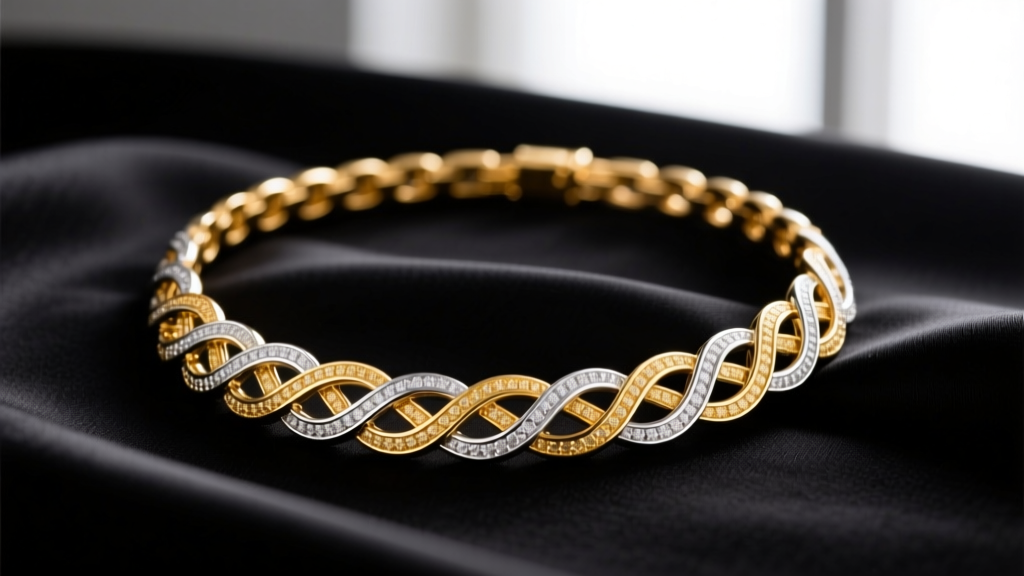
1. Bi-Metal Casting and Mixed Alloys
The seamless integration of disparate precious metals is the hallmark of 2026's top-tier collections. Historically, fusing 18k yellow gold (melting point ~1064°C) with PT950 platinum (melting point ~1768°C) resulted in brittle joints. Today, advanced laser-welding and localized induction casting allow houses to create unified, structurally sound bi-metal pieces. When shopping, look for rings and bangles that feature a platinum interior band (for hypoallergenic durability and tensile strength) seamlessly bonded to an 18k gold or palladium exterior. This not only provides a striking two-tone aesthetic but significantly increases the structural longevity of the piece.
2. High-Joaillerie Modular Engineering
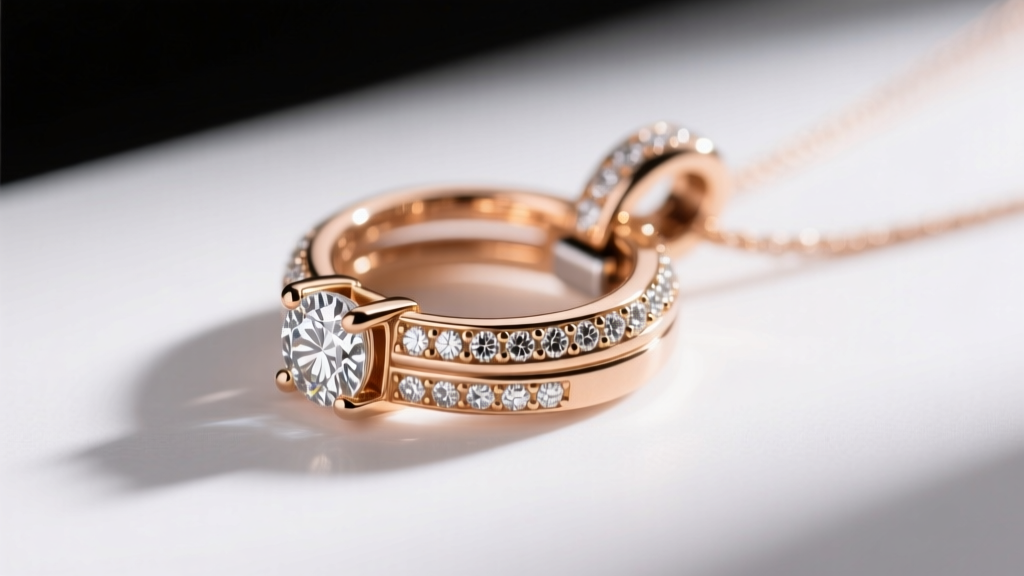
Modularity has evolved from costume jewelry gimmicks to high-end mechanical engineering. The luxury jewelry trends 2026 heavily feature convertible pieces—such as sautoir necklaces that break down into chokers and matching bracelets, or pendants with detachable halos. The key to investing here is the clasp mechanism. Avoid traditional spring-ring or lobster clasps for modular connections. Instead, seek out pieces utilizing hidden magnetic bayonet clasps or tension-fit micro-pavé hinges. According to the Bain & Company Luxury Studies, consumers are increasingly valuing versatility, making mechanically complex, multi-wear fine jewelry highly liquid on the secondary market.
3. Blockchain-Verified Type IIa Lab-Grown Diamonds
The stigma surrounding lab-grown diamonds has entirely evaporated in the luxury sector, replaced by a demand for absolute chemical purity and ethical transparency. The focus for 2026 is on Type IIa lab-grown diamonds—the purest form of diamond, lacking measurable nitrogen impurities. When set in heavy 18k or 22k bezel settings, these stones offer unmatched brilliance. Crucially, luxury investments in this space require digital provenance. Ensure the piece comes with a digital passport via platforms like the Gemological Institute of America (GIA) blockchain registry, verifying the stone's origin, cut specifications, and carbon-neutral production metrics.
Step 3: Apply the 50/30/20 Fine Jewelry Allocation Framework
Treating your jewelry wardrobe as an alternative asset class requires a disciplined allocation strategy. To balance wearability, aesthetic impact, and long-term value retention, apply the 50/30/20 framework to your 2026 acquisition budget.
| Asset Class | Allocation | Material Grade & Specifications | 2026 Price Range | Liquidity Score |
|---|---|---|---|---|
| Core Bi-Metal Staples | 50% | 18k Gold / PT950 Platinum, VS+ Diamonds | $4,500 - $15,000 | High (8/10) |
| Modular Statement Pieces | 30% | 18k Rose Gold, Mechanical Hinges, Sapphires | $8,000 - $25,000 | Medium (6/10) |
| Type IIa Lab-Grown Solitaires | 20% | 22k Bezel, 3ct+ Type IIa, Digital Passport | $3,000 - $10,000 | Medium (5/10) |
This matrix ensures that the bulk of your capital is tied to inherently valuable, highly liquid precious metals, while still allowing for the acquisition of complex, trend-forward engineering and modern stone alternatives.
Step 4: Verify Provenance and Material Grades
The luxury jewelry trends 2026 place a massive premium on verifiable authenticity. As manufacturing techniques become more sophisticated, so do counterfeiting methods. Never rely solely on visual inspection or a brand's stamped hallmark.
'The modern collector does not just buy jewelry; they acquire engineered assets. Provenance and modularity are the new carat weight.'
— 2026 Global Fine Jewelry Market Report
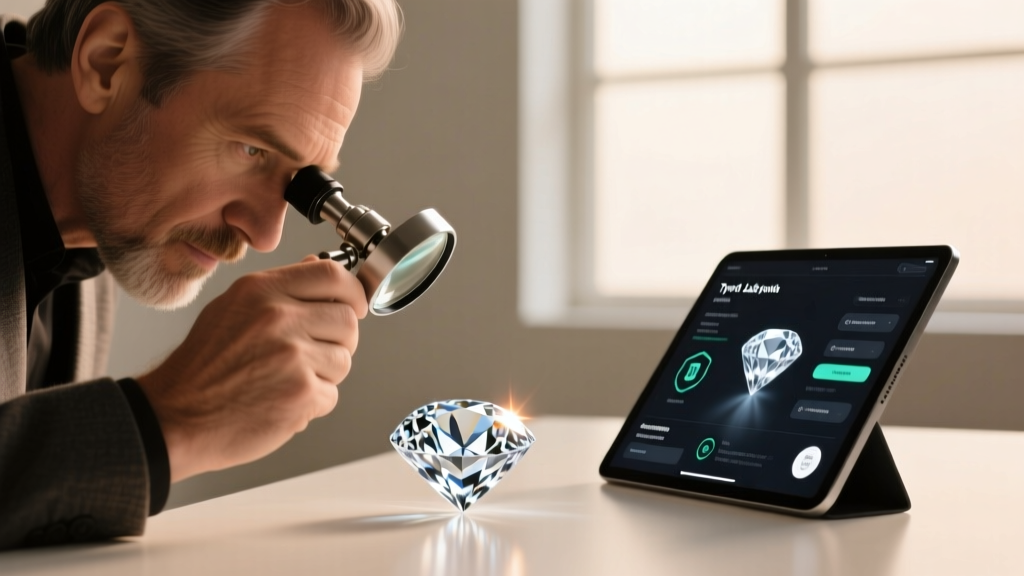
When evaluating a potential acquisition, mandate an XRF (X-ray fluorescence) test if purchasing from a secondary dealer. XRF analysis will confirm the exact elemental breakdown of the alloy, ensuring that an 18k white gold piece is indeed alloyed with palladium rather than nickel (which is increasingly restricted due to allergen concerns). Furthermore, for any piece featuring diamonds over 0.50 carats, require a laser inscription on the girdle that matches the accompanying digital or physical grading report.
Step 5: Update Insurance and Appraisal Documentation
The final, often overlooked step in investing in fine jewelry is securing your assets properly. The luxury jewelry trends 2026, particularly modular and bi-metal pieces, present unique challenges for traditional insurance appraisals. A standard replacement-value policy may not account for the specialized labor required to repair a hidden magnetic bayonet clasp or a laser-welded platinum-gold joint.
Work with a specialized jewelry appraiser who understands modern metallurgical engineering. Ensure your scheduled personal property endorsement explicitly covers the mechanical components of modular pieces and lists the specific digital provenance tokens associated with your Type IIa diamonds. By meticulously documenting the engineering and material grades of your acquisitions, you protect your investment against both physical loss and market depreciation.
Final Thoughts on Future-Proofing Your Collection
Navigating the luxury jewelry trends 2026 requires a departure from passive purchasing and an embrace of active, educated curation. By auditing your legacy pieces, targeting genuine advancements in bi-metal casting and modular engineering, and rigorously verifying material provenance, you transform your jewelry box into a robust, future-proof portfolio. Fine jewelry is no longer just about adornment; it is a testament to material science, mechanical precision, and strategic investment.


