What Is Statement Jewelry? A Budget & Value Guide
Discover what is statement jewelry through a value lens. Learn to assess materials, construction quality, and cost-per-wear for bold pieces.

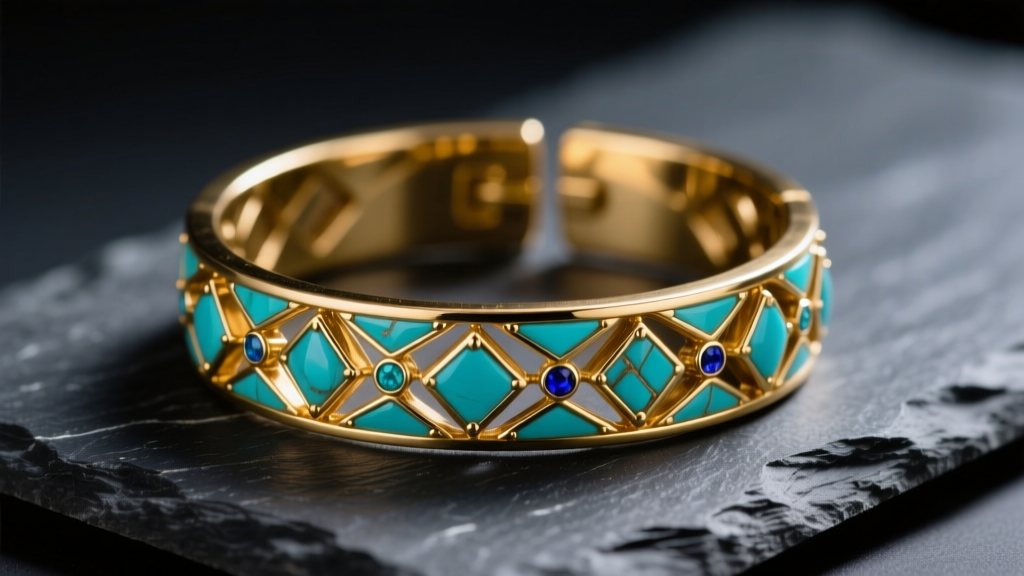
When building a curated wardrobe, bold accessories often serve as the anchor of an outfit. But when you start researching high-impact pieces, a common question arises: what is statement jewelry from a financial and qualitative perspective? While the fashion industry defines it by visual dominance and scale, a savvy buyer must define it by material integrity, structural engineering, and cost-per-wear. A massive, poorly constructed resin collar is a liability, while a meticulously engineered demi-fine cuff is an asset.
This guide strips away the marketing fluff to help you evaluate statement pieces based on metallurgy, weight distribution, and long-term value. Whether you are eyeing a $400 designer acrylic necklace or a $250 heavy-vermeil cocktail ring, understanding the true cost of bold jewelry is essential for smart budgeting.
Defining the Category: Visual Weight vs. Physical Value
At its core, statement jewelry is designed to command attention through scale, color, or architectural complexity. However, the leap from 'costume' to 'investment' relies on how the piece manages its physical properties. A 150-gram brass collar necklace requires entirely different engineering than a delicate 5-gram chain. When assessing value, you must look past the silhouette and examine how the piece handles its own mass. Does the clasp support the weight? Is the plating thick enough to withstand the friction of a heavy piece resting against the skin? These are the metrics that separate disposable fashion from enduring style.
The Material Hierarchy in Statement Pieces
Because statement jewelry requires a high volume of material, fine metals (solid 18k gold or platinum) are often prohibitively expensive, pushing designers toward alternative bases. Understanding these tiers is crucial for accurate budget assessment.
| Material Tier | Common Base & Finish | Price Range | Expected Lifespan | Value Verdict |
|---|---|---|---|---|
| Costume / High Fashion | Cast brass, pewter, or acrylic with flash plating (0.1 - 0.5 microns) | $150 - $600 | 1 - 3 Years | Low (Paying for brand name, not materials) |
| Demi-Fine / Bridge | Nickel-free brass or 925 sterling silver with heavy vermeil (2.5+ microns) | $180 - $450 | 5 - 15 Years | High (Best balance of visual impact and longevity) |
| Artisan / Mixed Media | Oxidized bronze, carved stone, or machined Lucite with solid metal hardware | $250 - $800 | 10+ Years | Medium-High (Depends heavily on hardware quality) |
According to the Gemological Institute of America (GIA), proper care and understanding of metal alloys are vital, especially for pieces that sit flush against the skin, as acidic body chemistry can rapidly degrade thin flash plating on heavy brass bases.
Cost-Per-Wear (CPW) Analysis: The Resin Trap
To truly understand what is statement jewelry in terms of ROI, apply the Cost-Per-Wear formula: Total Price / (Estimated Annual Wears × Years of Lifespan).
The Acrylic and Resin Dilemma
Many luxury fashion houses release statement earrings and cuffs made of cast acrylic or resin, priced between $300 and $700. While visually striking, cast acrylic is highly susceptible to micro-scratching and UV yellowing. If you buy a $450 resin collar and wear it 20 times over two years before it looks clouded, your CPW is $11.25. Conversely, a $280 sterling silver and enamel geometric cuff worn 50 times a year for a decade yields a CPW of just $0.56. Always prioritize materials that can be polished or re-plated over synthetic polymers.
Heavy Metals: Vermeil vs. Flash Plating
For metallic statement pieces, always verify the plating thickness. The US Federal Trade Commission requires a minimum of 2.5 microns of gold over sterling silver to be legally labeled as 'vermeil.' Many brands sell 'gold-plated brass' statement cuffs that feature less than 0.5 microns of gold. Because heavy pieces experience more friction against clothing and skin, sub-micron plating will wear through to the base metal within a single season.
Construction Red Flags and Biomechanics
When evaluating high-priced statement pieces, structural failure is the most expensive risk. Large jewelry pieces are subject to unique biomechanical stresses that delicate jewelry simply does not face.
Weight Distribution and Earlobe Tearing
Statement earrings often exceed 15 grams per ear. Standard butterfly friction backs are entirely inadequate for this weight and will cause the earring to droop, eventually stretching or tearing the piercing. When budgeting for heavy earrings, ensure they feature an omega-clip backing, a flat-disc screw back, or an articulated lever-back that distributes the load across the cartilage rather than just the lobe.
Clasp Engineering for Heavy Collars
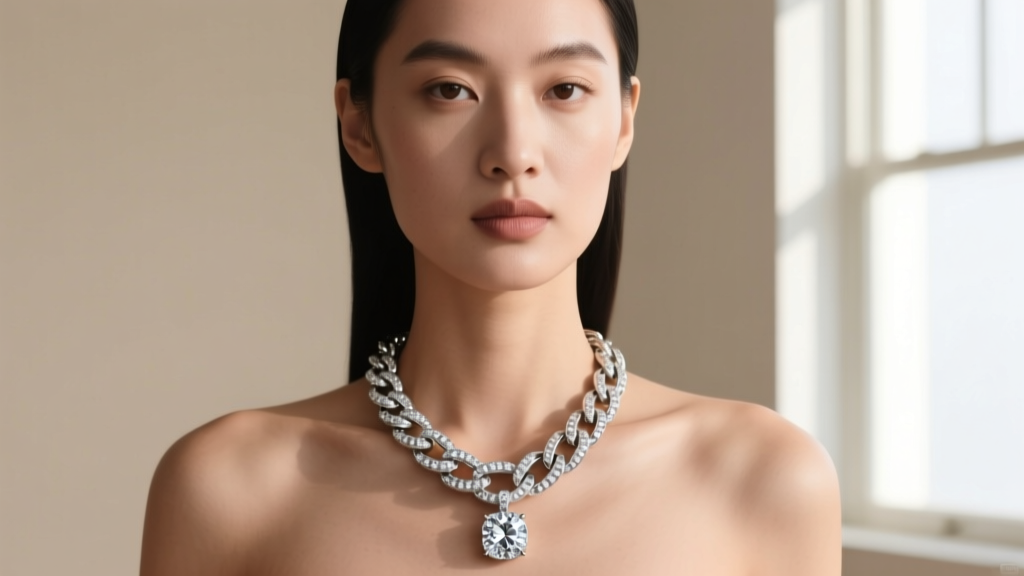
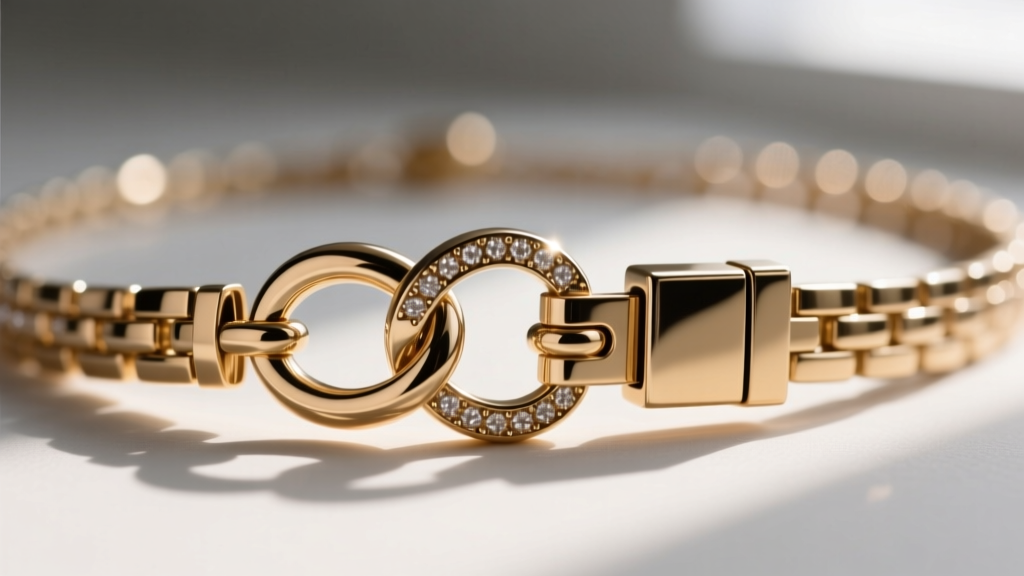
A 100-gram statement chain or collar necklace generates significant kinetic momentum when you move. A standard lobster clasp soldered onto a thin jump ring is a guaranteed failure point. High-value statement necklaces must utilize a custom box clasp with a figure-8 safety catch, or a reinforced magnetic clasp encased in a solid metal housing. Furthermore, all jump rings connecting the clasp to the chain must be soldered shut; unsoldered rings will pull apart under the sheer weight of the piece.
Stone Settings in Oversized Designs
When statement jewelry incorporates large semi-precious stones (like stabilized turquoise, dyed agate, or massive cubic zirconia), the setting method dictates its lifespan. Glued-in stones (cabochon epoxy settings) will inevitably pop out when the heavy metal base flexes slightly during wear. For large stones, look for mechanical settings: bezel settings where the metal is rolled over the stone's edge, or heavy cast prongs. Wire-wrapped prongs on massive stones are a red flag indicating cheap, rapid manufacturing.
Smart Budgeting: Where to Allocate Your Funds
If you are building a collection of bold, conversation-starting accessories, allocate your budget based on the piece's proximity to the skin and its mechanical stress points.
- Splurge on Necklaces and Bracelets: These endure the most friction, sweat, and mechanical stress. Invest in solid sterling silver bases, heavy vermeil, or 316L stainless steel with PVD coating.
- Save on Earrings (with caveats):strong> You can opt for lighter, less expensive materials like anodized aluminum or high-grade acrylic for earrings, provided the posts and backs are surgical steel or solid gold to prevent contact dermatitis.
- Avoid 'Designer' Base Metals: Never pay a luxury markup for raw brass or zinc alloy. As The International Gem Society notes, base metals can cause severe allergic reactions when mixed with sweat, and no brand logo justifies a green stain on your wrist.
"True value in statement jewelry isn't about the carat weight of the gems or the karat of the gold; it's about the architectural integrity of the piece. A well-engineered brass cuff with a palladium barrier and 3-micron gold plating will outlast and outperform a poorly cast solid 10k gold bangle every time."
Final Verdict: Assessing the True Cost of Boldness
Ultimately, answering 'what is statement jewelry' requires looking past the immediate visual shock and evaluating the piece as a wearable structure. By demanding transparent material disclosures, checking clasp engineering, and calculating the true cost-per-wear, you can confidently invest in bold pieces that elevate your style without compromising your financial or aesthetic standards. Focus on demi-fine metals, mechanical stone settings, and weight-appropriate hardware to ensure your statement pieces remain impactful for decades, not just a single season.