Hera Fine Jewelry NYC: Troubleshooting Wear and Repairs
Troubleshoot common wear, prong degradation, and clasp failures in your fine pieces with this expert Hera Fine Jewelry NYC repair and maintenance guide.

The Reality of Daily Wear on Fine Jewelry
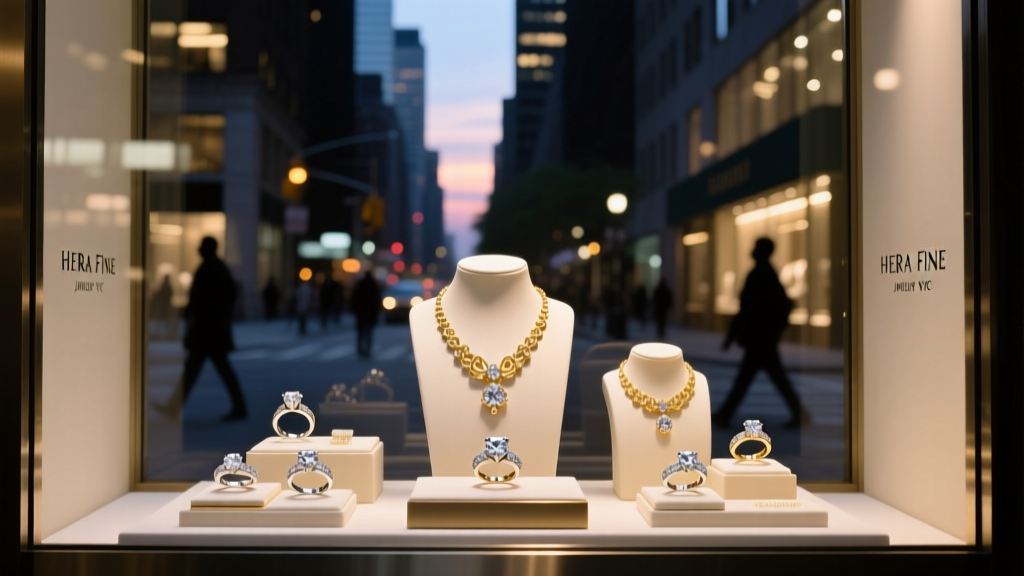
Owning a piece from Hera Fine Jewelry NYC means possessing a masterfully crafted work of art, often sourced from the heart of the Diamond District or designed with bespoke precision. However, fine jewelry is not immune to the laws of physics and chemistry. Daily wear introduces mechanical friction, chemical exposure from cosmetics, and structural stress that can compromise even the highest karat golds and platinum alloys. Troubleshooting these issues requires a deep understanding of metallurgy and bench jewelry techniques. Whether you are dealing with a worn solitaire prong, a yellowing white gold shank, or a failing clasp on a delicate cable chain, this guide provides actionable, expert-level solutions to maintain your investment.
Troubleshooting Prong Degradation and Stone Security
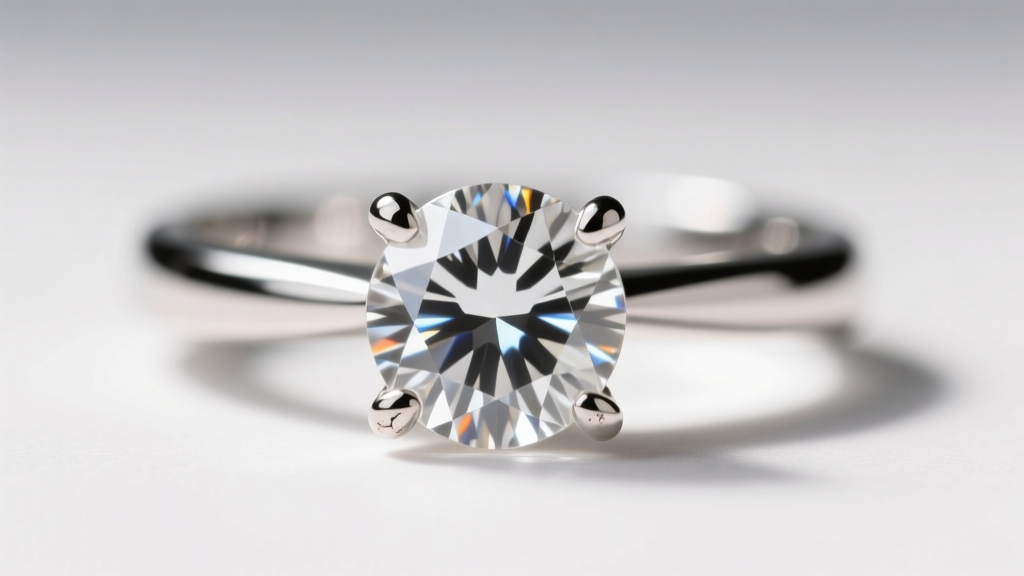
The most critical failure point on any gemstone ring is the prong. Over time, friction against clothing and accidental impacts cause prongs to thin, flatten, or lift away from the stone's crown. According to the Gemological Institute of America (GIA), a prong worn down by just 0.2 millimeters can increase the risk of stone loss by over 40%.
14k vs. 18k Gold vs. Platinum Prongs
Different metals wear at vastly different rates due to their Vickers Hardness (HV) and malleability. 14-karat white gold (approx. 130-150 HV) is highly durable and resistant to bending, but it is brittle; when a 14k prong fails, it tends to snap cleanly. 18-karat yellow gold (approx. 120 HV) is softer and more prone to bending and lifting, requiring more frequent retipping. Platinum 950 (alloyed with 5% Ruthenium) sits around 135 HV but possesses unique tensile strength. Instead of wearing away, platinum displaces. A worn platinum prong can often be burnished and pushed back over the diamond's girdle without adding new metal, whereas gold prongs usually require laser welding to add a new platinum or gold tip.
The Rhodium Plating Dilemma: White Gold Maintenance
White gold is inherently an alloy of yellow gold and white metals like nickel, palladium, or silver. To achieve the brilliant, mirror-like chrome finish associated with fine white gold, it is electroplated with rhodium, a rare platinum group metal. A common troubleshooting issue for NYC jewelry owners is the premature yellowing or dulling of this plating.
- Plating Thickness: Standard commercial plating is often a mere 0.25 microns, which wears off in months. High-end bench jewelers apply a heavy plate of 0.75 to 1.0 microns, extending the life to 12-24 months.
- The Yellowing Phase: When the rhodium wears thin on the knuckle-side of the ring, the underlying nickel-white or palladium-white alloy becomes visible. This is not tarnish; it is the base metal.
- The Fix: Do not simply replated over a dirty ring. The piece must be polished to remove microscopic scratches, ultrasonically cleaned, and electroplated in a fresh rhodium sulfate bath at exactly 110°F to 120°F for optimal adhesion.
Chain and Clasp Mechanics: Preventing Breakage
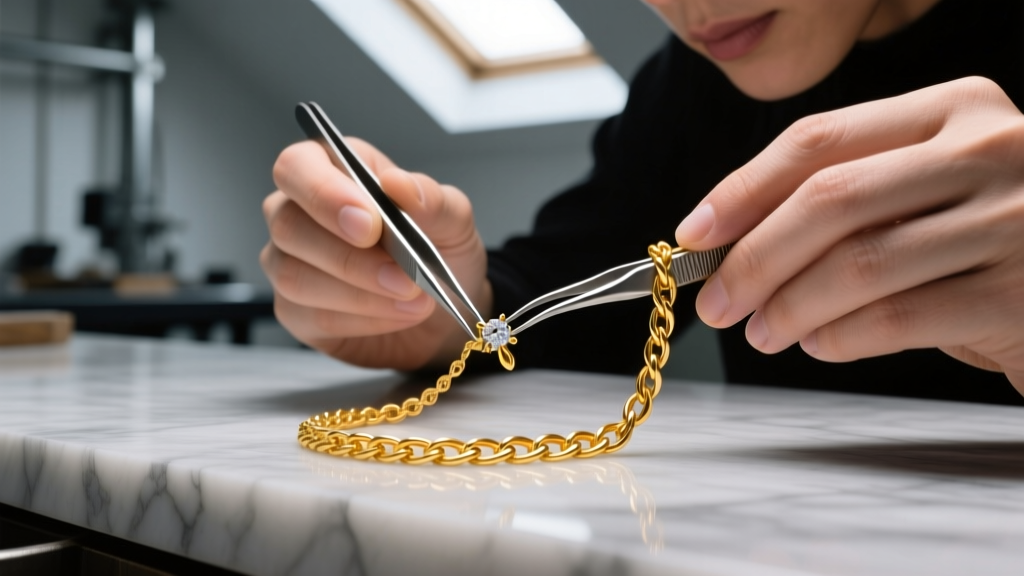
Delicate chains (0.8mm to 1.2mm) paired with heavy pendants are a frequent source of repair tickets. The failure rarely occurs in the middle of the chain; it almost always happens at the clasp or the jump rings connecting the clasp to the chain.
| Clasp Type | Best For Chain Gauge | Common Failure Mode | Troubleshooting Solution |
|---|---|---|---|
| Spring Ring (4mm-5mm) | 0.5mm - 0.8mm | Internal spring fatigue; lever snaps off. | Replace with a 5mm Lobster Clasp for better tension. |
| Lobster Clasp (5mm-7mm) | 0.9mm - 1.5mm | Jump ring pulls open under pendant weight. | Solder the jump ring shut; use a split ring instead. |
| Box Clasp with Safety | 2.0mm+ / Tennis Bracelets | Tongue flattens and loses friction grip. | Bench jeweler must re-tension the tongue and check safety figures. |
Ultrasonic and Steam Cleaning Hazards
While professional cleaning is essential, improper use of ultrasonic and steam cleaners causes catastrophic damage to specific gemstones. Ultrasonic cleaners operate at high frequencies (typically 40kHz), creating microscopic cavitation bubbles that implode and scrub away dirt. However, this intense vibration can shatter tension-set diamonds, fracture emeralds that have been oil-treated, and loosen the adhesive in doublets or pearl settings. Furthermore, 180°F steam from a bench steamer can cause thermal shock in heavily included diamonds or fracture-filled stones, turning a routine cleaning into a massive repair bill. Always verify the gemstone's care requirements via Jewelers of America before subjecting it to mechanical cleaning.
Advanced Sizing Solutions for Top-Heavy Rings
A frequent complaint with elaborate halo engagement rings or vintage signet rings is that they spin endlessly on the finger, causing the center stone to rest against the adjacent knuckle. Traditional sizing down is not always an option if the ring already fits snugly over the knuckle joint. The troubleshooting framework for top-heavy rings involves altering the interior shank geometry:
- Sizing Beads (Speed Bumps): Two small 1.5mm spheres of gold are soldered to the interior bottom of the shank. This grips the fleshy part of the finger and prevents lateral spinning.
- Euro Shank Conversion: The bottom curve of the ring is cut and replaced with a squared-off, flat-bottomed European shank. This lowers the center of gravity and anchors the ring securely against the finger.
- Spring Inserts: For extreme cases where the knuckle is two sizes larger than the finger base, a hinged, tensioned spring insert can be built into the shank, allowing the ring to expand over the joint and snap tightly against the base.
When to Seek Professional Bench Repair
Not all troubleshooting can be done at home. If you notice a visible gap between a diamond's girdle and the prong, a clicking sound when you tap the stone (indicating it is loose in the setting), or a hairline crack near a ring's sizing seam, cease wearing the piece immediately. Place it in a soft pouch and take it to a master bench jeweler. High-end establishments utilize laser welders to repair fractures near heat-sensitive stones without removing the gems, a technique far superior to traditional torch soldering for complex, modern fine jewelry designs.


