Costume Jewelry Meaning Decoded: Base Metals vs Fine Alloys
Discover the true costume jewelry meaning through material science. Compare base metals, plating thickness, and demi-fine alloys for lasting wear.

The True Costume Jewelry Meaning: A Material Science Perspective
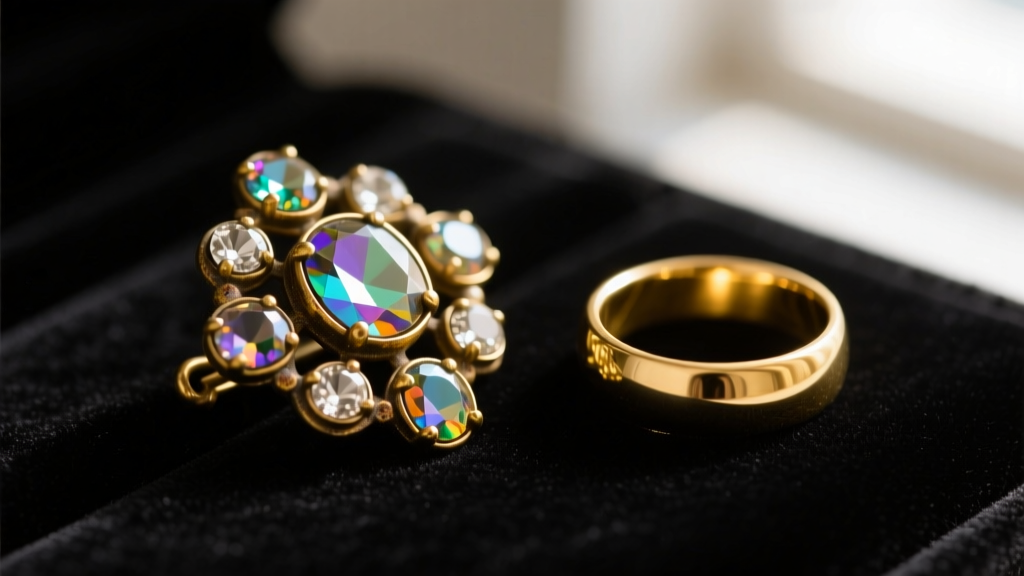
When collectors, appraisers, and metallurgists discuss the costume jewelry meaning, they are rarely talking about aesthetics or seasonal trends. Instead, they are referencing a specific tier of material engineering. Historically popularized in the 1920s by designers like Coco Chanel to democratize fashion, costume jewelry is fundamentally defined by its reliance on base metals, non-precious alloys, and gemological simulants. Unlike fine jewelry, which utilizes solid gold, platinum, and natural earth-mined gemstones, costume pieces prioritize malleability, mass-casting efficiency, and visual impact over intrinsic material value.
However, not all costume jewelry is created equal. Understanding the metallurgical properties of these pieces is crucial for predicting their lifespan, identifying potential skin sensitivities, and making informed purchasing decisions. In this guide, we deconstruct the anatomy of costume and demi-fine jewelry, examining the exact material grades, plating thicknesses, and failure modes that separate disposable accessories from enduring statement pieces.
Base Metals & Alloys: The Structural Core
The foundation of any costume piece dictates its weight, casting detail, and susceptibility to environmental degradation. Base metals are abundant, inexpensive, and highly workable, but they come with distinct chemical vulnerabilities.
- Brass (Copper-Zinc Alloy): The undisputed workhorse of the costume industry. Brass offers excellent tensile strength and takes electroplating beautifully. However, when exposed to the acidic pH of human sweat, brass can undergo dezincification, where the zinc leaches out, leaving a porous, brittle copper structure that manifests as green verdigris on the skin.
- Pewter (Tin-Antimony-Copper): Favored for intricate, vintage-style castings due to its exceptionally low melting point (around 232°C). Modern pewter is lead-free, but it is remarkably soft. A pewter cuff bracelet will easily warp under mechanical stress and lacks the structural memory to hold tension settings for stones.
- Nickel Silver (German Silver): Despite the name, this alloy contains zero actual silver; it is a blend of copper, nickel, and zinc. While it offers a bright, silvery appearance and high corrosion resistance, it is a primary culprit for contact dermatitis. Under the EU REACH regulation, nickel migration from jewelry is strictly limited to 0.5 µg/cm²/week to prevent severe allergic reactions, a standard many overseas costume manufacturers fail to test for.
The Physics of Plating: Flash vs. Micron Thickness
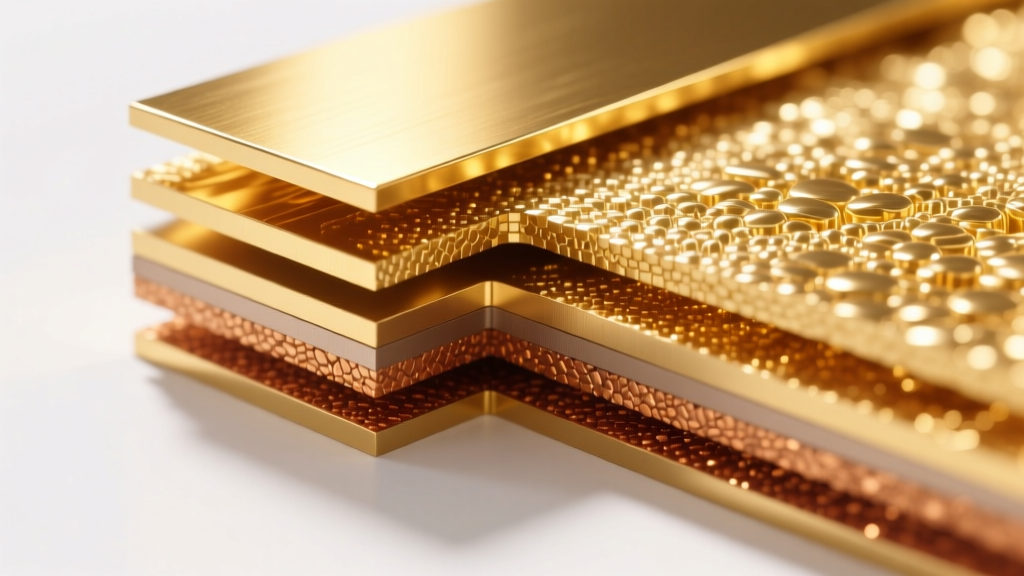
Because base metals tarnish and cause skin reactions, they are almost always plated. The Federal Trade Commission (FTC) Jewelry Guides strictly regulate the terminology used to describe these coatings based on their exact micron thickness. Understanding these thresholds is the key to deciphering the costume jewelry meaning in a retail environment.
| Plating Terminology | Minimum Thickness | Base Metal Core | Estimated Lifespan (Daily Wear) |
|---|---|---|---|
| Flash / Wash Plating | < 0.05 microns | Brass / Zinc Alloy | 1 - 3 Months |
| Gold Electroplate | 0.175 microns (7 millionths of an inch) | Brass / Copper | 6 - 12 Months |
| Heavy Gold Electroplate (HGE) | 2.5 microns | Brass / Sterling Silver | 1 - 3 Years |
| Gold Vermeil | 2.5 microns | Sterling Silver (925) Only | 2 - 5 Years |
Flash plating is essentially a microscopic dusting of gold, often applied via cheap barrel-plating methods. It will wear through to the brass core within weeks of friction. Heavy Gold Electroplate (HGE), conversely, requires a controlled electrolytic bath that deposits a substantial layer of gold, offering genuine resistance to the abrasive friction of daily wear.
The Demi-Fine Bridge: Vermeil and Gold-Filled
Sitting precisely between traditional costume jewelry and fine jewelry is the "demi-fine" category. These pieces utilize advanced bonding techniques to offer the look and longevity of solid gold without the prohibitive cost.
Gold-Filled vs. Gold Plated
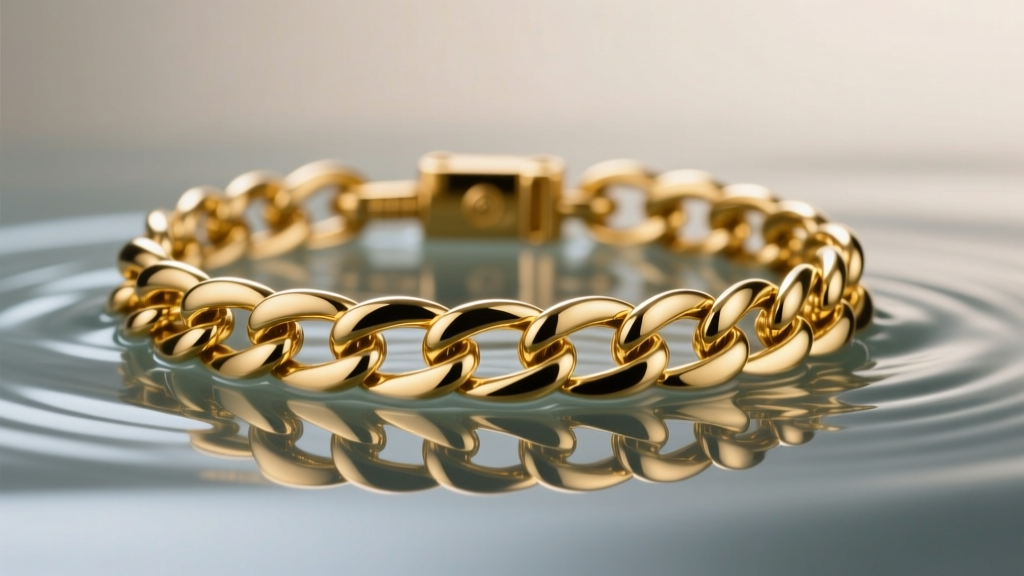
Gold-filled jewelry is not actually "filled" with gold; rather, it consists of a thick outer layer of 10k, 12k, or 14k gold that is mechanically bonded to a brass core using extreme heat and pressure. By FTC standards, the gold layer must constitute at least 1/20th (5%) of the total weight of the item. This mechanical bond is vastly superior to electrochemical plating. A 14k gold-filled chain will not flake or peel, and it can easily withstand decades of wear, making it a superior investment over standard HGE costume pieces.
The Vermeil Standard
Vermeil (pronounced ver-may) elevates the plating process by mandating a precious metal core. To be legally classified as vermeil, a piece must have a Sterling Silver (925) base and be plated with a minimum of 2.5 microns of 10k gold or higher. Because the core is hypoallergenic and intrinsically valuable, vermeil bridges the gap between disposable fashion accessories and heirloom fine jewelry.
Gemological Simulants: Glass, Resin, and Cubic Zirconia
The costume jewelry meaning also extends to the stones utilized. Without natural diamonds, rubies, or sapphires, manufacturers rely on simulants. The durability of these simulants is best understood through the Gemological Institute of America (GIA) Mohs Hardness Scale.
Material Hardness Comparison:
Diamond (Fine): Mohs 10
Synthetic Moissanite (Demi-Fine): Mohs 9.25
Cubic Zirconia (Costume/Demi): Mohs 8 - 8.5
Swarovski Lead Glass (Costume): Mohs 5.5 - 6
Epoxy Resin / Enamel (Costume): Mohs 2 - 3
Cubic Zirconia (CZ) is the most durable and optically convincing simulant, offering high refractive index dispersion (fire). However, CZ is slightly porous and can absorb skin oils over time, leading to a cloudy appearance that requires ultrasonic cleaning. Glass and Rhinestones, while offering brilliant initial sparkle via foil-backing, are highly susceptible to scratching from everyday dust (which contains quartz, Mohs 7). Resin and Cold Enamel provide vibrant, opaque colors but suffer from UV degradation, often yellowing or becoming brittle after prolonged sun exposure.
Mitigating Material Decay: Advanced Care Protocols
Because costume jewelry relies on reactive base metals and thin plating, proactive maintenance is non-negotiable. The primary enemy of costume jewelry is galvanic corrosion. When dissimilar metals (like a brass clasp and a steel jump ring) are connected in the presence of an electrolyte (human sweat or saltwater), a micro-battery is formed, rapidly accelerating the oxidation and pitting of the less noble metal.
To preserve the integrity of your collection, implement the following protocols:
- Intercept Hydrogen Sulfide: Store brass and silver-based costume pieces in airtight polyethylene bags alongside activated charcoal or specialized anti-tarnish strips (like 3M Silver Shield), which chemically absorb ambient sulfur compounds before they can react with the metal.
- Neutralize Acidity Post-Wear: Wipe down base metal rings and bracelets with a microfiber cloth lightly dampened with distilled water and a drop of pH-neutral dish soap to remove acidic sweat and lactic acid buildup.
- Avoid Chemical Stripping: Never use silver dip solutions or ammonia-based cleaners on gold-plated or HGE costume jewelry. These harsh chemicals will instantly strip the micron-thin gold layer, exposing the raw brass underneath.
Ultimately, understanding the material science behind these pieces transforms how we value them. The true costume jewelry meaning isn't about "fake" materials; it is about the ingenious, accessible application of metallurgy and chemistry to bring high-fashion aesthetics to everyday life.


