Preserving Symbol Costume Jewelry Makers Marks During Cleaning
Learn how to safely clean vintage pieces while preserving symbol costume jewelry makers marks for authentication and long-term value retention.

The Hidden Value in the Stamp
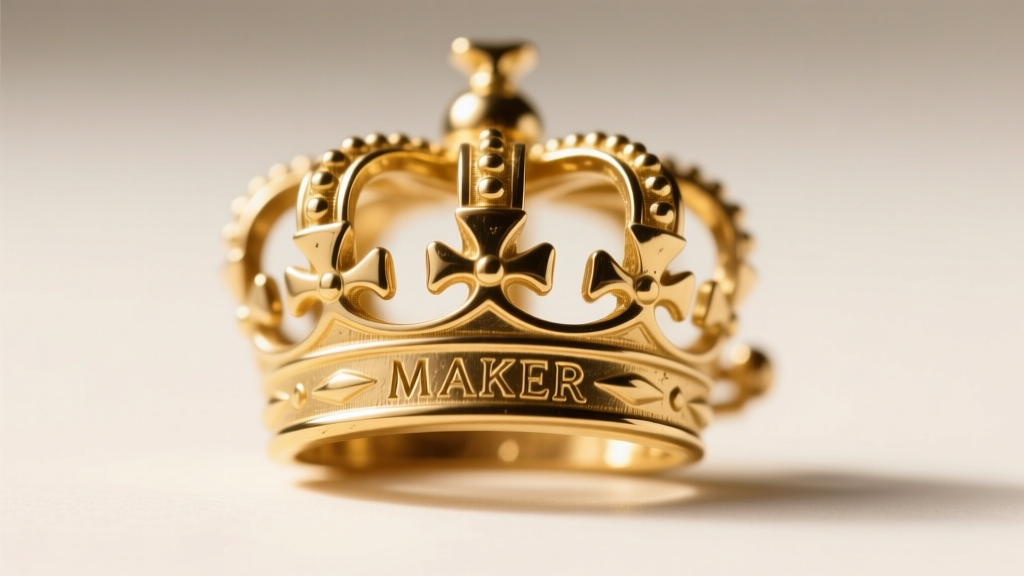
In the world of vintage and antique accessories, the difference between a $20 flea market find and a $2,000 collector's grail often lies on the reverse side of the piece. Cataloging the various symbol costume jewelry makers marks found on mid-century pieces is the first step in authentication, but preserving these delicate stamps during routine maintenance is where most collectors fail. Unlike fine jewelry, which is forged from solid precious metals, vintage costume jewelry relies on thin electroplated layers over base metals. Aggressive cleaning doesn't just ruin the finish; it can permanently erase the very hallmarks that dictate the piece's historical and financial value.
According to auction house experts at Invaluable, maker's marks—ranging from the Trifari crown and the Coro Pegasus to the script signatures of Miriam Haskell—are die-stamped or cast into soft base metals. These stamps are often shallower than a millimeter deep. When collectors use modern jewelry cleaning techniques on vintage pieces, they inadvertently fill these shallow recesses with abrasive polishing compounds or wear away the raised edges of the stamp entirely, rendering the mark illegible and destroying the item's provenance.
Material Identification: The First Rule of Conservation
Before applying any cleaning agent to a piece bearing a maker's mark, you must identify the underlying base metal. Vintage costume jewelry is rarely solid; it is a composite of a core alloy and a microscopic surface plating. Understanding this metallurgy is critical to preventing chemical reactions that cause bubbling, flaking, or 'zinc pest'.
| Base Metal Core | Common Plating | Vulnerability Profile | Safe Cleaning Agent |
|---|---|---|---|
| Zamak (Pot Metal) | Gold wash, Rhodium | Highly reactive to moisture; prone to sub-surface oxidation and bubbling. | Dry brushing only; Isopropyl alcohol (sparingly). |
| Brass / Bronze | Silver plate, Gold | Prone to verdigris (green corrosion) in recessed stamp areas. | Distilled water with mild non-ionic surfactant. |
| Sterling Silver | None or Rhodium | Tarnishes heavily; soft metal makes stamps easily worn down by friction. | Renaissance Wax; specialized silver polishing cloths (avoiding stamps). |
| White Metal / Pewter | Lacquer, Paint | Extremely soft; stamps can be deformed by hard-bristled brushes. | Soft goat-hair brush; compressed air. |
The 4-Stage Conservation Cleaning Protocol
To safely maintain your pieces while keeping every symbol costume jewelry makers marks crisp and legible, adopt this museum-grade conservation protocol. This method prioritizes the stabilization of the piece over aggressive aesthetic brightening.
Stage 1: Dry Particulate Removal
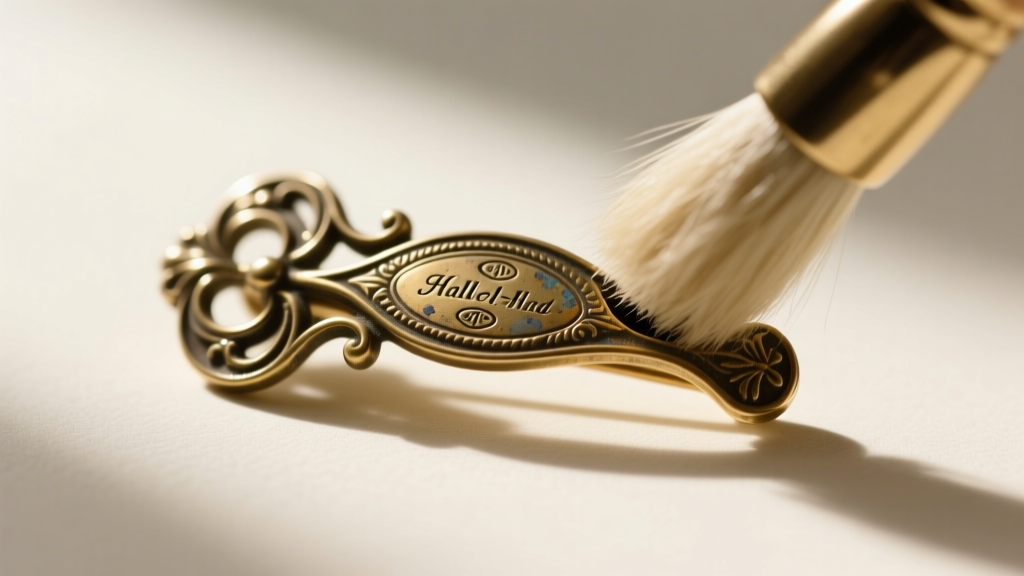
Never introduce moisture to a vintage piece until all loose dust and grit are removed. Grit acts like sandpaper when rubbed against soft gold plating. Use a soft goat-hair brush or a can of compressed air (held at a 45-degree angle) to dislodge debris from the recesses of the maker's mark. Never use toothbrushes, even those labeled 'extra-soft,' as modern nylon bristles are stiff enough to micro-scratch soft brass and silver alloys over time.
Stage 2: Targeted Solvent Application
If the piece has accumulated skin oils or cosmetic residue near the stamp, use a high-purity (90% or higher) isopropyl alcohol. Dip a cotton swab, squeeze out the excess so it is barely damp, and gently roll it over the surface. Do not scrub. The alcohol will dissolve oils without penetrating the microscopic pores of the base metal or causing the Zamak core to oxidize. Avoid the areas surrounding rhinestones, as vintage foil-back stones are often secured with water-soluble or alcohol-soluble glues that will dissolve upon contact.
Stage 3: Distilled Water Surfactant Wash
For heavily soiled brass or copper-based pieces where the plating is intact and sealed, a brief wash is permissible. Use only distilled water—never tap water, which contains chlorine and dissolved minerals that will leave permanent water spots and accelerate corrosion in the stamp's crevices. Add a single drop of pH-neutral, non-ionic surfactant (like Orvus WA Paste or plain Dawn dish soap). Submerge for no more than 60 seconds, agitate gently with a silicone-tipped tool, and rinse immediately with fresh distilled water. Dry instantly using a cool-air hairdryer to prevent flash-rusting of any exposed iron components.
Stage 4: Micro-Crystalline Wax Sealing
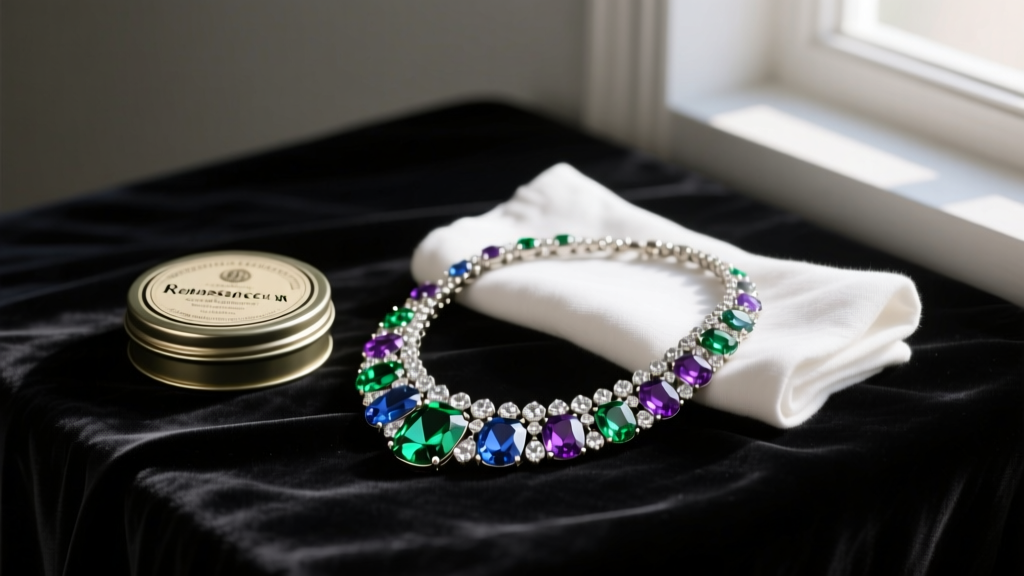
This is the most crucial step for preservation. Once the piece is bone-dry, apply a microscopic layer of Renaissance Micro-Crystalline Wax. Developed by the British Museum for conservation, this wax does not contain silicones or acids. Using a lint-free cloth, buff a tiny amount over the maker's mark. The wax fills the microscopic pores of the metal, creating a barrier against oxygen and humidity, while also preventing future dirt from embedding into the stamp's grooves. As noted by the Victoria and Albert Museum's conservation guidelines, micro-crystalline waxes are the gold standard for stabilizing historical metalwork without altering its visual patina.
Fatal Mistakes That Erase History
To protect the integrity of vintage hallmarks, you must strictly avoid modern conveniences that promise quick results but deliver permanent damage.
- Ultrasonic Cleaners: The high-frequency cavitation bubbles generated by ultrasonic machines will strip thin electroplated layers right off the base metal. Furthermore, the vibrations will shatter vintage aurora borealis rhinestones and shake loose prong-set paste gems.
- Baking Soda Pastes: A popular internet hack, baking soda is highly abrasive. Scrubbing a baking soda paste into a maker's mark will act like a sanding block, leveling the raised edges of the stamp and leaving it entirely illegible.
- Chemical Silver Dips: Products like Tarn-X rely on harsh acids (often thiourea-based) to strip tarnish. On vintage costume jewelry, these dips will instantly dissolve the rhodium flashing or gold wash, leaving behind a dull, gray, porous base metal that will corrode rapidly.
- Toothpaste: Toothpaste contains silica abrasives designed to strip plaque from hard dental enamel. Applied to soft pot metal or brass, it will leave a haze of micro-scratches and pack white residue deep into the maker's mark that is nearly impossible to extract.
Advanced Stabilization for Flaking Plating
In some cases, the base metal has already begun to oxidize, causing the gold or silver plating above the maker's mark to flake or blister. If you attempt to clean a piece in this condition, you will wipe the stamp away entirely. Before cleaning, the area must be consolidated. Professional conservators use Paraloid B-72, an ethyl methacrylate copolymer dissolved in acetone. By applying a highly diluted drop to the flaking area, the acrylic penetrates the microscopic gaps and binds the lifting plating back to the base metal. Once cured, the stamp is stabilized, and the gentle dry-cleaning protocol can proceed without fear of lifting the historical hallmark. While this requires specialized materials, it is the only way to save severely degraded pieces from total devaluation.
Storage Environments for Long-Term Mark Preservation
Cleaning is only half the battle; how you store the piece dictates how quickly the maker's mark will degrade between wearings. Never store vintage costume jewelry in PVC plastics, which off-gas chemicals that react with base metals to create a sticky, corrosive surface film. Instead, wrap each piece in acid-free, unbuffered tissue paper and place it in an archival-quality polyethylene bag. Include a 3M anti-tarnish strip inside the bag to absorb ambient sulfur and hydrogen sulfide gases. By controlling the micro-climate around your jewelry, you drastically reduce the need for future cleaning, thereby ensuring that every symbol costume jewelry makers marks remains sharp, legible, and ready for authentication for decades to come.


