Bogazy Fine Jewelry Troubleshooting: Clasps & Settings
Learn how to troubleshoot common Bogazy fine jewelry issues. Expert fixes for stuck clasps, loose pavé stones, and chain tangling.

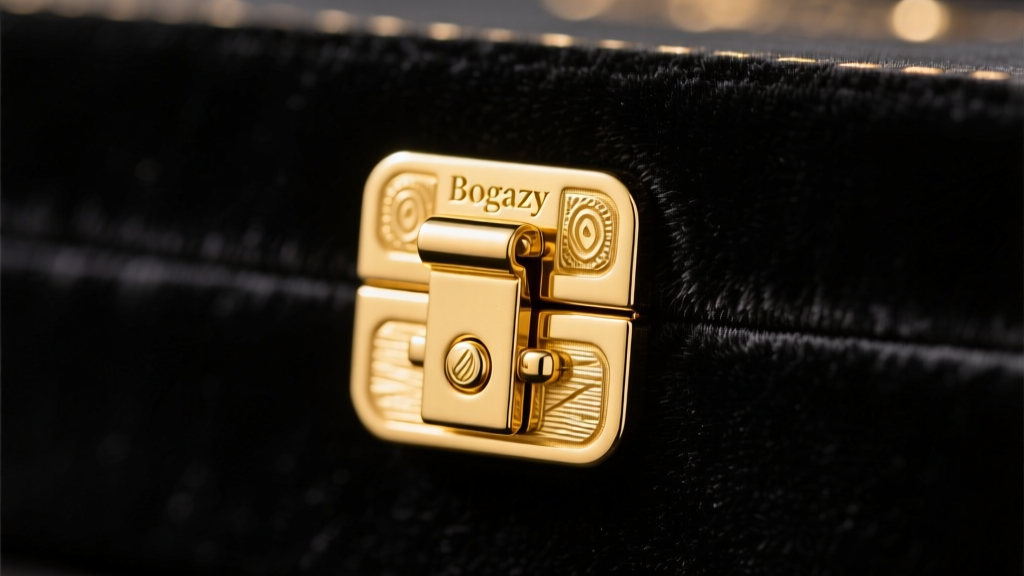
Owning a piece of bogazy fine jewelry is an investment in intricate craftsmanship, unique metallurgical blends, and striking aesthetic design. However, as with any high-end accessory meant for daily or frequent wear, mechanical failures and structural vulnerabilities can emerge over time. Whether you are dealing with a stubborn box clasp, a missing melee diamond from a micro-pavé band, or a severely tangled rope chain, understanding the underlying mechanics of your jewelry is the first step toward effective troubleshooting. In this comprehensive 2026 guide, we break down the most common issues encountered with bogazy fine jewelry and provide actionable, expert-level solutions to restore your pieces to their original glory.
Identifying Authentic Bogazy Hallmarks and Metal Grades
Before attempting any physical repairs or deep cleaning, it is crucial to verify the exact metal composition of your piece. The secondary market has seen an influx of counterfeit designer jewelry, and misidentifying the metal grade can lead to catastrophic damage during DIY troubleshooting. Authentic bogazy fine jewelry typically features precise laser-engraved hallmarks rather than traditional stamped ones, especially on delicate bands or clasp interiors.
Decoding the Stamps
- 750 or AU750: Indicates 18-karat gold (75% pure gold). This alloy is softer and more prone to prong wear but offers a richer color.
- 585: Indicates 14-karat gold (58.5% pure gold). More durable and resistant to scratching, often used for structural components like clasp springs.
- PT950: Platinum alloy (95% pure). Highly durable but develops a patina over time that can mimic tarnish.
If your piece lacks a clear hallmark or the stamp appears blurred and shallow, consult a certified gemologist before applying any chemical cleaners or ultrasonic vibrations. The Gemological Institute of America (GIA) recommends professional verification for any unlabeled precious metals to avoid accidental dissolution of base-metal fakes.
Resolving Tension-Setting and Pavé Stone Loss
One of the most frequent complaints regarding bogazy fine jewelry involves the loss of small melee diamonds (typically ranging from 0.005 to 0.02 carats) in pavé or tension settings. Unlike traditional prong settings that use four or six substantial metal claws, micro-pavé relies on tiny metal beads pushed over the girdle of the stone to hold it in place.

Why Do Pavé Stones Fall Out?
Stone loss is rarely a manufacturing defect; it is usually a result of cumulative micro-impacts. Hitting your hand against a steering wheel, typing heavily on a keyboard, or exposing the jewelry to sudden temperature changes can cause the metal beads to flatten or pull away from the diamond's girdle. Furthermore, lotions and sebum can build up under the stones, creating a microscopic hydraulic pressure that pushes the diamond upward when the metal expands from body heat.
Immediate Action Plan for a Lost Stone
- Stop Wearing the Piece: Continuing to wear the jewelry will cause adjacent beads to loosen, leading to a domino effect of stone loss.
- Do Not Use Adhesives: Never attempt to glue a loose or fallen stone back into place. Cyanoacrylate (super glue) will cloud the diamond's pavilion and make professional resetting nearly impossible without damaging the stone.
- Locate the Stone: If you find the fallen melee diamond, store it in a sealed plastic bag. Replacement melee diamonds cost between $15 and $40 per stone, but using your original stone ensures color and clarity matching.
- Seek a Bench Jeweler: Take the piece to a professional. According to Jewelers of America, a certified bench jeweler will use a beading tool to re-round the metal prongs and secure the stone without applying heat that could fracture the diamond.
Fixing Stuck or Slipping Clasp Mechanisms
The clasp is the most mechanically complex part of any necklace or bracelet. Bogazy fine jewelry frequently utilizes custom box clasps with hidden safety latches or heavy-duty lobster clasps. When these fail, the piece becomes unwearable.
Troubleshooting the Box Clasp
Box clasps operate on a tension-based metal tongue that clicks into a hollow receiving box. Over time, the tongue compresses and loses its springiness, causing the clasp to slip open. The Fix: Using a pair of flat-nose nylon-jaw pliers, gently bend the folded metal tongue outward by a fraction of a millimeter. This restores the tension required for a secure 'click'. Be careful not to over-bend, which can snap the metal or prevent the clasp from closing entirely.
Unsticking a Lobster Clasp
If the lever on your lobster clasp is stiff or refuses to snap shut, the internal spring mechanism is likely clogged with microscopic debris, dead skin cells, or hardened hand cream. The Fix: Submerge the clasp in a small cup of 99% isopropyl alcohol for five minutes. Use a fiberglass scratch brush or a soft baby toothbrush to agitate the seam around the lever. Work the lever back and forth while submerged. The alcohol will dissolve the sebum buildup without damaging the 18k or 14k gold alloy.
Untangling Delicate Cable and Rope Chains
Delicate chains, particularly 1mm to 1.5mm rope or cable chains used in bogazy fine jewelry pendants, are notorious for forming impossibly tight knots. Pulling on the chain will only tighten the knot and risk snapping the soldered links.
Pro-Tip: Never use needles or safety pins to pick at a tight knot. Metal-on-metal friction will scratch the high-polish finish of your gold or platinum chain.
The Baby Powder Method
- Lay the tangled chain flat on a clean, dark surface (like a microfiber cloth or a piece of black felt) so you can see the links clearly.
- Sprinkle a generous amount of baby powder or cornstarch directly onto the knot. The powder acts as a dry lubricant, reducing friction between the metal links.
- Use two fine-tipped tweezers to gently massage the powder into the center of the knot.
- Gently push the outer links toward the center to create slack, then use the tweezers to pull the individual links through the loosened loop.
- Once untangled, wash the chain in warm water with a drop of mild dish soap to remove the powder residue.
Preventative Maintenance and Care Matrix
To minimize the need for troubleshooting, establishing a rigorous care routine is essential. The table below outlines the best practices for maintaining the structural integrity of your jewelry based on its specific components.
| Component | Common Issue | Preventative Action | Avoid At All Costs |
|---|---|---|---|
| Micro-Pavé Settings | Stone loss, dull diamonds | Monthly cleaning with a soft brush and mild degreaser | Ultrasonic cleaners (can shake stones loose) |
| 18k Gold Bands | Scratching, metal fatigue | Remove during gym sessions or heavy lifting | Wearing alongside harder metals like tungsten |
| Box Clasps | Debris buildup, slipping | Wipe with a dry microfiber cloth after wear | Spraying perfume directly onto the clasp |
| Rope Chains | Tangling, link kinking | Store flat or hang vertically; always fasten clasp | Tossing loose into a crowded jewelry box |
When to Use (and Avoid) Ultrasonic Cleaners
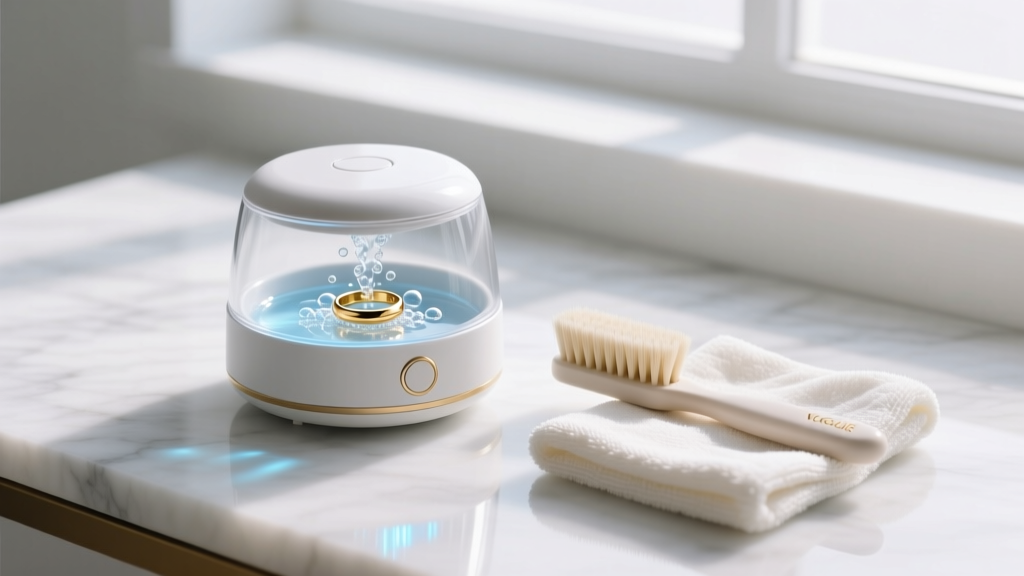
While ultrasonic cleaners are a staple in modern jewelry care, they must be used with extreme caution. A 40kHz ultrasonic cleaner is excellent for removing built-up grime from plain gold bands or sturdy diamond solitaires. However, if your bogazy fine jewelry features fracture-filled diamonds, emeralds, opals, or delicate micro-pavé settings, the high-frequency vibrations can cause catastrophic damage. The vibrations can shake loose the tiny metal beads holding pavé stones in place or shatter the internal structure of treated gemstones. When in doubt, stick to manual cleaning with a soft-bristled brush and a specialized jewelry degreaser.
Final Thoughts on Longevity
Troubleshooting bogazy fine jewelry requires a delicate balance of mechanical understanding and material respect. By recognizing the limitations of 18k gold, understanding the vulnerabilities of micro-pavé settings, and maintaining the moving parts of your clasps, you can ensure your pieces remain secure and brilliant. Always prioritize professional bench jewelers for structural repairs, and reserve your DIY efforts for surface cleaning and minor clasp adjustments. With proper care, your fine jewelry will easily transcend seasonal trends and remain a staple in your collection for decades to come.


