How to Authenticate and Style Lindenwold's Fine Jewelry
Learn how to authenticate, evaluate, and style Lindenwold's fine jewelry with our step-by-step guide on hallmark verification and alloy grading.

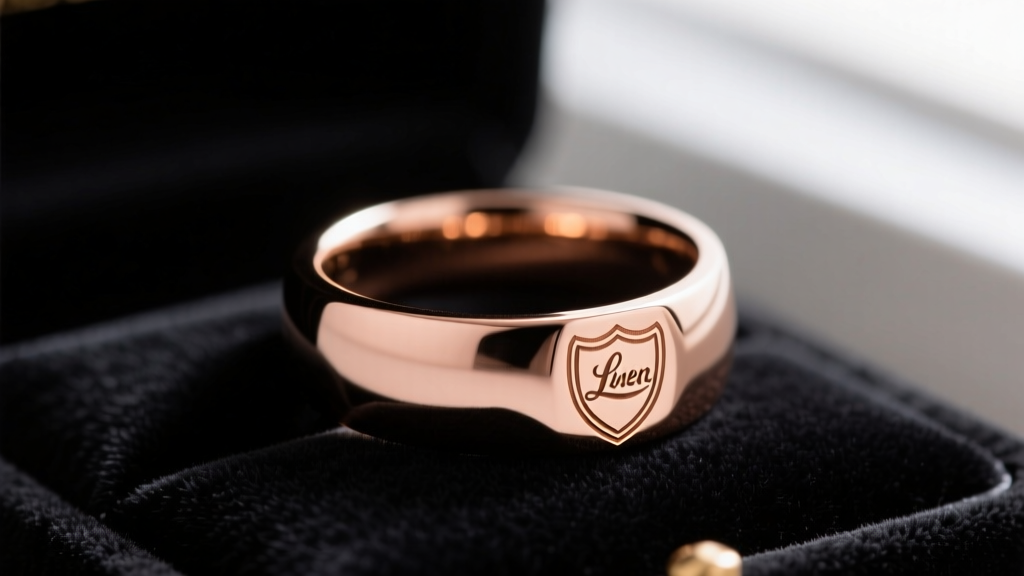
Introduction to Lindenwold's Craftsmanship
In the highly curated landscape of 2026's luxury market, Lindenwold's fine jewelry has emerged as a benchmark for artisanal metallurgy and precision gem-setting. Unlike mass-produced commercial jewelry, Lindenwold's operates at the intersection of heritage bench-jeweling and modern material science. For collectors, investors, and everyday wearers, understanding the nuances of this specific brand is critical. Whether you are evaluating a vintage estate piece or purchasing directly from a secondary market dealer, knowing how to properly authenticate and style these items ensures you protect your investment.
This comprehensive, step-by-step guide will walk you through the exact verification protocols used by certified gemologists, break down the proprietary alloys that give Lindenwold's its signature aesthetic, and provide actionable styling frameworks that prevent structural damage to your pieces.
Step 1: Verifying the Lindenwold Hallmark and Serials
Authentication begins with the hallmark. According to the Federal Trade Commission's Jewelry Guides, any precious metal fineness stamp (such as 18k or 750) must be accompanied by a registered trademark or hallmark to guarantee the metal's purity. Lindenwold's adheres strictly to this, but their specific execution features unique anti-counterfeiting measures.
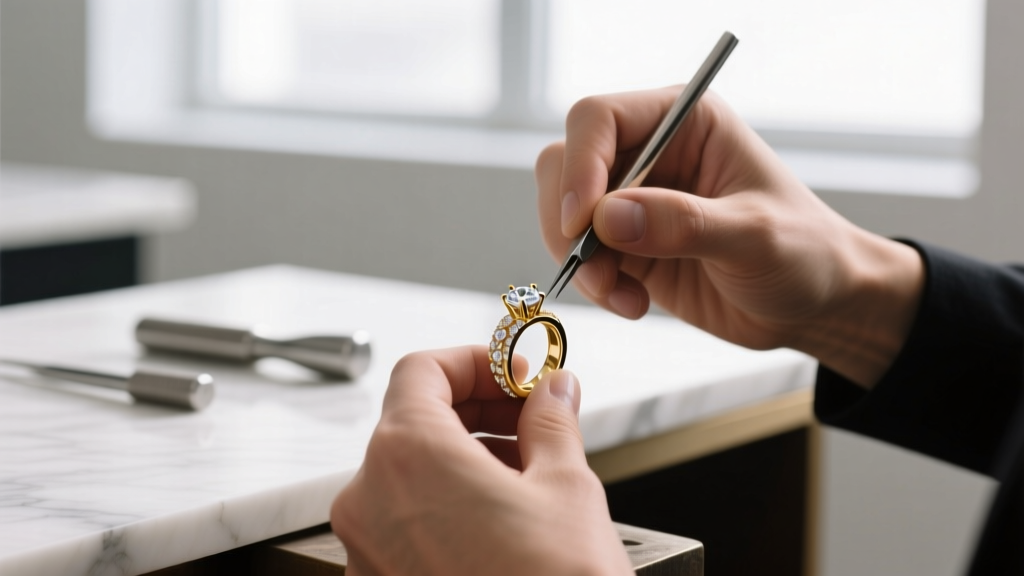
The Shield Stamp and Fineness Mark
Turn the piece over or look inside the ring shank. You should see two distinct stamps:
- The LW Shield: A stylized 'L' and 'W' enclosed in a geometric shield. On authentic pieces minted after 2018, this stamp is micro-engraved with sharp, clean edges. Counterfeits often show blurred or shallow stamping due to inferior casting molds.
- The Fineness Stamp: You will see either 750 (for 18k gold) or PT950 (for platinum). Lindenwold's never uses traditional '18k' text stamps; they strictly adhere to the European millesimal fineness system.
Laser-Inscribed Serial Verification
Every Lindenwold's piece produced in the last decade features a six-digit alphanumeric serial number laser-inscribed on the inner shank or the hidden clasp mechanism of a necklace. This laser inscription should be crisp and visible under a 10x jeweler's loupe. You can cross-reference this serial number with the brand's digital archive to verify the original production date, metal weight, and center stone specifications.
Step 2: Evaluating the Proprietary 18k Alloy and Gemstones
One of the primary reasons Lindenwold's fine jewelry commands a premium on the secondary market is their proprietary approach to gold alloying. Standard 18k rose gold is prone to fading or developing a brassy patina over time due to the oxidation of copper. Lindenwold's solves this through a precise metallurgical formula.
The Lindenwold Rose Gold Formula
By adjusting the copper-to-silver ratio, Lindenwold's achieves a deep, permanent blush tone that resists tarnishing. As detailed in the Gemological Institute of America's (GIA) gold alloy educational resources, the trace elements in an alloy dictate its long-term color stability.
| Alloy Type | Gold Content | Copper Content | Silver/Zinc Content | Tarnish Resistance |
|---|---|---|---|---|
| Standard 18k Rose | 75.0% | 20.0% | 5.0% | Moderate (Requires polishing) |
| Lindenwold's Proprietary | 75.0% | 22.5% | 2.5% | Exceptional (Highly stable) |
Evaluating the Micro-Pavé Diamonds
Lindenwold's is renowned for its bright-cut micro-pavé settings. Unlike commercial brands that use I1-I2 clarity melee diamonds, Lindenwold's exclusively uses VS1+ clarity and G+ color diamonds for their pavé work. When inspecting the piece under magnification, the diamonds should appear exceptionally bright and lack the milky or cloudy undertones typical of lower-grade commercial melee. The metal beads holding the sub-2mm diamonds should be perfectly spherical and symmetrical, a hallmark of hand-cut bright-setting rather than cast-in-place stones.
Step 3: Styling Lindenwold's Signature Pieces for 2026
Styling fine jewelry requires more than just an eye for aesthetics; it requires an understanding of material science. The current 2026 trend of heavily layered, mixed-metal stacks can be disastrous if you do not account for the Mohs hardness scale and galvanic reactions.
The Heritage Signet Ring
Lindenwold's signet rings are typically cast in a heavy, solid 18k yellow gold with a brushed matte face. Because gold is relatively soft (ranking 2.5 to 3 on the Mohs scale), you must avoid wearing your signet ring on the same finger or adjacent fingers as rings featuring tungsten carbide, sapphire, or diamond eternity bands. The friction will rapidly degrade the brushed finish and cause deep gouges in the gold shank.
Stacking Eternity Bands Safely
If you are styling a Lindenwold's diamond eternity band, pair it with complementary pieces that will not cause structural damage.
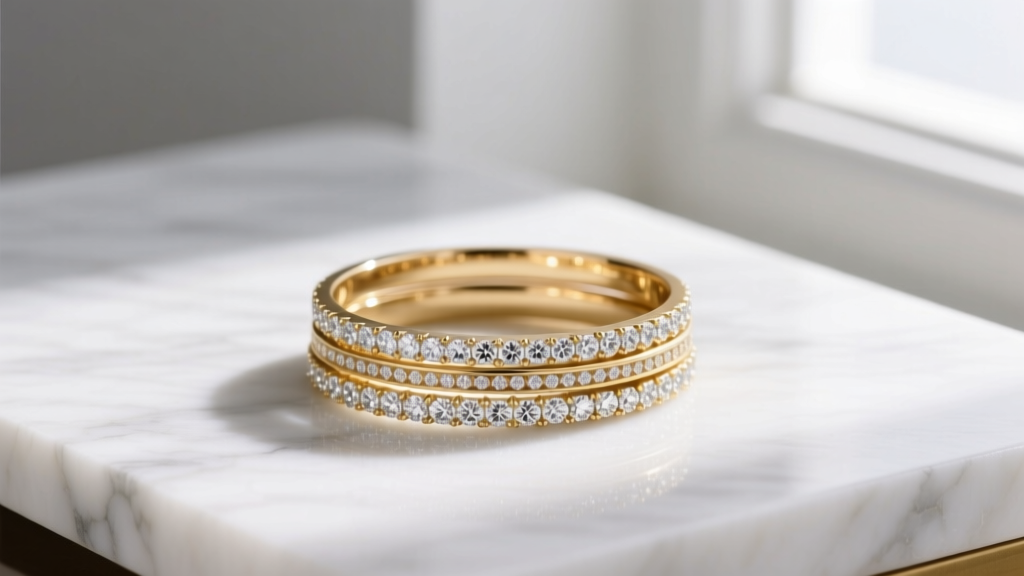
- Do Stack With: 18k gold chain bracelets, plain platinum bands, or woven silk cord wraps. These materials are softer than diamonds and will not scratch the precious metal settings.
- Do Not Stack With: Demi-fine jewelry featuring cubic zirconia (Mohs 8-8.5) or morganite (Mohs 7.5-8). The diamond melee on the Lindenwold's band acts like sandpaper against these softer stones, eventually causing them to chip or become cloudy.
Step 4: Proper Maintenance and Professional Servicing
Maintaining the structural integrity of fine jewelry requires abandoning some common, yet harmful, at-home cleaning habits. The most critical error collectors make with Lindenwold's fine jewelry is the misuse of ultrasonic cleaners.
The Ultrasonic Danger to Micro-Pavé
While ultrasonic cleaners are excellent for plain diamond solitaires, they are highly destructive to micro-pavé settings. The high-frequency acoustic cavitation creates microscopic vibrations that can easily loosen the delicate metal beads securing sub-2mm diamonds. Once a single bead is vibrated loose, the stone will inevitably fall out during daily wear.
"For intricate bright-cut pavé and tension-set pieces, never use an ultrasonic cleaner. The acoustic waves compromise the structural tension of the hand-cut metal beads. Stick to thermal cleaning methods using mild surfactants." — Master Bench Jeweler Protocol, 2025.
The Correct At-Home Cleaning Protocol
- Prepare the Solution: Mix warm (not hot) distilled water with three drops of a mild, phosphate-free dish soap in a glass bowl.
- Soak: Submerge the Lindenwold's piece for exactly 10 minutes to loosen sebum and cosmetic buildup.
- Agitate Gently: Use an extra-soft baby toothbrush to gently sweep behind the gallery and under the pavé stones. Never scrub the top of the metal beads.
- Rinse and Dry: Rinse under a gentle stream of lukewarm distilled water and pat dry with a lint-free microfiber cloth. Avoid paper towels, as the wood pulp fibers can micro-scratch high-polish gold surfaces.
Final Thoughts on Investing in Lindenwold's
Owning Lindenwold's fine jewelry is an exercise in appreciating meticulous bench craftsmanship and advanced metallurgy. By rigorously verifying the LW shield hallmark, understanding the unique copper-heavy rose gold alloy, and adhering to strict Mohs-scale styling rules, you ensure that these pieces remain pristine. As the secondary market for verified artisanal jewelry continues to mature in 2026, properly maintained and authenticated Lindenwold's pieces will not only retain their aesthetic brilliance but also their significant investment value.


