Best Costume Jewelry Trees Christmas 2026: Vintage & Modern Styling
Discover 2026 trends for costume jewelry trees. Christmas styling tips, vintage collector pricing, material grades, and care guides for holiday brooches.

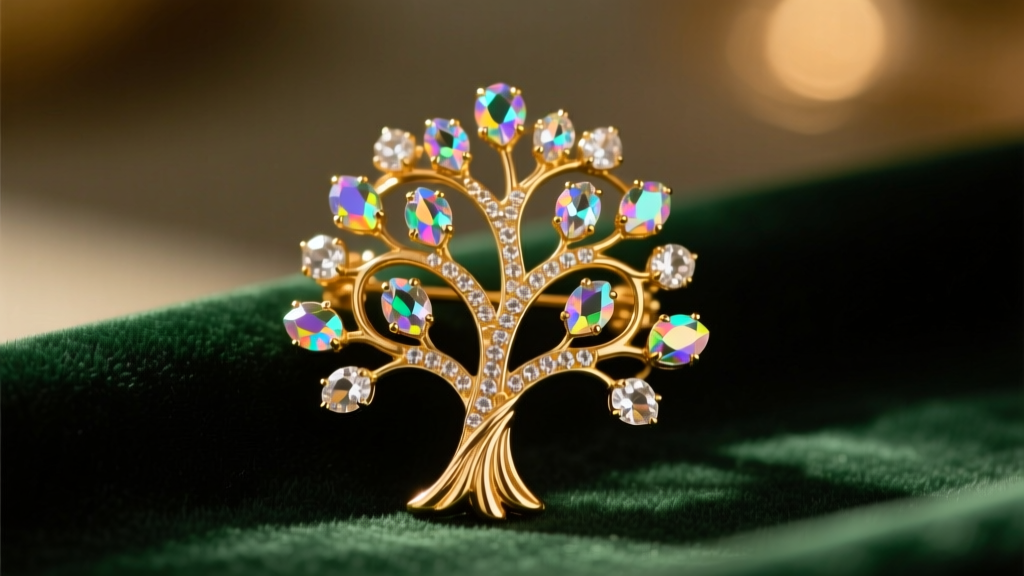
The Enduring Allure of the Holiday Tree Motif
When analyzing the intersection of seasonal sentiment and wearable art, few categories capture the collector's imagination quite like costume jewelry trees christmas editions. As we navigate the 2026 holiday season, the demand for vintage and contemporary tree-motif jewelry has surged, driven by a resurgence of 'heirloom dressing' and a desire for sustainable, vintage-forward styling. Unlike fine jewelry, which often relies on the intrinsic value of precious metals and gemstones, costume holiday pieces are celebrated for their theatricality, intricate metalwork, and innovative use of glass and enamel.
From the opulent, three-dimensional pot metal trees of the 1940s to the sleek, minimalist demi-fine enamel pendants of today, the Christmas tree remains a masterclass in jewelry design. This guide breaks down the material science, market valuations, and modern styling techniques you need to master this festive niche.
Material Breakdown & Quality Tiers: 1940s to 2026
Understanding the base materials and stone types is critical for both collectors and stylists. The structural integrity and visual impact of a tree brooch or pendant depend heavily on its era of production. According to market data from Invaluable Auction House archives, pristine examples from the mid-century command significant premiums due to the rarity of intact foiled rhinestones and uncorroded base metals.
| Era | Primary Base Metal | Stone / Accent Type | 2026 Market Value | Common Failure Mode |
|---|---|---|---|---|
| 1940s-1950s | Pot Metal / Zinc Alloy | Unfoiled & Foiled Czech Glass | $150 - $450 | 'Zinc Pest' crumbling, rhinestone desilvering |
| 1960s-1970s | Stamped Brass / Gold-tone | Aurora Borealis (AB) Rhinestones | $60 - $180 | Plating wear, missing prong-set stones |
| 1980s-1990s | Pewter / White Metal | Acrylic Cabochons, Cold Enamel | $25 - $75 | Enamel chipping, weak pin stems |
| 2020s (Modern) | Recycled Sterling / Vermeil | Lab-Grown Sapphire, Vitreous Enamel | $85 - $250 | Vermeil tarnishing, enamel cracking under stress |
The Science of Aurora Borealis (AB) Stones
Many mid-century tree brooches feature Aurora Borealis rhinestones. Introduced in the mid-1950s, these stones are created by vapor-depositing a microscopically thin layer of titanium onto the surface of the glass. This creates an iridescent, oil-slick effect that catches the light beautifully against dark winter fabrics. When inspecting vintage AB trees, look for 'rainbow rot'—a degradation where the titanium layer flakes off due to prolonged exposure to skin acids and humidity.
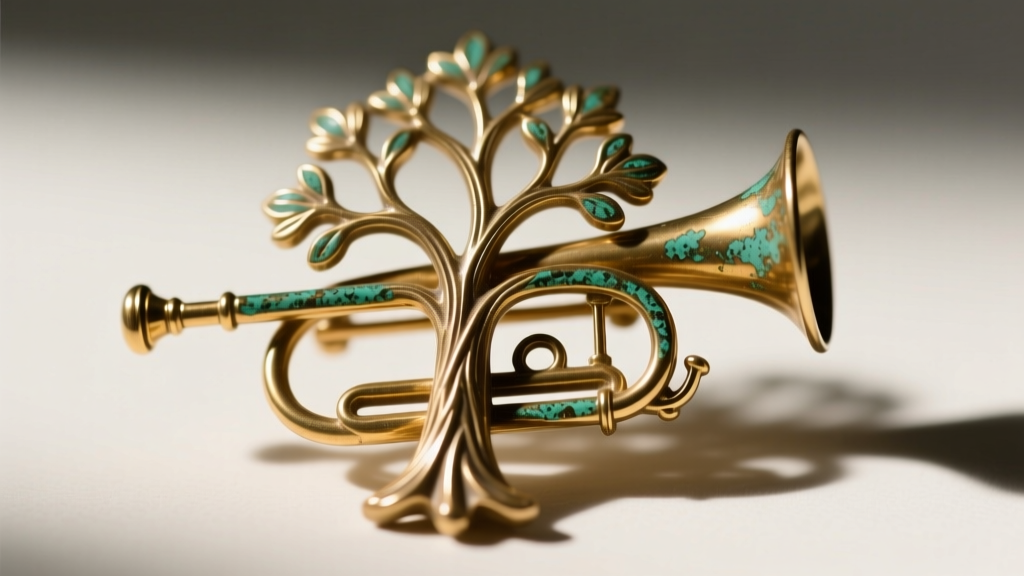
2026 Trend Analysis: Styling Beyond the Lapel
The traditional method of pinning a heavy tree brooch to a blazer lapel is no longer the only way to wear these statement pieces. In 2026, fashion stylists are reimagining holiday jewelry through a lens of modular, multi-functional wear. Here is how to integrate heavy costume pieces into a modern winter wardrobe without damaging your garments.
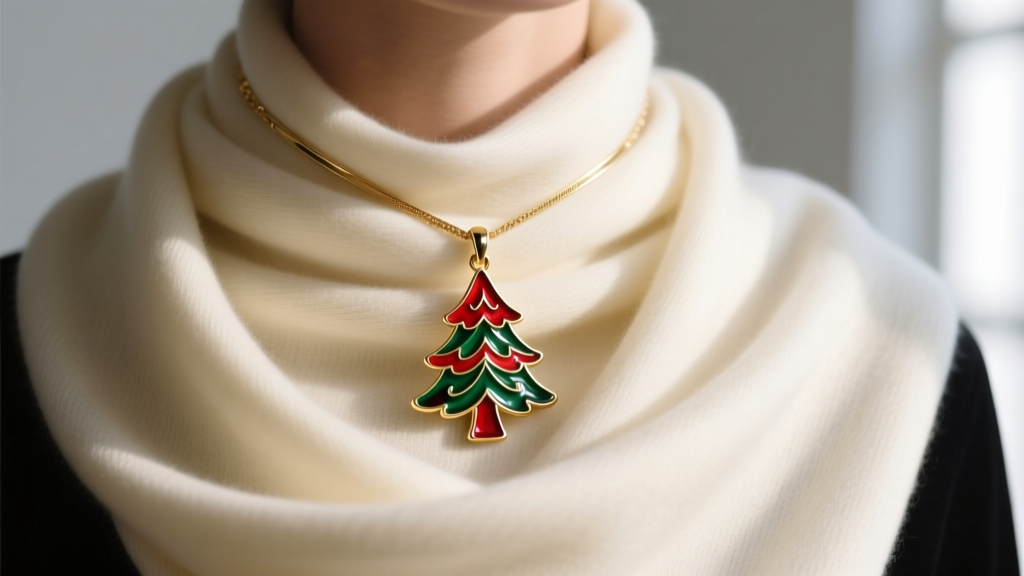
- The Scarf Slide: Heavy 1950s tree brooches (often weighing 40-60 grams) can easily distort and tear delicate silk or fine merino wool. Instead, use a brooch converter to turn the piece into a scarf slide for thick cashmere wraps. The tension of the wrapped fabric holds the weight securely without requiring a pin puncture.
- The Beret Anchor: Felted wool berets are a winter staple. Pinning a medium-sized, flat-backed enameled tree brooch to the side of a beret provides a structural anchor and a focal point, provided the pin stem is at least 1.2mm thick to prevent bending.
- Belt Buckle Accents: For a subtle nod to the holidays, use a magnetic brooch converter to attach a lightweight, 1980s pewter tree piece to a wide leather obi belt. Magnets distribute the pull-force across a wider surface area, preventing the leather from sagging.
'The key to styling vintage holiday jewelry in 2026 is juxtaposition. Pairing an ornate, rhinestone-heavy Trifari tree brooch with a minimalist, structured wool tunic creates a tension that feels modern rather than costumey.' — Editorial Note, Jewel Style Radar
Sourcing & Authentication: Spotting the Markers
When hunting for authentic vintage pieces on estate sale platforms or specialized forums like Costume Jewelry Collectors, the hardware on the reverse side of the piece tells the true story of its age.
Clasp Typology
If you are evaluating a purported 1940s tree brooch, examine the clasp. Pieces from this era typically feature a trombone clasp (a tube with a push-pull mechanism) or a simple C-clasp without a rolling safety catch. If the piece features a modern rollover safety clasp with a machine-stamped, uniform hinge, it is likely a later reproduction or has had its hardware replaced, significantly diminishing its collector value. Furthermore, look for maker's marks. 'Trifari' with a crown over the T (Crown Trifari) indicates post-1955 production, while an unadorned 'Trifari' stamp suggests an earlier, often more valuable, 1940s piece.
Care & Preservation: Combating Holiday Storage Degradation
The most catastrophic failure mode for vintage Christmas tree jewelry is rhinestone desilvering. This occurs when moisture breaches the protective glass dome and reacts with the metallic foil backing, turning the stone a murky, irreversible black. To preserve your collection through the off-season, you must control the micro-climate of your storage.
- Never Use Ultrasonic Cleaners: The high-frequency vibrations will shatter the delicate foil backing and loosen the adhesive holding the stones in their prongs.
- Dry Brushing Only: Use a clean, dry, soft-bristled makeup brush to remove dust from the crevices of the tree branches. If a stone is heavily soiled, use a barely damp cotton swab on the top of the glass only, ensuring no moisture drips down the sides.
- Combat Verdigris: Copper and brass alloys react with oxygen and skin acids to form verdigris (a green, crusty copper carbonate). If you spot early-stage verdigris on the pin stem or clasp, gently remove it with a wooden toothpick and a tiny dab of mineral oil. Never use harsh chemical polishes, as they will strip the gold or rhodium plating from the base metal.
- Anti-Tarnish Storage: Store pieces individually in acid-free tissue paper inside airtight polyethylene bags (avoid PVC, which emits gases that degrade plastics and enamels). Include a 3M anti-tarnish strip in each bag to absorb ambient sulfur compounds.
Whether you are a seasoned collector hunting for a rare 1950s Coro craft tree or a modern stylist incorporating demi-fine enamel pendants into a winter capsule wardrobe, understanding the material science and historical context of these pieces elevates them from mere seasonal novelties to respected works of wearable art.


