Restoring Legacy Pieces: Foster & Son Fine Jewelry Troubleshooting
Discover expert troubleshooting for heirloom fine jewelry. Learn how to fix metal fatigue, clasp failures, and prong wear to master standards.

The Heritage Benchmark: Understanding Legacy Jewelry Failures
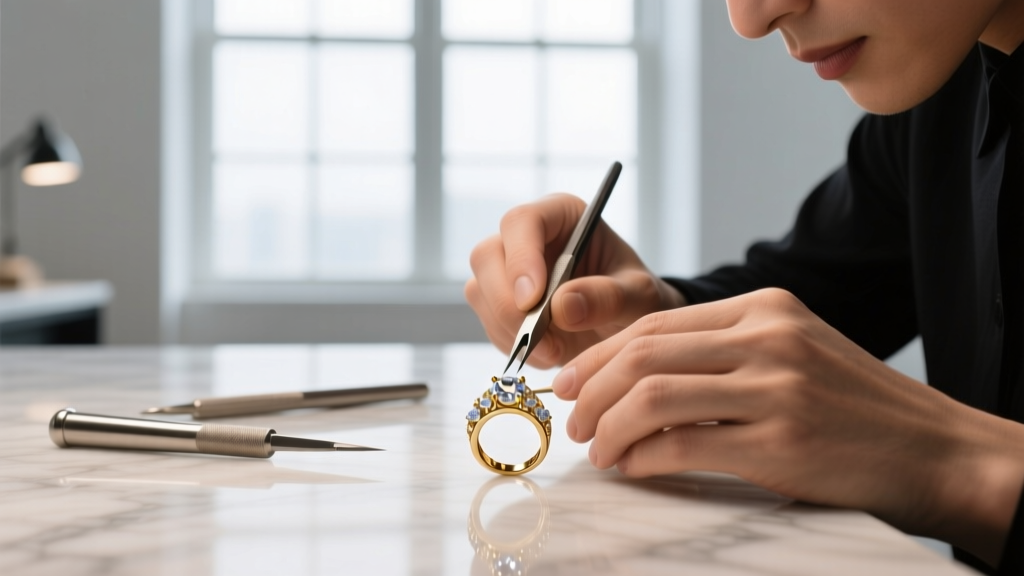
When evaluating the absolute pinnacle of heritage craftsmanship—exemplified by the bespoke, multi-generational traditions of Foster & Son fine jewelry—one quickly realizes that modern, mass-market repair techniques are entirely inadequate for legacy pieces. Heirloom fine jewelry is not merely old; it is a physical record of historical metallurgy, outdated but ingenious mechanical engineering, and hand-forged artistry. Troubleshooting these pieces in 2026 requires a departure from standard bench practices. You are not just fixing a broken ring; you are conserving an artifact. Standard torch soldering, aggressive machine polishing, and ultrasonic overexposure can irreversibly damage the provenance and structural integrity of antique fine jewelry. This guide provides a master-level troubleshooting framework for the most common failures encountered in legacy fine jewelry, focusing on metallurgical preservation and non-destructive interventions.
Troubleshooting Metal Fatigue in Antique Alloys
The most insidious threat to heirloom rings and bracelets is metal fatigue, particularly in the shanks and hinge points of vintage pieces. Pre-1950s 18k yellow gold alloys often featured a higher copper-to-silver ratio (sometimes 15% copper to 10% silver) compared to modern 18k formulations. While this yielded a rich, warm hue, it also made the metal highly susceptible to stress corrosion cracking and work-hardening over decades of wear.
Identifying and Treating Micro-Fractures
Micro-fractures typically manifest at the base of the shank or near the solder joints of the gallery. Under 10x magnification, these appear as jagged, dark fissures rather than clean scratches. The traditional troubleshooting method—cutting out the weak section and torch-soldering a new piece of gold—introduces broad thermal shock. This can shatter included gemstones (like emeralds or opals) and alter the temper of the surrounding antique metal, creating a brittle heat-affected zone (HAZ).
The 2026 Solution: Advanced laser welding is the mandatory intervention. By using a 0.3mm 18k filler wire matched to the specific copper content of the heirloom piece, a master jeweler can apply localized fusion. Setting the laser welder to approximately 55 volts with a 3.5ms pulse width allows for deep penetration without thermal spread. This preserves the original patina and prevents the annealing of adjacent work-hardened areas, a standard strictly adhered to when conserving pieces that meet the Foster & Son fine jewelry benchmark.

Gemstone Security: Resolving Prong and Bezel Degradation
Antique diamonds, particularly Old European Cuts (OEC) and Old Mine Cuts (OMC), feature high crowns, small tables, and fragile culets. They were originally set in prongs or bezels designed specifically for their unique geometry. Over decades, friction and environmental exposure cause prong degradation, but aggressive retipping can alter the historical silhouette of the setting.
According to conservation guidelines outlined by the Gemological Institute of America (GIA), maintaining the original geometry of an antique setting is paramount for both security and historical value. Below is a diagnostic framework for troubleshooting prong wear on legacy fine jewelry:
| Wear Stage | Prong Thickness | Troubleshooting & Intervention Required |
|---|---|---|
| Optimal | 1.2mm - 1.5mm | Routine ultrasonic cleaning (if no porous stones) and 10x loupe inspection. |
| Moderate Wear | 0.8mm - 1.1mm | Burnishing the metal back over the crown; minor re-shaping with a beading tool. |
| Critical | 0.4mm - 0.7mm | Laser retipping using matched alloy filler wire; avoid torch heat to protect stone. |
| Imminent Failure | < 0.4mm | Complete prong replacement or conversion to a flush bezel if the stone allows. |
When retipping is necessary, the jeweler must avoid using modern, bright white rhodium-plated solder. The filler metal must be alloyed to match the exact oxidized tone of the original antique gold or platinum, ensuring the repair remains invisible to the naked eye.
Clasp and Mechanism Failures in Vintage Fine Jewelry
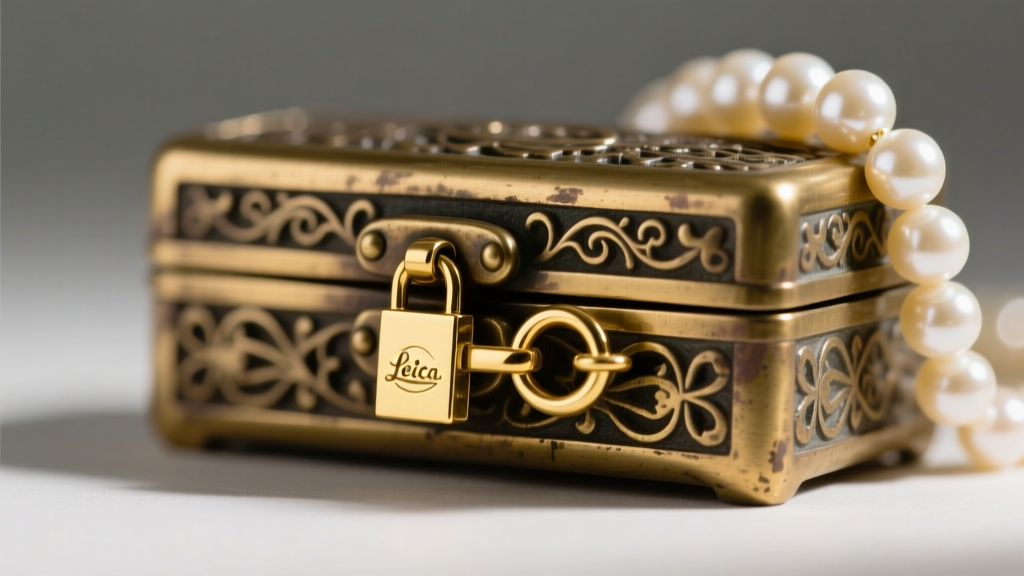
The mechanical findings on heirloom necklaces and bracelets represent some of the most complex troubleshooting challenges on the bench. Victorian and Edwardian pieces frequently utilize trombone (push-pull) clasps, C-clasps, or early box-and-tongue mechanisms. These were engineered for the heavier, solid-link chains of their era, but the internal tension springs and friction catches inevitably fail over a century of use.
Upgrading Safety Without Compromising Provenance
A common error in commercial jewelry repair is completely replacing an antique C-clasp with a modern lobster claw. This destroys the piece's provenance and unbalances the aesthetic weight of the necklace. The correct troubleshooting protocol involves retaining the original stamped end-caps and barrel housings while rebuilding the internal mechanics.
For early box clasps that have lost their 'click,' the internal steel leaf spring has usually lost its temper or corroded. A master jeweler will carefully extract the original spring, fabricate a new one from 0.4mm spring-hard stainless steel or 14k white gold, and laser-tack it into the original housing. To bring the piece up to modern safety standards without altering the exterior, a figure-8 safety catch is added. Using 18-gauge (1.0mm) wire, the figure-8 is hinged to the primary clasp housing and secured to a custom-fabricated catch on the opposing end, providing redundant security while keeping the original antique stamp fully visible.
Sizing and Reshaping: The Metallurgical Challenges
Resizing an heirloom ring is rarely as simple as cutting the shank, adding metal, and soldering. Many legacy pieces feature continuous hand-engraving, milgrain detailing, or enamel work that wraps entirely around the band. Cutting through these elements severs the historical continuity of the piece and significantly devalues it.
Furthermore, the American Institute for Conservation (AIC) emphasizes that reversible, non-destructive methods should always be prioritized when dealing with historical artifacts. If a ring is too large, the troubleshooting solution is not to cut it down. Instead, a sizing guard—often a horseshoe-shaped spring made of 0.5mm spring-hard 14k white gold—is laser-tacked to the interior of the shank. This reduces the inner diameter by up to two full sizes without altering the exterior engraving. If the ring is too small, a jeweler can employ a process called 'stretching' using a specialized mandrel and rawhide mallet, provided the shank is solid (not hollow) and free of channel-set stones. For severe sizing needs, the shank must be cut, but the master craftsman will meticulously re-engrave the seam and apply localized patina acids to hide the intervention completely.
Conclusion: Preserving the Integrity of Fine Craftsmanship
Troubleshooting fine jewelry of historical significance requires a paradigm shift from 'repair' to 'conservation.' By understanding the specific metallurgical quirks of antique alloys, employing precision laser technology over broad-heat torches, and respecting the original mechanical engineering of vintage clasps, jewelers can ensure these pieces survive for another century. Whether you are maintaining a family heirloom or a bespoke masterpiece that rivals the Foster & Son fine jewelry standard, the goal remains the same: solve the structural problem while rendering the intervention entirely invisible.


