Ariadne Fine Jewelry Repair: Cost & Value Assessment
Is Ariadne fine jewelry repair worth the premium? We break down repair costs, value retention, and bench jeweler alternatives.

When a cherished piece of high-end jewelry sustains damage, the immediate question is rarely just about fixing it; it is about preserving its intrinsic and sentimental value. For collectors and owners of boutique and designer pieces, navigating the landscape of ariadne fine jewelry repair requires a nuanced understanding of metallurgy, bench jeweler expertise, and brand-specific warranties. Unlike mass-market costume jewelry, fine and demi-fine pieces demand specialized restoration techniques that protect both the structural integrity of the precious metals and the clarity of the gemstones.
In this comprehensive budget and value assessment, we break down the true costs of fine jewelry restoration, compare official brand services against independent master jewelers, and provide a data-driven framework to help you decide when to repair, when to replace, and how to maximize your investment's longevity.
The Economics of Fine Jewelry Restoration
The cost of repairing fine jewelry is rarely a reflection of the raw materials used in the fix. A gram of 18-karat gold solder costs only a few dollars. Instead, you are paying for highly specialized labor, overhead, insurance, and risk mitigation. According to the Jewelers of America, a certified master bench jeweler undergoes years of apprenticeship to understand the thermal dynamics of different alloys.
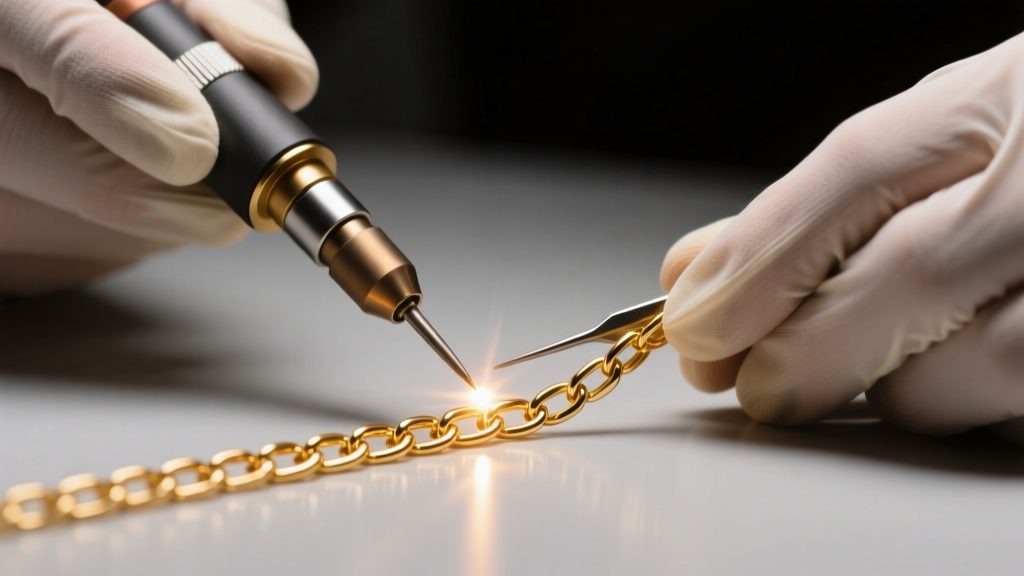
When dealing with intricate designer pieces, the risk of thermal shock to included diamonds or the melting of delicate micro-pave settings is high. Traditional torch soldering requires the application of flux and heat, which can easily fracture emeralds, opals, or tension-set stones if not properly managed. Consequently, high-end repair facilities invest upwards of $15,000 in precision laser welding machines. These lasers allow jewelers to fuse platinum and gold at a microscopic level without transferring heat to adjacent gemstones, a necessity for preserving the value of complex fine jewelry.
Ariadne Fine Jewelry Repair: Official vs. Third-Party Bench Jewelers
Owners of specialized boutique pieces often face a dilemma: send the item back to the original maker for an official ariadne fine jewelry repair or take it to a trusted local master jeweler. Both routes have distinct financial and qualitative implications.
Cost and Turnaround Comparison Matrix
| Repair Service | Official Brand Service | Independent Master Jeweler | Mail-In Mega-Center |
|---|---|---|---|
| Ring Sizing (18k Gold) | $150 - $250 | $85 - $140 | $60 - $90 |
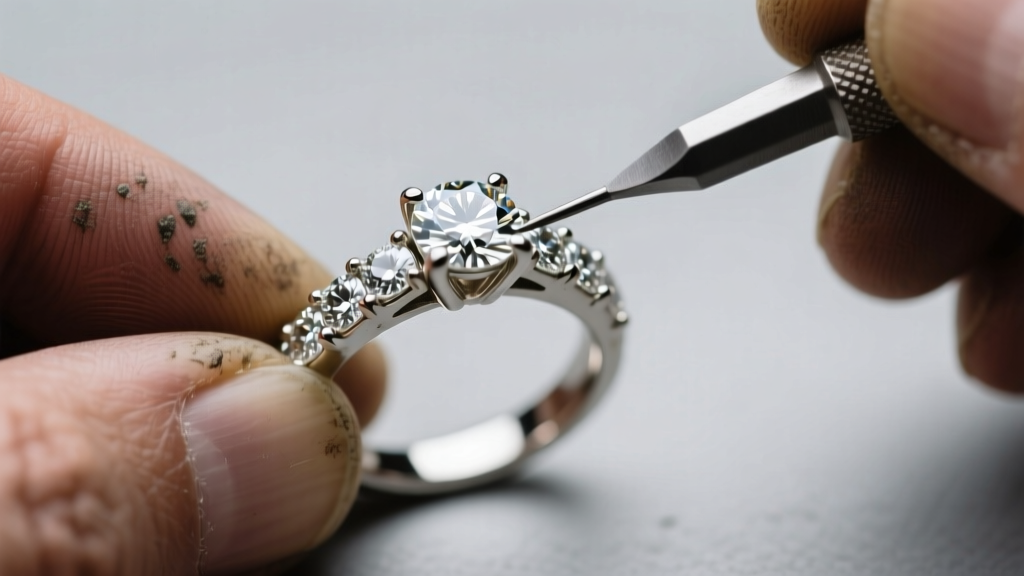
| Prong Retipping (per prong) | $45 - $75 | $25 - $40 | $20 - $30 |
| Chain Soldering (Laser) | $120 - $180 | $65 - $110 | $45 - $70 |
| Rhodium Plating (White Gold) | $95 - $150 | $60 - $85 | $40 - $60 |
| Estimated Turnaround Time | 4 - 8 Weeks | 1 - 2 Weeks | 2 - 3 Weeks |
While the official brand service ensures that the piece is handled by artisans intimately familiar with the original design archives, the premium can be 50% to 100% higher than a local expert. Furthermore, mail-in mega-centers, while budget-friendly, often utilize assembly-line repair methods that may involve aggressive polishing, inadvertently removing hallmarks and softening the crisp edges of designer silhouettes.
Material-Specific Repair Challenges in Fine Tiers
To accurately assess the value of a repair quote, you must understand the material science dictating the jeweler's approach. The Gemological Institute of America (GIA) emphasizes that different karats and alloys react uniquely to bench work.
18k Gold vs. 14k Gold Soldering
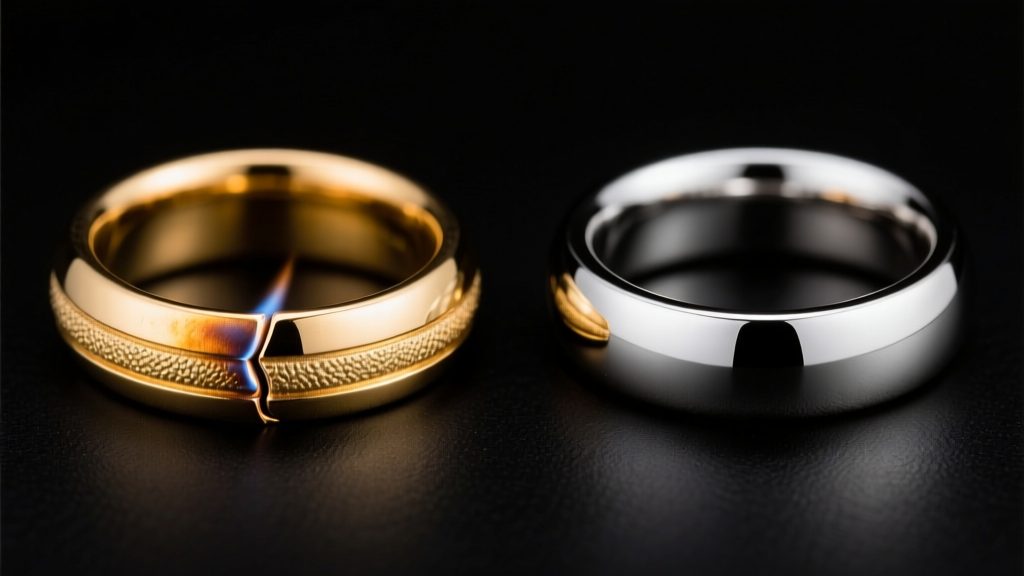
Many high-end European and boutique designers favor 18k gold for its rich, buttery yellow hue and higher purity (75% gold). However, 18k gold has a lower melting point than 14k gold and requires specific cadmium-free solders graded as 'hard,' 'medium,' and 'easy.' A skilled jeweler will use a 'hard' solder (melting around 780°C) for the primary structural join to ensure the seam is as durable as the original shank. If a discount jeweler uses a low-temperature 'easy' solder to save time, the repair joint will be brittle, prone to pitting, and visibly discolored over time, severely diminishing the piece's long-term value.
Platinum and Laser Welding
Platinum is the premier metal for securing high-value diamonds due to its density and lack of 'memory' (it bends rather than snaps). However, platinum's extremely high melting point (1,768°C) makes traditional torch soldering perilous for nearby stones. Laser welding is practically mandatory for platinum repairs. If a quote for a platinum shank rebuild seems suspiciously cheap, it is highly likely the jeweler plans to use white gold solder as a shortcut, which will result in a weak, discolored joint that compromises the structural integrity of the ring.
Assessing Value Retention Post-Repair
Does utilizing a third-party jeweler void the warranty or diminish the resale value of your fine jewelry? In the secondary luxury market—on platforms like The RealReal or Vestiaire Collective—provenance and condition are paramount. An official repair maintains the unbroken chain of custody, which is highly attractive to vintage collectors. However, a beautifully executed, invisible laser weld by a certified master jeweler will not negatively impact the appraisal value of the piece, provided the original hallmarks and maker's marks are preserved.
"The goal of fine jewelry restoration is invisibility. If you can see the seam on a polished 18k gold band with the naked eye, the bench jeweler has failed the piece. True value retention lies in seamless metallurgical fusion." — Master Bench Jeweler Certification Standards
When to Repair vs. When to Replace: A Decision Matrix
Budgeting for jewelry maintenance requires a pragmatic approach to value assessment. Use the following framework to determine the financial viability of your repair:
- The 50% Rule for Demi-Fine: If the piece is demi-fine (e.g., gold vermeil, sterling silver with small melee diamonds) and the repair cost exceeds 50% of the current retail replacement value, it is generally more economical to replace the item and repurpose the broken one for scrap or charms.
- The Heirloom Exception: For solid 18k gold, platinum, and pieces with significant sentimental or historical value, the 50% rule does not apply. The intrinsic melt value of heavy gold chains often justifies complex laser welding, regardless of the labor cost.
- Stone Replacement vs. Setting Repair: If a micro-pave diamond falls out, assess the setting. If the prongs are merely worn, retipping ($30/prong) is a high-value investment. If the entire gallery wire is degraded, a full rebuild is required, which may cost more than the melee diamonds are worth.
- Insurance Appraisals: Always consult your jewelry insurance provider before authorizing repairs exceeding $500. Many policies will cover the cost of restoring a damaged item to its pre-loss condition, provided you use a jeweler who supplies a detailed, itemized bench report.
Final Verdict on Budgeting for Heirloom Maintenance
Ultimately, assessing the budget for an ariadne fine jewelry repair or any high-end boutique restoration comes down to balancing immediate costs against long-term preservation. While official brand services offer peace of mind and archival accuracy, a highly vetted local master jeweler equipped with laser welding technology can often deliver identical, if not superior, structural results at a fraction of the cost and time. By understanding the metallurgical requirements of your specific pieces and demanding transparency in the materials used, you can ensure your fine jewelry remains a lasting, valuable asset for generations to come.


