Glitz and Glam Fine Jewelry: A Beginner's Style Guide
Discover how to build a lasting collection of glitz and glam fine jewelry. Learn the difference between real diamonds, pavé settings, and costume sparkle.

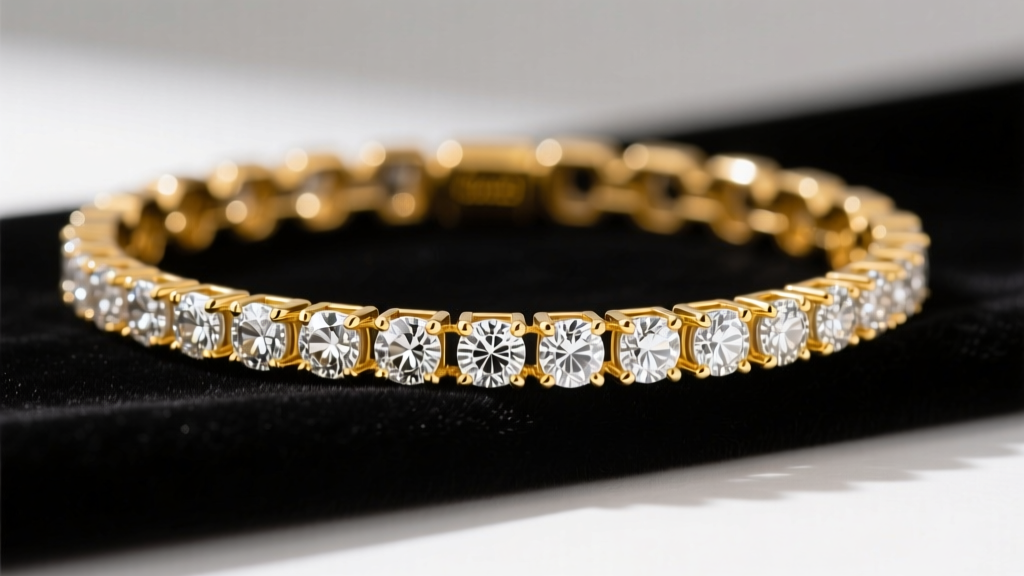
The Illusion of Sparkle: Costume vs. Fine Jewelry
When beginners search for high-impact accessories, they often confuse the temporary flash of costume pieces with true glitz and glam fine jewelry. The distinction is not just about price; it is about material science, longevity, and light performance. Costume jewelry relies on cubic zirconia (CZ) and rhodium-plated brass to mimic luxury. However, CZ has a higher dispersion rate (0.058-0.066) compared to a natural diamond (0.044). This means CZ actually exhibits more rainbow 'fire' than a diamond, which beginners often mistake for superior sparkle. Over time, CZ's porous surface absorbs skin oils and lotions, turning cloudy and dull within months.
True glitz and glam fine jewelry relies on the precise facet geometry of genuine diamonds or high-grade moissanite, set in solid precious metals. As we navigate the jewelry landscape in 2026, the rise of premium lab-grown diamonds has democratized this space, allowing newcomers to acquire substantial carat weights and impeccable clarity without compromising the 'fine' designation.
The Anatomy of Genuine Glamour
Achieving a high-glamour look in fine jewelry requires specific setting techniques and stone cuts designed to maximize light return. It is not just about the size of the stone, but how it interacts with light.
Pavé and Micro-Pavé Settings
The word 'pavé' means 'paved' in French, referring to a surface encrusted with small gemstones. In micro-pavé, diamonds are typically under 0.01 carats each. The glamour here comes from the collective light return of dozens of tiny stones, creating a continuous ribbon of sparkle. According to the Gemological Institute of America (GIA), the precision of the melee (small diamonds) is critical. If the melee is poorly cut, the entire piece will look flat and glassy, regardless of the center stone's quality.
Brilliant-Cut vs. Crushed Ice
For maximum glitz, the round brilliant cut remains the undisputed king. Its 57 or 58 facets are mathematically optimized to reflect white light (brilliance) and disperse colored light (fire). Conversely, 'crushed ice' cuts—often found in cushion or oval lab-grown diamonds—feature a fragmented facet pattern on the pavilion. While they offer a unique, glittering aesthetic, they sacrifice overall brilliance and can sometimes exhibit a 'bow-tie' shadow effect across the center of the stone.
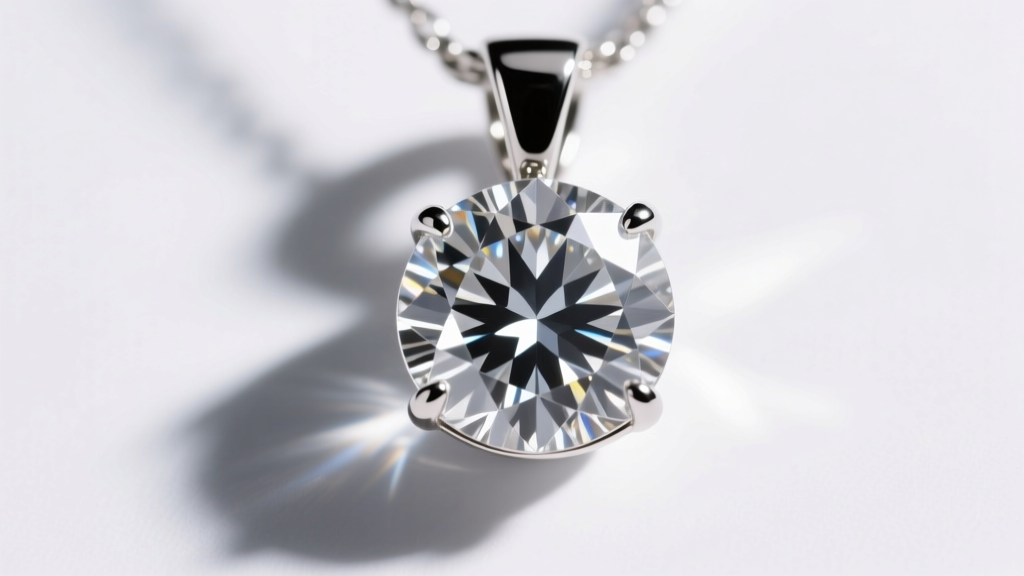
Material Grades That Guarantee the Glow
The metal holding your stones is just as vital as the gems themselves. High-glam fine jewelry demands metals that can be polished to a mirror finish and hold delicate prongs securely.
| Material | Glam Factor | Durability & Prong Security | Entry Price Tier |
|---|---|---|---|
| 18k Yellow Gold | Rich, warm luxury; deep color | Moderate; too soft for micro-pavé prongs | $$$$ |
| Platinum (950) | Bright, icy; enhances diamond whiteness | Exceptional; malleable but does not lose metal volume | $$$$$ |
| 14k White Gold | High shine via rhodium plating | High; rigid, but plating wears off over time | $$$ |
| VS Clarity Diamonds | Crisp, clean, unobstructed sparkle | 10 on Mohs scale; highly chip-resistant | $$$$ |
| SI1/SI2 Diamonds | Ideal for micro-pavé melee stones | 10 on Mohs scale; inclusions hidden by small size | $$ |
For pieces heavily reliant on pavé settings, platinum is the superior choice. While 14k white gold is harder, its rigidity can cause microscopic prongs to snap under stress. Platinum, being denser and more malleable, allows jewelers to push the metal over the diamond's girdle securely, creating a lasting hold that withstands daily wear.
Building Your Entry-Level Glam Collection
Transitioning from fashion jewelry to fine jewelry requires a strategic approach. Focus on versatile, high-impact pieces that serve as the foundation of a glamorous wardrobe.
- The Tennis Bracelet: The ultimate symbol of glitz and glam fine jewelry. Opt for a 3mm to 4mm width in a 4-prong setting. A 3.00-carat total weight (ctw) lab-grown diamond bracelet in 14k white gold offers massive visual impact and typically ranges from $2,500 to $4,000 in 2026, a fraction of its natural counterpart.
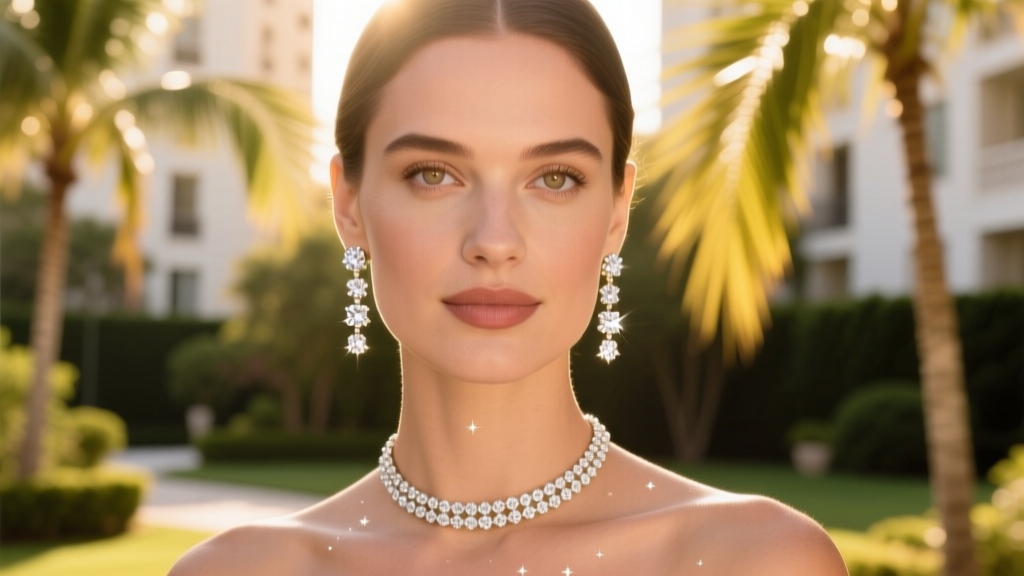
- Chandelier Drop Earrings: Look for articulated joints. Fine jewelry chandelier earrings should move fluidly with your head, catching light from multiple angles. Ensure the posts and butterfly backs are solid 14k or 18k gold, as base metal backs can cause contact dermatitis.
- The Pavé Huggie Hoop: A modern staple. Choose hoops with an inner diameter of 12mm to 14mm, featuring a continuous line of micro-pavé diamonds on the outer edge. This provides a subtle but intense flash of light perfect for everyday glamour.
Red Flags: When 'Glam' is Just Glued Glass
As a beginner, you will encounter marketing terms designed to blur the line between costume and fine jewelry. Be highly skeptical of the following:
Expert Warning: Terms like 'diamond-cut crystal,' 'simulated diamond,' or 'epoxy-set stones' are immediate indicators of fashion jewelry. True fine jewelry relies on mechanical tension (prongs, bezels, or channels) to hold stones, never industrial adhesives. If a piece claims to be 'fine' but features glued-in rhinestones, it will inevitably fail when exposed to heat, water, or cosmetics.
Furthermore, always check for the FTC-mandated metal quality marks. According to the Federal Trade Commission (FTC), fine jewelry must be accurately stamped with its metal purity (e.g., 14k, 18k, 750, 950 Plat). If a piece lacks a stamp or features a vague 'gold tone' label, it is not fine jewelry, regardless of how brilliantly it sparkles under store lighting.
Caring for High-Impact Fine Pieces
Maintaining the 'glitz' in your fine jewelry requires specific care protocols, especially for intricate settings. Many beginners mistakenly believe that because diamonds are a 10 on the Mohs hardness scale, they are indestructible. While diamonds resist scratching, they can chip if struck at a weak point along their cleavage planes.
More importantly, avoid ultrasonic cleaners for micro-pavé jewelry. Ultrasonic machines use high-frequency sound waves (typically around 40 kHz) to create microscopic cavitation bubbles in a cleaning solution. While excellent for removing grime from solid solitaire rings, these intense vibrations can easily shake the tiny metal beads of a micro-pavé setting loose, resulting in lost diamonds.
Instead, adopt the professional jeweler's daily cleaning method: mix a few drops of mild, ammonia-free dish soap in a bowl of warm water. Let your jewelry soak for 15 minutes to loosen sebum and lotion buildup. Gently scrub the underside of the settings (the pavilion) with a soft-bristled baby toothbrush. The underside of the diamond is where light enters and exits; keeping this area free of oil is the single most effective way to maintain maximum brilliance and fire. Rinse thoroughly under lukewarm water and pat dry with a lint-free microfiber cloth.
By understanding the material science and structural integrity behind these pieces, you can confidently invest in glitz and glam fine jewelry that will outlast fleeting trends and retain its breathtaking sparkle for generations.


