Fashion Jewelry Definition: A Budget & Value Assessment Guide
Understand the true fashion jewelry definition. Learn how to assess value, compare material grades, and budget smartly for costume and demi-fine pieces.

Beyond the Basics: The Modern Fashion Jewelry Definition
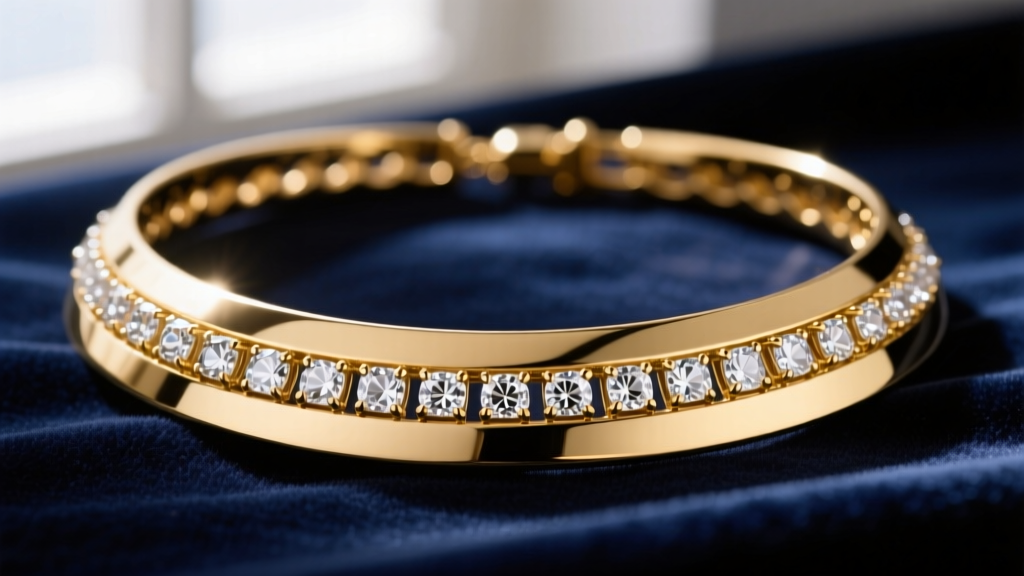
When building a versatile wardrobe, understanding the fashion jewelry definition is the first step toward making financially sound purchasing decisions. Historically, fashion jewelry—often interchangeably called costume jewelry—was defined strictly by its use of base metals (like brass, copper, or pewter) and simulated gemstones (such as glass, resin, or cubic zirconia). The primary value proposition was never intrinsic material wealth, but rather trend-driven design, accessibility, and bold aesthetic expression.
However, as we navigate the 2026 market, the traditional fashion jewelry definition has become increasingly blurred. The rise of advanced metallurgical techniques and high-grade simulants means that a $60 piece of fashion jewelry can now outlast a $300 piece of poorly crafted demi-fine jewelry. To accurately assess budget and value, consumers must look past the 'costume' label and evaluate the specific manufacturing techniques, plating thicknesses, and alloy compositions that dictate a piece's true lifespan and cost-per-wear.
Material Breakdown: What You Are Actually Paying For
The core of the fashion jewelry definition rests on its base metal. Unlike fine jewelry, which relies on the melt value of precious metals, fashion jewelry derives its structural integrity from industrial alloys. Understanding these alloys is critical for budget assessment, as they dictate how the piece will react to skin acidity, humidity, and daily friction.
| Base Material | Common Alloys/Types | Durability & Value Profile | Ideal Budget Range |
|---|---|---|---|
| Zinc Alloy (Zamak) | Zinc mixed with aluminum, magnesium, copper | Low. Highly porous, prone to snapping and rapid tarnishing. Often used in ultra-fast fashion. | $5 - $20 |
| Brass | Copper and zinc alloy | Medium. Malleable and takes plating well, but can cause green skin reactions if the plating wears off. | $25 - $75 |
| 316L Stainless Steel | Surgical steel with molybdenum | High. Hypoallergenic, highly resistant to tarnish. The 2026 gold standard for premium fashion jewelry bases. | $40 - $120 |
The Plating Paradigm: Flash vs. PVD
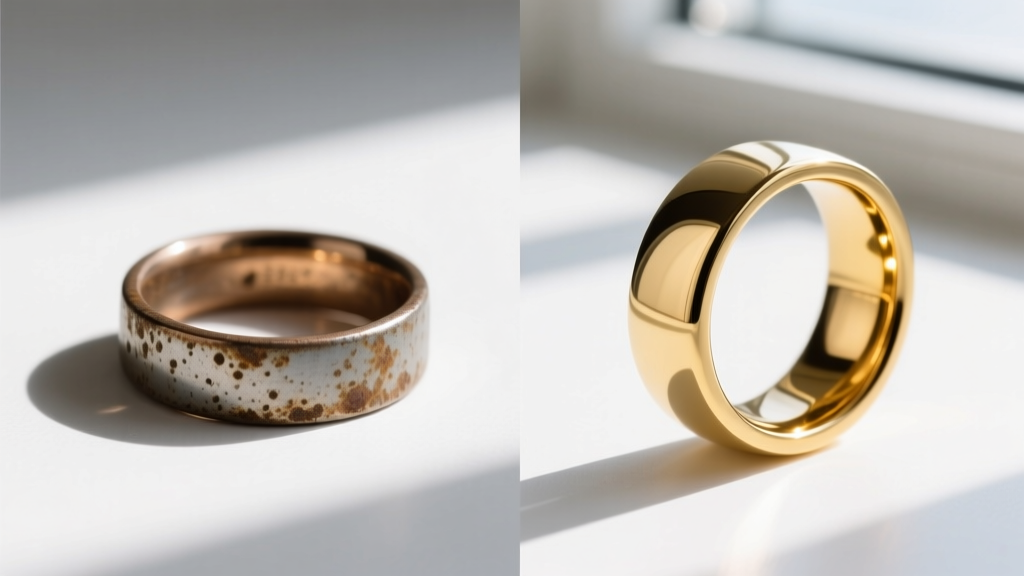
The most significant value differentiator in modern fashion jewelry is the plating method. Traditional electroplating (often referred to as 'flash plating') deposits a microscopic layer of gold or silver—usually between 0.1 and 0.5 microns. This thin layer rubs off within months of daily wear. According to the FTC Jewelry Guides, marketers must be careful not to misrepresent the thickness or permanence of these coatings.
Conversely, Physical Vapor Deposition (PVD) has revolutionized the upper echelon of the fashion jewelry definition. PVD bonds gold or titanium nitride to the base metal at a molecular level in a vacuum chamber. A PVD-coated 316L stainless steel piece can withstand years of daily wear, sweat, and water exposure without flaking, making it a vastly superior budget investment over traditional brass-and-flash-plate alternatives.
The 'Designer Tax' vs. Intrinsic Value
A major pitfall in budget assessment is conflating brand equity with material value. In the realm of haute couture and luxury fashion houses, a pair of brass earrings with standard cubic zirconia can easily retail for $600 to $1,200. From a strict material standpoint, the intrinsic value of the brass and glass is less than $4. You are paying almost exclusively for the logo, the runway association, and the brand's marketing overhead.
For the value-conscious collector, the fashion jewelry definition should serve as a boundary line. If your budget is under $200, purchasing 'designer' fashion jewelry yields a terrible return on investment regarding craftsmanship and material longevity. Instead, redirecting that budget toward specialized, mid-tier jewelry artisans who utilize PVD plating, vermeil (which borders on demi-fine), and precision-set simulants will yield pieces that look and perform identically to luxury counterparts at a fraction of the cost.
Stone Simulants: CZ, Glass, and Resin Valuation
Gemstone simulants are the second pillar of the fashion jewelry definition. While glass and resin are common in lower-tier pieces, Cubic Zirconia (CZ) dominates the mid-to-high-end fashion market. However, not all CZ is created equal, and recognizing the grading scale is essential for value assessment.
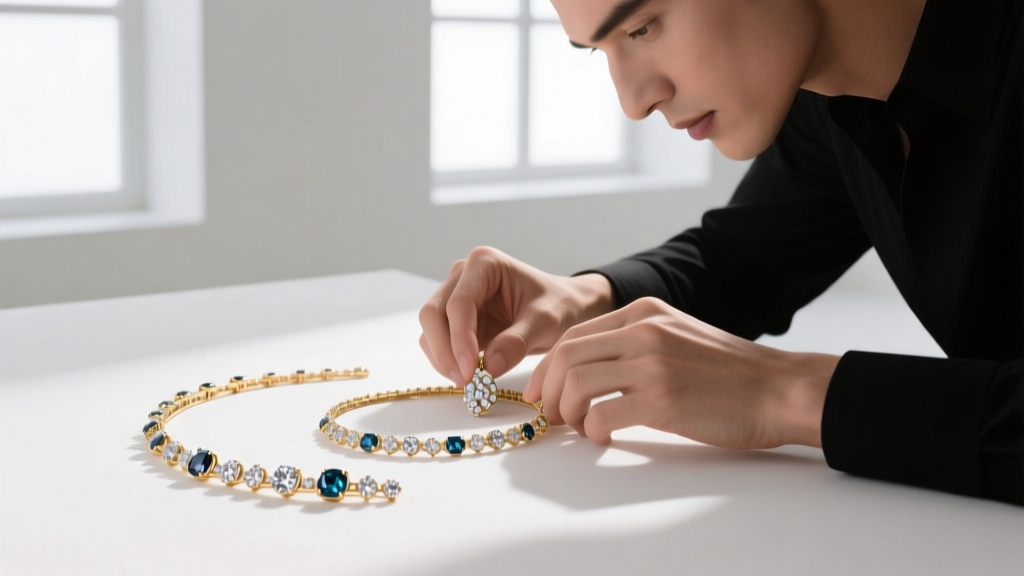
The Gemological Institute of America (GIA) notes that the optical properties of simulants vary wildly based on manufacturing precision. High-grade AAAAA cubic zirconia is machine-cut with exact facet junctions, mimicking the light dispersion and brilliance of a flawless diamond. Lower-grade AB or standard CZ stones are often molded or poorly cut, resulting in cloudy, lifeless stones that immediately betray the piece's fashion origins. When assessing value, always inspect the stones under a loupe or bright directional light; sharp, crisp facets indicate a higher manufacturing cost and justify a higher retail price.
A Practical Budgeting Framework for Fashion Pieces
To maximize your jewelry budget in 2026, use this tiered framework to determine if a piece is priced fairly according to its material reality:
- Tier 1: Trend/Disposable ($5 - $25) Expect zinc alloys, flash plating, and glass/resin stones. Buy only for hyper-specific, short-term trends or single-use events. Do not expect longevity.
- Tier 2: Core Fashion ($30 - $85) Expect solid brass bases, e-coating (anti-tarnish layers), standard to high-grade CZ, and thicker electroplating (1-2 microns). Ideal for seasonal wardrobe staples.
- Tier 3: Premium/Artisan Fashion ($90 - $180) Expect 316L stainless steel or bronze bases, PVD coatings, AAAAA CZ or lab-grown accent stones, and precision prong settings. These pieces offer the best cost-per-wear and can easily be mistaken for fine jewelry.
- Tier 4: The Danger Zone ($200 - $500+) Unless the piece features heavy gold vermeil (2.5+ microns over sterling silver) or significant brand resale value, avoid this price range. You are overpaying for base metals and simulants.
Care and Longevity: Maximizing Your Investment
Because the fashion jewelry definition inherently excludes the corrosion-resistant properties of solid gold or platinum, maintenance is non-negotiable. To protect your budget, implement a strict care protocol. Store pieces in anti-tarnish cloth pouches with silica gel packets to control ambient humidity. Avoid applying perfumes, lotions, or hairsprays while wearing brass-based fashion jewelry, as the alcohols and chemicals rapidly degrade standard electroplating. For PVD-coated stainless steel, simply wash with mild soap and water to remove skin oils and environmental pollutants. By understanding the precise material limitations of your fashion jewelry, you can extend its lifespan by years, ensuring your budget is spent on building a lasting, stylish collection rather than constantly replacing tarnished accessories.


