How to Authenticate & Invest in Paul Medawar Fine Jewelry
Learn how to evaluate, authenticate, and invest in Paul Medawar fine jewelry with our step-by-step guide on hallmarks, gem grading, and bespoke commissions.

The Heritage and Market Position of Paul Medawar Fine Jewelry
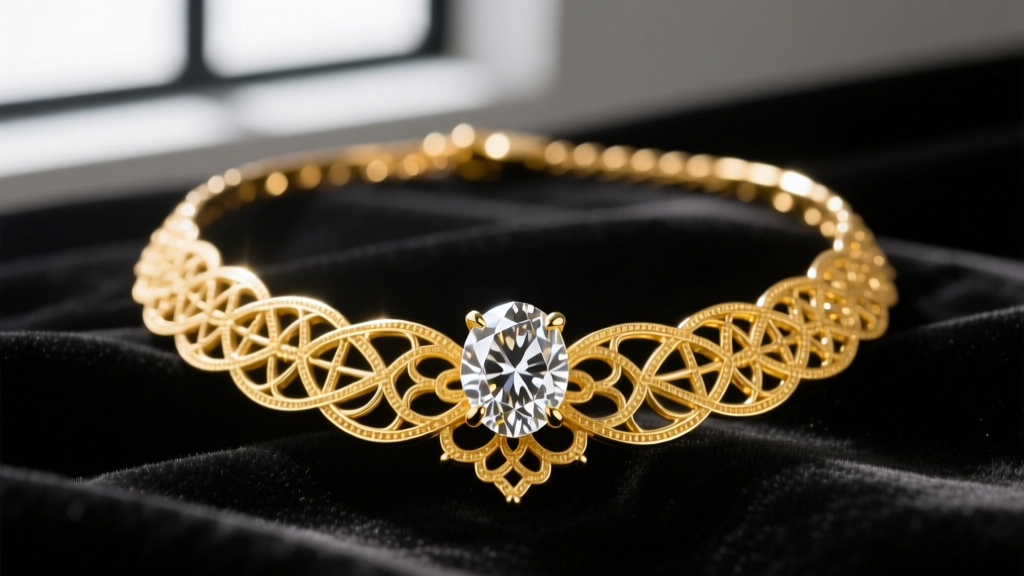
Navigating the upper echelons of the luxury market requires more than just an appreciation for aesthetics; it demands a rigorous understanding of craftsmanship, metallurgy, and gemology. When evaluating Paul Medawar fine jewelry, collectors and investors are engaging with a lineage of design that bridges traditional Middle Eastern goldsmithing heritage with contemporary high-jewelry architecture. As we move through 2026, the secondary market for bespoke and designer fine jewelry has seen a marked shift toward pieces that offer both verifiable provenance and exceptional material purity.
Whether you are looking to acquire a vintage statement piece, authenticate a recent acquisition, or commission a bespoke creation, a systematic approach is essential. This guide provides a comprehensive, step-by-step framework for evaluating the structural integrity, gemological quality, and investment viability of these exceptional pieces.
Step 1: Metallurgical Verification and Hallmark Analysis
The foundation of any high-jewelry investment lies in its metallurgical composition. Authentic Paul Medawar fine jewelry is predominantly crafted in 18-karat (750) gold, though select regional and bespoke commissions may utilize 21-karat (875) gold to achieve a deeper, richer yellow hue that is highly prized in Levantine jewelry traditions.
Inspecting the Maker's Mark and Assay Stamps
To authenticate the metal purity, you must use a 10x triplet loupe to inspect the interior shanks of rings or the concealed clasp mechanisms of necklaces. You are looking for three distinct stamps:
- The Purity Mark: Typically '750' or '18K' for standard pieces, and '875' or '21K' for specialized high-karat commissions.
- The Maker's Mark: A unique geometric or initials-based stamp registered to the specific atelier or master goldsmith.
- The Assay Office Mark: Depending on the country of origin and export, this could be a regional hallmark or an international convention mark.
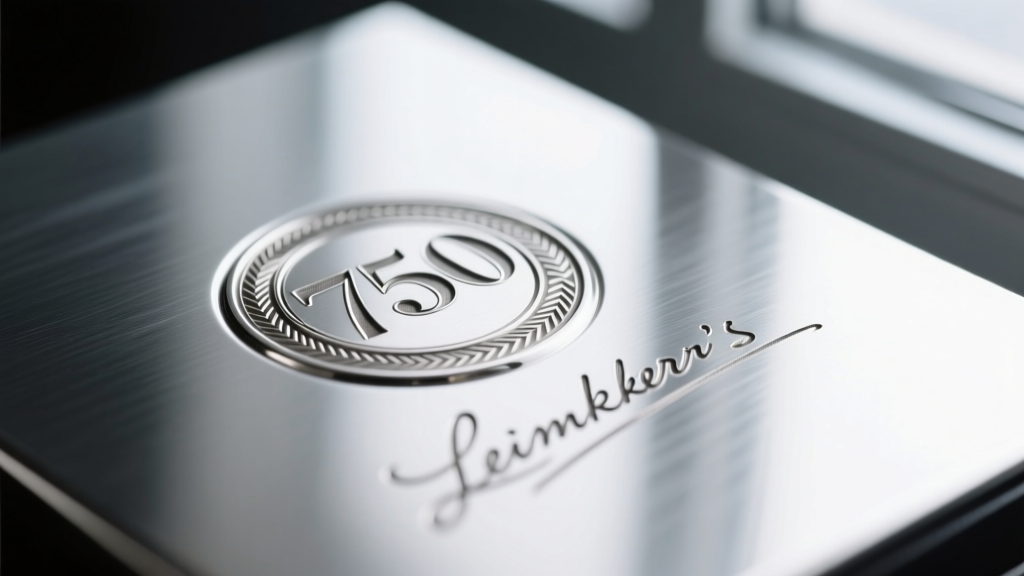
According to the Jewelers of America, proper hallmarking is the first line of defense against counterfeit alloys. If a piece lacks a clear, deeply struck, or laser-engraved 750 stamp, it should immediately be subjected to X-ray Fluorescence (XRF) testing by a certified gemologist to verify the exact copper, silver, and gold ratios.
Step 2: Gemological Assessment and Diamond Provenance
Paul Medawar fine jewelry is renowned for its precise pavé work and the selection of exceptional center stones. When evaluating the gemological components, you must look beyond the basic 4Cs and assess the light performance and setting architecture.
Evaluating Melee and Pavé Diamonds
The true test of a high-jewelry house is the quality of its melee diamonds (stones under 0.15 carats). In commercial jewelry, melee is often single-cut (17 or 18 facets) and lower in color (I-J). In authentic, high-tier Paul Medawar pieces, the pavé should consist of full-cut (57 or 58 facets) diamonds, typically ranging from D to G in color and VS1 to SI1 in clarity. This ensures that the micro-stones reflect light with the same brilliance as the primary center stone.
| Grade Tier | Faceting | Color Range | Clarity Range | Application |
|---|---|---|---|---|
| Commercial | Single Cut (17/18) | I - K | I1 - I2 | Mass-market fashion jewelry |
| Premium | Full Cut (57/58) | G - H | SI1 - SI2 | Standard fine jewelry pavé |
| Ideal / High | Full Cut (57/58) | D - F | VVS1 - VS2 | Bespoke Paul Medawar fine jewelry |
Verifying Center Stone Certification
Any center stone exceeding 0.50 carats in a Paul Medawar fine jewelry piece should be accompanied by a dossier or full grading report from a top-tier laboratory. The Gemological Institute of America (GIA) remains the gold standard for natural and lab-grown diamond grading. Ensure that the laser inscription on the diamond's girdle matches the report number, and verify that the pavilion angle (ideally between 40.6° and 41.0°) and table percentage (54% to 58%) align with excellent cut grades to maximize brilliance.
Step 3: Navigating the Bespoke Commission Process
For collectors looking to invest in a custom piece, understanding the atelier's workflow is critical for quality control. Commissioning Paul Medawar fine jewelry is a multi-stage process that requires client oversight at specific milestones.
- Consultation and CAD Rendering: The process begins with hand sketches, which are then translated into Computer-Aided Design (CAD) models. At this stage, review the structural tolerances. Prongs should be designed with a minimum thickness of 0.8mm for durability, and gallery wires must be at least 1.2mm to prevent warping during daily wear.
- Wax Model Approval: A 3D-printed resin or carved wax model is produced. Use this opportunity to check the ergonomics of the piece. A heavy statement ring, for example, should feature a 'euro-shank' (squared bottom) to prevent spinning on the finger.
- Casting and Pre-Polish: The piece is cast using the lost-wax method. Request to see the piece in its 'pre-polish' state. This allows you to inspect the porosity of the gold. High-quality casting will show zero surface pitting or microscopic gas bubbles.
- Stone Setting and Final Finish: Master setters secure the stones. For pavé, ensure the beads of metal holding the stones are perfectly rounded and do not catch on silk fabrics. The final polish should utilize a multi-step process, ending with a rouge buff to achieve a mirror-like luster on the gold.
Step 4: Archival Storage and 2026 Insurance Protocols
Owning high-caliber jewelry necessitates professional-grade care and modern insurance strategies. The materials used in Paul Medawar fine jewelry, while durable, are susceptible to environmental degradation if improperly stored.
Climate-Controlled Storage Solutions
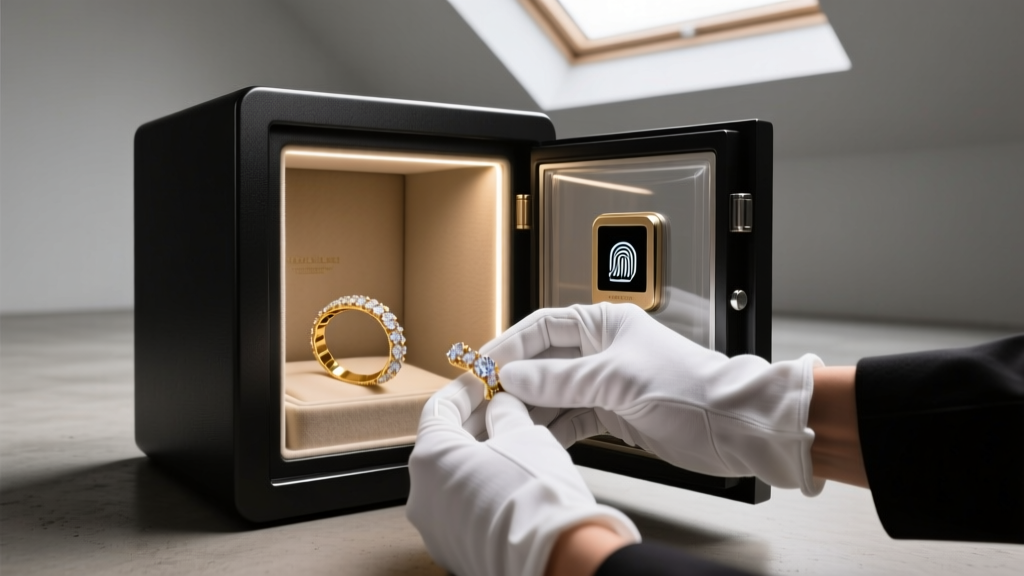
Gold alloys, particularly those with higher copper content used in rose gold variations, can oxidize or develop a patina if exposed to high humidity and sulfur compounds in the air. Store pieces individually in anti-tarnish, sulfur-free flannel pouches within a climate-controlled safe. Maintain a relative humidity level below 45% to protect both the metals and any porous accent stones, such as emeralds or pearls, which can fracture or dehydrate in overly dry or damp conditions.
Updating Insurance Appraisals
The valuation of fine jewelry fluctuates with the spot prices of precious metals and the global diamond market. As of 2026, insurance experts strongly recommend updating appraisals for high-value pieces every 24 months. When securing a policy, ensure you are covered for 'Agreed Value' or 'Replacement Cost' rather than 'Actual Cash Value,' which factors in depreciation. A comprehensive appraisal should include high-resolution macro photography, exact gram weights, and detailed gemological descriptions to expedite claims in the event of loss or theft.
"True high jewelry is not merely worn; it is stewarded. The intersection of master goldsmithing and elite gemology creates an asset class that demands the same rigorous documentation and care as fine art."
Conclusion
Investing in Paul Medawar fine jewelry is a commitment to preserving exceptional craftsmanship. By meticulously verifying hallmarks, demanding top-tier melee diamonds, actively participating in the bespoke commission process, and implementing archival storage protocols, you ensure that your collection retains both its structural integrity and its financial value for generations to come. Approach each acquisition with a gemologist's eye and a collector's passion, and your jewelry will serve as both a breathtaking adornment and a resilient legacy asset.


