Troubleshooting Estate Finds: Authenticating Herman's Fine Jewelry
Learn how to troubleshoot, authenticate, and repair vintage estate pieces from Herman's Fine Jewelry with our expert diagnostic guide.

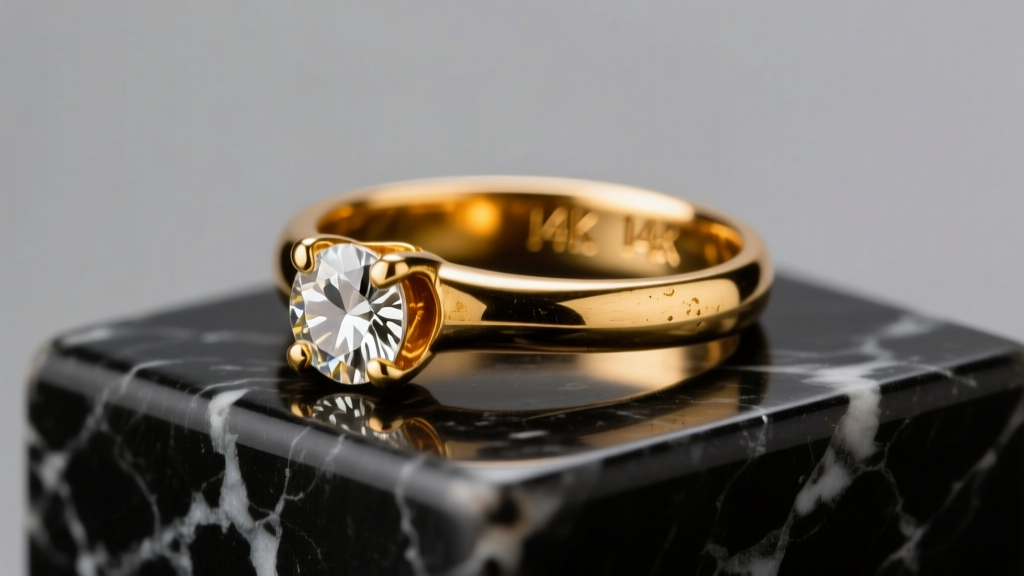
The secondary market for vintage and estate jewelry has exploded in recent years, offering collectors and enthusiasts the chance to acquire pieces with unparalleled craftsmanship and historical provenance. However, acquiring heirloom pieces—whether through auctions, private sales, or estate liquidations—comes with a unique set of gemological and metallurgical challenges. When evaluating estate pieces originally retailed by legacy regional establishments like Herman's Fine Jewelry, buyers often inherit mid-century masterpieces that require careful diagnostic troubleshooting to restore them to their former glory.
Legacy jewelers were known for curating high-quality inventory, often utilizing old European cut diamonds, natural sapphires, and heavy gold castings. Yet, decades of wear, outdated sizing methods, and shifting gemological treatments mean that a 2026 diagnostic approach is essential before you wear or insure these treasures. This guide provides a deep-dive troubleshooting framework for authenticating, assessing, and repairing fine estate jewelry.
The Legacy of Estate Acquisitions and Provenance
Provenance adds immense value to fine jewelry, but it also introduces specific troubleshooting variables. Pieces sourced from long-standing retailers often bear distinct maker's marks, regional assay stamps, or custom mounting signatures that differ from modern mass-produced jewelry. The primary issue buyers face is distinguishing between original period components and later, poorly executed repairs that compromise both the structural integrity and the valuation of the piece.
Expert Insight: Never rely solely on a faded receipt or an antique box to authenticate a piece. The metallurgical and gemological evidence inside the mounting tells the true story of the jewelry's history and current condition.
Diagnostic Step 1: Decoding Hallmarks and Maker's Marks
The first step in troubleshooting any estate find is a meticulous inspection of the inner shank and clasp mechanisms. You will need a 10x triplet loupe and a strong, directional LED light. Look for the following indicators:
- Karatage Stamps: Mid-century American pieces frequently feature '14K' or '18K' stamps. However, be wary of '14KP' (which means 14 Karat Plumb, guaranteeing it is exactly 58.5% gold, not a rounding up from 13.5K) versus modern misinterpretations.
- Platinum Indicators: Vintage platinum is often stamped 'PLAT', 'PT', or '900PT' (indicating 90% platinum and 10% iridium or ruthenium). If you see 'PT950', the piece is likely a later reproduction or a modern remount, as 950 platinum became the standard much later in the 20th century.
- Maker's Marks: Legacy stores often stamped their inventory with a geometric symbol or initials. Cross-referencing these marks with historical patent databases can help date the mounting to a specific decade, aiding in accurate insurance appraisals.
If the hallmark is worn away—a common issue on rings worn for 40+ years—do not attempt an acid test, as this damages the patina. Instead, seek a jeweler equipped with an XRF (X-ray Fluorescence) spectrometer, which provides a non-destructive, precise elemental breakdown of the alloy.
Diagnostic Step 2: Troubleshooting Mid-Century Stone Anomalies
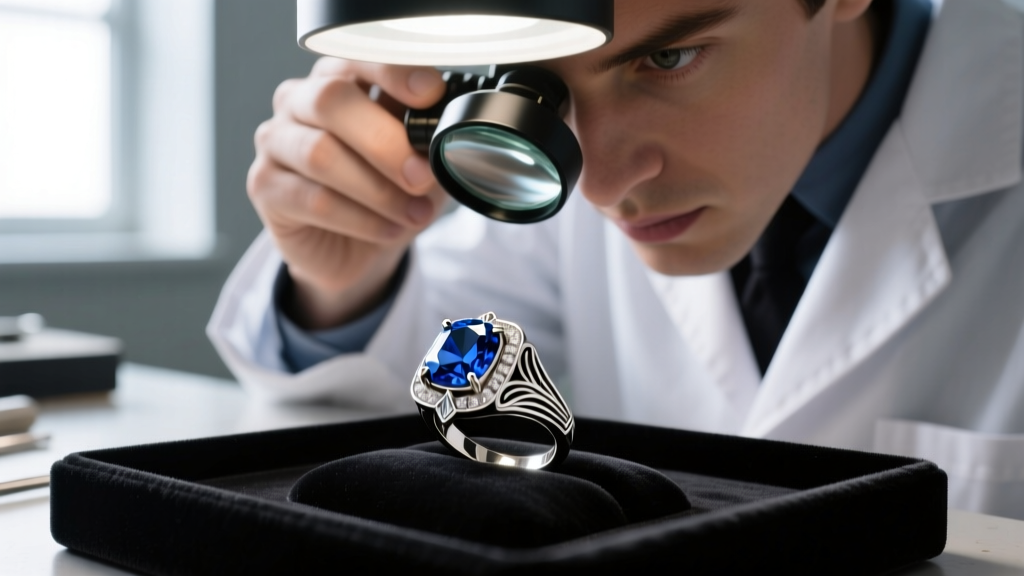
One of the most complex aspects of evaluating vintage fine jewelry is identifying the true nature of the gemstones. According to the Gemological Institute of America (GIA), the mid-20th century saw a massive influx of synthetic stones entering the market, often sold alongside natural gems in reputable stores before modern disclosure laws were standardized.
Spotting Verneuil Flame-Fusion Synthetics
If you are troubleshooting a vibrant, flawless ruby or sapphire in a 1940s or 1950s mounting, you must check for Verneuil flame-fusion synthetics. Under a 10x loupe or microscope, natural sapphires exhibit angular color zoning and straight growth lines. In contrast, Verneuil synthetics display curved striae (curved growth lines) and occasionally spherical gas bubbles. While these synthetic stones hold historical value as period-accurate components, their replacement cost is a fraction of a natural, unheated sapphire.
The Foil-Back Threat
Older estate pieces, particularly those with closed-back bezel settings, may utilize foil-backing to enhance the color and brilliance of a gemstone. If moisture penetrates the setting through a worn prong or a microscopic crack in the enamel, the foil will oxidize, turning black and completely deadening the stone's appearance. Troubleshooting this requires a master jeweler to carefully unseat the stone, clean the oxidized foil (or replace it), and re-seal the bezel using traditional techniques.
Diagnostic Step 3: Structural Integrity and Shank Repairs
Decades of wear take a severe toll on the structural integrity of fine jewelry. Gold is a malleable metal, and the daily friction of wearing a ring slowly erodes the shank and prongs. Below is a troubleshooting matrix for common structural defects found in estate pieces and their 2026 repair solutions.
| Defect Type | Diagnostic Method | Repair Solution | Est. 2026 Cost |
|---|---|---|---|
| Porosity in Cast Shank | Visual inspection for tiny surface pits; structural weakness during sizing. | Laser welding to fill pits with matching karat gold wire without overheating the piece. | $150 - $250 |
| Worn Cast Prongs | Loupe inspection; catching a fingernail on flat, thinning prong tips. | Re-tipping with hard solder or laser welding new gold beads; avoid replacing entire heads on antique pieces to preserve value. | $35 - $65 per prong |
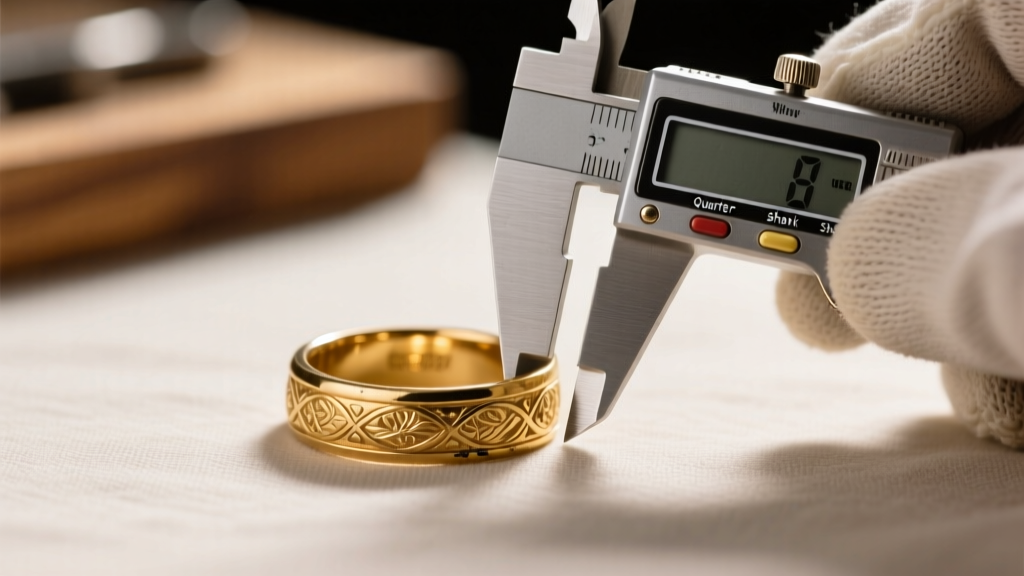
| Thin Knife-Edge Shank | Digital calipers measuring less than 1.2mm thickness at the bottom. | Quarter-shank or half-shank replacement using a custom-cast, heavier gauge mounting to match the original profile. | $300 - $550 |
| Soldered Sizing Joints | Color mismatch at the base; visible seam lines under magnification. | Laser polishing and blending the seam; re-plating if the piece is white gold (rhodium). | $80 - $120 |
The Ultrasonic Trap: Cleaning Risks for Vintage Pieces
A critical troubleshooting error made by new estate jewelry owners is the immediate use of ultrasonic cleaners. While modern jewelry can often withstand high-frequency sound waves in a chemical bath, vintage pieces carry hidden vulnerabilities that can lead to catastrophic failure.
- Fracture-Filled Diamonds: Older diamonds with surface-reaching fractures may have been treated with early glass-like fillers. Ultrasonic waves can shatter the stone or cloud the filler instantly.
- Opals and Emeralds: These gems are naturally porous and often treated with oils or resins. Ultrasonic cleaners will strip these oils, causing the emerald to turn opaque and white, or the opal to craze and crack.
- Channel Settings: Decades of minor impacts can loosen the tolerances in a channel setting. The vibration of an ultrasonic cleaner is often the final catalyst that causes a row of baguette diamonds to pop out and be lost in the tank.
For routine maintenance of estate jewelry, the Jewelers of America recommends using only a soft-bristled brush, warm water, and a mild, ammonia-free dish soap. Always dry the piece with a lint-free microfiber cloth and inspect the prongs with a loupe before every wear.
When to Seek Professional Appraisal and Restoration
Troubleshooting estate jewelry is a rewarding process that connects you to the history of the craft, but it requires knowing when to step back and consult a professional. If you acquire a piece from a legacy retailer like Herman's Fine Jewelry and notice mismatched solder colors, asymmetrical prong work, or stones that rattle slightly in their bezels, do not attempt DIY fixes.
Seek out a bench jeweler who specializes in antique restoration. These artisans understand the importance of preserving the original patina, utilizing period-accurate soldering techniques, and maintaining the historical integrity of the mounting. By combining a keen eye for gemological anomalies with a respect for vintage metallurgy, you can ensure that these remarkable pieces of fine jewelry survive to be cherished by the next generation.