How Elite Designer Jewelry Brands Engineer Their Materials
Discover how elite designer jewelry brands engineer proprietary gold alloys, source hard stones, and treat metals to ensure lifelong durability.

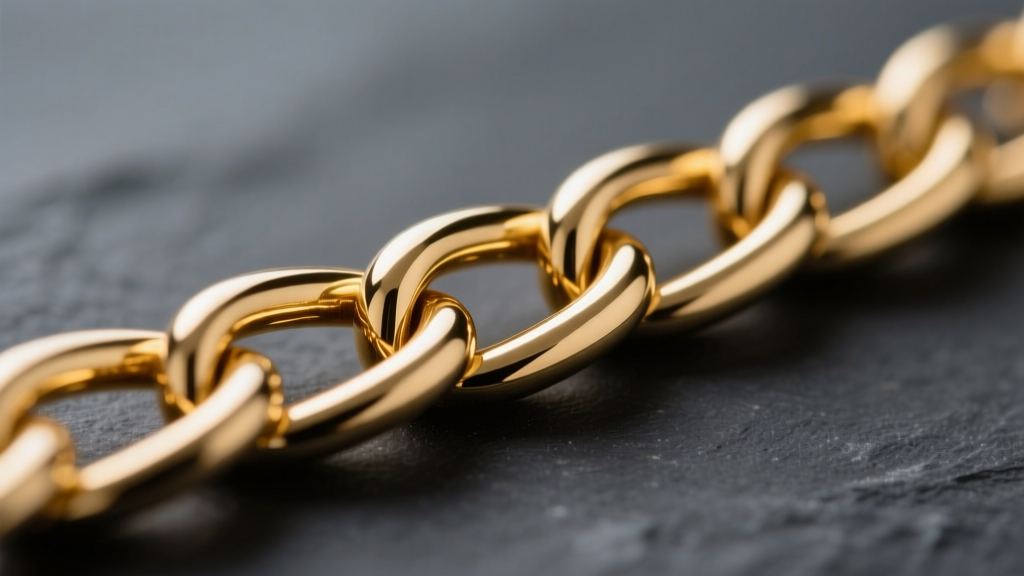
When evaluating the vast spectrum of the jewelry market, the distinction between standard fine jewelry and true luxury pieces often comes down to material science. While mass-market fine jewelry relies on standardized precious metal purities, elite designer jewelry brands operate at the intersection of metallurgy, gemology, and mechanical engineering. They do not merely purchase gold and gemstones; they engineer proprietary alloys, stabilize fragile minerals, and develop hidden hardware mechanisms to ensure their pieces withstand decades of daily wear. Understanding these material properties is essential for collectors, appraisers, and informed buyers looking to justify the premium associated with heritage maisons.
The Metallurgy of Prestige: Proprietary Gold Alloys
Standard 18-karat gold consists of 75% pure gold and 25% alloy metals (typically copper and silver). However, standardized recipes often result in colors that can appear overly brassy or prone to oxidation over time. Top designer jewelry brands invest heavily in proprietary alloy formulations to achieve signature hues and enhanced durability.
For instance, the warm, distinct yellow gold utilized by heritage houses like Cartier is achieved by meticulously balancing the copper-to-silver ratio, often adding trace amounts of zinc to prevent the copper from oxidizing and turning the metal reddish over decades of wear. Similarly, in the realm of rose gold, brands like Rolex have patented alloys such as Everose, which incorporates a specific percentage of platinum into the gold-copper mix. The platinum acts as a stabilizer, preventing the rose gold from fading or darkening when exposed to chlorinated water or acidic skin pH levels.
| Alloy Type | Standard Composition (18k) | Luxury Proprietary Modification | Primary Benefit |
|---|---|---|---|
| Yellow Gold | 75% Au, 12.5% Ag, 12.5% Cu | Adjusted Ag/Cu ratio + trace Zinc | Prevents reddish oxidation, creates warmer hue |
| Rose Gold | 75% Au, 22.25% Cu, 2.75% Ag | Addition of 1-3% Platinum | Locks in pink color, prevents UV/chemical fading |
| White Gold | 75% Au, 25% Pd or Ni | High Palladium + Rhodium plating | Eliminates nickel allergies, ensures bright white base |
According to the World Gold Council, the integration of palladium instead of nickel in luxury white gold not only creates a hypoallergenic material but also provides a naturally whiter base metal, reducing the reliance on thick rhodium plating that eventually wears off.
Hard Stones vs. Soft Gems: The Stabilization Imperative
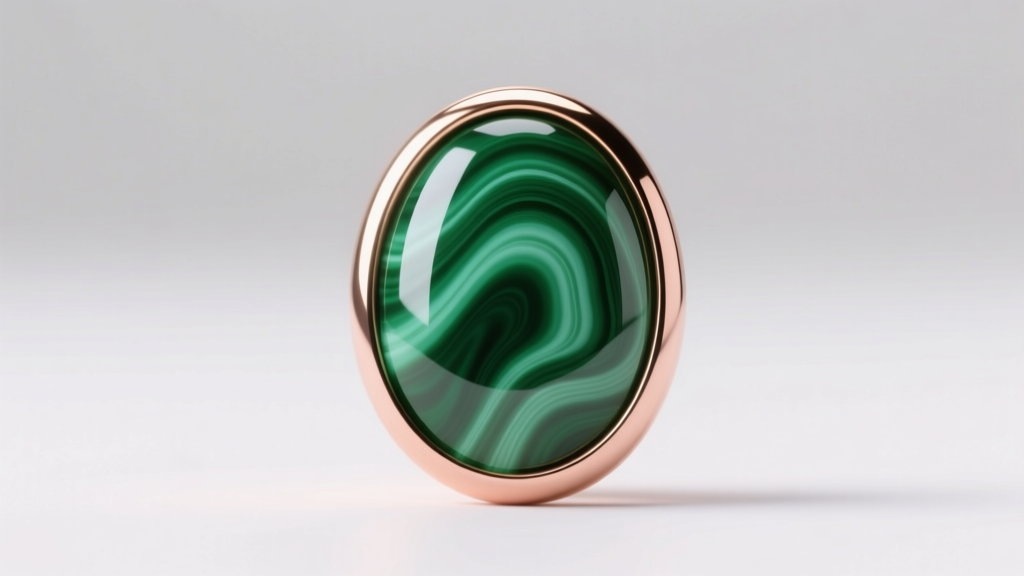
Beyond metals, designer jewelry brands are renowned for their use of ornamental hard stones such as malachite, lapis lazuli, onyx, and tiger’s eye. These materials present a unique engineering challenge: they are visually striking but mechanically fragile. Malachite, for example, ranks at a mere 3.5 to 4 on the Mohs hardness scale, making it highly susceptible to scratching and chipping from minor impacts.
Engineering Solutions for Fragile Cabochons
To mitigate these failure modes, luxury maisons employ several material treatments:
- Epoxy Stabilization: Before cutting, porous stones like turquoise and lapis lazuli are often subjected to a vacuum chamber where a clear, hardening epoxy resin is forced into the microscopic fissures of the stone. This increases the structural integrity without altering the visual color.
- Bezel Architecture: Designer brands rarely use prong settings for hard stones. Instead, they engineer precise, thick 18k gold bezels that wrap entirely around the girdle of the cabochon, protecting the vulnerable edges from lateral impacts.
- Backing Plates: Thin slices of onyx or mother-of-pearl are frequently bonded to a rigid aerospace-grade titanium or steel backing plate using jeweler's epoxy, preventing the stone from snapping under the torsional stress of a ring shank.
The GIA Gem Encyclopedia notes that the long-term stability of these ornamental stones relies heavily on the precision of the lapidary cut and the protective architecture of the metal setting, distinguishing true luxury pieces from mass-produced fashion alternatives that simply glue raw stones into shallow settings.
Silver Tarnish and the Platinum Standard
Sterling silver (92.5% silver, 7.5% copper) is notoriously prone to tarnishing due to the copper content reacting with sulfur in the atmosphere. While many contemporary brands have shifted to Argentium silver (which replaces some copper with germanium for tarnish resistance), heritage designer jewelry brands like Tiffany & Co. often rely on rigorous polishing standards and ultra-thin, proprietary rhodium or platinum flash-plating over their sterling silver pieces to create an impenetrable barrier against oxidation.
When it comes to platinum, the material standard shifts. While some markets accept 900 platinum (90% platinum, 10% iridium or cobalt), elite designer brands almost exclusively utilize Pt950 (95% platinum, 5% ruthenium). Ruthenium is a rare platinum group metal that significantly increases the hardness and yield strength of the alloy. This specific material property is crucial for intricate pavé settings, as the prongs must be strong enough to hold diamonds securely without bending, yet malleable enough for a master setter to push over the gemstone without snapping.
The Hidden Hardware: Springs, Clasps, and Alloys
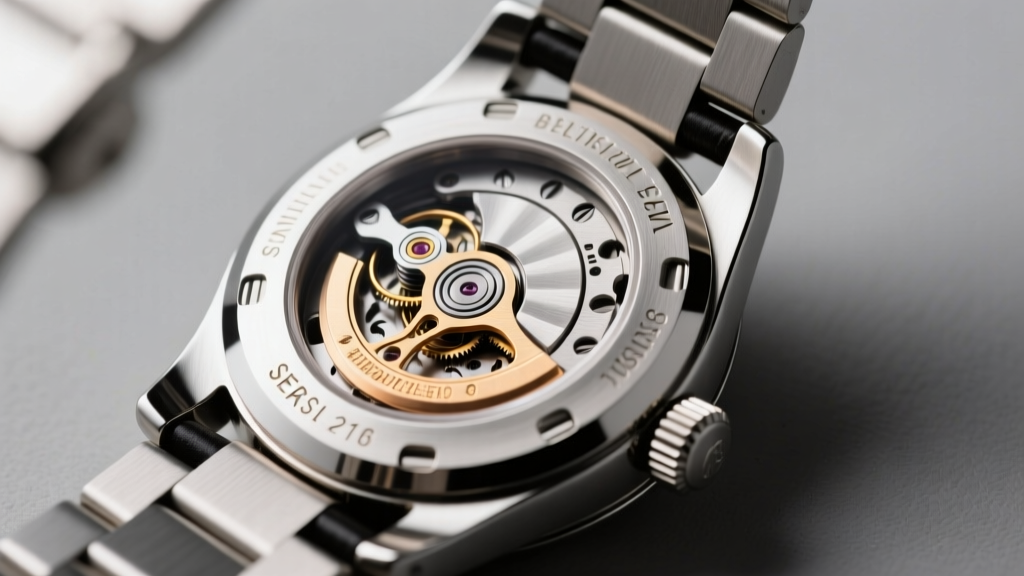
The true mark of material engineering in designer jewelry brands is found in the hidden hardware. A clasp or hinge is a mechanical component subject to repeated stress, yet it must seamlessly integrate into a precious metal design. Pure 18k gold is far too soft to function as a spring; a gold spring would permanently deform after a few dozen uses.
To solve this, luxury engineers utilize beryllium-copper alloys for internal clasp springs and tension mechanisms. Beryllium-copper possesses the elasticity of steel but can be plated to perfectly match the surrounding 18k gold or platinum. Furthermore, in flexible jewelry designs—such as the iconic serpentine or gas-pipe chains—designer brands use specialized titanium or surgical-grade stainless steel for the internal tension wires, ensuring the necklace drapes fluidly like fabric while possessing the tensile strength to support heavy diamond pendants without stretching.
Verifying Authenticity Through Material Diagnostics
Because the material properties of designer jewelry are so highly specialized, they provide a reliable framework for authentication. When evaluating a piece, professionals look beyond the hallmark stamps, which can be easily forged, and instead analyze the material behavior:
"Authenticity in luxury jewelry is rarely proven by a single stamp; it is proven by the metallurgical consistency, the specific gravity of the alloy, and the microscopic precision of the hidden hardware."
Appraisers utilize X-ray Fluorescence (XRF) spectrometry to verify not just the karat of the gold, but the specific trace elements (like the presence of platinum in rose gold or ruthenium in platinum) that indicate a proprietary luxury alloy. Additionally, the specific gravity test can reveal if a piece is hollowed out or filled with base metals, a common flaw in counterfeit designer pieces that fail to match the exact density of solid 18k gold (approximately 15.6 g/cm³).
Ultimately, the premium commanded by top designer jewelry brands is not merely a tax on the logo. It is a reflection of rigorous material science, proprietary alloy development, and mechanical engineering designed to ensure that a piece of jewelry remains structurally sound and visually flawless for generations.


