Fine Jewelry Rental for Wedding: 2026 Expert Guide
Explore the technical tiers, insurance clauses, and 2026 pricing for fine jewelry rental for wedding events. Make an informed bridal choice.

The Shift Toward Circular Luxury in 2026
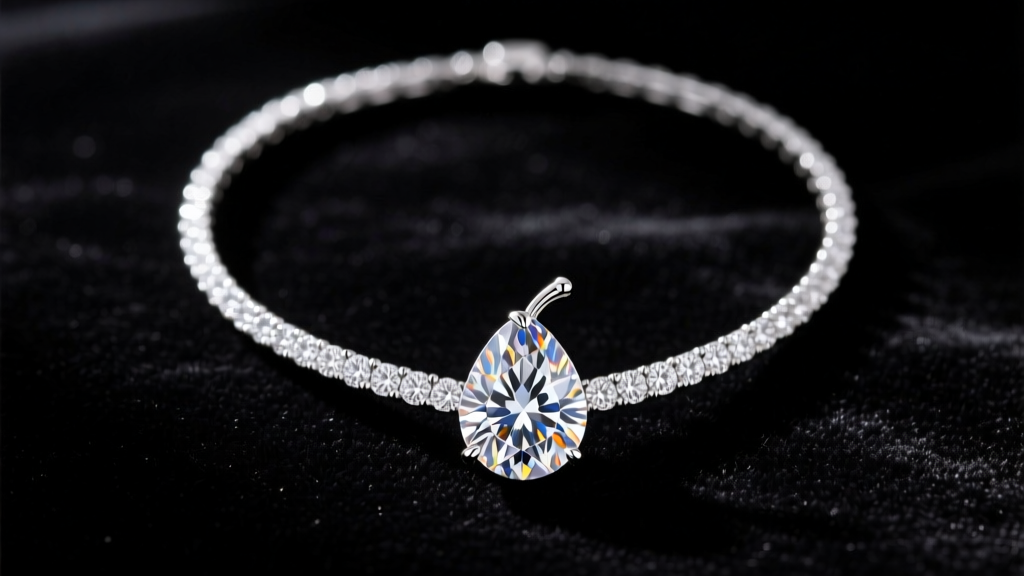
The landscape of bridal accessories has undergone a massive paradigm shift. In 2026, the concept of fine jewelry rental for wedding events is no longer a niche workaround for budget-conscious brides; it is a strategic, highly technical choice embraced by luxury collectors and sustainability advocates alike. Accessing high-jewelry pieces—such as 15-carat diamond riviere necklaces or vintage sapphire tiaras—without absorbing the 40% retail markup and subsequent depreciation requires a deep understanding of the rental ecosystem. This guide bypasses the superficial style advice and dives directly into the metallurgical, gemological, and logistical realities of renting high-end bridal assets.
The Economics of Bridal Rentals: Retail vs. Rental Value
Understanding the financial architecture of jewelry rentals is crucial. Rental houses operate on an amortization model, where a single piece must be rented out 15 to 20 times to recoup its wholesale acquisition cost. Consequently, the rental fee you pay is a fraction of the retail price, but it scales exponentially based on the asset's tier, rarity, and insurance risk. Below is the 2026 market breakdown for fine jewelry rental for wedding scenarios, categorizing assets by their material specifications and associated costs.
| Rental Tier | Material & Gemstone Specifications | Est. Retail Value | Avg. 4-Day Rental Cost (2026) | Standard Security Deposit |
|---|---|---|---|---|
| Demi-Fine Bridal | 14k Gold Vermeil, Lab-Grown Diamonds (VS clarity) | $800 - $2,500 | $85 - $150 | 20% of Retail |
| Fine Jewelry | 18k Solid Gold, Natural Diamonds (G-H color, SI1) | $5,000 - $25,000 | $350 - $900 | 30% of Retail |
| High Jewelry / Heritage | Platinum, Flawless/VVS Natural Diamonds, Untreated Sapphires | $50,000 - $250,000+ | $2,500 - $8,500 | Full Appraised Value (Escrow) |
When evaluating these tiers, remember that demi-fine pieces often utilize lab-grown diamonds. While optically identical, their resale and insurance valuations differ vastly from natural stones, which directly impacts the rental house's damage waiver premiums.
Technical Specifications: Inspecting the Assets
When you receive a high-value rental, you are assuming temporary custodianship of a precision-engineered asset. A rigorous inspection protocol is non-negotiable to avoid liability for pre-existing damage.
Prong Integrity and Setting Security
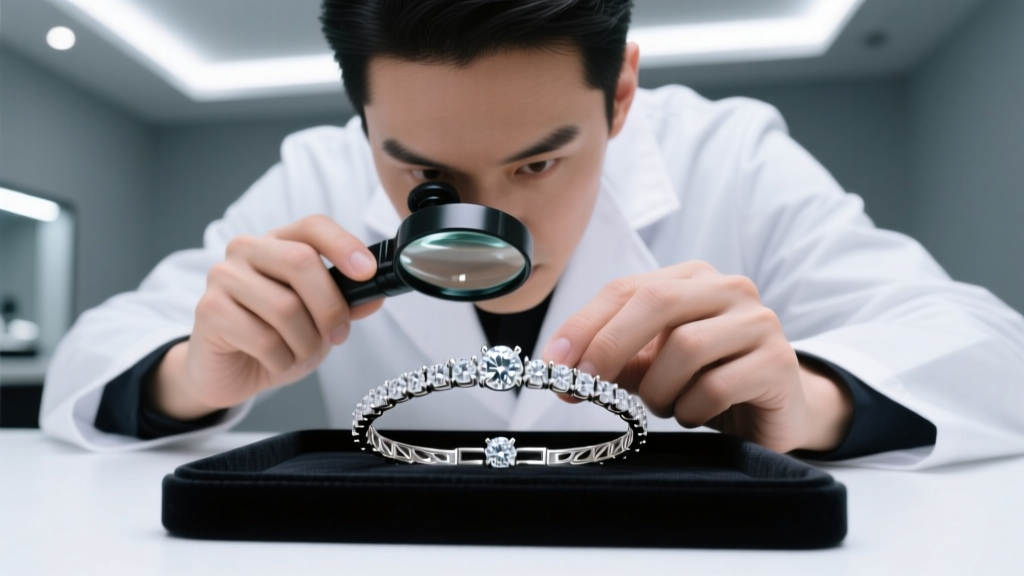
Before signing the final chain-of-custody receipt, inspect the settings using a 10x triplet loupe. According to gemological standards outlined by the Gemological Institute of America (GIA), prong wear is the leading cause of stone loss. For platinum settings, look for 'burring' or thinning at the tip of the prong where it meets the gemstone's girdle. Platinum is durable but malleable; it bends rather than breaks, meaning a prong can pull away from the stone without snapping. For 18k white gold rentals, check the rhodium plating. If the prongs show a yellowish tint, the rhodium has worn off, exposing the softer alloy underneath and indicating heavy prior wear that compromises structural integrity.
Gemstone Girdle and Laser Inscriptions
For any rented diamond over 1.00 carat, the rental house should provide a corresponding GIA or AGS grading report. Use a digital microscope or a high-powered loupe to locate the laser inscription on the diamond's girdle. Matching this microscopic serial number to the provided certificate is the only foolproof way to verify the asset's identity upon delivery and, crucially, upon return. This protects you from fraudulent claims that a stone was swapped during your custody.
Navigating Insurance, Liability, and Damage Clauses
The most heavily litigated aspect of fine jewelry rental for wedding events revolves around insurance. Standard homeowner's or renter's insurance policies are woefully inadequate for rented bridal jewelry. Most standard policies cap jewelry coverage at $1,500 and explicitly exclude 'mysterious disappearance'—the exact clause that applies if a diamond earring backing fails and the stone is lost on the dance floor.
'Renters must understand the difference between Replacement Cost and Agreed Value. In the event of a total loss, the rental agreement will dictate whether you owe the current retail replacement cost, which can be 30% higher than the wholesale value the rental house originally paid.'
To mitigate this, experts at Jewelers Mutual Insurance Group recommend securing a specialized 'Inland Marine' event rider or purchasing the rental house's supplemental Damage Waiver. This waiver typically covers 85% of the replacement cost in the event of theft or irreparable damage, provided you can produce a police report filed within 24 hours of the incident. Always read the 'Loss of Stone' clause: many contracts stipulate that if a single diamond is lost from a tennis bracelet, the renter is liable for the cost of the stone plus the labor to reset the entire bracelet to ensure color and clarity matching.
Logistics: Chain of Custody and Return Windows
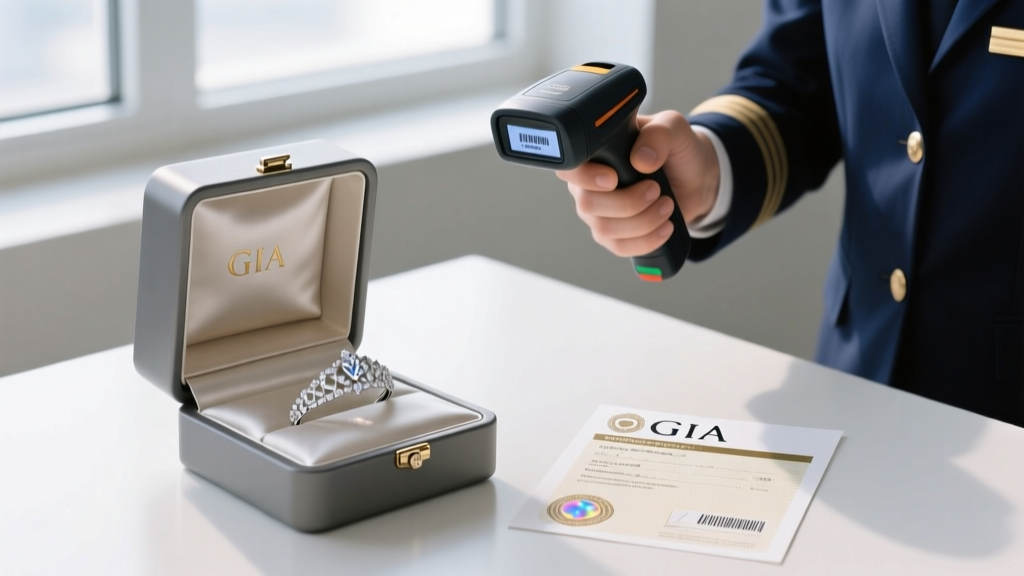
High jewelry rentals require military-grade logistics. Reputable vendors do not use standard postal services for assets exceeding $10,000. Instead, they utilize secure logistics networks like Brinks or Malca-Amit, which require a direct signature and photographic ID verification upon delivery.
When planning your wedding timeline, align the delivery window to arrive no earlier than 48 hours before the event. This minimizes the window of liability in your home or hotel safe. Furthermore, the return process is strictly bound by time-stamped courier scans. If your flight is delayed on the honeymoon and the return package misses its scheduled scan by even 12 hours, automated systems may trigger a full retail charge to the credit card on file. Always retain the physical, time-stamped courier receipt until the rental house has formally inspected the piece and released your security deposit from escrow.
Final Verdict: When to Rent vs. When to Buy
Deciding whether to utilize a fine jewelry rental for wedding events or purchase outright comes down to emotional attachment versus financial pragmatism. If you desire a heritage piece—such as an Art Deco diamond brooch or a 20-carat sapphire suite—that you will realistically wear fewer than three times in your lifetime, renting is the mathematically superior choice. It grants you access to museum-quality craftsmanship without the burden of long-term secure storage, annual insurance premiums, and market depreciation. However, if the piece holds deep sentimental value, such as a classic 3-carat solitaire pendant intended to become a family heirloom passed down to future generations, the retail purchase remains the only viable path. By understanding the technical tiers, insurance liabilities, and logistical requirements outlined above, you can navigate the 2026 bridal rental market with the precision of a seasoned gemologist.

