Crafts Using Costume Jewelry: A Budget Value Guide
Discover high-ROI crafts using costume jewelry. Learn to assess vintage lots, extract rhinestones, and upcycle base metals on a strict budget.

The Economics of Upcycling: Why Costume Jewelry?
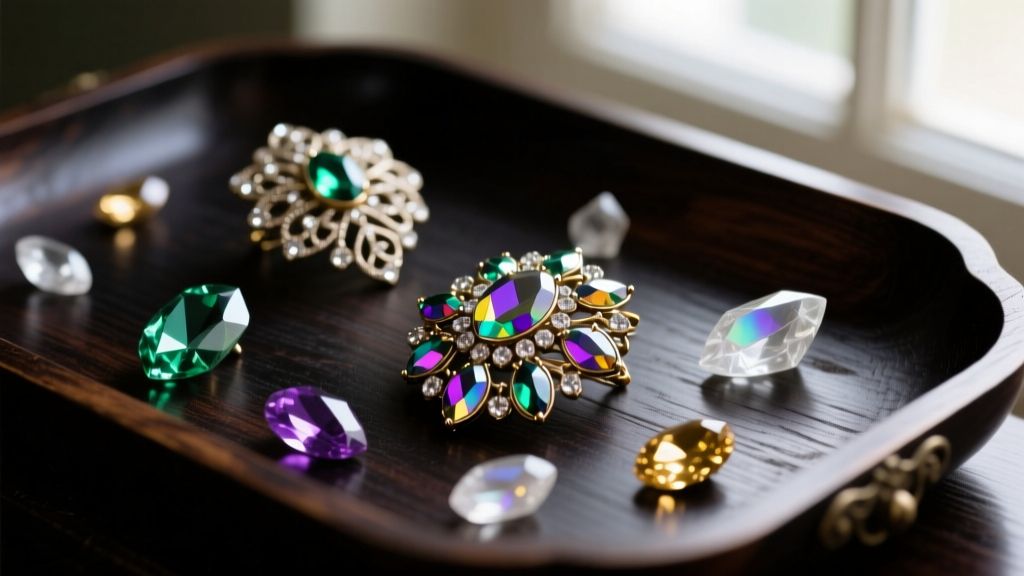
In the current 2026 maker economy, sourcing high-quality embellishments for DIY projects can quickly drain a crafter's budget. Fine jewelry components and premium crystal suppliers charge exorbitant per-carat rates. This is where crafts using costume jewelry present a massive arbitrage opportunity. By targeting broken, tarnished, or unfashionable vintage costume pieces, artisans can acquire premium glass rhinestones, aurora borealis (AB) coated crystals, and intricate brass stampings for pennies on the dollar. The key to profitability and artistic success lies in rigorous budget assessment, material identification, and safe deconstruction techniques.
Unlike modern mass-produced plastic acrylics found in big-box craft stores, mid-century costume jewelry (circa 1940–1970) frequently utilized high-leaded glass, foiled-back crystals, and heavy gold-washed brass. Repurposing these materials not only yields a superior visual depth in resin, textile, and decoupage projects but also aligns with sustainable upcycling practices. However, extracting this value requires a discerning eye to separate genuine vintage glass from degraded pot metal and hazardous materials.
Sourcing & Valuing Vintage Lots
The foundation of budget-friendly upcycling is mastering the estate lot purchase. Liquidators, thrift stores, and online auction sites frequently bundle "junk" jewelry by the pound. To assess the true ROI, you must shift your mindset from "price per piece" to "price per usable component."
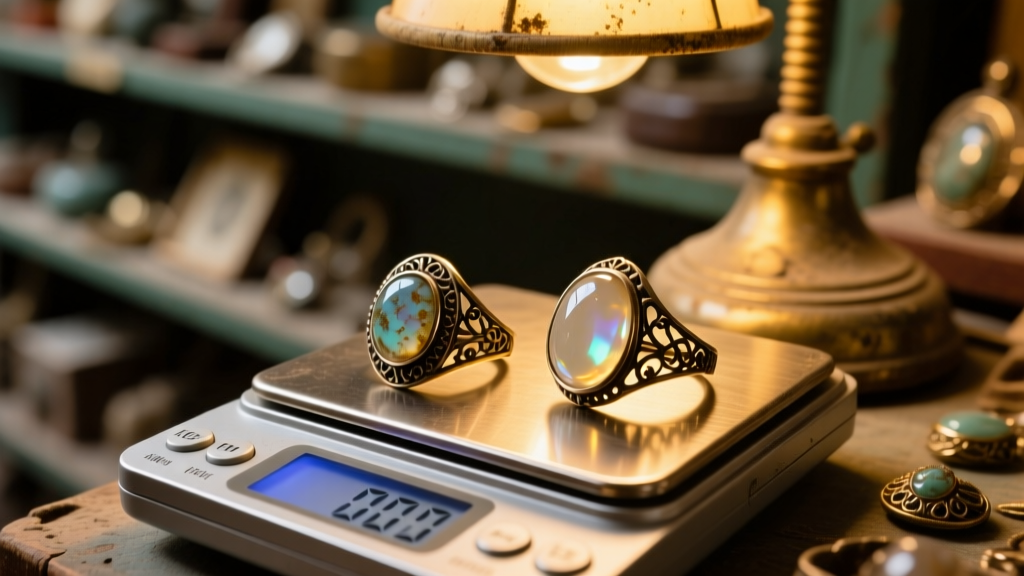
When evaluating a mixed lot, perform a rapid triage based on three value pillars:
- Stone Quality: Look for high-dome glass cabochons, faceted chatons with intact foil backing, and marquis-cut stones. Avoid cloudy acrylics or scratched plastic.
- Metal Integrity: Brass and copper bases hold up well to chemical stripping and polishing. Avoid pieces suffering from "zinc pest" (a crystalline degradation of early die-cast pot metal that crumbles to dust).
- Signature Markings: Even if a piece is broken, signed pieces from makers like Trifari, Coro, or Miriam Haskell retain standalone collector value. According to Invaluable's costume jewelry guide, harvesting stones from a signed piece can actually destroy its residual antique value. Always check hallmarks before applying pliers.
The Material Value & Application Matrix
Not all salvaged components are suited for every craft. Below is a decision framework for matching salvaged costume materials to specific projects based on durability and cost-efficiency.
| Material Type | Avg Cost (Salvaged) | Best Craft Application | Failure Mode / Limitation |
|---|---|---|---|
| Foiled Glass Rhinestones | $0.05 - $0.15 / stone | Resin jewelry, decoupage, shadow boxes | Foil degrades if exposed to water or cyanoacrylate glues |
| Prong-Set Chatons | $0.20 - $0.50 / stone | Denim embellishment, leathercraft, embroidery | Prongs can snap if bent back and forth; base metal may rust |
| Gold-Washed Brass Filigree | $1.00 - $3.00 / piece | Polymer clay bezels, mixed media canvases | Plating wears off with heavy friction; requires sealing |
| Enamel Cabochons | $0.50 - $2.00 / piece | Wire-wrapping, bezel-set pendants | Chips easily under pressure; sensitive to heat |
High-ROI Crafts Using Costume Jewelry
Once you have secured a high-yield lot, the next step is transforming these dormant components into high-value artisan goods. Here are three budget-optimized techniques that maximize the visual impact of salvaged costume pieces.
1. Prong-Set Textile Embellishment
Modern craft stores sell flat-back rhinestones that require hot-fix glue or industrial adhesives, which often fail on flexible fabrics like denim or leather. By salvaging prong-set stones from old brooches and belts, you gain access to mechanical fastening. Using a heavy-duty embroidery needle and waxed linen thread, you can stitch directly through the pre-existing holes in the brass prong bases.
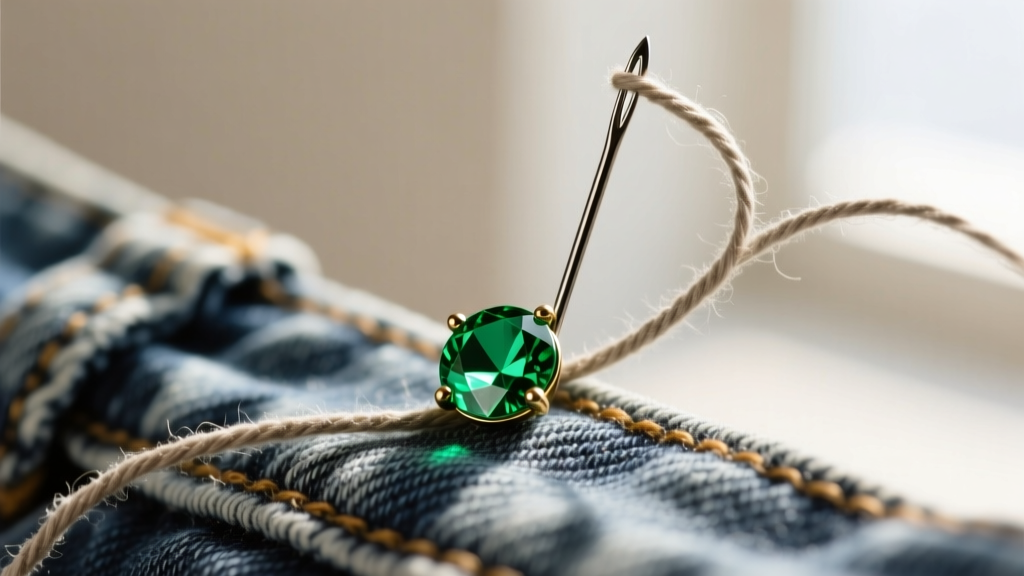
This method creates a permanent bond that survives machine washing. A single salvaged 1950s rhinestone belt can yield over 40 prong-set marquis stones, providing enough inventory to embellish a dozen custom denim jackets. The cost per jacket embellishment drops to under $2.50, while the perceived retail value of a hand-embellished custom garment easily exceeds $150.
2. Epoxy Resin & Decoupage Integration
Foiled-back rhinestones possess a mirror-like brilliance that flat acrylics cannot replicate. However, standard superglue (cyanoacrylate) will burn through the delicate metallic foil backing, turning the stone gray and opaque. When integrating these stones into resin trays or decoupage art, always use a two-part clear epoxy or a specialized jewelry adhesive like GS Hypo Cement. Apply the adhesive only to the outer girdle of the stone, ensuring the foil backing remains completely untouched by chemicals.
3. Filigree & Polymer Clay Hybridization
Salvaged brass filigree stampings from vintage earrings and pendant trays are perfect for creating custom bezels. By pressing these intricate metal webs into raw polymer clay and baking, you create a unified structural component. Once cooled, the brass can be treated with liver of sulfur to antique the recesses, while the raised edges are polished to a high shine, creating a striking contrast that mimics fine oxidized silver.
Safe Deconstruction & Foil Preservation
The physical act of harvesting stones requires precision to avoid shattering glass or tearing foils. Never use brute force with standard pliers. Instead, employ a solvent-first approach.
Pro-Tip: Before applying any chemical solvent, test an inconspicuous area of the base metal. Some vintage gold washes will instantly strip away when exposed to harsh acetone, leaving you with a dull, brassy finish.
To remove stones glued into bezels, submerge the piece in a glass jar filled with 99% isopropyl alcohol or a commercial citrus-based adhesive remover. Allow it to soak for 12 to 24 hours. The solvent will penetrate the microscopic gaps in the setting and soften the vintage jeweler's epoxy. Once softened, use a blunt-tipped wax pen or a wooden orangewood stick to gently push the stone out from the back of the setting. Avoid metal tweezers, which will chip the fragile glass edges.
If you are harvesting prong-set stones, use a pair of smooth-jawed nylon pliers to gently squeeze the prongs inward. Standard steel jewelry pliers will leave deep, irreversible gouges in soft brass and pot metal, ruining the aesthetic of the setting if you plan to reuse it for wire-wrapping.
Navigating Lead & Toxicity Risks
A critical, often overlooked aspect of budget assessment in vintage upcycling is material safety. Pre-1970s costume jewelry frequently utilized high-lead solder, leaded enamel, and lead-crystal glass. While wearing these pieces occasionally poses minimal risk, the mechanical action of deconstructing, sanding, or drilling them can generate toxic lead dust.
According to the Environmental Protection Agency (EPA), lead dust is a severe hazard that requires strict mitigation. When working with vintage lots:
- Test Before You Process: Purchase a pack of 3M LeadCheck swabs. Rub the swab on the solder joints and opaque enamel sections of your salvage lot. If it turns pink or red, the piece contains hazardous lead levels.
- Wet Sanding Only: If you must file down a sharp brass edge or remove heavy tarnish from a leaded piece, always use wet/dry sandpaper under a steady stream of water to trap particulates.
- Encapsulation: If a piece tests positive for lead but features a stunning, irreplaceable glass cabochon, extract the stone and discard the leaded base metal responsibly at a local hazardous waste facility. Do not attempt to melt down or repurpose the toxic base metal.
Final Verdict: Is the Time Investment Worth It?
When calculating the true ROI of crafts using costume jewelry, time is your primary currency. Sorting, soaking, and harvesting a one-pound lot of vintage jewelry can take 3 to 5 hours. However, the yield—often hundreds of high-quality, faceted glass stones and intricate brass findings—would cost upwards of $200 to replace with modern, equivalent-quality craft supplies. For artisans producing high-end custom textiles, resin art, or mixed-media jewelry, the budget savings are undeniable. By mastering material identification, safe deconstruction, and strategic sourcing, you transform discarded "junk" into a highly profitable, sustainable supply chain.


