Brooks Fine Jewelry Aesthetic: 2026 Heritage Trend Analysis
Discover how the Brooks fine jewelry aesthetic is redefining 2026 trends. Explore heritage motifs, 14k gold standards, and styling tips.

The Resurgence of the Brooks Fine Jewelry Aesthetic
In the ever-shifting landscape of fashion and fine jewelry, trends often swing between hyper-minimalism and ostentatious maximalism. However, as we navigate the style landscape of 2026, a distinct, enduring category has captured the attention of discerning collectors and style forecasters alike: the Brooks fine jewelry aesthetic. Rooted in the heritage of classic American sportswear, East Coast tailoring, and generational wealth signifiers, this aesthetic bridges the gap between historical antique pieces and modern fine jewelry. It rejects the ultra-thin, easily tangled demi-fine chains of the late 2010s in favor of substantial gram weights, cabochon gemstones, and motifs that tell a story of equestrian, nautical, and collegiate heritage.
The Brooks fine jewelry look is not merely about a single brand; it is a stylistic blueprint. It encompasses the heavy 14k yellow gold signet rings, the meticulously crafted rope chains, and the engraved money clips that have historically been passed down through generations. Today, contemporary fine jewelers are adapting this heritage blueprint, offering gender-neutral sizing and updated metallurgical standards that cater to a new generation seeking 'quiet luxury' with historical weight.
Core Pillars of the Heritage Aesthetic
To truly understand and authenticate the Brooks fine jewelry style, one must recognize its foundational motifs. These elements are rarely heavily diamond-encrusted; instead, they rely on the luster of high-polish gold and the deep, opaque hues of traditional hardstones.
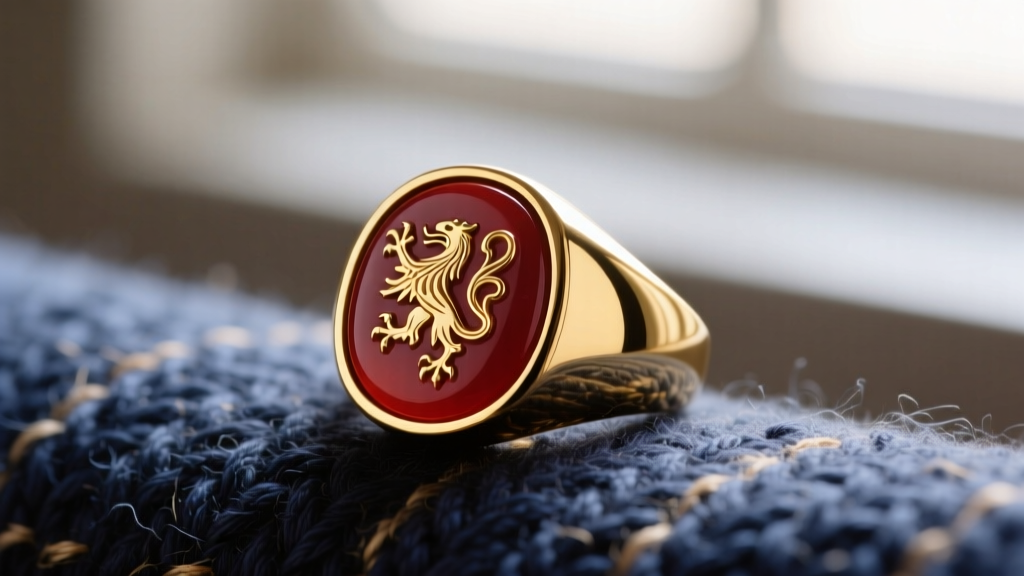
- The Signet Ring: The undisputed anchor of the aesthetic. Whether featuring an oval, octagonal, or cushion-cut face, the heritage signet is substantial. Modern iterations often feature deep intaglio carvings or family crests rather than flat, laser-engraved monograms.
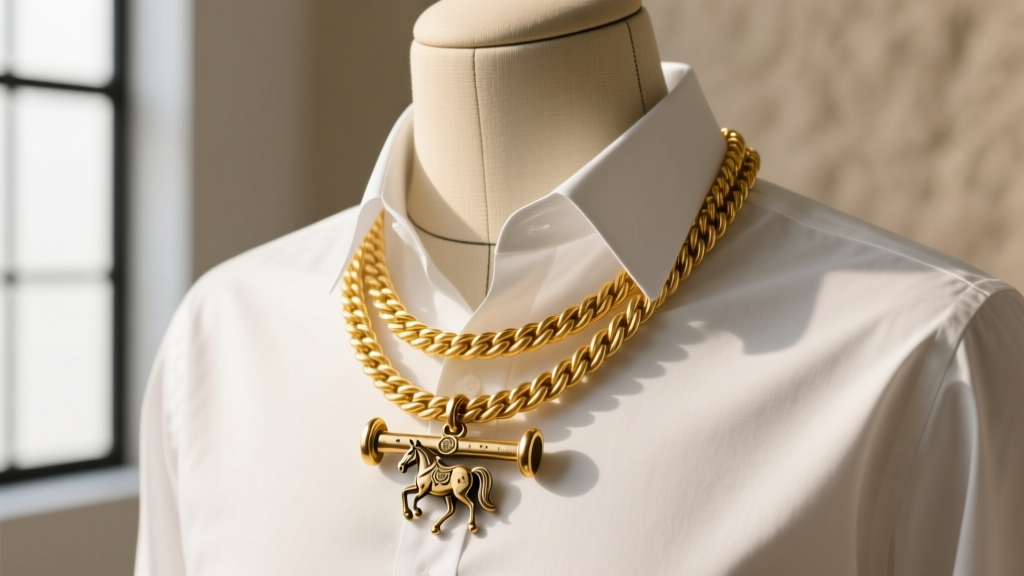
- Equestrian Motifs: Snaffle bits, stirrups, and horseshoes translated into solid gold pendants and cufflinks. These pieces pay homage to the sporting roots of classic American heritage wear.
- Nautical & Rope Chains: The rope chain is a staple. Unlike hollow, lightweight versions found in mall jewelers, the heritage rope chain is solid, heavy, and features tightly woven, twisted oval links that catch the light dynamically.
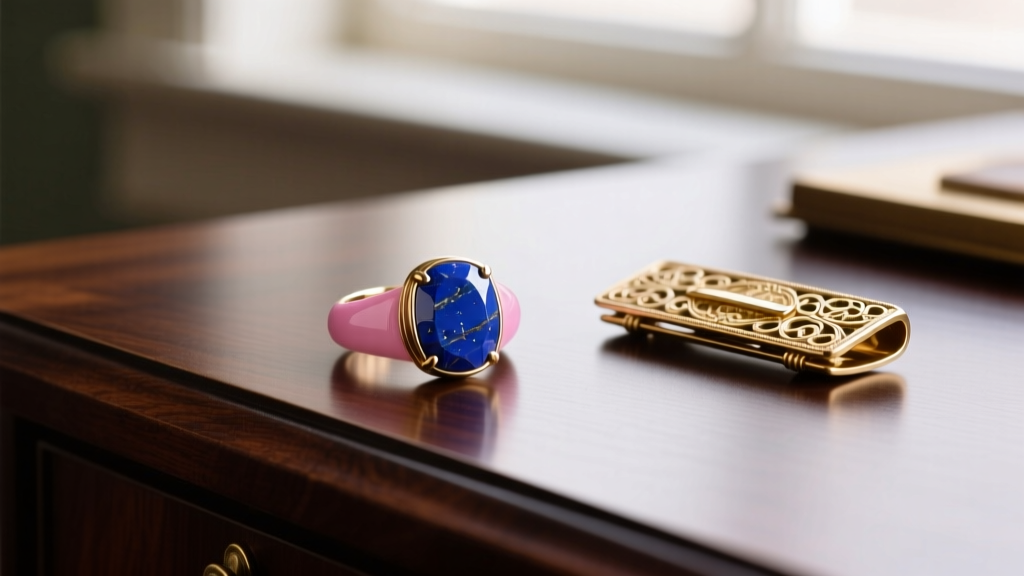
- Engraved Utilitarian Pieces: Money clips, tie bars, and cufflinks featuring engine-turned guilloché patterns or deep hand-engraved scrollwork.
Material Grades & Craftsmanship Standards
The Brooks fine jewelry aesthetic relies heavily on specific material choices that prioritize durability, warmth, and historical accuracy over sheer karat purity. While 18k gold is the standard in European high jewelry, the American heritage look is inextricably linked to 14k yellow gold.
According to the Gemological Institute of America (GIA), 14k gold consists of 58.5% pure gold, alloyed with a precise mixture of copper and silver. In heritage jewelry, metallurgists often increase the copper-to-silver ratio slightly to achieve a 'Hamilton' or vintage gold tone—a warmer, less brassy yellow that mimics the patina of antique pieces from the 1920s and 30s. This alloy also provides superior tensile strength, which is critical for the structural integrity of heavy rope chains and the prongs holding hardstones.
When it comes to gemstones, the aesthetic favors opaque cabochons over faceted brilliants. Bloodstone (Mohs hardness 6.5-7), Lapis Lazuli (Mohs 5-6), Onyx, and Carnelian are the stones of choice. Bloodstone is particularly prized for signet rings due to its high durability and rich, dark green base with red jasper inclusions, which provides a striking contrast to warm 14k gold.
Heritage Motif & Material Matrix
| Motif / Piece | Ideal Metal Standard | Traditional Stone | Avg. Gram Weight | Estimated Fine Price Range |
|---|---|---|---|---|
| Oval Signet Ring | 14k Yellow Gold (Vintage Hue) | Bloodstone / Onyx | 12g - 18g | $950 - $1,600 |
| Solid Rope Chain (4mm) | 14k or 18k Yellow Gold | N/A | 45g - 55g | $3,400 - $4,800 |
| Equestrian Bit Pendant | 14k Yellow Gold | Enamel / None | 8g - 14g | $650 - $1,200 |
| Pinky Ring (Cushion) | 14k Yellow Gold | Lapis Lazuli | 8g - 12g | $700 - $1,100 |
2026 Trend Forecast: How Heritage is Evolving
As we move deeper into 2026, the Brooks fine jewelry aesthetic is evolving to meet modern sensibilities without losing its historical anchor. The most significant shift is in gender-neutral scaling. Historically, heavy signets and thick rope chains were categorized strictly as menswear, while women were offered delicate, scaled-down versions. Today, the trend heavily favors universal sizing. Women are increasingly adopting 12mm-wide octagonal signets and 4mm rope chains, styling them against silk blouses and tailored cashmere to create a striking juxtaposition of masculine heritage and feminine elegance.
'The modern collector is no longer interested in hollowed-out, lightweight jewelry that dents upon impact. The 2026 consumer demands 'heirloom weight'—pieces that feel substantial on the wrist and finger, signaling a return to enduring value over fast-fashion disposability.' — Global Jewelry Trend Report, 2026
Another emerging trend within this aesthetic is mixed-metal oxidation. Jewelers are combining high-polish 14k yellow gold with oxidized sterling silver accents within the same piece, particularly in equestrian bit pendants and chain links, to give the jewelry an instantly acquired, antique patina right off the bench.
Styling the Brooks Look: Investment vs. Entry-Level
Building a wardrobe around the Brooks fine jewelry aesthetic requires a strategic approach to purchasing. Because solid gold pieces with high gram weights command premium prices, it is essential to know where to invest and where to exercise restraint.
Where to Invest (The Anchors)
Your primary investment should be a solid-back signet ring and a solid rope or cable chain. Never compromise on the chain. A hollow chain will eventually kink, stretch, and break, and repairing a hollow rope chain is nearly impossible without leaving a visible weak point. Always verify the gram weight before purchasing; a genuine 20-inch, 4mm solid 14k rope chain should weigh no less than 45 grams. If a jeweler quotes a price that seems too good to be true for a 'thick' chain, it is likely electroformed or hollow.
Where to Explore (The Accents)
For accent pieces like tie bars, lapel pins, or simple cufflinks, you can explore high-quality demi-fine options or vintage estate pieces. Estate sales and auction houses are goldmines for mid-century Brooks-style accessories. Look for pieces stamped with legacy American manufacturing hallmarks.
Sourcing & Authentication: Avoiding the Counterfeits
The popularity of the heritage aesthetic has led to a flood of 'costume' knockoffs designed to mimic the Brooks fine jewelry look. To protect your investment, you must understand hallmarking and material testing. The Federal Trade Commission (FTC) Jewelry Guides strictly regulate how gold purity is stamped and marketed in the United States.
When sourcing heritage pieces, always look for the '14k', '585', or '18k' hallmark. Be highly suspicious of pieces stamped with 'HGE' (Heavy Gold Electroplate) or 'GF' (Gold Filled) if they are being sold as solid fine jewelry. While gold-filled pieces have a place in vintage costume jewelry, they do not hold the same intrinsic value or generational durability as solid gold.
Furthermore, examine the stone settings. True heritage signets use bezel settings where the gold is pushed smoothly over the edge of the cabochon stone. If the stone is held in by glue or a poorly finished, jagged bezel, it is likely a mass-produced casting rather than a piece of fine jewelry. Finally, trust the 'heft test.' Gold is a remarkably dense metal (19.32 g/cm³). A genuine 14k gold signet ring will feel noticeably heavier and colder to the touch than a brass or tungsten counterfeit of the exact same dimensions.
Conclusion
The Brooks fine jewelry aesthetic represents a vital counter-movement to the ephemeral nature of modern micro-trends. By focusing on 14k yellow gold, substantial gram weights, and historically significant motifs like the signet and the rope chain, this style offers a masterclass in enduring elegance. Whether you are sourcing a vintage piece from an estate auction or commissioning a modern interpretation from a contemporary bench jeweler, understanding the metallurgical and structural hallmarks of this aesthetic ensures that your jewelry will not just survive the shifting tides of fashion, but outlast them entirely.


