Contemporary Jewelry Designers: 2026 Investment Guide
Discover how to evaluate and invest in contemporary jewelry designers in 2026. Learn material grades, pricing tiers, and authentication tips.

The Shift: From Mass Production to Artisanal Investment
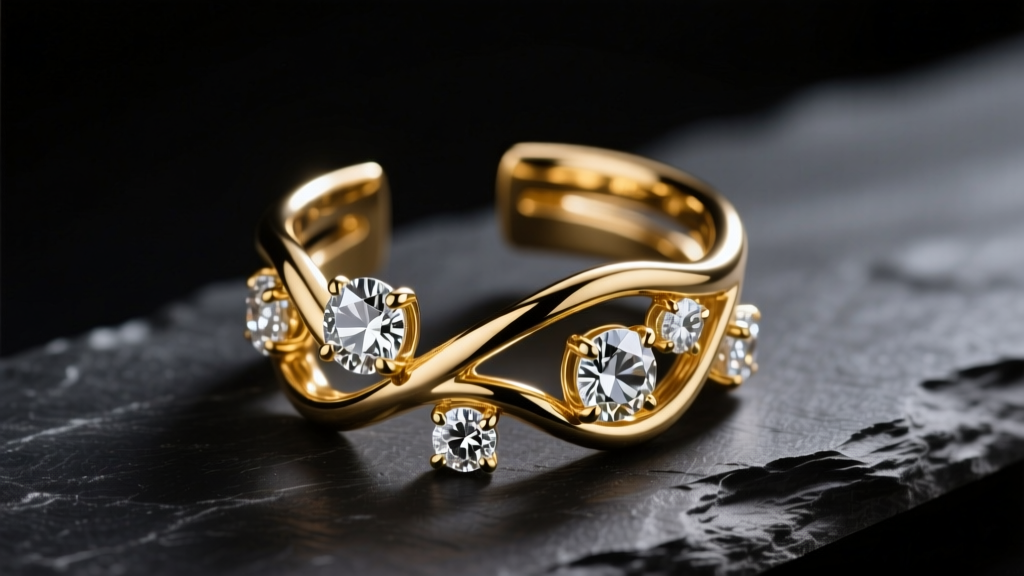
The landscape of fine jewelry in 2026 has shifted dramatically. Discerning collectors and everyday wearers alike are moving away from legacy heritage houses, turning instead to contemporary jewelry designers who offer avant-garde silhouettes, ethical sourcing, and limited-edition drops. This isn't merely a trend; it is a fundamental market correction. Buyers now demand transparency in metallurgical origins and architectural innovation in stone settings. Investing in independent, contemporary studios requires a sharp eye for construction quality, as the gap between a masterfully hand-fabricated piece and a poorly finished CAD-cast item can be vast. This guide provides the technical frameworks needed to evaluate, price, and invest in modern artisanal jewelry.
Decoding the Tiers: Fine vs. Demi-Fine in Contemporary Studios
Many emerging contemporary jewelry designers blur the lines between demi-fine and fine jewelry to offer accessible entry points into their collections. However, understanding the exact material grades is critical for assessing long-term value and wearability.
| Tier | Base Material | Plating / Finish | Expected Lifespan | 2026 Price Range |
|---|---|---|---|---|
| Contemporary Demi-Fine | 925 Sterling Silver or Brass | 1.0 - 2.5 microns 14k/18k Gold Vermeil | 2-5 Years (with care) | $150 - $450 |
| Bridge / Accessible Fine | Solid 10k or 14k Gold | Solid alloy, high-polish or matte satin | Lifetime (generational) | $500 - $1,800 |
| Haute Contemporary | 18k Gold or 950 Platinum | Hand-forged, mixed-metal patinas | Lifetime (heirloom) | $2,500 - $10,000+ |
When evaluating vermeil pieces from contemporary designers, always verify the plating thickness. The industry standard for vermeil requires a minimum of 2.5 microns of gold over sterling silver. Anything less will wear through to the base metal within months of daily friction. For lifetime investments, insist on solid 14k or 18k gold. According to the Gemological Institute of America (GIA), 14k gold (58.3% pure gold) offers the optimal balance of rich color and structural durability for intricate, contemporary architectural designs that might bend if cast in softer 22k or 24k gold.
5 Hallmarks of Authentic Contemporary Design
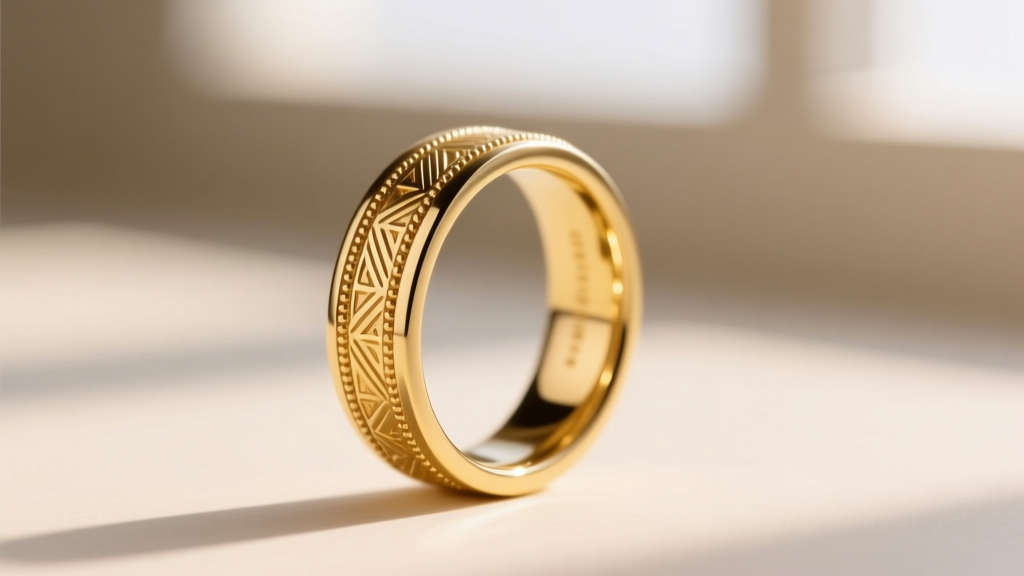
True contemporary jewelry designers distinguish themselves through superior engineering and finishing techniques. When inspecting a piece, look for these five technical hallmarks:
1. Casting Integrity and Porosity
Most independent designers utilize lost-wax casting. However, inferior casting results in gas porosity—tiny surface pits that weaken the metal and trap dirt. High-end contemporary studios use vacuum-assisted casting or 3D-printed resin masters to ensure dense, pore-free metal structures. Run your fingernail along the inner band of a ring or the back of a pendant; it should feel glassy and continuous, not pitted or gritty.
2. Stone Setting Architecture
Contemporary design often features unconventional stone cuts, such as rose cuts, salt-and-pepper diamonds, or custom shield shapes. These require precise bezel or custom prong settings. A well-constructed bezel wall should be at least 0.4mm thick to prevent snagging and deformation. If prongs are used, they should be shaped and polished, not merely pushed over the stone. For daily wear rings, prongs should be a minimum of 1.2mm thick to withstand lateral impacts.
3. Earring Gauge and Weight Distribution
Sculptural, oversized earrings are a staple of contemporary design, but poor weight distribution leads to lobe tearing. Standard ear wires are 20-gauge (0.81mm). However, reputable contemporary designers engineering heavy, avant-garde drops will utilize 18-gauge (1.02mm) or 16-gauge (1.29mm) wire, or incorporate specialized ear cuffs and jacket backs to distribute the gram weight across the cartilage rather than just the lobe.
4. Clasp Engineering
Avoid standard spring-ring clasps on heavy contemporary chains or statement necklaces. Look for box clasps with double figure-8 safeties, or custom-machined magnetic clasps with neodymium cores and secondary locking mechanisms. The clasp should operate with a definitive 'click' and feature integrated jump rings that are laser-welded shut, rather than simply pinched closed.
5. Hallmarking and Maker's Marks
Every piece of fine contemporary jewelry must bear two distinct stamps: the metal purity mark (e.g., 14K, 585, 750, PT950) and the designer's registered maker's mark. This ensures accountability and aids in future authentication and valuation.
Pricing Framework: What You Should Actually Pay
Pricing in the contemporary jewelry sector is generally more transparent than in legacy retail, but it requires an understanding of the 'artisanal multiplier.' Unlike mass-market brands that mark up products 8x to 10x over material costs, independent contemporary jewelry designers typically apply a 2.5x to 4x multiplier over the combined cost of raw materials and bench labor.
For example, a contemporary 14k solid gold signet ring weighing approximately 9 grams should range from $750 to $1,100 in 2026, factoring in current gold spot prices, the complexity of the CAD modeling, and hand-finishing labor. If a piece features melee diamonds, expect an additional $15 to $40 per point (0.01 carat) depending on whether the stones are natural or lab-grown. Always request a detailed breakdown of metal weight and stone carat weight before purchasing high-ticket contemporary pieces.
Vetting the Maker: Provenance and Ethical Sourcing
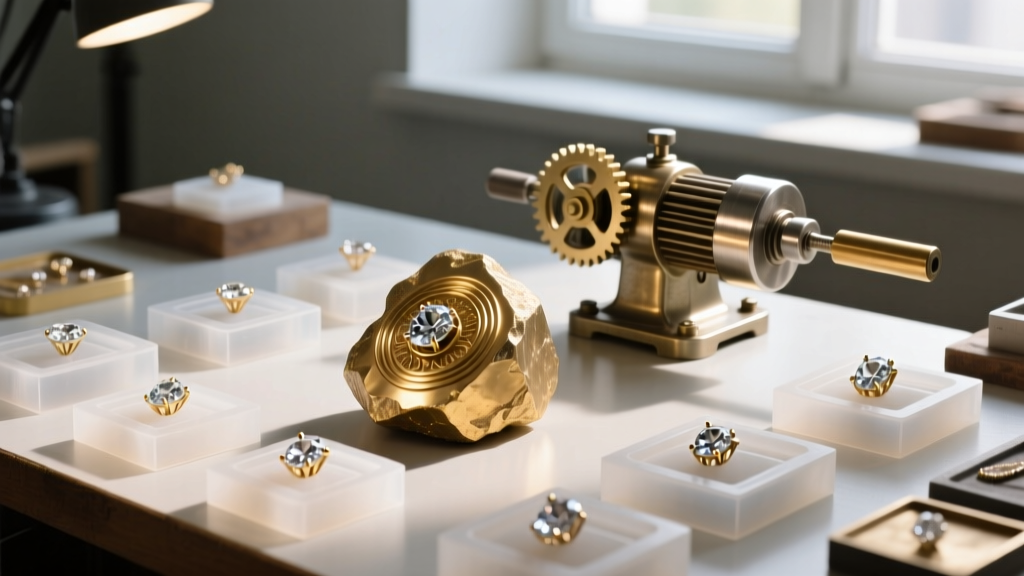
The modern collector cares deeply about the origin of their materials. When researching contemporary jewelry designers, scrutinize their supply chain claims. Terms like 'eco-friendly' or 'sustainable' are largely unregulated marketing buzzwords. Instead, look for verifiable certifications.
Top-tier contemporary studios now source SCS-Certified Recycled Gold, which guarantees that 100% of the precious metal is reclaimed from post-consumer or post-industrial sources, drastically reducing the environmental impact of mining. You can verify these claims through organizations like SCS Global Services. Furthermore, for diamond sourcing, designers should provide Kimberley Process certificates for natural stones, or clearly disclose the use of CVD (Chemical Vapor Deposition) lab-grown diamonds, which have become a dominant, ethical choice in contemporary design circles.
Additionally, membership in the Responsible Jewellery Council (RJC) is a strong indicator that a contemporary brand adheres to strict human rights, labor, and environmental standards throughout their supply chain.
Final Checklist Before You Checkout
Before adding a contemporary piece to your permanent collection, run through this final technical checklist:
- Verify the Alloy: Ensure the piece is solid 14k/18k or 950 Platinum, not gold-filled or heavily plated, if your goal is generational longevity.
- Inspect the Setting: Check that gemstones are seated flush with no visible gaps, light leaks, or uneven pressure points that could cause the stone to fracture.
- Test the Mechanics: Open and close all hinges, clasps, and modular components to ensure smooth, burr-free operation.
- Request the Specs: Obtain the exact gram weight, stone carat totals, and a certificate of authenticity detailing the maker's mark.
- Review the Warranty: Reputable contemporary designers offer lifetime structural warranties against casting defects, though they will exclude normal wear-and-tear or stone loss from impact.
By applying these rigorous technical standards, you can confidently navigate the vibrant market of contemporary jewelry designers, ensuring your investments are as structurally sound as they are visually groundbreaking.


