Define Fashion Jewelry: Troubleshooting Tarnish & Material Myths
Learn how to define fashion jewelry, troubleshoot tarnishing, identify base metals, and test plating quality to avoid misleading material claims.

The Core Dilemma: Marketing vs. Metallurgy
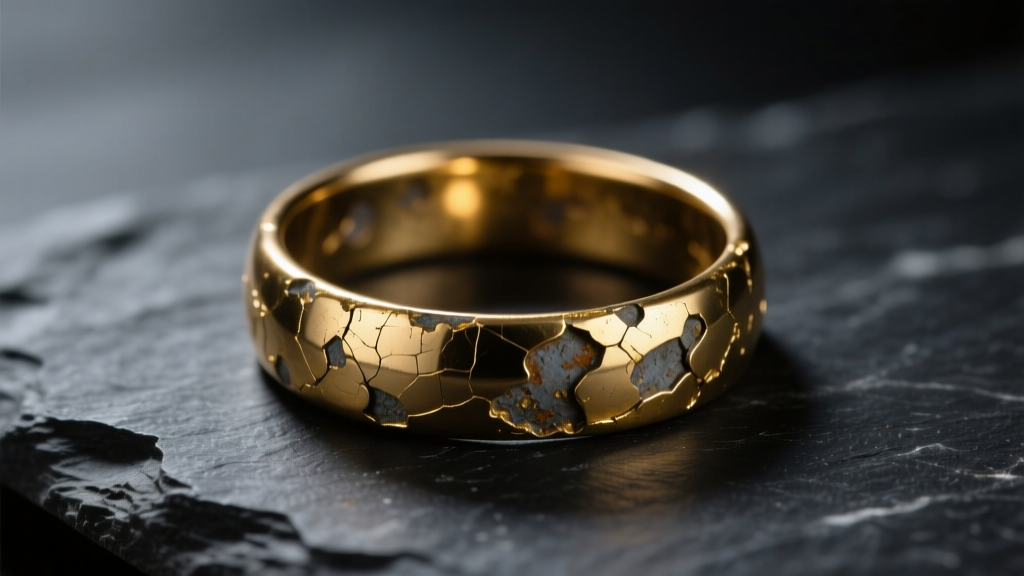
In 2026, the jewelry market is more saturated than ever with ambiguous terms like 'demi-fine,' 'waterproof gold,' and 'everyday luxury.' When consumers ask experts to define fashion jewelry, the answer often gets lost in marketing spin. Retailers want you to focus on the aesthetic and the accessible price point, but from a troubleshooting and metallurgical perspective, we must define fashion jewelry by its base materials, plating thicknesses, and structural integrity. The core problem? Shoppers are paying premium prices for pieces that degrade within weeks, leading to widespread frustration over tarnishing, allergic reactions, and flaking finishes.
To accurately define fashion jewelry in a market saturated with misleading buzzwords, we have to look past the display case and examine the electrochemical realities of the metals involved. Whether you are dealing with a fast-fashion brass ring or a high-end designer piece cast in Zamak, understanding the underlying chemistry is the only way to troubleshoot premature wear and make informed purchasing decisions.
Troubleshooting the 'Green Skin' Phenomenon
The most common complaint associated with fashion jewelry is the dreaded green or black discoloration left on the skin. This is not an 'allergy' in the medical sense; it is a predictable chemical reaction. When copper-rich base metals interact with the chlorides, lactic acid, and moisture found in human sweat, they produce copper chloride and copper sulfide—compounds that manifest as a dark green or black residue.
Identifying the Base Metal Culprits
To solve the green skin problem, you must first identify the base metal hiding beneath the plating. Manufacturers rarely disclose this information upfront, but knowing the common alloys used in fashion jewelry allows you to predict how a piece will behave over time.
| Base Metal | Common Alloys/Grades | Tarnish Risk | Structural Traits |
|---|---|---|---|
| Brass | C26000 (Cartridge Brass) | High (Copper oxidation) | Excellent for stamping; highly malleable but prone to stress corrosion cracking. |
| Zinc Alloy | Zamak (Zinc, Aluminum, Magnesium, Copper) | Medium (Porous surface) | Low melting point; ideal for intricate castings but requires heavy strike plating. |
| Copper | Pure Copper / Beryllium Copper | Very High (Rapid oxidation) | Highly conductive; often used as an underplate to improve gold adhesion. |
| Stainless Steel | 316L (Austenitic Surgical Steel) | Very Low (Passive oxide layer) | Extremely hard; difficult to cast; usually machined or stamped for fashion chains. |
The Plating Deception: Flash, Vermeil, and PVD
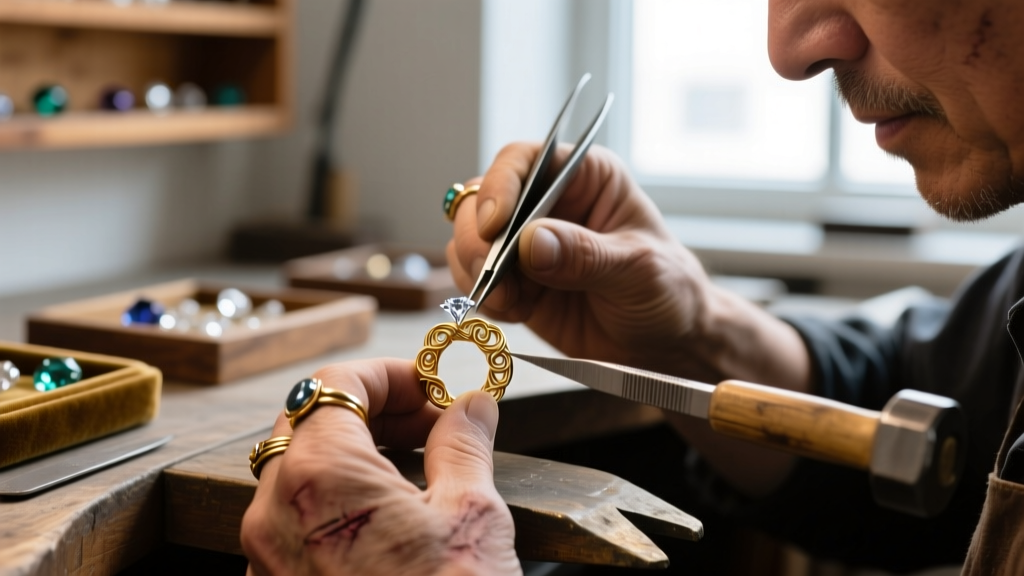
Once you define fashion jewelry by its base metal, the next troubleshooting step is evaluating the protective coating. The Federal Trade Commission (FTC) maintains strict guidelines on how jewelry can be labeled, yet brands frequently skirt these rules using creative terminology. Understanding plating thickness—measured in microns (µm)—is critical for predicting a piece's lifespan.
- Flash Plating (< 0.1 µm): Often marketed simply as 'gold-plated,' this ultra-thin layer is applied via quick electroplating. It provides a brilliant initial shine but wears through to the base metal within weeks of daily wear, especially on high-friction areas like ring bands.
- Gold Vermeil (Minimum 2.5 µm): By FTC definition, vermeil requires a sterling silver (.925) base and a minimum of 10k gold plating at 2.5 microns thick. While vastly superior to flash plating, the silver base is still soft and prone to scratching, which can eventually compromise the gold layer.
- PVD Coating (Physical Vapor Deposition): Dominating the 2026 'waterproof' fashion jewelry trend, PVD uses a vacuum chamber to bond titanium nitride to stainless steel. It is exceptionally hard and hypoallergenic, but if a PVD piece gets deeply scratched, it cannot be polished out like traditional gold; the piece is effectively ruined.
Step-by-Step Material Testing at Home
When a brand's product description is vague, you can perform a few non-destructive and minimally invasive tests to define fashion jewelry pieces accurately before committing to a purchase or attempting a repair.
- The Magnet Test: Bring a strong neodymium magnet to the store. Precious metals (gold, silver, platinum) and austenitic stainless steel (316L) are non-magnetic. If a 'silver' chain snaps to the magnet, it has a ferrous steel or nickel core, immediately classifying it as costume/fashion jewelry.
- The Hallmark Inspection: Use a 10x or 20x jeweler's loupe to inspect the clasp and inner bands. Look for purity stamps like '925', '14k', or '585'. Be highly suspicious of stamps like '18k HGE' (Heavy Gold Electroplate) or '14k GP' on pieces priced under $50, as these are often legally compliant but structurally deceptive fashion items.
- The Acid Scratch Test (Advanced): For vintage or unmarked pieces, a precious metal acid testing kit can reveal the truth. Scratching the item on a testing stone and applying nitric acid will dissolve base metals instantly, while leaving solid gold or silver largely unaffected. (Note: This destroys the plating on fashion jewelry, so use only as a last resort).
Addressing Contact Dermatitis and Nickel Allergies
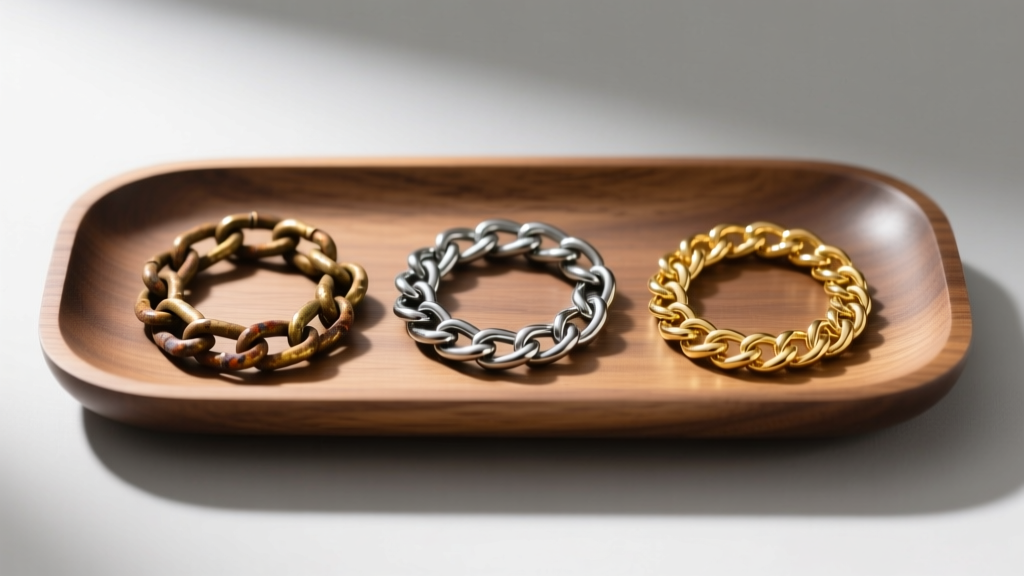
Beyond tarnish, severe skin reactions are a major troubleshooting hurdle. True metal allergies are almost always triggered by nickel, a cheap alloying agent used to harden white gold and base metals. According to the Gemological Institute of America (GIA), nickel is a common component in lower-karat gold alloys and cheap brass mixtures. If a fashion earring causes your lobes to swell and itch, the protective rhodium or gold plating has worn thin, exposing the nickel-rich underlayer to your skin's moisture. The only permanent solution is to retire the piece or have a professional jeweler apply a thick, hypoallergenic rhodium barrier coating.
When to Repair vs. Retire: A Decision Framework
'The biggest mistake consumers make is paying fine jewelry repair rates to salvage fashion jewelry base metals. You cannot solder a broken brass chain with silver solder without creating a weak, discolored joint that will inevitably fail again.' — Master Bench Jeweler
Use this framework to decide the fate of your damaged pieces:
- Replate: Worth it only if the base metal is solid sterling silver (vermeil) or if the piece holds immense sentimental value. Expect to pay $40-$80 for professional stripping and replating.
- Retire: If the base metal is Zamak, pot metal, or heavily pitted brass, the cost of restoration will far exceed the replacement value. The porosity of these metals makes long-term adhesion of new plating nearly impossible.
- Seal: For cheap brass rings that turn your finger green but fit perfectly, applying a micro-thin layer of clear jewelry sealant (like ProtectaClear) to the inner band can provide a temporary, 6-month barrier against sweat and oxidation.
Final Verdict: Demanding Transparency
Ultimately, to define fashion jewelry is to acknowledge its place in the market: it is designed for trend-driven, temporary wear, not generational longevity. The problem arises not from the existence of fashion jewelry, but from the deliberate obfuscation of its material reality. By understanding base metal chemistry, demanding micron-thickness transparency, and utilizing simple at-home testing methods, you can navigate the 2026 jewelry landscape with confidence, ensuring you never pay fine jewelry prices for flash-plated brass.


