Expert Care Guide: Cleaning Van Betts Fine Jewelry
Discover expert cleaning routines and maintenance tips for Van Betts Fine Jewelry. Learn how to protect pave diamonds, 18k gold, and delicate prongs.

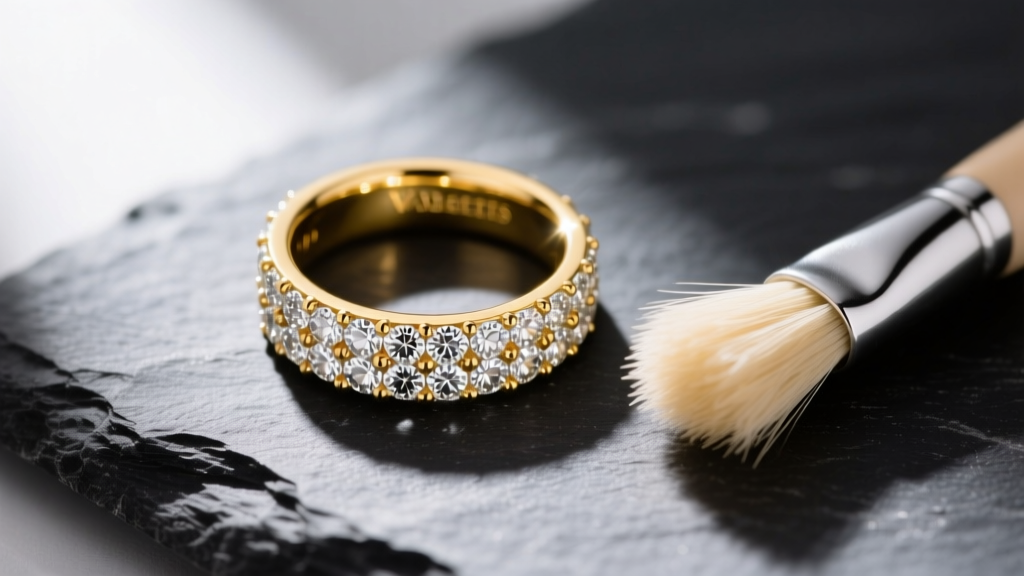
Owning a piece from the Van Betts Fine Jewelry collection means investing in exceptional craftsmanship, precise gemstone setting, and high-purity precious metals. However, the very characteristics that make these pieces exquisite—such as delicate micro-prong pavé settings and high-karat gold alloys—also demand a meticulous, scientifically grounded approach to care and maintenance. Generic jewelry cleaning advice often falls short and can even cause irreversible damage to fine metallurgy and precision-set stones. This comprehensive guide provides actionable, expert-level protocols to preserve the structural integrity and optical brilliance of your fine jewelry.
The Metallurgy and Gemology of Van Betts Fine Jewelry
To properly care for your jewelry, you must first understand the materials. Van Betts Fine Jewelry frequently utilizes 18k gold and Platinum 950. 18k gold is composed of 75% pure gold and 25% alloy metals (typically copper, silver, and zinc). On the Vickers hardness scale, 18k yellow gold registers around 125 HV, making it noticeably softer and more susceptible to micro-abrasions than 14k gold (which sits closer to 140 HV). This means aggressive polishing or brushing with stiff bristles will permanently mar the high-polish finish.
Platinum 950, alloyed with 5% ruthenium or iridium for durability, behaves differently. Rather than losing metal when scratched, platinum displaces it, developing a soft, matte patina over time. Furthermore, the brand’s signature pavé settings often feature melee diamonds (ranging from 0.01 to 0.10 carats) secured by micro-prongs that are a mere 0.4mm to 0.6mm thick. These tiny architectural feats require specialized cleaning techniques to avoid bending the prongs or loosening the stones.
Daily Wear and Environmental Hazards
Environmental exposure is the leading cause of premature degradation in fine jewelry. The most insidious threat to 18k gold is chlorine (sodium hypochlorite), commonly found in swimming pools and household bleach. Chlorine reacts aggressively with the copper and silver alloys in 18k gold, causing stress corrosion cracking. Over time, this microscopic degradation weakens the metal's crystalline structure, which can lead to a ring shank snapping under minimal pressure.
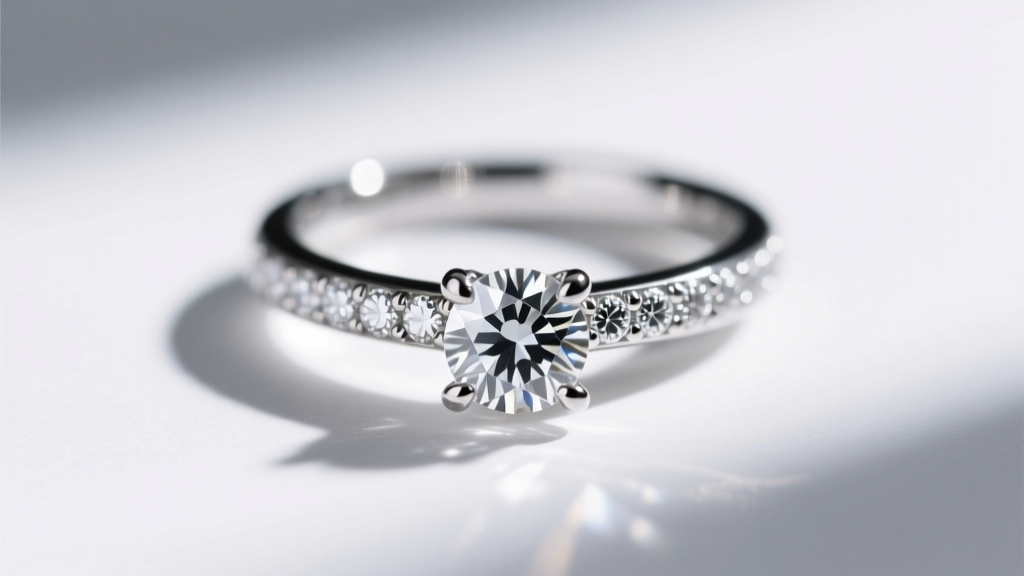
Cosmetics, lotions, and sebum present another challenge. Daily application of hand creams and sunscreens creates a translucent film that lodges in the gallery (the underside of the setting) and between pavé stones. This buildup not only blocks light return—severely reducing the diamond’s brilliance and fire—but also traps moisture against the skin, which can cause contact dermatitis and accelerate the wear of rhodium plating on white gold pieces.
Step-by-Step At-Home Cleaning Protocol
According to the Gemological Institute of America (GIA), the safest and most effective at-home cleaning method for diamonds and precious metals involves a mild, pH-neutral solution. Avoid commercial 'dip' cleaners, which often contain harsh thiourea compounds that can pit certain alloys and strip antique patinas.
The Safe Soak Method for 18k Gold and Platinum
- The Solution: Mix a few drops of pH-neutral liquid dish soap (like original Dawn) into a bowl of distilled water. Distilled water is critical; tap water contains calcium and magnesium ions that leave hard water spots (calcium carbonate) on the metal and gems upon evaporation.
- The Soak: Submerge the jewelry for 15 to 20 minutes. This allows the surfactants in the soap to break down the molecular bonds of sebum and cosmetic oils trapped under the setting.
- The Rinse: Rinse thoroughly under a gentle stream of lukewarm distilled water. Ensure the drain is securely plugged or use a mesh strainer.
Brushing Techniques for Pave and Micro-Prong Settings
Never use a standard toothbrush. The nylon bristles on medium or hard brushes are thick enough to catch and bend 0.4mm micro-prongs. Instead, use an extra-soft baby toothbrush. Brush gently at a 45-degree angle to the shank, focusing on the gallery underneath the center stone. Use light, sweeping motions rather than aggressive scrubbing to dislodge debris without applying lateral torque to the delicate prong tips.
What to Avoid: Ultrasonic and Steam Cleaning Risks
While ultrasonic cleaners are popular, they pose significant risks to intricate fine jewelry. Ultrasonic machines work via cavitation—creating microscopic bubbles that implode to blast away dirt. Standard consumer ultrasonic cleaners operate at 40kHz. At this frequency, the implosion force is strong enough to vibrate melee diamonds right out of their micro-prong settings or shatter fracture-filled stones.
| Cleaning Method | Specification | Safe for 18k Gold / Platinum? | Safe for Pavé Diamonds? | Safe for Emeralds / Opals? |
|---|---|---|---|---|
| Mild Soap & Distilled Water | pH 7-8, Lukewarm | Yes | Yes | Yes (Brief soak only) |
| Consumer Ultrasonic | 40kHz Frequency | Yes | No (High risk of stone loss) | No (Will cause fracturing) |
| Professional Ultrasonic | 80kHz+ Frequency | Yes | Caution (Inspect prongs first) | No |
| High-Pressure Steam | 100°C+ / 50 PSI | Yes | Caution (Can loosen adhesives) | No (Thermal shock risk) |
| Chemical Dip Cleaners | Thiourea-based | No (Can cause pitting) | No | No |
If you must use an ultrasonic cleaner for a solid metal piece without stones, ensure it operates at a minimum of 80kHz, which produces smaller, gentler cavitation bubbles. For any piece featuring pavé, emeralds, opals, or pearls, stick strictly to the manual soak-and-brush method.
Professional Maintenance and Prong Tightening
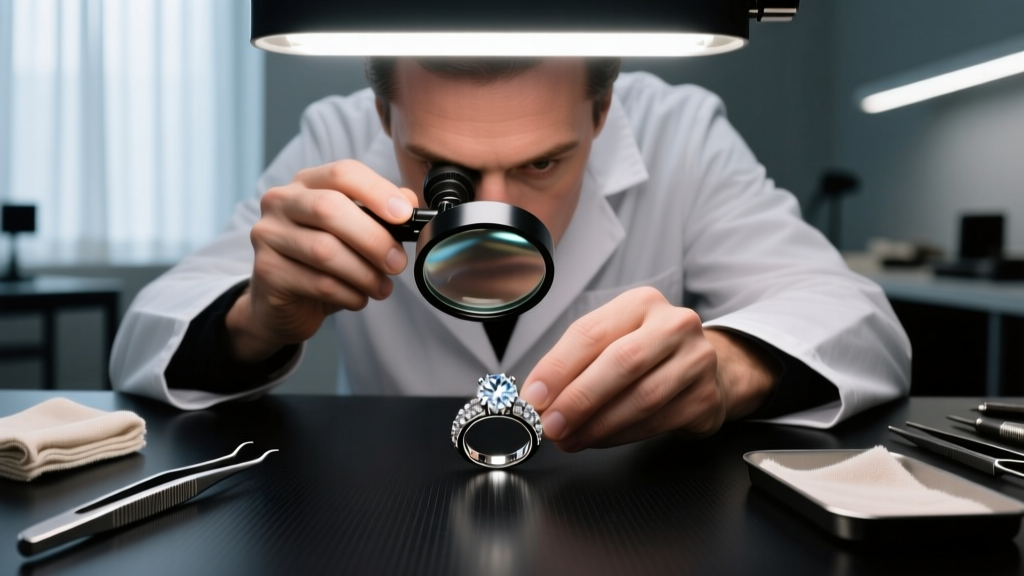
At-home cleaning cannot replace professional structural maintenance. The Jewelers of America recommends having fine jewelry inspected by a master jeweler at least once a year. Daily friction against clothing and skin wears down prong tips by approximately 0.05mm to 0.1mm annually. A jeweler will use a 10x triplet loupe to check for lifted prongs, gallery wear, and stress fractures in the shank.
For white gold pieces, professional maintenance also includes rhodium plating. Rhodium is a platinum-group metal electroplated onto white gold to give it a bright, silvery-white finish. Depending on your skin’s natural pH and the friction the ring endures, this plating typically wears away on the bottom of the shank within 12 to 24 months, revealing the slightly yellowish underlying alloy. A professional polish and re-plate will restore the piece to its original factory specifications.
Long-Term Storage Solutions
How you store your jewelry when it is not being worn is just as critical as how you clean it. Precious metals and certain gemstones are vulnerable to atmospheric sulfur and humidity, which cause tarnishing and surface degradation. Never store multiple pieces loosely together in a drawer; the Vickers hardness difference between a diamond (10 on the Mohs scale) and 18k gold (roughly 2.5 to 3) guarantees that the diamonds will severely scratch the gold.
Store each piece individually in a soft, lint-free microfiber pouch or a dedicated compartment in a lined jewelry box. For long-term storage, invest in anti-tarnish cloth bags (such as Pacific Silvercloth), which are impregnated with microscopic silver particles that absorb and neutralize sulfur gases before they can reach your jewelry. Additionally, placing a few silica gel desiccant packets in your jewelry safe or storage drawer will control ambient humidity, protecting porous gems like opals and pearls from moisture-related crazing or cracking.


