How To Keep Costume Jewelry From Tarnishing: A Complete Guide
Learn exactly how to keep costume jewelry from tarnishing with expert storage, cleaning, and coating techniques to protect your fashion pieces.

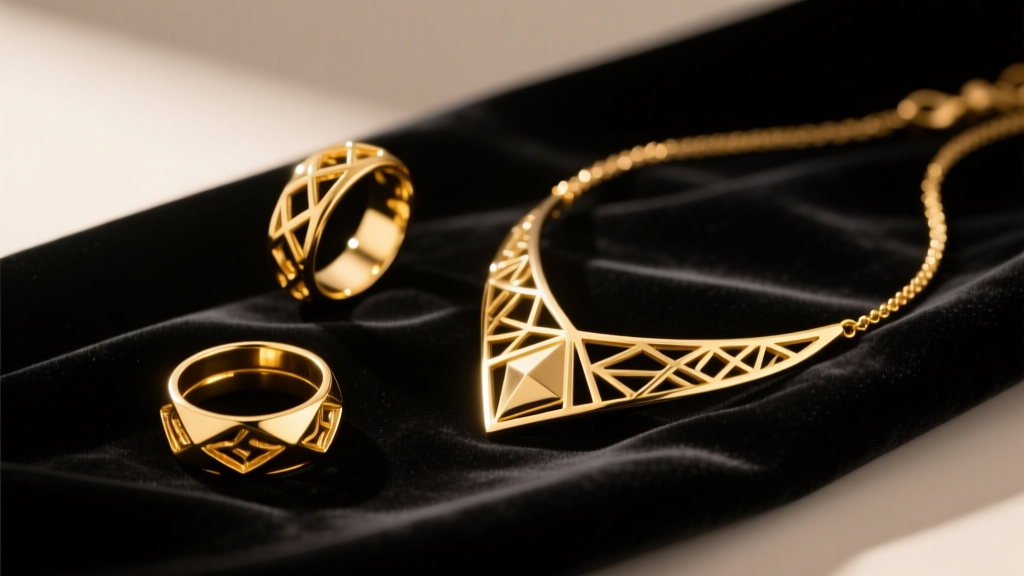
Costume jewelry offers an accessible way to experiment with bold trends, chunky chains, and statement pieces without the steep investment required for fine jewelry. However, the frustration of watching a favorite gold-plated brass ring turn your finger green or a zinc alloy necklace dull into a patchy, oxidized mess is a universal experience. Understanding how to keep costume jewelry from tarnishing requires moving beyond ineffective internet hacks and understanding the actual metallurgy of fashion accessories. In this comprehensive guide, we break down the science of oxidation, debunk common myths, and provide a professional-grade protocol for preserving your fashion jewelry collection.
The Metallurgy of Fashion Jewelry: Why Tarnish Happens
To effectively prevent tarnish, you must first understand what your jewelry is actually made of. Unlike fine jewelry crafted from solid gold, platinum, or sterling silver, costume jewelry typically relies on base metals. The most common base materials include brass, copper, and Zamak (a zinc alloy containing aluminum, magnesium, and copper). According to the Federal Trade Commission (FTC), these base metals are then coated with a microscopic layer of precious metal through a process called flash plating.
Flash plating is incredibly thin—usually between 0.1 and 0.3 microns. For context, a single strand of human hair is roughly 70 microns thick. When this microscopic barrier wears away due to friction, sweat, or environmental exposure, the underlying copper or zinc is exposed to oxygen and sulfur in the air. As noted by Encyclopedia Britannica, this chemical reaction creates metal sulfides and oxides, which manifest as the dark, dull, or greenish-black crust we know as tarnish. Furthermore, when copper reacts with the salts and acids in human sweat, it creates copper chloride, which is responsible for the dreaded green stain on your skin.
Step 1: Pre-Wear Barrier Methods (Sealants vs. Hacks)
The most proactive way to stop tarnish is to create a physical barrier between the base metal and the environment. However, not all barriers are created equal.
The Clear Nail Polish Myth
For years, beauty blogs have recommended painting the inside of costume rings with clear nail polish to prevent green fingers. This is fundamentally flawed. Nail polish is nitrocellulose-based; it becomes brittle over time, chips microscopically, and can actually trap acidic sweat against the metal, accelerating localized galvanic corrosion. Furthermore, it yellows and degrades when exposed to UV light and lotions.
The Professional Solution: Polyurethane Sealants
Instead of nail polish, use a dedicated, polyurethane-based jewelry sealant like ProtectaClear or a high-grade micro-crystalline wax like Renaissance Wax. These products are designed to flex with the metal and resist the acidic pH of human skin.
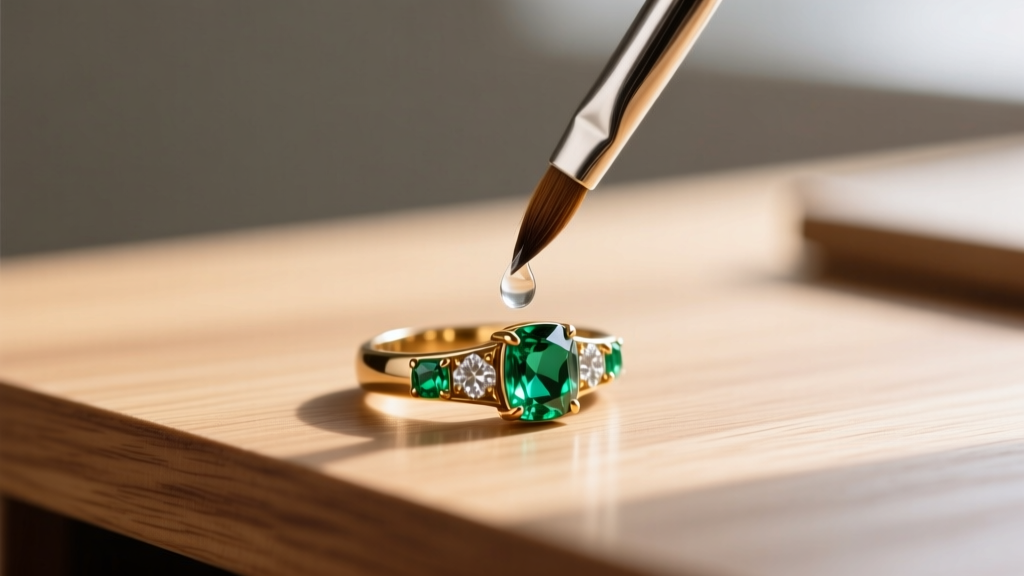
Step-by-Step Sealant Application:
- Degrease: Wipe the jewelry thoroughly with a lint-free cloth dampened with 90% isopropyl alcohol to remove manufacturing oils and skin sebum.
- Apply Coat One: Using a soft foam brush, apply a micro-thin layer of polyurethane sealant to the areas that will touch the skin (e.g., the inner band of a ring, the back of a pendant).
- Cure: Allow the piece to air-dry in a dust-free environment for 24 hours.
- Apply Coat Two: Apply a second thin layer for redundant protection and let it cure for another 24 hours before wearing.
Step 2: Strategic Storage Protocols
How you store your costume jewelry when it is not on your body dictates its lifespan. Tossing plated brass into a communal wooden drawer exposes it to fluctuating humidity and airborne sulfur compounds. Implementing a tiered storage strategy is essential for long-term preservation.
| Storage Method | Estimated Cost | Tarnish Prevention | Best Use Case |
|---|---|---|---|
| Ziploc + Silica Gel Packets | Low ($) | High | Humid climates, daily wear rotation |
| 3M Anti-Tarnish Strips | Medium ($$) | Very High | Long-term drawer storage, seasonal pieces |
| Pacific Silvercloth Bags | High ($$$) | Maximum | Investment costume pieces, vintage archives |
For everyday pieces, the Ziploc method is highly effective. Place the jewelry in an airtight plastic bag, squeeze out the excess air, and drop in a small, rechargeable silica gel packet to absorb ambient moisture. For seasonal or vintage costume pieces, invest in anti-tarnish strips. These strips contain activated carbon and silver particles that absorb sulfur gases from the air inside a jewelry box before those gases can react with your copper and brass base metals.
Step 3: The Post-Wear Neutralization Routine
Human skin has a natural pH ranging from 4.5 to 5.5, making it mildly acidic. When combined with the alkaline or chemical compounds found in perfumes, body lotions, and sunscreens, the surface of your costume jewelry is subjected to a harsh chemical bath every time you wear it. A strict post-wear routine neutralizes these threats.
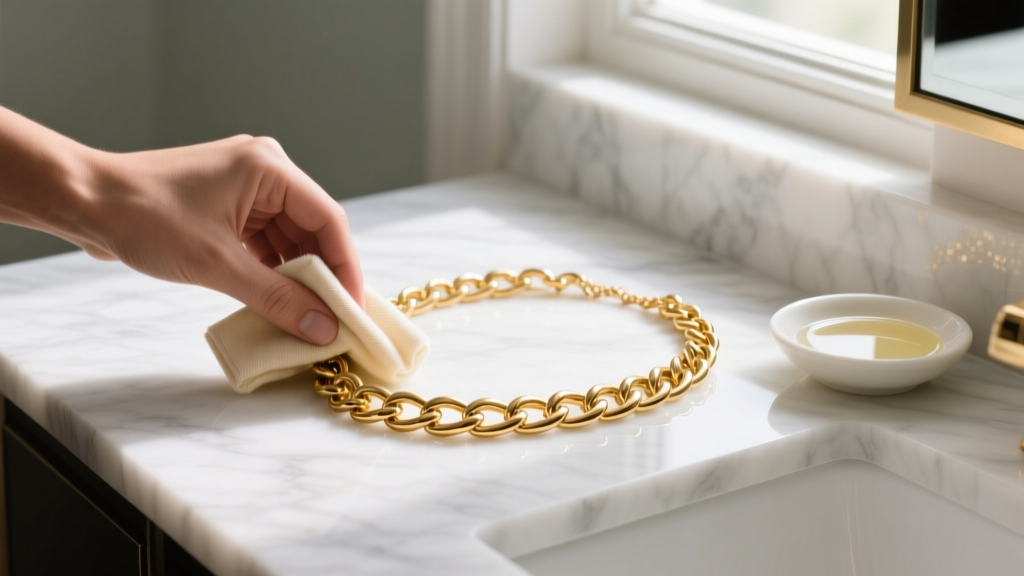
- The Dry Wipe: Immediately upon taking off your jewelry, wipe it down with a clean, dry microfiber cloth. This removes the invisible layer of sebum, sweat, and lotion before it has time to eat through the flash plating.
- The Deep Clean (Weekly): If the piece has been worn heavily, wash it in lukewarm water with a single drop of pH-neutral dish soap (like Dawn). Gently agitate with your fingers—never use a toothbrush, as the bristles can scratch 0.2-micron plating.
- The Complete Dry: Moisture is the enemy of base metals. After washing, pat the piece dry with a towel, then use a hairdryer on the cool setting to blow water out of microscopic crevices and chain links.
Expert Warning: Never put costume jewelry in an ultrasonic cleaner. The high-frequency vibrations are designed to shake dirt loose from solid metals, but they will literally vibrate the microscopic flash plating right off a Zamak or brass base, ruining the piece instantly.
Troubleshooting: What to Do When Tarnish Strikes
If your costume jewelry has already begun to tarnish or the base metal is showing through, your remediation options are limited by the fragility of the plating. Avoid the popular "aluminum foil and baking soda" bath. While this electrochemical reaction works wonders for solid sterling silver, the alkaline nature of baking soda and the heat required will strip the remaining gold or rhodium plating off your costume piece.
Instead, use a specialized, non-abrasive liquid jewelry dip formulated specifically for plated metals, or gently buff the tarnished areas with a dry, untreated jeweler's polishing cloth. If the plating has completely worn away and the brass or copper is exposed, the only permanent fix is to take the piece to a local jeweler for professional re-plating, or to embrace the raw, oxidized industrial aesthetic of the exposed base metal.
By understanding the vulnerabilities of flash-plated base metals and implementing these targeted barrier, storage, and cleaning protocols, you can extend the lifespan of your favorite costume jewelry from a single season to several years of flawless wear.


