Cremation Jewelry Pricing Guide 2026: Budget & Value Assessment
Discover the true cost of cremation jewelry in 2026. Compare materials, hidden fees, and value to find meaningful keepsakes that fit your budget.

When navigating the profound loss of a loved one, the emotional weight of purchasing a memorial keepsake can often cloud financial judgment. The market for cremation jewelry has expanded significantly over the last decade, evolving from simple brass urn pendants into a sophisticated industry offering everything from hand-blown glass orbs to lab-grown diamond inclusions. However, this growth has also introduced a phenomenon known as 'memorial markup'—where standard jewelry pieces are rebranded as remembrance items and priced at a premium. As a consumer in 2026, understanding the true cost, material longevity, and hidden fees associated with cremation jewelry is essential to ensuring you receive genuine value without compromising on sentiment.
The 2026 Cremation Jewelry Pricing Matrix
To accurately assess value, we must first establish the baseline market rates for the most common materials used in ash-holding jewelry. The table below outlines the current 2026 pricing tiers, factoring in base material costs, craftsmanship, and expected lifespan.
| Material Category | Entry-Level Price | Premium Price | Expected Lifespan | Best Value For |
|---|---|---|---|---|
| 316L Surgical Steel | $35 - $60 | $75 - $120 | 5-10 Years | Daily wear on a strict budget |
| Grade 2 Titanium | $50 - $90 | $100 - $180 | Lifetime | Hypoallergenic needs & active lifestyles |
| .925 Sterling Silver | $90 - $150 | $180 - $350 | 20+ Years (with care) | Classic aesthetics & heirloom gifting |
| Solid 14k Gold | $650 - $900 | $1,200 - $2,500+ | Generational | Investment pieces & permanent wear |
| Borosilicate Glass | $60 - $120 | $150 - $400 | Lifetime (if un-dropped) | Custom color inclusions & artistic expression |
Material Breakdown: Where Your Money Actually Goes
The price disparity between a $40 steel pendant and a $1,500 gold locket is not merely a reflection of raw material costs; it is deeply tied to the engineering of the ash compartment, the quality of the seals, and the durability of the threading. According to the Gemological Institute of America (GIA), understanding metal hallmarks and alloy compositions is the first step in avoiding overpriced imitations.
Surgical Steel & Titanium (The Budget Tier)
For budgets under $100, 316L surgical steel and Grade 2 titanium are the undisputed champions of value. 316L steel contains molybdenum, which provides excellent resistance to the chlorides found in human sweat, preventing the 'green skin' effect common in cheaper base metals. Titanium takes this a step further by being entirely biocompatible and significantly lighter. However, the primary failure mode in budget metal cremation jewelry is the threading. Many mass-produced steel pendants use external threading on the screw-cap, which can easily cross-thread or strip if forced, compromising the seal and risking the loss of the ashes. Always look for internal threading or a secure bail-screw mechanism in this price range.
Sterling Silver & Gold Vermeil (The Mid-Range Sweet Spot)
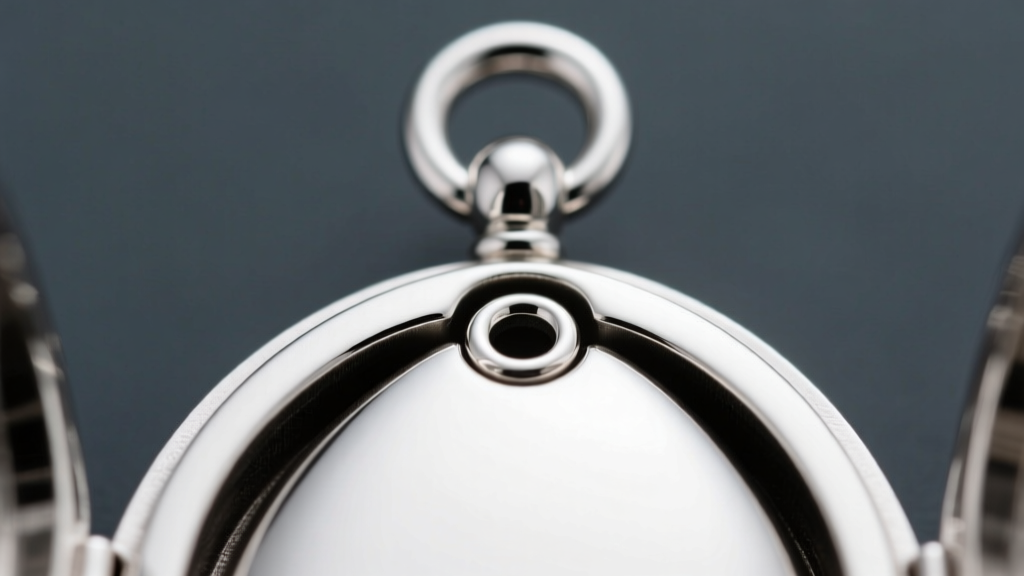
Sterling silver (.925) offers a beautiful, traditional aesthetic but requires careful engineering when used for ash-holding compartments. Silver is naturally porous and prone to oxidation. High-quality silver cremation jewelry in the $150–$250 range will feature a rhodium plating on the exterior to prevent tarnishing, and a precisely milled silicone O-ring inside the cap to ensure an airtight, waterproof seal. Beware of 'gold vermeil' or 'gold-plated' memorial jewelry. While visually striking, the friction of daily wear, combined with exposure to lotions and skin oils, will eventually wear away the thin gold layer, exposing the brass or silver base metal beneath. For a lifetime piece, vermeil is a poor long-term investment.
Solid 14k/18k Gold & Platinum (The Investment Tier)
When you cross the $600 threshold, you are paying for generational permanence and superior metallurgical properties. Solid 14k gold is actually the superior choice for cremation jewelry over 18k or 24k gold. Because 14k gold is alloyed with metals like copper and zinc, it is harder and more resistant to the bending and warping that can break the delicate seals of an ash compartment. Platinum, while the most expensive option (often starting at $2,000), is incredibly dense and durable, ensuring that the microscopic tolerances required for a watertight ash seal remain intact for decades.
Hidden Costs That Inflate Your Final Bill
The listed price of a cremation necklace is rarely the final price you pay at checkout. Retailers often rely on high-margin add-ons that exploit the buyer's emotional state. Here are the hidden costs to watch for in 2026:
- 'Professional' Ash Loading Services ($50 - $150): Many companies offer to receive a portion of your loved one's ashes, load the jewelry in a sterile environment, and ship it back. While this provides peace of mind for the squeamish, it is a massive markup for five minutes of work using a tiny paper funnel and a pin. Loading the jewelry yourself at home is free, safe, and deeply therapeutic for many families.
- Chain Upgrades ($30 - $80): The default chain included with most pendants is a hollow, low-grade rope chain that is prone to snapping. Upgrading to a solid 1.5mm stainless steel or sterling silver box chain is highly recommended for security, but verify the clasp is a secure lobster claw, not a cheap spring ring.
- Laser Engraving ($40 - $90): While a beautiful touch, some retailers charge exorbitant fees for simple fingerprint or date engravings. Local jewelers can often perform the same laser engraving for half the cost after you receive the piece.
Glass and Resin vs. Metal Urn Pendants: A Value Comparison

Not all cremation jewelry utilizes a hollow metal chamber. Infused glass and resin pieces have surged in popularity, but their value propositions differ wildly from metal lockets.
The Problem with Epoxy Resin
Resin cremation jewelry is frequently marketed as an affordable alternative to glass, with prices ranging from $40 to $100. However, epoxy resin is highly susceptible to UV degradation. Within 12 to 18 months of daily wear, exposure to sunlight will cause clear resin to yellow, obscuring the ashes and altering the color of any added pigments. From a strict value perspective, resin is a short-term keepsake, not a permanent heirloom.
The Superiority of Borosilicate Glass
If you prefer the look of infused ash jewelry, insist on borosilicate glass (often referred to by the brand name Pyrex). Borosilicate glass is highly resistant to thermal shock and UV yellowing, meaning the vibrant colors and swirling ash inclusions will remain perfectly preserved for a lifetime. The trade-off is fragility; while metal pendants can survive being dropped on a bathroom tile floor, glass orbs will shatter. If you work with your hands or lead an active lifestyle, the value of a metal urn pendant far outweighs the artistic appeal of glass.
How to Spot Overpriced Memorial Markup
The Funeral Consumers Alliance frequently warns consumers about predatory pricing in the death care industry, and the memorial jewelry sector is no exception. To ensure you are paying for quality rather than a 'memorial' label, apply these three E-E-A-T verification steps:
- Check the Metal Stamp: The Federal Trade Commission's Jewelry Guides mandate that precious metals be accurately stamped. If a piece is marketed as 'gold' but lacks a '10k', '14k', or '18k' stamp, it is likely gold-plated brass and should not cost more than $50.
- Verify the Seal Mechanism: A high-value metal cremation pendant will explicitly mention its sealing mechanism in the product description. Look for terms like 'silicone O-ring', 'Teflon seal', or 'thread-locking screw'. If the product simply says 'screw-top' with no mention of a gasket, moisture will eventually enter the chamber, causing the ashes to clump and degrade.
- Compare to Standard Jewelry: Remove the word 'cremation' from your search. A standard 14k gold teardrop pendant weighs roughly 2.5 grams. If the current scrap value of 14k gold is $45 per gram, the raw material cost is $112.50. If a retailer is charging $1,200 for a simple, unbranded 14k gold urn pendant with no gemstones, you are paying a 1,000% grief tax.
Final Verdict: Balancing Sentiment and Budget
The true value of cremation jewelry is not measured strictly in carat weight or scrap metal prices; it is measured in the comfort it brings to the wearer. However, honoring a loved one does not require falling victim to inflated pricing. For those on a strict budget, a $60 Grade 2 titanium pendant with a silicone O-ring seal offers unparalleled durability and hypoallergenic safety. For those seeking a generational heirloom, investing in a solid 14k gold piece with internal threading ensures the physical integrity of the keepsake for decades to come. By understanding the material science, recognizing hidden fees, and demanding transparent manufacturing standards, you can secure a beautiful, meaningful tribute that respects both your emotional needs and your financial boundaries.


