2026 Demi Fine Jewelry Trends: Quality Tiers & Styling
Discover the top 2026 demi fine jewelry trends, from heavy gold vermeil to PVD coatings. Learn how to spot quality tiers and avoid plating wear.

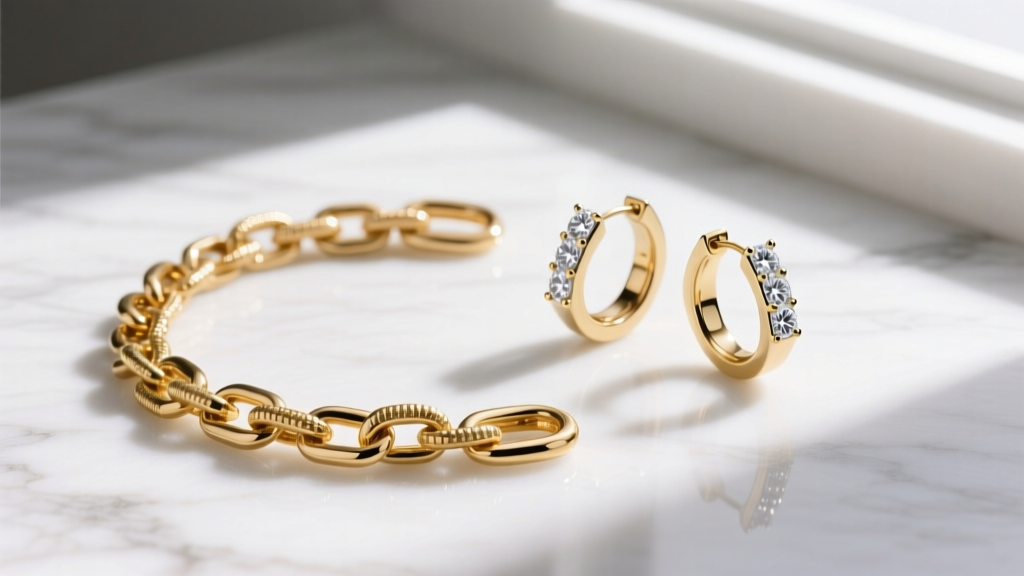
The landscape of accessible luxury has fundamentally shifted. In 2026, the term "demi-fine" is no longer a marketing catch-all for cheap brass dipped in flash gold. Today, demi fine jewelry represents a highly engineered middle market that bridges the gap between disposable fast-fashion accessories and prohibitive solid 18k gold. Consumers are demanding transparency, durability, and sophisticated design, forcing brands to elevate their material standards. Whether you are curating an ear stack or investing in an everyday signet ring, understanding the precise quality tiers of the demi-fine category is essential for making informed purchases.
The 2026 Material Matrix: Vermeil, Gold-Filled, and PVD
The foundation of any demi-fine piece is its metallurgy. The Federal Trade Commission (FTC) Jewelry Guides strictly regulate how brands can label their gold finishes, yet misleading terminology still plagues the market. To navigate the 2026 landscape, you must understand the three dominant material categories:
Heavy Gold Vermeil
True vermeil must have a base of 925 sterling silver, plated with a minimum of 2.5 microns of gold (usually 14k or 18k). In 2026, premium demi-fine brands are pushing this to 3.0 or even 4.0 microns to extend the lifespan of high-friction pieces like rings and bracelets. If a piece has a brass or copper base, it is legally just "gold plated," regardless of the thickness, and will eventually tarnish green as the base metal oxidizes through micro-pores in the gold layer.
Gold-Filled (Mechanically Bonded)
Gold-filled jewelry involves mechanically bonding a thick layer of solid gold (usually 14k) to a brass core using heat and pressure. By law, the gold must constitute at least 5% (or 1/20th) of the total weight of the item. This results in a gold layer that is up to 100 times thicker than standard electroplating, making it highly resistant to flaking and ideal for delicate chain work and permanent jewelry.
The PVD Disruption
Physical Vapor Deposition (PVD) has emerged as the most disruptive technology in the 2026 demi-fine space. Originally used in luxury watchmaking, PVD involves vaporizing titanium nitride or zirconium nitride in a vacuum chamber, allowing it to bond at a molecular level with a 316L surgical stainless steel base. The result is a waterproof, sweat-proof, and highly scratch-resistant gold-toned finish that outlasts traditional vermeil in high-moisture environments.
| Material Type | Base Metal | Gold Thickness / Weight | Water Resistance | Average Lifespan |
|---|---|---|---|---|
| Flash Plated | Brass / Copper | 0.1 - 0.5 microns | Very Poor | 3 - 6 Months |
| Gold Vermeil | 925 Sterling Silver | 2.5 - 4.0 microns | Moderate | 1 - 3 Years |
| Gold-Filled | Jeweler's Brass | 5% by weight (1/20) | High | 5 - 10+ Years |
| PVD Coated | 316L Stainless Steel | Molecular TiN bond | Waterproof | 10+ Years |
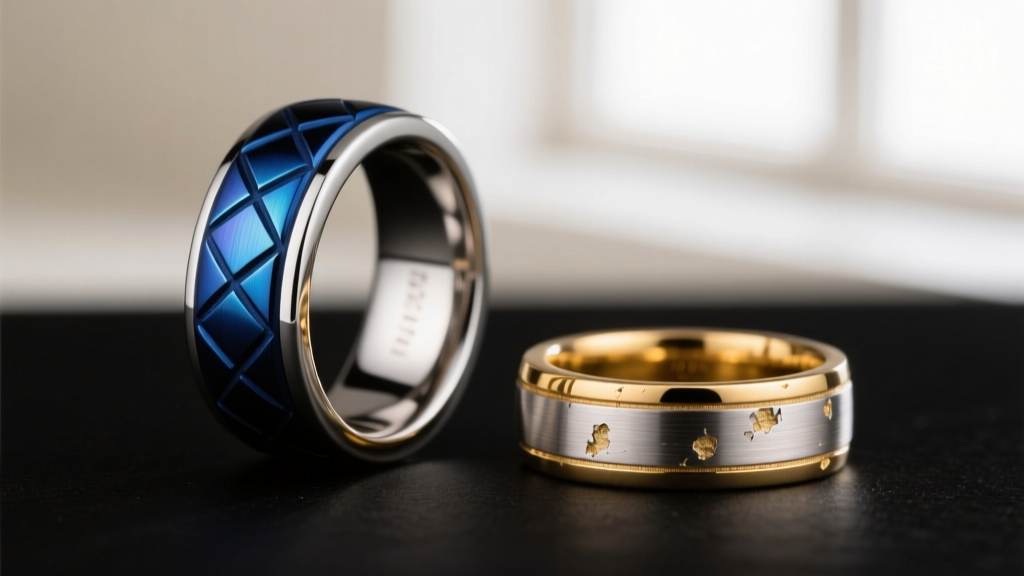
Gemstone Integration: The Lab-Grown Melee Revolution
The definition of demi-fine has expanded beyond just metals; it now encompasses the ethical and economic integration of gemstones. According to the Gemological Institute of America (GIA), the optical and chemical properties of lab-grown diamonds are identical to their mined counterparts. In 2026, premium demi-fine brands have entirely phased out cubic zirconia (CZ) in favor of lab-grown melee diamonds (ranging from 0.01 to 0.05 carats) and recycled moissanite.
This shift allows designers to incorporate genuine diamond brilliance into accessible price points without the ethical baggage of untraceable supply chains. Furthermore, we are seeing a massive resurgence in traceable semi-precious stones. Ethically mined Montana sapphires, step-cut Brazilian amethysts, and ethically sourced lapis lazuli are being set in bezel and prong settings that were previously reserved exclusively for fine jewelry.
Pro-Tip for Buyers: When shopping for demi-fine gemstone jewelry, always check the setting. Prong and bezel settings indicate a higher quality tier, as they require precise stone cutting. Be wary of "glued-in" stones or foil-backed settings, which are hallmarks of costume jewelry attempting to mimic the demi-fine aesthetic.
Ear Curation and Gauge Standards
The 2026 ear curation trend relies heavily on the structural integrity of demi-fine findings. A common failure mode in lower-tier demi-fine jewelry is the use of impossibly thin earring posts that bend during insertion or cause the "cheese-cutter effect" in healed piercings.
- Lobe Studs and Huggies: Standard demi-fine posts are typically 20-gauge (0.81mm) or 19-gauge (0.91mm). This is perfectly acceptable for standard lobe piercings and ensures the clicker mechanisms on huggie hoops function smoothly without excessive bulk.
- Cartilage and Helix Pieces: For upper ear curation, you should actively seek out 18-gauge (1.02mm) or 16-gauge (1.29mm) posts. Thicker posts prevent migration, reduce irritation bumps, and provide the necessary structural support for heavier demi-fine charms and chain connectors.
- Threadless vs. Threaded: Premium demi-fine brands are adopting threadless (push-pin) ends for their 16g and 14g cartilage offerings, mimicking professional body jewelry standards to prevent the tearing of delicate fistulas caused by traditional screw threads.
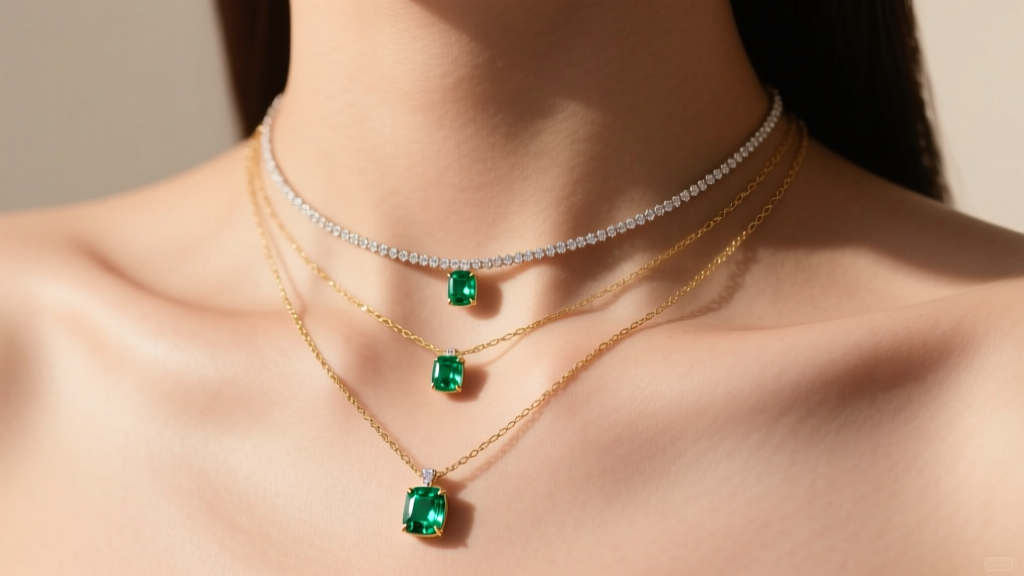
Decoding the 2026 Pricing Tiers
Understanding what you should actually pay for demi-fine jewelry requires breaking the market down into three distinct tiers based on material costs, labor, and design complexity.
Entry-Level Demi ($45 - $85)
At this tier, expect PVD-coated 316L stainless steel, thin 1-micron vermeil over brass (often mislabeled), and high-grade CZ or white sapphire accents. These pieces are excellent for trend-driven, seasonal styling but should not be expected to become lifelong heirlooms.
Core Demi-Fine ($85 - $180)
This is the sweet spot for everyday wear. Here you will find heavy 3-micron vermeil over solid 925 silver, 14k gold-filled chains, and genuine lab-grown melee diamonds. Brands in this tier invest heavily in custom molds and high-quality casting, ensuring that clasps, hinges, and jump rings are soldered and durable.
Premium Demi ($180 - $350)
Premium demi-fine blurs the line with fine jewelry. Pieces in this category often feature solid 14k gold accents (like clasps or ear wires) paired with heavy sterling silver bodies, recycled moissanite center stones, and intricate hand-engraving. This tier is ideal for signature pieces like signet rings, permanent jewelry anchors, and engagement-adjacent right-hand rings.
Care Protocols and Failure Modes
Even the highest quality demi-fine jewelry requires specific care protocols to mitigate inevitable failure modes. The most common issue is galvanic corrosion, which occurs when two dissimilar metals (like a gold vermeil pendant and a solid silver chain) are exposed to an electrolyte (sweat or saltwater). This creates a micro-battery effect that rapidly degrades the less noble metal.
To maximize the lifespan of your 2026 demi-fine collection, adhere to these strict guidelines:
- Manage pH Levels: Human sweat is naturally acidic (pH 4.5 to 7.0). High acidity accelerates the breakdown of gold vermeil. Wipe your pieces down with a damp, lint-free microfiber cloth immediately after heavy exercise.
- Avoid Sulfur Exposure: The 925 sterling silver base of vermeil contains 7.5% copper, which is highly reactive to sulfur. Keep your jewelry away from hot springs, heavily chlorinated pools, and even certain skincare products containing sulfur compounds to prevent deep, black tarnishing beneath the gold layer.
- Storage Separation: Store pieces individually in anti-tarnish cloth pouches. The Mohs hardness scale dictates that harder gemstones (like diamonds or moissanite at 8.5-10) will easily scratch the softer gold plating (2.5-3) if jumbled together in a jewelry box.
By understanding the precise metallurgy, gauge standards, and pricing structures of the modern market, you can confidently curate a demi-fine collection that offers the luxury and durability of fine jewelry without the exorbitant markup. The 2026 landscape rewards the informed buyer who looks past the marketing gloss and demands material transparency.


