The Ultimate Buying Guide to Commissioning Bespoke Fine Jewelry
Learn how to commission bespoke fine jewelry with our expert buying guide. Discover pricing, metal grades, gemstone selection, and artisan vetting tips.

Demystifying the Bespoke Fine Jewelry Process
When navigating the upper echelons of the jewelry market, understanding the distinction between custom, made-to-order, and true bespoke fine jewelry is critical. Made-to-order pieces are selected from pre-existing designs and simply sized or set with your chosen stone. Custom jewelry involves modifying an existing CAD (Computer-Aided Design) template. True bespoke fine jewelry, however, is born entirely from a blank slate, engineered specifically around the unique dimensions of your center stone and the anatomical quirks of the wearer. Commissioning a bespoke piece requires a strategic approach to material science, gemological verification, and artisan vetting.
The Four-Stage Commission Workflow
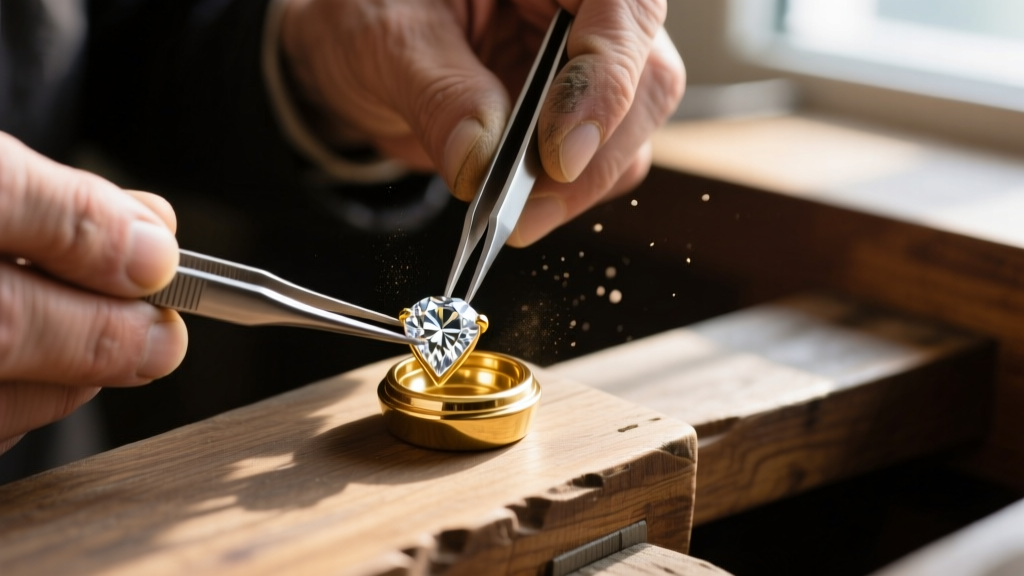
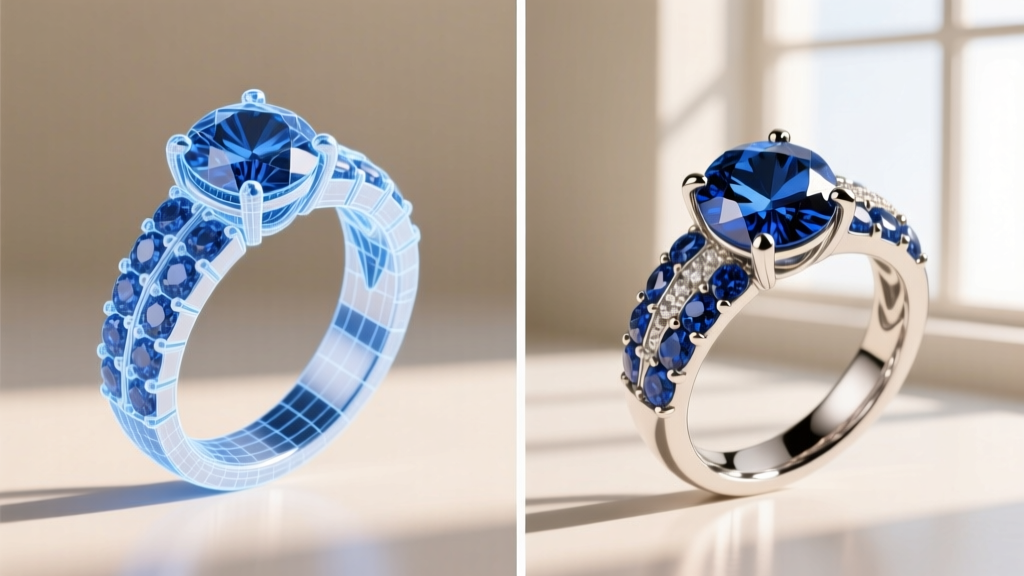
A legitimate bespoke commission follows a rigid four-stage protocol. First, the Consultation and Ideation phase establishes the structural parameters and aesthetic direction. Second, the CAD and Wax Prototyping phase translates sketches into a 3D digital model, which is then 3D-printed in castable wax for the client to try on. Third, the Casting and Pre-Polish phase involves burning out the wax, casting the chosen metal alloy, and initial assembly. Finally, the Stone Setting and Final Polish phase secures the gemstones under magnification. Skipping the wax prototype stage is a major red flag; it eliminates the client's ability to verify the ergonomics and visual weight of the piece before irreversible metal casting occurs.
Metallurgy: Selecting the Right Alloy for Longevity
The structural integrity of bespoke fine jewelry relies heavily on precise alloy compositions. While consumers often fixate on karat purity, master jewelers prioritize the secondary metals that dictate hardness, malleability, and color stability.
Platinum 950: Ruthenium vs. Cobalt Alloys
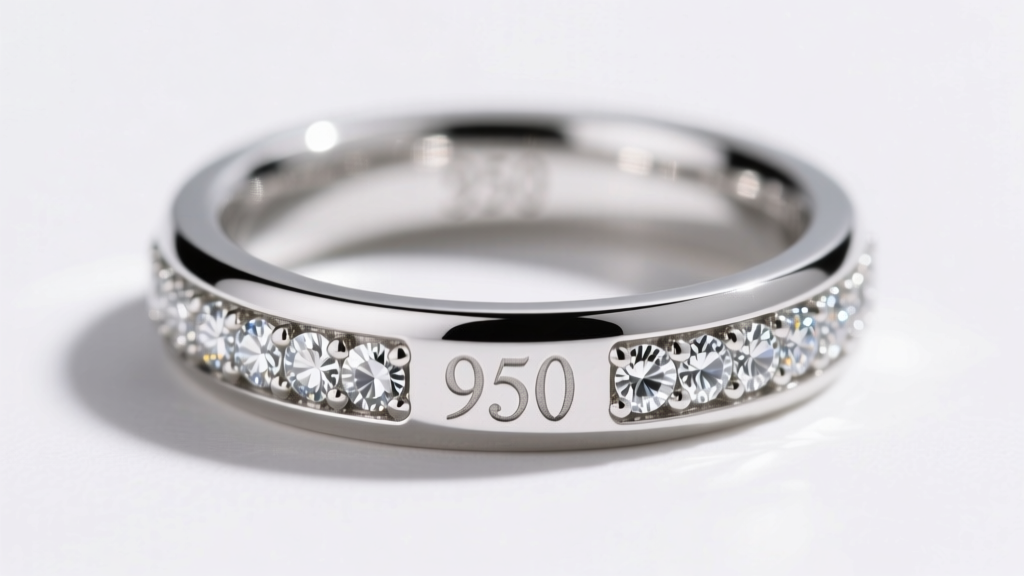
Platinum 950 (95% pure platinum) is the undisputed king of bespoke settings due to its density and prong durability. However, not all Platinum 950 is created equal. The remaining 5% consists of alloying metals that drastically alter the metal's working properties:
- 950 Pt / 5% Ruthenium: This is the industry standard for cast bespoke pieces. Ruthenium increases the hardness and tensile strength of the platinum, making it highly resistant to scratching and ideal for intricate pavé or micro-prong settings.
- 950 Pt / 5% Cobalt: Cobalt alloys are more malleable and possess a slightly whiter, more reflective luster. However, they are softer and generally better suited for die-struck manufacturing rather than complex custom casting.
Gold Alloys: The Palladium White Gold Alternative
Standard 14k and 18k white gold are alloyed with nickel or zinc and require periodic rhodium plating to maintain a bright white appearance. For bespoke commissions, request palladium white gold. By alloying yellow gold with 10% to 15% palladium, the resulting metal achieves a naturally white, hypoallergenic composition that never requires rhodium plating, ensuring the true color of the metal remains consistent over decades of wear.
Gemstone Sourcing and Verification Protocols
In bespoke fine jewelry, the center stone dictates the architectural parameters of the mounting. Never commission a bespoke setting before securing the exact gemstone. When sourcing diamonds, insist on a grading report from the Gemological Institute of America (GIA) or the American Gem Society (AGS). Tier-2 laboratories often inflate color and clarity grades by one to two tiers, severely impacting the stone's actual market value.
Colored Stone Optics: Avoiding Windowing and Extinction
When sourcing colored gemstones like sapphires or emeralds for a bespoke piece, prioritize precision cutting over sheer carat weight. Commercially native-cut stones are often cut to maximize yield, resulting in optical flaws:
- Windowing: A washed-out, transparent area in the center of the stone where light leaks out the pavilion instead of reflecting back to the eye.
- Extinction: Dark, lifeless zones within the stone caused by pavilion angles that are too steep.
A precision-cut gemstone, while yielding 15% to 20% less rough material, will exhibit superior brilliance and saturation. Always evaluate colored stones under both diffused daylight-equivalent LEDs and focused spot lighting to map the stone's optical performance.
Pricing Structures and Commission Timelines
Transparency in pricing is the hallmark of a reputable bespoke jeweler. Beware of artisans who offer a single, lump-sum quote. A professional commission should be itemized into design fees, metal costs, stone sourcing, and bench labor. Below is a realistic 2026 pricing framework for a standard bespoke engagement ring (excluding the center stone).
| Commission Component | Standard Complexity | High Complexity (e.g., Pavé, Articulated) |
|---|---|---|
| Design & CAD Fee | $250 - $500 | $600 - $1,200 |
| Wax Prototyping & Adjustments | $100 - $200 | $250 - $400 |
| Casting & Metal (18k Gold) | $800 - $1,400 | $1,500 - $2,500 |
| Stone Setting Labor (per stone) | $25 - $50 (Prong) | $40 - $85 (Micro-Pavé) |
| Final Polish & Engraving | $100 - $150 | $200 - $350 |
| Total Estimated Setting Cost | $1,275 - $2,300 | $2,590 - $4,535+ |
Timelines for true bespoke work typically range from 6 to 10 weeks. Any jeweler promising a fully bespoke, cast-and-set piece in under three weeks is likely utilizing pre-cast, mass-produced setting components (shanks and heads) and merely soldering them together, which compromises structural integrity.
Vetting Your Artisan: Red Flags and Green Lights
Choosing the right bench jeweler is the most critical variable in your commission. According to standards upheld by Jewelers of America, a qualified professional should possess verifiable bench credentials and transparent sourcing practices. When interviewing potential artisans, evaluate them against the following criteria:
Green Lights: Signs of a Master Artisan
- In-House Casting and Setting: The jeweler performs the CAD, casting, and stone setting under one roof, ensuring strict quality control and accountability.
- Portfolio of Process: They can show you the progression of a past project from initial sketch to CAD render, to raw casting, to the final polished piece.
- Hallmarking: They apply their registered maker's mark and the metal purity stamp (e.g., 18k, 950Pt) to the interior of the shank, a legal requirement in many jurisdictions and a sign of pride in their work.
Red Flags: Walk Away Immediately
- Refusal to Provide the CAD File: If you pay for the CAD design, you own the digital file. A jeweler who holds the file hostage is attempting to lock you into their manufacturing services.
- Vague Gemological Terminology: If the jeweler uses terms like 'certificate' instead of 'grading report,' or cannot explain the specific optical characteristics of your chosen stone, they lack the gemological expertise required for high-end bespoke work.
- No Post-Commission Warranty: A reputable artisan will offer a structural warranty covering porosity, casting defects, and prong integrity for at least the first year of wear.
"True bespoke fine jewelry is not merely about creating a beautiful object; it is an exercise in architectural engineering. The piece must withstand the kinetic forces of daily wear while maintaining optical perfection."
By demanding transparency in metallurgy, insisting on rigorous gemological verification, and understanding the true cost of bench labor, you ensure your bespoke commission will become a flawless, enduring heirloom.


