Turning Dogs Ashes to Jewelry: A Step-by-Step Guide
Learn the exact step-by-step process of turning dogs ashes to jewelry, from sifting cremains to choosing UV-stable resin or glass settings.

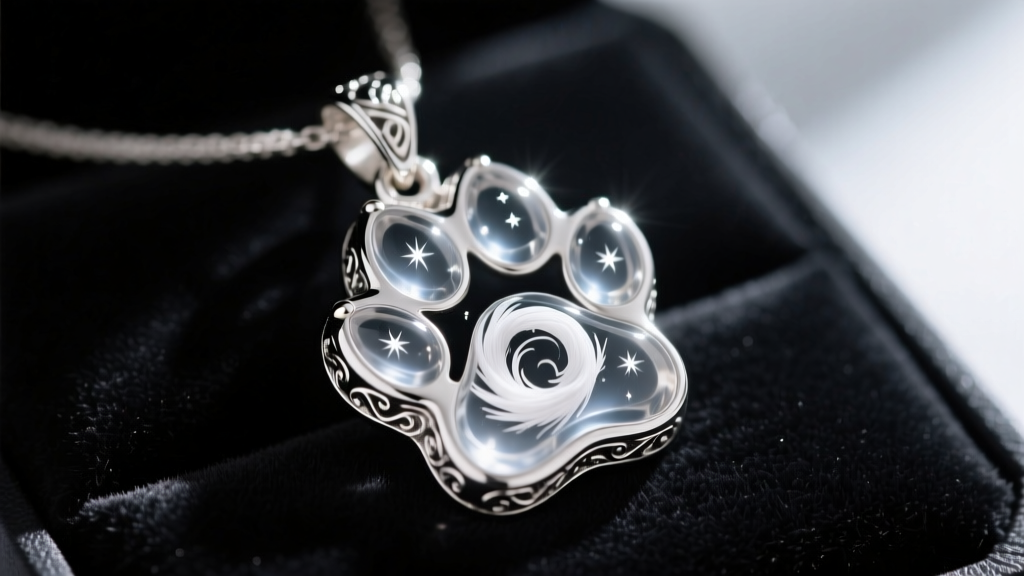
The Hidden Chemistry of Pet Cremains
Losing a beloved canine companion is a profound emotional experience, and many pet owners seek comfort by turning dogs ashes to jewelry. However, before you send a portion of your pet's remains to an artisan, it is critical to understand the physical and chemical properties of pet cremains. According to the American Veterinary Medical Association, pet cremation retorts typically operate between 1,400°F and 1,800°F. The resulting material is not simply 'ash,' but rather calcined bone composed primarily of calcium phosphate.
This composition makes pet cremains highly alkaline, often registering a pH between 11 and 12 when introduced to moisture. If you are planning on creating or commissioning resin-based memorial jewelry, this alkalinity is your biggest enemy. Unsealed ashes will trigger a saponification-like reaction within standard epoxies, breaking down the ester bonds and causing the resin to turn cloudy, yellow, or even crack within six to twelve months. Understanding this chemistry is the first step in ensuring your memorial piece lasts a lifetime.
Step 1: Sifting and Preparing the Cremains
Whether you are working with a professional jeweler or attempting a DIY kit, the physical preparation of the ashes dictates the final clarity and structural integrity of the jewelry. You only need about one-half to one teaspoon of cremains for most pendants or rings, but you must process it correctly.
The 100-Mesh Sieve Technique
Pet cremains often contain small, dense bone fragments that can puncture resin bezels or create unsightly bulges in glasswork. To achieve a uniform powder:
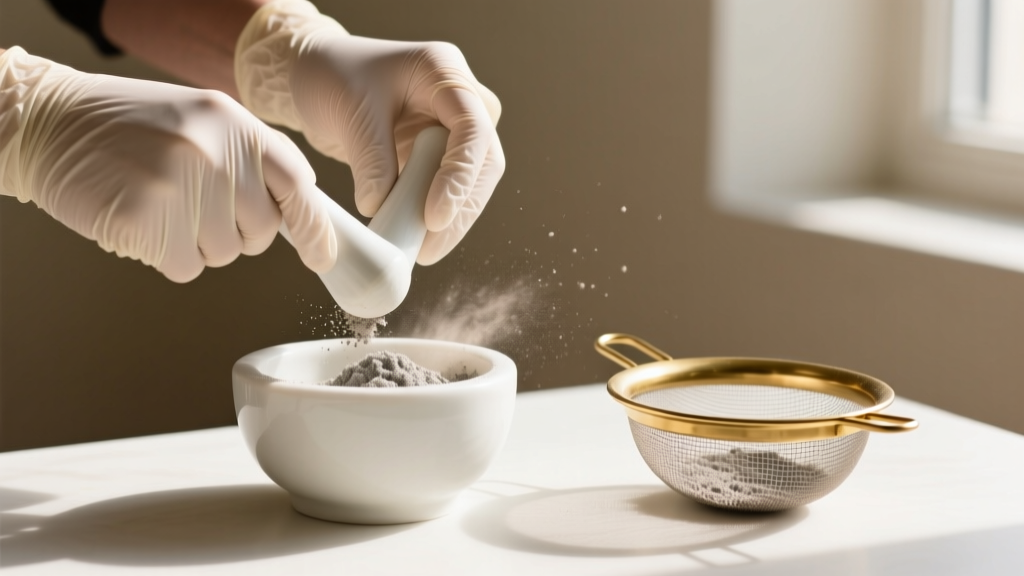
- Use Ceramic Tools: Never use a metal mortar and pestle. Metal will leave microscopic gray streaks in the white ashes, permanently discoloring them. Use an agate or unglazed ceramic mortar instead.
- Sift to 150 Microns: Pass the crushed material through a 100-mesh brass or stainless steel sieve. This ensures all particles are smaller than 150 microns, allowing them to suspend evenly in resin or melt smoothly into glass.
- Remove Metallic Debris: If your dog had a microchip, surgical pins, or wore a collar during cremation, use a strong neodymium magnet over the sifted powder to extract any ferrous metallic dust.
Step 2: Choosing the Right Medium
When turning dogs ashes to jewelry, the encapsulation medium you choose will determine the piece's durability, cost, and aesthetic. Below is a technical comparison of the three most common materials used by memorial artisans in 2026.
| Medium | Durability & Mohs Hardness | Ash Prep Required | Average Cost Range | Best For |
|---|---|---|---|---|
| UV-Stable Epoxy Resin | Moderate (Scratches easily, Mohs 2-3) | High (Must be sealed) | $85 - $200 | Intricate bezel designs, colorful backgrounds, DIY kits. |
| Borosilicate Glass | High (Mohs 5-6, thermal shock resistant) | Low (Melts into glass) | $150 - $350 | Chunky beads, paperweights, durable everyday pendants. |
| Sterling Silver Inlay | Very High (Metal matrix, Mohs 2.5-3 but structurally sound) | Moderate (Mixed with enamel) | $250 - $500+ | Subtle, minimalist rings and masculine jewelry designs. |
If you opt for glass, ensure your artisan uses borosilicate (COE 33) rather than soft soda-lime glass. Borosilicate is far less prone to thermal shock and will not crack when exposed to sudden temperature changes, such as walking from a warm house into winter air.
Step 3: Sealing and Encapsulation Protocols
For resin jewelry, sealing the ashes is a non-negotiable step. Professional artisans use a microscopic barrier coat to isolate the alkaline calcium phosphate from the acidic components of the epoxy hardener.
The industry standard involves mixing the sifted ashes with a water-based polyurethane or a specialized PVA (Polyvinyl Alcohol) solution. Once this mixture dries, it forms an inert, microscopic shell around each ash particle. Only after this sealant has fully cured (usually 24 hours) should the ashes be introduced to the two-part jewelry-grade epoxy. Furthermore, top-tier artisans will use epoxies formulated with HALS (Hindered Amine Light Stabilizers) to prevent UV yellowing, ensuring the ashes remain brilliantly white against the backdrop of the jewelry setting.
Step 4: Safe Packaging and Shipping
If you are mailing your dog's ashes to a custom jeweler, you must adhere to postal regulations and best practices for containment. The Association for Pet Loss and Bereavement frequently fields questions from grieving owners whose ashes were lost in transit due to improper packaging.
- Double Containment: Place the sifted ashes in a small, sealable glass vial or a heavy-duty ziplock bag. Place that primary container inside a secondary sealed bag.
- Static Prevention: Fine cremains cling to static-charged plastics. Lightly wipe the outside of the inner bag with an anti-static wipe before sealing to ensure no powder is trapped in the zip-lock track.
- Cushioning and Labeling: Wrap the double-bagged vial in bubble wrap and place it in a rigid, crush-proof cardboard box. Clearly label the outside of the box with 'Cremated Remains' as required by most major postal carriers, and always purchase tracking and signature confirmation.
Troubleshooting Common Failure Modes
Even with careful preparation, things can go wrong if the artisan lacks specific expertise. Here are the most common failure modes in cremation jewelry and how to avoid them:
1. The 'Snow Globe' Effect in Resin
If ashes float to the top of a resin pour instead of staying in the designated bezel layer, the resin's viscosity was too low during the pour. Artisans must wait for the epoxy to reach a 'honey-like' tackiness before adding the sealed ashes to ensure they remain perfectly suspended.
2. Cracking in Glass Beads
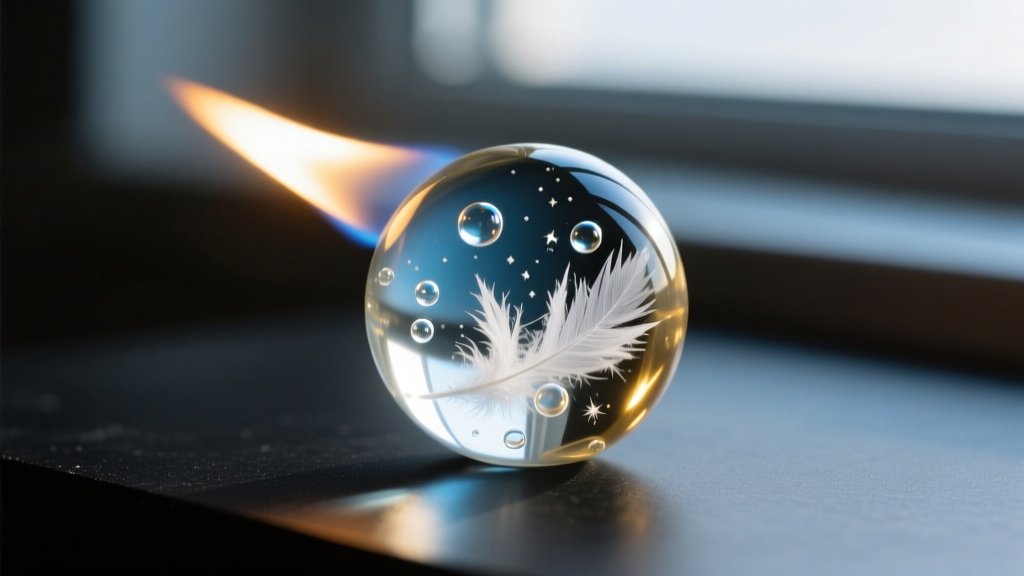
Moisture is the enemy of lampwork glass. If the pet ashes were stored in a humid environment and not kiln-dried before being rolled into molten glass, the trapped water turns to steam at 2,000°F, causing the glass bead to shatter or develop internal micro-fractures. Always ask your glass artist if they pre-bake the cremains.
3. Alkaline Clouding
As mentioned, a lack of a PVA barrier coat will result in a milky, opaque halo surrounding the ashes in resin jewelry. This is a chemical reaction, not a scratch, and cannot be polished out once it occurs.
Expert Aftercare Tip: Regardless of the medium, never clean your memorial jewelry with ultrasonic cleaners or harsh chemical dips (like silver polish). Ultrasonic vibrations can shatter glass inclusions, and chemical dips will permanently cloud the surface of epoxy resin. Stick to a soft microfiber cloth and mild dish soap.
Turning dogs ashes to jewelry is a beautiful, tangible way to honor a loyal friend. By understanding the material science behind the process and demanding proper preparation techniques, you ensure that your memorial piece remains as enduring as the memory of your pet.


