Best Brands of Fashion Jewelry: A 2026 Buying Guide
Discover the top brands of fashion jewelry in our 2026 buying guide. Learn how to evaluate materials, pricing tiers, and durability for everyday wear.

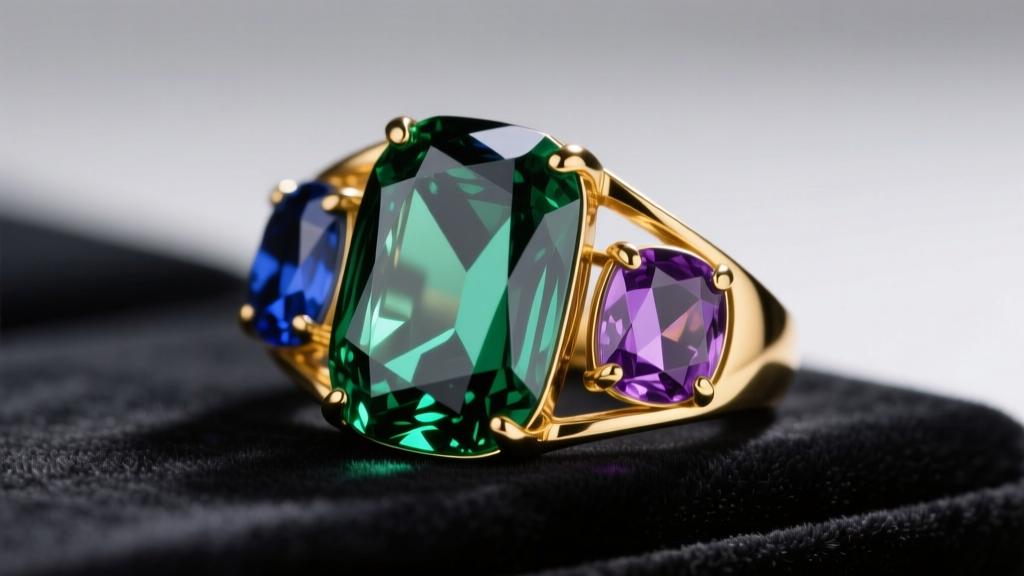
The Evolution of Fashion Jewelry: Beyond Costume Pieces
In 2026, the landscape of accessorizing has completely shifted. The term 'fashion jewelry' is no longer synonymous with disposable, low-quality costume pieces that tarnish after a single wear. Today, the market is segmented into highly engineered tiers, ranging from fast-fashion accessories to luxury house statement pieces that rival fine jewelry in their craftsmanship. When evaluating the best brands of fashion jewelry, consumers must look past the marketing gloss and understand the underlying metallurgy, plating techniques, and structural integrity that dictate a piece's lifespan.
Unlike fine jewelry, which relies on solid precious metals (14k/18k gold, platinum) and natural gemstones, fashion jewelry utilizes base metals, advanced alloys, and high-quality simulants. The goal of a savvy buyer is to identify brands that maximize durability and aesthetic appeal without the exorbitant markup of solid gold. This buying guide will dissect the material science behind top-tier fashion jewelry, helping you make informed, long-lasting investments for your collection.
Material Breakdown: What Top Brands Actually Use
The single biggest differentiator between premium fashion jewelry brands and cheap alternatives is the choice of base metal and the method of surface finishing. Understanding these materials is crucial for avoiding allergic reactions and premature structural failure.
Base Metals: Brass vs. Zinc Alloy vs. Stainless Steel
- Brass (Copper-Zinc Alloy): The gold standard for mid-to-high-tier fashion jewelry. Brass is highly malleable, allowing for intricate casting and detailed filigree work. More importantly, it is durable enough to hold prong-set stones securely and provides an exceptionally smooth surface for gold or rhodium electroplating. Top brands like Kendra Scott and BaubleBar rely heavily on brass bases.
- Zinc Alloy (Zamak): Often used in entry-level and fast-fashion jewelry. Zamak is cheap and casts well, but it is inherently brittle. Failure Mode: Prongs cast from zinc alloy frequently snap under minor stress, leading to lost stones. Furthermore, zinc alloy is porous, meaning plating can pit or bubble over time as the metal oxidizes beneath the surface.
- Stainless Steel (316L Surgical Grade): Highly favored in 2026 for its hypoallergenic properties and resistance to tarnish. However, traditional electroplating does not adhere well to steel. Premium brands use PVD (Physical Vapor Deposition) to coat steel in gold tones, resulting in a finish that is up to 10 times more durable than standard wet-plating.
Plating Thickness and Galvanic Corrosion
According to the Federal Trade Commission (FTC) Jewelry Guides, the terminology around gold plating is strictly regulated, yet frequently misunderstood by consumers. 'Flash plating' involves a microscopic layer of gold (typically 0.1 to 0.3 microns) that will wear through to the base metal within weeks of daily wear, especially when exposed to the acidic pH of human sweat (which ranges from 4.5 to 7.0).
The best brands of fashion jewelry utilize heavy gold electroplating (1.5 to 2.5 microns) or gold vermeil (a minimum of 2.5 microns of gold over a sterling silver base). This thickness ensures the piece can withstand daily friction and environmental exposure for years without exposing the underlying brass or copper, thereby preventing the dreaded 'green skin' reaction caused by copper oxidation.
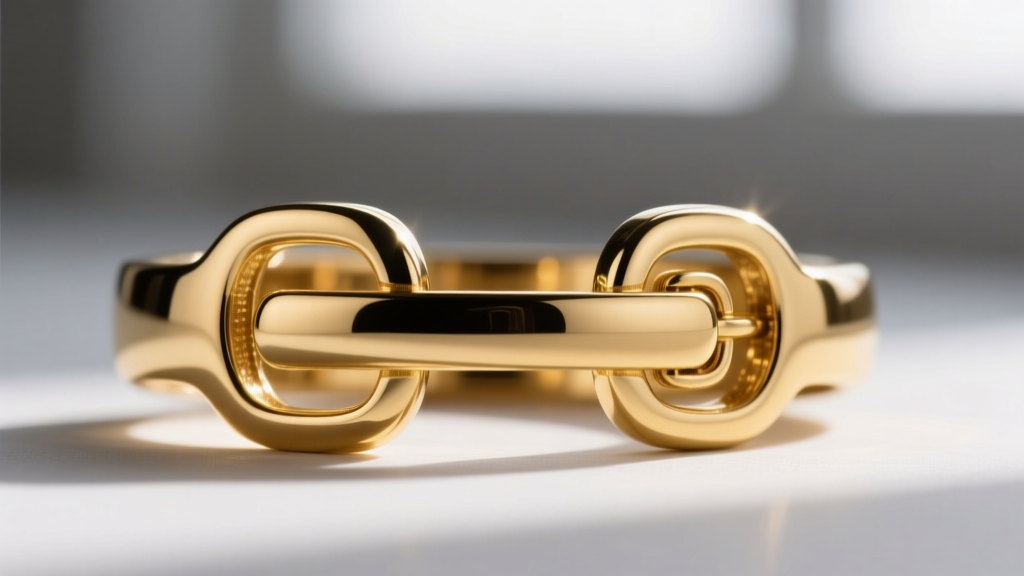
Tier Analysis: Evaluating the Best Brands of Fashion Jewelry
To navigate the market effectively, it is helpful to categorize fashion jewelry brands into distinct tiers based on their material integrity, pricing, and expected lifespan. Below is a comparative framework to guide your purchasing decisions.
| Brand Tier | Example Brands | Base Metal & Finish | Price Range | Expected Lifespan |
|---|---|---|---|---|
| Fast Fashion | Zara, H&M, Shein | Zinc Alloy / Iron with Flash Plating (<0.2μm) | $10 - $35 | 1 - 3 Months |
| Mid-Tier Fashion | BaubleBar, Kendra Scott, Gorjana | Brass / Stainless Steel with Electroplate or PVD (1.0 - 2.0μm) | $40 - $150 | 1 - 4 Years |
| Demi-Fine Crossover | Monica Vinader, Missoma | Sterling Silver with Heavy Gold Vermeil (2.5μm+) | $100 - $300 | 5+ Years |
| Luxury Fashion | Chanel, Dior, Gucci | Bronze / Brass with Heavy Plate, Faux Pearls, Enamel | $500 - $1,500+ | 10+ Years (Heirloom) |
When researching the Gemological Institute of America (GIA) resources on simulants and manufactured materials, it becomes clear that luxury fashion houses often use incredibly high-grade glass, resin, and cultured freshwater pearls set in meticulously finished brass. You are paying for the design heritage and the artisanal hand-finishing, rather than the intrinsic melt-value of the metal.
Red Flags: How to Spot Low-Quality Fashion Pieces
Even within reputable tiers, certain manufacturing shortcuts can compromise a piece. Train your eye to spot these common red flags before checking out:
- Glued-In Stones on Zinc Bases: If a brand uses epoxy glue to secure large cubic zirconia or resin stones into a lightweight, porous zinc setting, avoid it. The glue will degrade when exposed to UV light, hand sanitizers, and natural skin oils, resulting in lost stones within months. Always look for prong-set or bezel-set stones.
- The 'Hypoallergenic' Loophole: Many brands label their jewelry as 'hypoallergenic' simply because the top layer of plating is nickel-free. However, if the flash plating wears off in two weeks and exposes a nickel-heavy brass or nickel-silver base, you will still experience contact dermatitis. Look for brands that explicitly state their base metal is nickel-free, or opt for 316L stainless steel and titanium.
- Hollow, Ultra-Lightweight Links: While lightweight jewelry is comfortable, excessively hollow chain links and clasps are prone to crushing and snapping. A high-quality fashion brand will use solid-cast brass links or tightly welded stainless steel jump rings that can withstand a minimum of 15 lbs of tensile pull-force.
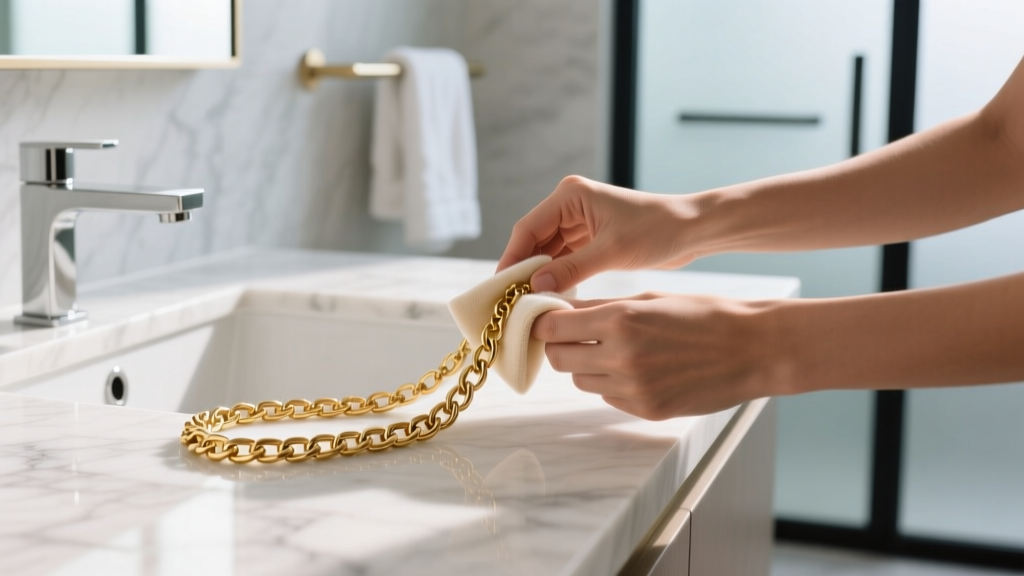
Care and Maintenance to Prevent Tarnish
The longevity of the best brands of fashion jewelry relies heavily on proper chemical management. Tarnish is not a sign of poor quality; it is a natural chemical reaction between the base metals (specifically copper and silver) and sulfur compounds in the environment.
To maximize the lifespan of your electroplated and PVD-coated pieces, implement the following maintenance protocol:
- Neutralize Sulfur Exposure: Sulfur is the enemy of fashion jewelry. It is present in hard-boiled eggs, hot springs, rubber bands, and even certain wool fabrics. Store your pieces away from these elements.
- Utilize Anti-Tarnish Strips: Place 3M anti-tarnish tabs inside your jewelry boxes and travel pouches. These strips absorb airborne sulfur and hydrogen sulfide gases, effectively pausing the oxidation process for up to 12 months.
- The 'Last On, First Off' Rule: Always put your fashion jewelry on after applying perfumes, lotions, and hairsprays. The alcohol and volatile organic compounds (VOCs) in cosmetics can strip delicate flash-plating and degrade the protective anti-tarnish lacquers applied by manufacturers.
- Microfiber Polishing: After wearing a piece, gently wipe it down with a clean, dry microfiber cloth to remove acidic skin oils and salts before storing it. Never use liquid silver dips or harsh abrasive polishing cloths on gold-plated fashion jewelry, as these will strip the gold layer entirely.
Final Verdict: Building a Curated Collection
Navigating the vast market of fashion jewelry requires a discerning eye for material science and structural engineering. By prioritizing brands that utilize solid brass or surgical steel bases, combined with heavy electroplating or PVD coating, you can build a rotation of stunning, trend-forward pieces that endure daily wear. Whether you are investing in the architectural statement pieces of luxury houses or the accessible, everyday elegance of mid-tier designers, understanding the 'why' behind the materials ensures your collection remains vibrant, intact, and impeccably stylish for years to come.


