Resin Cremation Jewelry Trends 2026: Styles & Material Science
Discover 2026 trends in resin cremation jewelry. Explore UV-resistant material science, terrazzo styles, and expert tips for lasting memorial keepsakes.

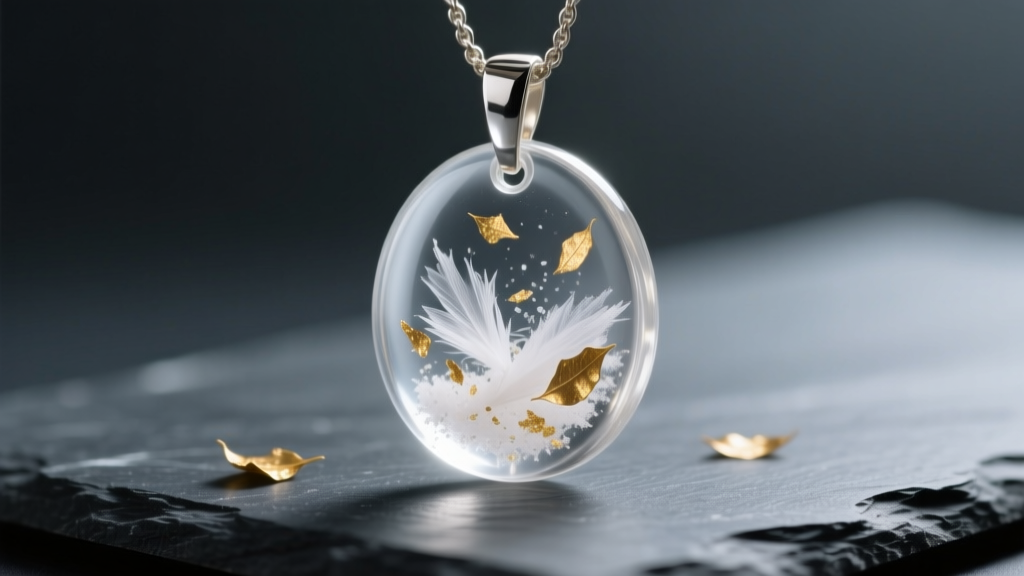
The landscape of memorial keepsakes has undergone a radical transformation. As cremation rates surpass 80% in several North American and European demographics, the demand for wearable remembrance has evolved from simple metal urn lockets to highly customized, artistic encapsulations. In 2026, resin cremation jewelry stands at the intersection of advanced polymer chemistry and bespoke artistry. No longer just a niche craft, the creation of ash-infused resin pieces has matured into a sophisticated discipline where material science dictates the longevity of the memorial.
According to the Cremation Association of North America (CANA), the shift toward cremation has fundamentally altered the memorialization industry, driving families to seek deeply personal, visually striking ways to keep their loved ones close. This comprehensive trend analysis explores the cutting-edge aesthetics, the chemical realities of resin encapsulation, and the critical quality markers that separate heirloom-grade jewelry from fleeting novelties.
The Material Science: Overcoming the "Yellowing" Problem
Historically, the greatest point of failure in resin cremation jewelry was UV degradation. Early adopters of epoxy-based memorial pieces often found their pendants turning a murky, jaundiced yellow within three to five years. This photo-oxidation occurs when ultraviolet light breaks down the polymer chains in standard epoxies, creating chromophores that absorb blue light and reflect yellow.
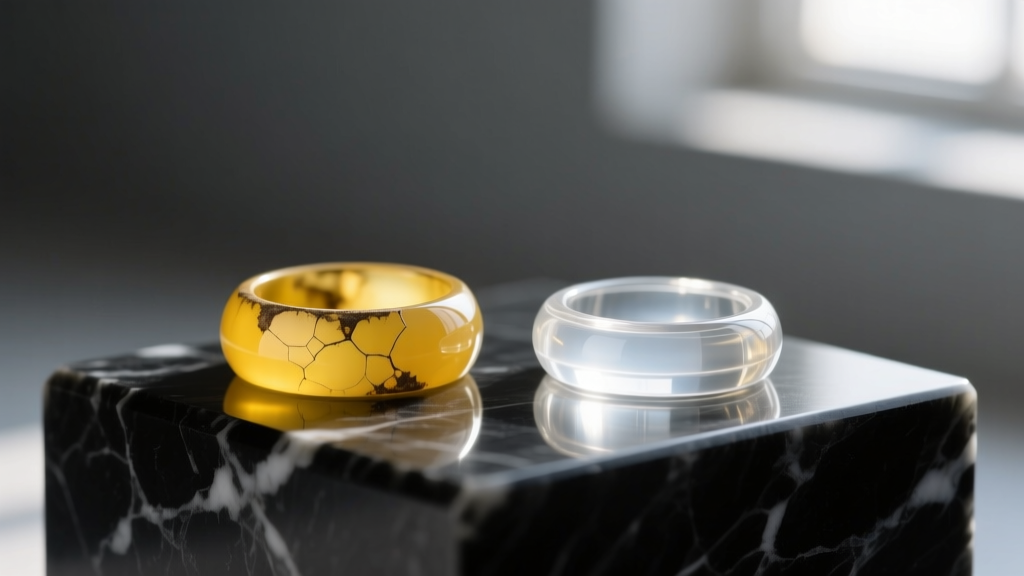
In 2026, top-tier memorial jewelers have largely abandoned basic craft epoxies in favor of heavily stabilized formulations. The industry standard now requires the integration of two distinct chemical defenses:
- UV Absorbers (UVAs): These molecules absorb harmful UV radiation and dissipate it as harmless heat, protecting the polymer backbone.
- Hindered Amine Light Stabilizers (HALS): HALS do not absorb UV light; instead, they scavenge the free radicals generated by UV exposure, effectively halting the degradation cycle before chromophores can form.
When sourcing or commissioning a piece, it is imperative to verify that the artisan uses a jewelry-grade resin with a high HALS concentration. As detailed in polymer degradation studies by experts at ArtResin, non-toxic, UV-resistant formulations are critical for maintaining optical clarity over decades, not just months.
The Alkaline Challenge of Cremains
Cremated remains (cremains) are primarily composed of calcium phosphate, making them highly alkaline and porous. Introducing raw ash directly into certain resin systems can trigger an exothermic reaction that disrupts the curing process, leading to a tacky surface or structural weakness. Modern artisans mitigate this by pre-treating the ashes—either by sealing them in a micro-layer of clear cyanoacrylate or by utilizing specialized aliphatic polyurethane resins that are chemically indifferent to alkaline interference.
2026 Aesthetic Trends in Resin Encapsulation
The visual language of resin cremation jewelry has shifted away from the "snow globe" effect of the early 2010s. Today's collectors and grieving families prefer subtle, high-art aesthetics that integrate the ashes into broader design narratives.
1. The Terrazzo & Geode Effect
By combining finely sifted cremains with crushed dichroic glass, ethically sourced mica powders, and metallic foils, artisans are creating terrazzo-style pendants. This technique disperses the ashes so they resemble natural mineral inclusions within a geode. It offers a vibrant, celebratory aesthetic that catches the light beautifully while maintaining a discreet connection to the deceased.
2. Minimalist "Suspended in Time" Clear Blocks
For those who prefer stark modernism, the 2026 trend of geometric, optically pure resin blocks is dominant. Using precision silicone molds and pressure pots to eliminate all micro-bubbles, jewelers suspend a single, concentrated pinch of ash in the exact center of a faceted cube or cylinder. The result is a gallery-grade, architectural piece of jewelry that looks akin to high-end contemporary art.
3. Oceanic & Topographical Layering
Utilizing varying viscosities and cure times, artists are pouring resin in micro-layers to create 3D topographical maps or oceanic depths. Ashes are often integrated into the "sand" layer of a coastal scene or the "stardust" layer of a nebula, catering to families who wish to honor a loved one's passion for nature or astronomy.
Pricing & Value: What to Expect in 2026
The pricing of resin cremation jewelry is highly stratified, depending on the chemical grade of the resin, the complexity of the mold work, and the metal hardware used for the setting. Below is a structural breakdown of the current market.
| Tier / Style | Resin Type | Hardware | Estimated Price Range |
|---|---|---|---|
| Basic Cabochon / Bezel | Standard UV Epoxy | Sterling Silver Plated | $85 - $150 |
| Terrazzo / Geode Art | HALS-Stabilized Epoxy | Solid 14k Gold Fill | $220 - $400 |
| Architectural / 3D Cast | Aliphatic Polyurethane | Solid 14k / 18k Gold | $450 - $850+ |
Critical Failure Modes & How to Spot Quality
Not all resin jewelry is created equal. When evaluating a piece of resin cremation jewelry, be on high alert for the following manufacturing defects:
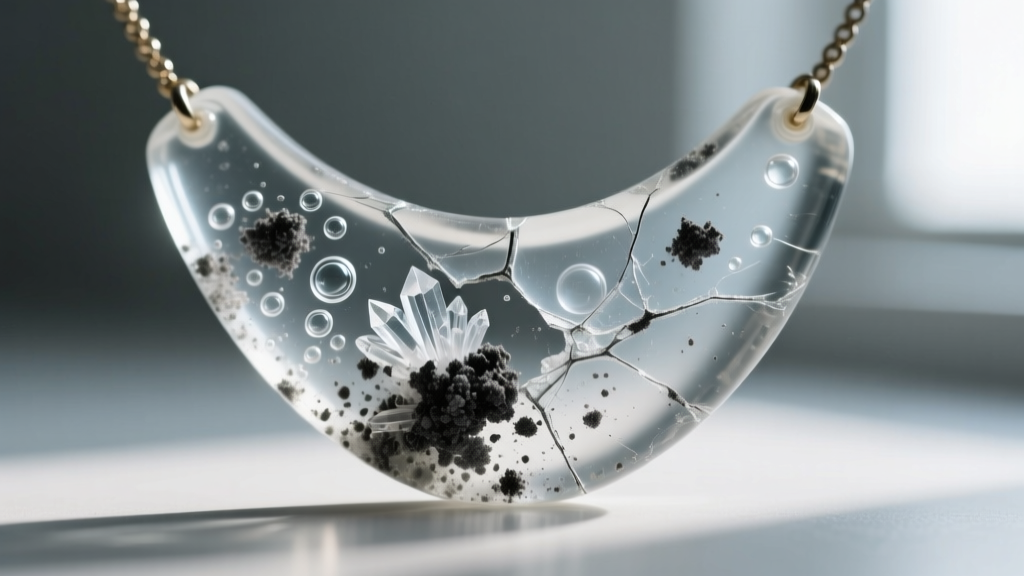
- Amine Blush: A waxy, greasy, or cloudy film on the surface of the resin. This occurs when epoxy cures in high-humidity environments, causing a chemical reaction with moisture in the air. It cannot be polished away permanently.
- Micro-Bubble Clustering: While a few artisanal bubbles might be intentional, a dense cluster of micro-bubbles around the ash indicates poor degassing techniques. High-end jewelers use a vacuum chamber or a pressure pot (curing at 40-50 PSI) to compress bubbles into invisibility.
- Ash Sedimentation: If the ashes have entirely sunk to the bottom of a thick pour, it means the resin's viscosity was too low during the encapsulation phase, or the ash was not pre-sealed to alter its buoyancy.
- Soft or Tacky Curing: Caused by improper mixing ratios or the introduction of moisture from untreated cremains. A fully cured piece should be hard and unyielding to a fingernail press.
Expert Insight: Always ask the artisan about their ash preparation protocol. Cremains retain ambient moisture and alkaline properties that can actively prevent epoxy from cross-linking properly. Pre-sealing the ashes is a non-negotiable step for heirloom-quality work.
Care & Maintenance Framework
Resin, by its very nature, is a relatively soft material. On the Mohs scale of mineral hardness, most jewelry-grade epoxies and polyurethanes sit between a 2.0 and a 3.0. For context, a copper penny is a 3.5, and common household dust contains quartz particles (a 7.0). This means your resin cremation jewelry is highly susceptible to micro-scratches if not cared for properly.
The 3-Step Maintenance Protocol
- Cleaning: Never use ultrasonic cleaners, chemical solvents, or alcohol-based cleaners. Use only lukewarm water, a drop of mild dish soap, and a microfiber cloth.
- Storage: Store the piece in a soft, lint-lined jewelry box away from direct sunlight. Even with HALS stabilizers, prolonged, direct, intense UV exposure (like leaving it on a car dashboard) will accelerate degradation.
- Wearing: Apply perfumes, hairsprays, and lotions before putting on the jewelry. The solvents in cosmetics can degrade the resin's surface polish over time, leading to a permanent dullness.
Final Thoughts
The evolution of resin cremation jewelry in 2026 represents a beautiful synthesis of grief, art, and advanced chemistry. By understanding the material science behind UV stabilization and recognizing the hallmarks of expert craftsmanship, families can invest in memorial pieces that truly stand the test of time. Whether you are drawn to the modernist appeal of a suspended clear block or the vibrant complexity of a terrazzo geode, the right resin keepsake offers a profound, tangible connection to the ones we hold dear.


