Gifting 1960 Costume Jewelry: A 2026 Vintage Lover's Guide
Discover how to source, authenticate, and gift authentic 1960 costume jewelry. A 2026 guide to top brands, pricing, and occasion matching.

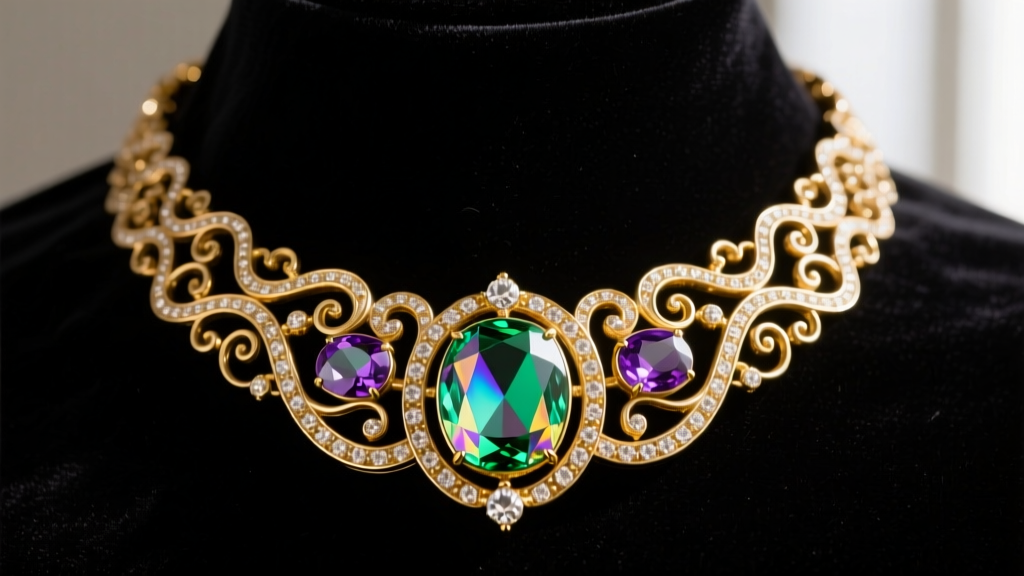
Gifting vintage jewelry has evolved from a niche hobby into a highly curated expression of personal style. As we navigate the gifting landscape in 2026, 1960 costume jewelry stands out as the ultimate sweet spot for collectors and fashion enthusiasts alike. The 1960s marked a radical departure from the conservative, matched-parure aesthetics of the 1950s, embracing bold geometry, space-age mod influences, and experimental materials. For the thoughtful gift-giver, a well-chosen piece from this era offers historical significance, impeccable mid-century craftsmanship, and a distinct sartorial edge that modern fast-fashion simply cannot replicate.
Whether you are shopping for a milestone anniversary, a theater-loving creative, or a dedicated vintage archivist, understanding the nuances of mid-century makers is essential. This guide breaks down the top brands, authentication markers, and occasion-matching strategies to ensure your vintage gift is both authentic and deeply meaningful.
Why the 1960s Represents the Pinnacle of Costume Craftsmanship
To gift confidently, you must understand what makes 1960 costume jewelry superior to later decades. By the 1970s, manufacturing costs soared, leading to thinner plating, glued-in stones, and lightweight stamping. The 1960s, however, was the final golden era of heavy pot-metal casting, thick gold-tone electroplating, and hand-set rhinestones.
This era also saw the widespread integration of Swarovski’s Aurora Borealis (AB) coating—a revolutionary iridescent finish introduced in 1956 in collaboration with Christian Dior, which completely dominated the high-end costume market throughout the following decade. When you gift a 1960s piece, you are gifting heavy, substantial hardware and hand-cut glass stones that catch the light with a brilliance that modern acrylics lack. For a deeper dive into the material history of this era, the Collectors Weekly Costume Jewelry Guide offers an excellent archival overview of mid-century manufacturing shifts.
Decoding the Makers: Top 1960s Brands to Hunt For
Not all vintage pieces carry the same weight in the collector’s market. When sourcing a gift, target these premier mid-century houses:
- Trifari: Under the later direction of Alfred Philippe, Trifari transitioned into textured gold-tone finishes and modular, kinetic designs. Look for pieces marked with the crown-over-T hallmark or the later 'TRIFARI©' script.
- Miriam Haskell: Famous for intricate, hand-wired designs utilizing Russian gilt (a soft, antique brass-gold finish) and faux seed pearls. Haskell pieces are highly tactile and remain a favorite among high-fashion archivists.
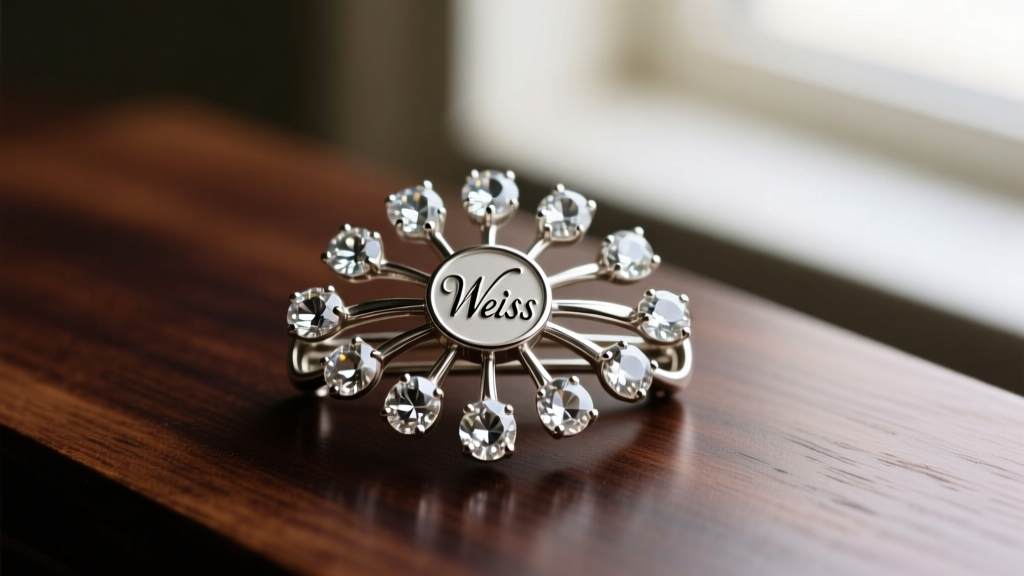
- Weiss: Weiss specialized in premium, high-clarity rhinestones and elaborate floral or geometric motifs. Their use of marquise-cut and black-diamond stones in the 1960s is highly sought after by collectors of dramatic, evening-wear pieces.
- Vendome (by Coro): Coro’s luxury line, Vendome, produced spectacular faceted glass bead necklaces and heavy, sculptural gold-tone cuffs that perfectly captured the 'mod' aesthetic of the mid-to-late 60s.

Occasion Matching: Which Piece for Which Milestone?
Matching the specific aesthetic of a 1960s maker to the recipient's lifestyle and the occasion is the hallmark of an expert gift-giver. Use the framework below to align your purchase with the moment.
| Occasion / Recipient | Recommended 1960s Maker & Style | Estimated 2026 Market Price | Why It Works |
|---|---|---|---|
| 30th or 40th Milestone Birthday | Trifari Mod Geometric Earrings or Collar | $85 – $180 | Bold, architectural lines appeal to modern minimalists who appreciate vintage weight and quality. |
| 50th Anniversary / Matriarch | Miriam Haskell Faux Pearl & Wirework Suite | $250 – $450 | Russian gilt and seed pearls convey timeless elegance, luxury, and meticulous hand-craftsmanship. |
| Theater, Arts, or Gala Enthusiast | Weiss Dramatic Aurora Borealis Brooch | $120 – $280 | High-impact sparkle and theatrical scale make it perfect for lapels on velvet blazers or opera coats. |
| Fashion Student / Archivist | Vendome Sculptural Gold-Tone Cuff | $140 – $320 | Represents the space-age, futuristic design movement of the late 60s; highly collectible. |
Authentication & Condition: A Buyer’s Checklist
Buying vintage requires a discerning eye. The secondary market is flooded with 1980s reproductions masquerading as mid-century originals. Before purchasing a gift, run the piece through this rigorous condition and authentication checklist.
Clasp and Hardware Mechanics
The hardware is the most reliable indicator of a piece's age. In the 1950s, 'trombone' clasps (which operate like a push-pull syringe) were common. By the 1960s, the industry standard shifted heavily to the roll-over safety clasp. This mechanism features a hinged latch that rolls over the hook and snaps into a tiny locking lever. If a piece claiming to be from the 1960s features a modern lobster clasp or a cheap jump-ring hook without a safety figure-8 catch, it has either been altered (significantly reducing its value) or is a later reproduction.
Rhinestone Foiling and Prong Integrity
Turn the piece over and examine the back of the rhinestones. Authentic 1960s stones are typically set in metal prongs, not glued into plastic settings. Check the foil backing behind the glass. If the foil has oxidized and turned black or grey, the stone will appear 'dead' or cloudy. While some patina is expected, heavily degraded foil is a dealbreaker for a premium gift. Furthermore, inspect the Aurora Borealis coating; it should be uniform and iridescent, not flaking or peeling at the edges.
Spotting 'Green Rot' and Plating Wear
Many 1960s pieces were cast from pot metal (a zinc alloy) and plated in gold or rhodium. If the copper content in the base metal reacts with moisture and skin acids over decades, it develops verdigris—a crusty, bright green oxidation. Never gift a piece with active verdigris, as it is brittle, can stain clothing, and indicates structural compromise. Additionally, check high-friction areas (like the backs of brooch pins or the inside of cuffs) for 'brassing,' where the gold-tone plating has worn away to reveal the brassy base metal beneath.
Sourcing Strategies in 2026: Where to Buy Safely
Finding pristine 1960 costume jewelry requires moving beyond generic thrift stores and into curated digital marketplaces. In 2026, the most reliable platforms for authenticated vintage include:
- RubyLane: The premier destination for serious vintage jewelry collectors. Dealers here are vetted, and listings typically include macro-photography of hallmarks and clasp mechanisms. You can easily filter by specific decades and makers. Visit RubyLane's Vintage Jewelry Section to begin your search.
- 1stDibs: Ideal for high-end, rare Miriam Haskell or early Trifari parures. Expect to pay a 30% to 50% premium over market value, but the provenance and professional restoration guarantees are often worth it for milestone anniversary gifts.
- Etsy (Advanced Filtering): Etsy remains a goldmine, but it requires strict filtering. Always search using the exact maker mark (e.g., "Trifari TM patent pending") rather than just "vintage 60s necklace" to weed out modern dropshippers using SEO keyword stuffing.
Expert Provenance Tip: When buying from independent dealers, always ask for the piece's acquisition history. A brooch sourced from a specific estate sale or a documented theater wardrobe department carries a narrative that elevates the gifting experience immensely. Include this written history on a heavy-stock card inside the gift box.
Final Gifting Tips: Archival Presentation and Care
How you present and advise the care of 1960 costume jewelry is just as important as the piece itself. Vintage pot metal and rhinestone foil are highly sensitive to modern environmental factors.
First, never wrap vintage jewelry in standard tissue paper or cotton batting. Cotton fibers can catch on delicate prongs, and acidic tissue can degrade faux pearl coatings over time. Instead, wrap the piece in acid-free, archival-quality glassine paper.
Second, include a small packet of silica gel and an anti-tarnish strip (like 3M Silver Protector strips) inside the presentation box to control ambient humidity, which is the primary enemy of rhinestone foil. Finally, advise the recipient to never use commercial jewelry dips, ultrasonic cleaners, or alcohol-based perfumes directly on the piece, as these will instantly strip the delicate Russian gilt finishes and cloud the AB coatings. A simple, gentle wipe with a dry, lint-free microfiber cloth after wearing is all that is required to keep these mid-century masterpieces sparkling for the next generation.


