Cleaning Lola's Fine Jewelry: Expert Maintenance Tips
Discover expert cleaning and maintenance tips for Lola's Fine Jewelry. Learn how to safely wash 14k gold, vermeil, and delicate gemstone pieces at home.

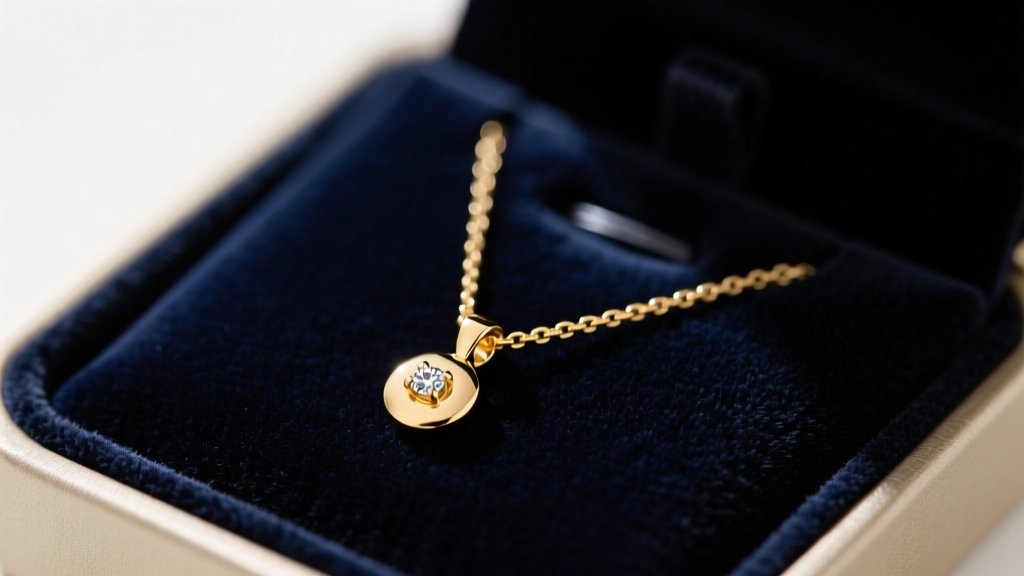
The Nuances of Curated Fine Jewelry Care
Investing in curated boutique collections like Lola's Fine Jewelry means acquiring pieces that bridge the gap between everyday wearability and heirloom-quality craftsmanship. However, the transition from fashion jewelry to fine jewelry requires a fundamental shift in how you approach maintenance. While costume pieces can often be wiped down with generic polishing cloths, fine jewelry—crafting from 14k or 18k solid gold, gold vermeil, and natural gemstones—demands a meticulous, chemistry-aware cleaning routine.
Improper cleaning methods are the leading cause of degraded finishes, loosened prongs, and fractured stones in fine collections. According to the Gemological Institute of America (GIA), understanding the specific metallurgical and mineralogical properties of your jewelry is the first step toward preserving its brilliance. This comprehensive guide will walk you through the exact protocols for maintaining your fine jewelry pieces, ensuring they retain their structural integrity and optical fire for decades.
Material Breakdown: Know Your Metals and Stones
Before applying any cleaning solution, you must identify the exact material composition of your piece. Lola's Fine Jewelry frequently utilizes 14k and 18k gold alloys, as well as high-micron gold vermeil. Each reacts differently to environmental stressors and cleaning agents.
- 14k Gold: Composed of 58.5% pure gold and 41.5% alloy metals (typically copper, silver, and zinc). The alloy metals provide durability but are susceptible to oxidation and chemical reactions.
- 18k Gold: Contains 75% pure gold. It is softer, more hypoallergenic, and less prone to tarnishing, but more vulnerable to physical scratching.
- Gold Vermeil: By FTC standards, vermeil must feature a sterling silver base plated with at least 2.5 microns of 10k, 14k, or 18k gold. Aggressive scrubbing will strip this precious metal layer.
| Material Type | Safe Cleaning Agent | Recommended Tools | Strict Avoid List |
|---|---|---|---|
| 14k / 18k Solid Gold | pH-neutral dish soap & warm water | Extra-soft baby toothbrush | Chlorine, bleach, toothpaste |
| Gold Vermeil | Damp microfiber cloth only | Lint-free polishing cloth | Ultrasonic cleaners, soaking |
| Diamonds & Moissanite | Mild ammonia-free degreaser | Soft brush, ultrasonic (if set in solid gold) | Steam cleaners on fracture-filled stones |
| Pearls, Opals & Turquoise | Distilled water (lightly dampened cloth) | Microfiber cloth | All liquid soaks, ultrasonics, steam |
Step-by-Step Cleaning Routine for Solid Gold
For solid gold pieces without porous gemstones, a thorough at-home cleaning can restore the metal's luster and remove the buildup of lotions, sebum, and environmental dust.
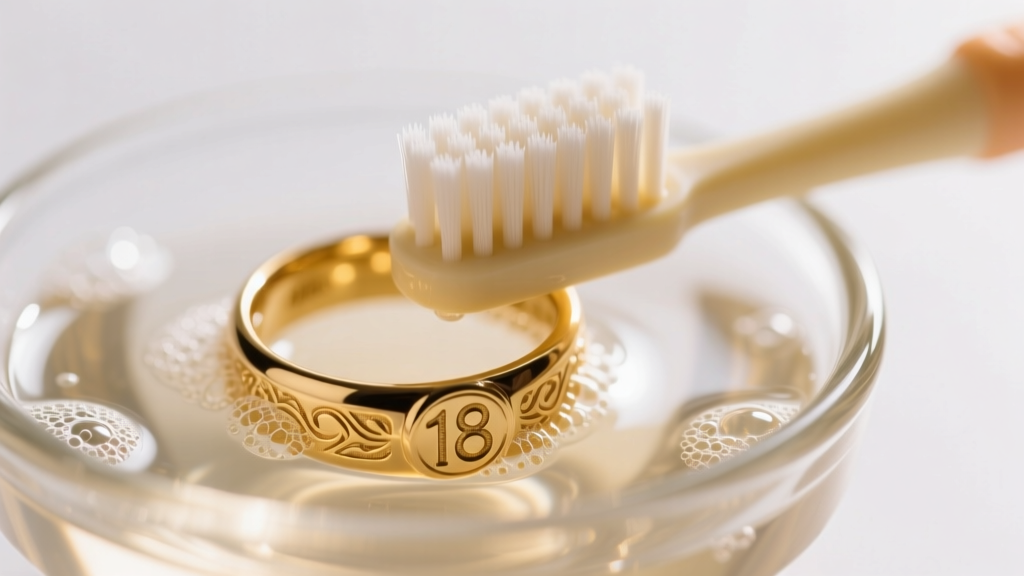
The Warm Water and Mild Soap Method
- Prepare the Solution: Fill a small glass bowl with lukewarm water (never hot, as extreme heat can stress certain stone settings). Add three drops of a pH-neutral, ammonia-free dish soap. Avoid moisturizing soaps, which leave a filmy residue.
- Soak: Submerge your 14k or 18k gold rings, bracelets, or pendants for 15 to 20 minutes. This allows the surfactants in the soap to break down the lipid bonds of skin oils trapped under the gallery (the underside of the setting).
- Agitate Gently: Using an extra-soft bristled baby toothbrush, gently sweep the bristles across the metal and around the prongs. Never use a standard adult toothbrush, as the stiff nylon bristles can cause micro-scratches on high-polish gold finishes.
- Rinse with Distilled Water: Tap water contains minerals like calcium and magnesium that can leave hard water spots on fine metals. Rinse your jewelry under a gentle stream of distilled water.
- Dry and Polish: Pat the piece dry with a lint-free microfiber cloth. Allow it to air dry completely before storing to prevent trapped moisture from causing skin irritation later.
Handling Delicate Gemstones and Porous Materials
The Mohs scale of mineral hardness dictates how a gemstone will react to both physical abrasion and chemical cleaning. While diamonds (Mohs 10) and sapphires (Mohs 9) are incredibly resilient, many popular fine jewelry stones require a radically different approach.
The 'No-Soak' Rule for Organic and Porous Stones
Stones like pearls, coral, turquoise, and opals are highly porous. Submerging them in water—even clean, soapy water—can cause the stone to absorb the liquid, leading to internal fracturing, color shifting, or the degradation of the adhesive used to secure them in their bezels.
Expert Warning: Never place emeralds in an ultrasonic cleaner. Most natural emeralds are treated with cedar oil or synthetic resins to fill surface-reaching fissures. The high-frequency cavitation bubbles (typically operating at 40-45 kHz) generated by ultrasonic machines will violently strip this oil out, leaving the stone looking cloudy, heavily included, and structurally compromised.
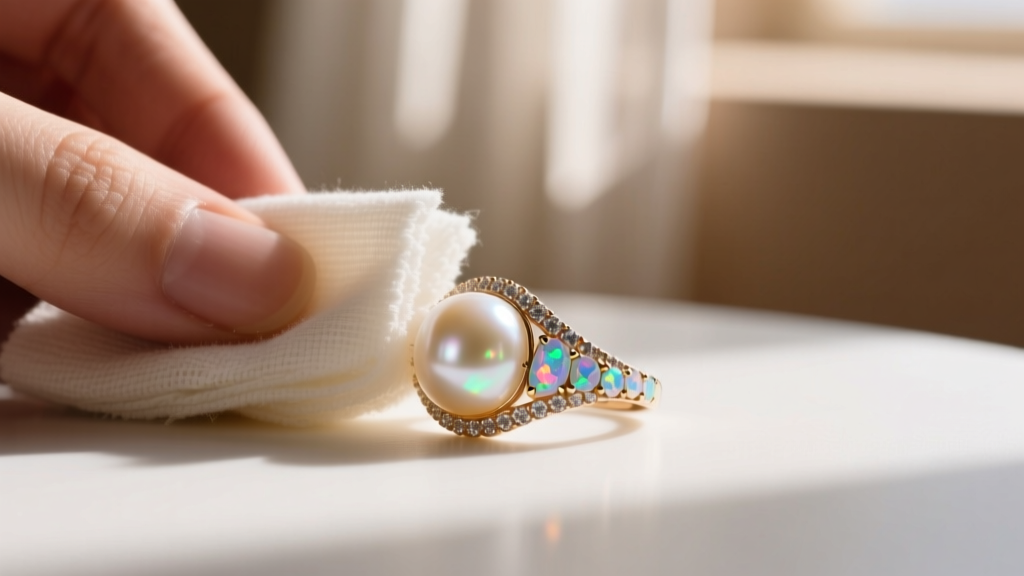
For opals and pearls featured in boutique collections, simply wipe the surface gently with a dry, untreated microfiber cloth after every wear. This removes the acidic residue from human sweat, which can slowly eat away at the nacre of a pearl over time, dulling its signature orient and luster.
The Hidden Dangers of Chlorine and Stress Corrosion
One of the most catastrophic failure modes for fine gold jewelry is exposure to chlorinated water. Whether you are swimming in a treated pool or relaxing in a hot tub, chlorine is the enemy of gold alloys.
Chlorine reacts aggressively with the copper, zinc, and silver alloys present in 14k and 18k gold. This chemical reaction leads to a phenomenon known as stress corrosion cracking. The chlorine attacks the alloy metals at the microscopic level, particularly at areas of high physical tension, such as the solder joints on ring shanks, clasp mechanisms, and the delicate prongs holding your gemstones. Over time, this makes the metal incredibly brittle, resulting in sudden, irreparable snapping of the jewelry. Always remove your fine jewelry before entering a pool, hot tub, or using harsh household bleach cleaners.
Strategic Storage to Prevent Tarnish and Scratches
How you store your jewelry is just as critical as how you clean it. Fine pieces should never be tossed into a communal jewelry box where diamonds can scratch softer gold bands or adjacent gemstones.
- Individual Pouches: Store every piece in its own soft flannel or anti-tarnish cloth pouch. This prevents physical abrasion and limits exposure to ambient humidity.
- Anti-Tarnish Strips: If you use a jewelry box or a safe, place 3M anti-tarnish strips inside. These strips absorb hydrogen sulfide and sulfur dioxide from the air, which are the primary culprits behind the tarnishing of the sterling silver base in vermeil pieces and the alloy metals in lower-karat gold.
- Climate Control: Never store fine jewelry in a bathroom. The constant fluctuations in heat and humidity from showers accelerate oxidation and can warp the silk thread used in pearl necklaces.
- Hang Necklaces: To prevent delicate 14k gold chains from tangling and kinking (which weakens the links), hang them on a velvet-lined jewelry stand or lay them completely flat.
When to Seek Professional Maintenance
While at-home care is excellent for surface cleaning, it cannot replace professional structural maintenance. According to Blue Nile's jewelry care guidelines, fine jewelry should be inspected by a professional jeweler at least once a year.
During a professional check-up, the jeweler will use a microscope to inspect the prongs for wear, check the integrity of the ring shank, and test the tension of the clasps. Furthermore, if your collection includes white gold pieces, they will eventually require rhodium re-plating. White gold is naturally a pale yellow alloy; it is plated with rhodium (a platinum-group metal) to achieve a bright, silvery-white finish. This plating wears off over 12 to 24 months depending on your skin chemistry and friction, requiring a professional polish and electroplating service to restore its original color.
Conclusion
Maintaining the pristine condition of your Lola's Fine Jewelry collection is an exercise in mindful preservation. By understanding the specific material grades, avoiding catastrophic chemical exposures like chlorine, and utilizing gentle, targeted cleaning methods, you ensure that your investment remains as breathtaking as the day you acquired it. Treat your fine jewelry with the respect its craftsmanship demands, and it will easily transition from a cherished personal accessory to a multi-generational heirloom.


