Wholesale Fashion Jewelry Supplier Ships Worldwide No Minimum Order Guide
Discover how to vet a wholesale fashion jewelry supplier ships worldwide no minimum order. Learn material grades, shipping terms, and margin tactics.

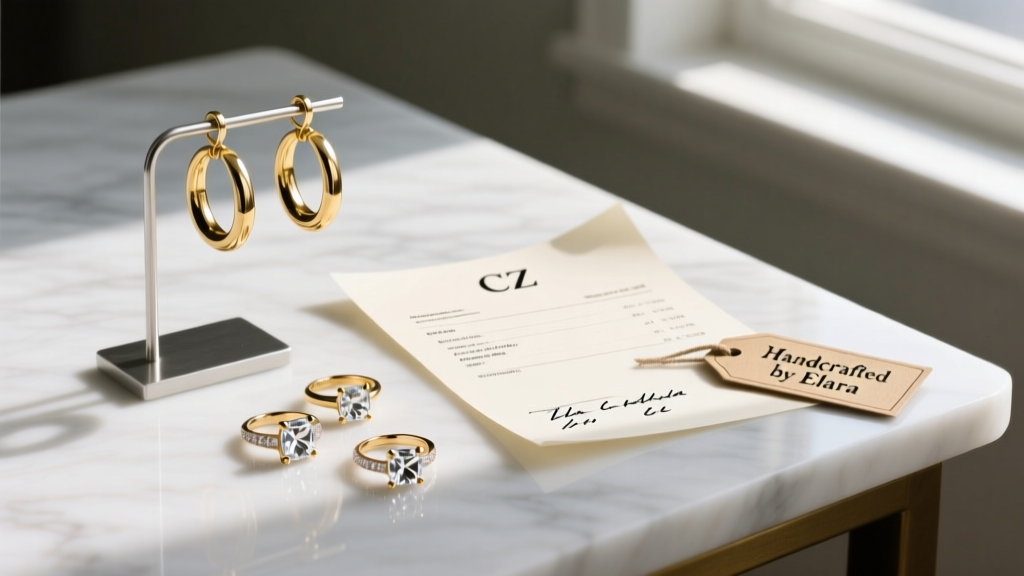
The Paradox of Zero-MOQ Global Sourcing in 2026
The landscape of jewelry sourcing has fundamentally shifted. Many emerging stylists and micro-boutique owners type 'wholesale fashion jewelry supplier ships worldwide no minimum order' into global sourcing engines, hoping to bypass traditional gatekeepers and test the market without tying up capital in heavy inventory. While the barrier to entry has never been lower, the risk of acquiring substandard, unsellable, or legally non-compliant products has never been higher.
In 2026, the 'no minimum order quantity' (MOQ) model is largely sustained by dropshipping networks and micro-wholesale platforms. However, a lack of MOQ often correlates with a lack of quality control. When a factory does not require you to buy 500 pieces, they are usually pulling from pre-made, overstocked bins of generic designs rather than running dedicated, quality-monitored production lines. Understanding the metallurgy, plating technologies, and international shipping logistics is the only way to turn a zero-MOQ supplier into a profitable, long-term partner.
Decoding Base Metals: Beyond the 'Alloy' Label
The most common trap in low-MOQ fashion jewelry is the vague term 'zinc alloy.' Suppliers use this catch-all phrase to describe everything from durable Zamak to brittle, lead-laden scrap mixes. To protect your brand's reputation, you must demand specific material breakdowns.
| Base Metal | Durability & Weight | Plating Adhesion | Best Use Case |
|---|---|---|---|
| Zinc Alloy | Heavy, prone to pitting and porosity. | Poor; outgassing causes plating blisters. | Chunky statement rings, seasonal trend pieces. |
| Brass (Cu-Zn) | Medium weight, highly malleable. | Excellent; yields smooth, mirror-like finishes. | Intricate chainwork, detailed pendants, demi-fine bases. |
| 316L Stainless Steel | Lightweight, extremely hard, hypoallergenic. | Requires PVD (Physical Vapor Deposition). | Everyday waterproof staples, huggie hoops, body jewelry. |
| 925 Sterling Silver | Premium weight, soft, tarnishes if unalloyed. | Superb; often rhodium or 14k/18k gold plated. | Fine-demi bridge pieces, high-ticket fashion jewelry. |
If a supplier offers complex, delicate designs in 'zinc alloy,' walk away. Zinc cannot hold fine prongs or thin wire structures without snapping. Brass or stainless steel are the only acceptable bases for intricate fashion jewelry.
Plating Technologies and Finish Longevity
The base metal is only half the battle; the plating dictates the lifespan of the piece. In the zero-MOQ market, suppliers default to 'flash plating' to keep costs under $1.00 per unit. Flash plating deposits a microscopic layer of gold (usually 0.01 to 0.05 microns) that will rub off within weeks of wear, exposing the base metal and causing customer complaints.
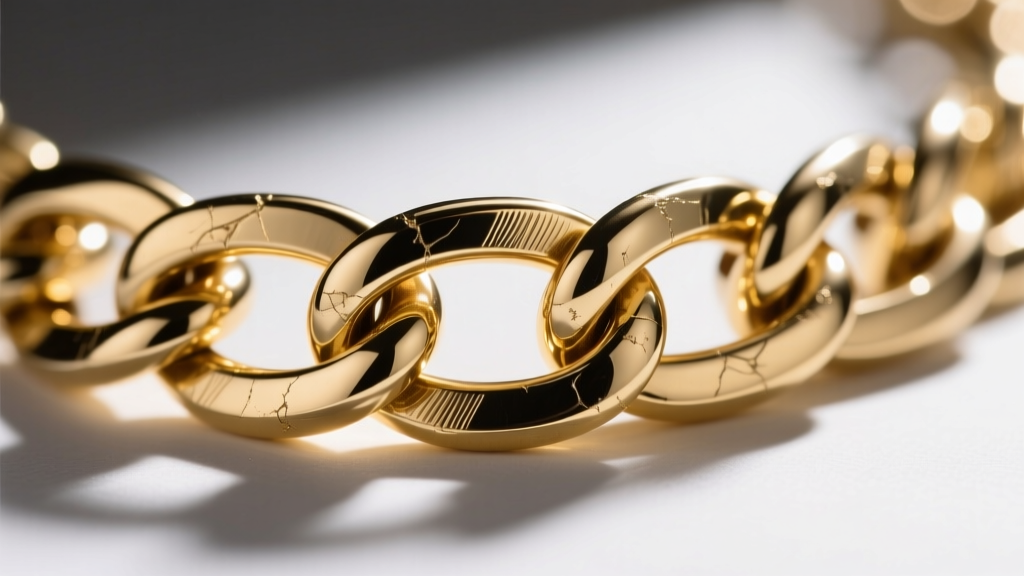
Understanding Micron Thickness and E-Coating
When negotiating with a global supplier, you must specify your plating requirements. For fashion jewelry that bridges into the 'demi-fine' category, demand 1.5 to 3.0 microns of gold or rhodium plating. Furthermore, ask if the pieces are e-coated (electrophoretic deposition). E-coating applies a clear, microscopic resin layer over the metal, sealing it from oxygen and skin acids, effectively doubling the tarnish-resistance of the jewelry.
For stainless steel pieces, ensure the supplier uses PVD (Physical Vapor Deposition) rather than traditional electroplating. PVD bonds gold ions to the steel at a molecular level in a vacuum chamber, creating a finish that can withstand years of daily wear and water exposure without flaking.
Navigating Global Compliance: REACH and Prop 65
Selling fashion jewelry globally means navigating a minefield of chemical regulations. A supplier that ships worldwide with no minimum order might not care about your local laws, but your government will hold you liable.
- EU REACH Compliance: The European Chemicals Agency strictly regulates nickel release in jewelry. According to ECHA guidelines, items intended for direct and prolonged skin contact must not release nickel at a rate greater than 0.5 µg/cm²/week. Cheap zinc alloys often use nickel as a brightening underplate, which will fail this test.
- California Proposition 65: If you ship to the US, your jewelry must contain less than 100 parts per million (ppm) of lead. Uncertified 'alloy' jewelry from unvetted zero-MOQ suppliers frequently exceeds this limit, opening you up to devastating bounty-hunter lawsuits.
Always require a recent SGS or TÜV Rheinland test report for REACH and Prop 65 compliance before integrating a supplier into your store, even if you are only buying five pieces at a time.
The Logistics Trap: Incoterms and Last-Mile Delivery
The phrase 'ships worldwide' is meaningless without understanding the Incoterms attached to the shipment. The International Chamber of Commerce outlines these terms clearly on their official Incoterms portal. In the low-MOQ space, suppliers usually quote DAP (Delivered at Place) or simply use untracked ePacket shipping.
The Hidden Costs of DAP Shipping
Under DAP, the supplier pays for freight to the destination country, but the buyer (or your end customer, if dropshipping) is responsible for import duties, VAT, and customs clearance fees. If a customer in France orders a $25 necklace and is suddenly hit with a €12 customs handling fee by La Poste upon delivery, they will refuse the package and demand a refund from you.
To combat this, seek out suppliers who offer DDP (Delivered Duty Paid) shipping, even on small orders. DDP means the supplier handles all customs clearance and taxes upfront, ensuring a seamless, friction-free delivery experience for your customer. While DDP shipping costs slightly more upfront, it protects your brand's conversion rates and customer lifetime value.

Margin Architecture: What You Should Actually Pay
Without the leverage of high-volume MOQs, your wholesale costs will be higher. However, you must still maintain a healthy retail markup to cover customer acquisition, packaging, and returns. Here is a realistic pricing framework for 2026:
- Zinc Alloy Statement Rings (CZ stones): Wholesale $1.20 - $2.50 | Target Retail $18.00 - $28.00
- Brass + 1.5 Micron Gold Plated Chains: Wholesale $4.50 - $7.00 | Target Retail $45.00 - $65.00
- 316L Stainless Steel PVD Hoops: Wholesale $3.00 - $5.50 | Target Retail $32.00 - $48.00
- 925 Sterling Silver Vermeil Pendants: Wholesale $12.00 - $18.00 | Target Retail $85.00 - $120.00
If a supplier is charging $8.00 for a basic brass chain with flash plating, they are marking up their zero-MOQ convenience fee too high. Use these benchmarks to negotiate or pivot to a different vendor.
The 5-Point Vetting Checklist
Before adding a new zero-MOQ global supplier to your roster, run them through this strict vetting framework:
- Material Transparency: Do they explicitly state '316L Stainless Steel' or 'Solid Brass,' or do they hide behind 'Eco-Alloy'?
- Plating Specs: Can they provide a plating thickness certificate (e.g., 1.5 microns) and confirm e-coating?
- Compliance Docs: Do they have current, third-party lab tests for Nickel and Lead?
- Shipping Terms: Do they offer DDP shipping routes to your primary markets (US, EU, UK, AU)?
- Media Assets: Do they provide unwatermarked, high-resolution lifestyle and white-background imagery that you can legally use for your ads?
By applying this level of scrutiny, you can successfully leverage the flexibility of a no-minimum supplier while maintaining the quality standards of a premium fashion jewelry brand. For further reading on US labeling requirements, consult the FTC Jewelry Guides to ensure your marketing claims match your metallurgical reality.


