How to Buy Petite Regalia Fine Jewelry: A Complete Guide
Discover how to evaluate and buy petite regalia fine jewelry. Learn about metal grades, micro-pavé settings, and pricing for intricate miniature pieces.

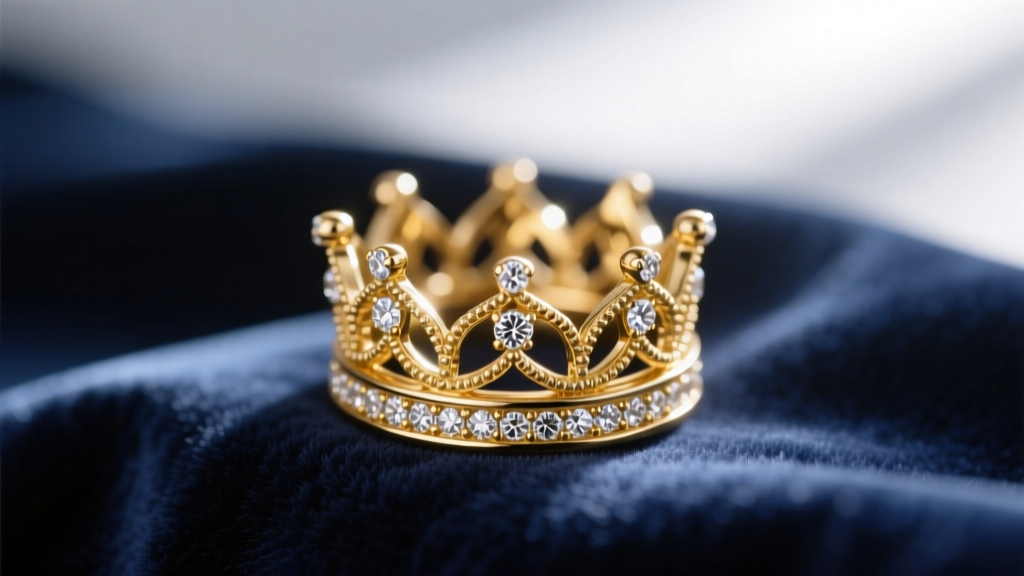
The intersection of delicate scale and heavy, historical ornamentation creates one of the most captivating niches in the luxury market: petite regalia fine jewelry. This category encompasses miniature crowns, micro-filigree heraldic crests, tiny enameled signets, and delicate tiaras that echo royal and ceremonial motifs. However, buying these intricate masterpieces requires a highly specialized understanding of metallurgy, gemstone setting, and manufacturing techniques. What looks beautiful in a display case can quickly become a structural nightmare if the underlying craftsmanship is flawed.
This comprehensive buying guide will equip you with the technical knowledge required to evaluate, authenticate, and invest in high-quality petite regalia fine jewelry, ensuring your miniature masterpieces stand the test of time.
The Intersection of Scale and Ornamentation
Petite regalia fine jewelry is defined by a fundamental tension: the desire to incorporate heavy, ornate, and historically significant motifs (regalia) into a miniature, wearable scale (petite). Historically, this style draws heavy inspiration from the Edwardian and Art Deco periods, where jewelers utilized newly developed piercing techniques to create lace-like metalwork. According to the educational archives at Lang Antiques, the transition from heavy Victorian gold to delicate, platinum-based filigree in the early 20th century birthed the modern concept of miniature ornamental jewelry.
When shopping for these pieces today, you are not just buying a ring or a pendant; you are buying microscopic architecture. The success of a piece relies entirely on how well the jeweler has balanced visual weight with structural integrity. A poorly designed miniature crown ring, for example, will feature prongs that are too thin to hold their melee diamonds, leading to immediate stone loss.
Metallurgical Realities: Choosing the Right Alloy
The most critical decision when buying petite regalia fine jewelry is the base metal. Because the motifs involve microscopic hinges, tiny prongs, and ultra-fine milgrain edges, the physical properties of the alloy dictate the lifespan of the piece.
18k vs. 14k Gold
While 18k gold offers a richer, warmer color that beautifully complements vintage-inspired regalia, it is inherently softer due to its 75% pure gold content. If your piece features micro-prongs or delicate clasps, 18k gold will wear down faster, potentially compromising the settings. For structural components like tiny hinges on a miniature locket or the prongs of a micro-pavé crest, 14k gold is vastly superior. Its higher alloy content (usually copper and zinc) provides the tensile strength necessary to hold intricate shapes without bending.
The Platinum Advantage
Platinum is the undisputed king of petite regalia. Unlike gold, which loses microscopic layers of metal when scratched, platinum merely displaces. This means that delicate milgrain edges and micro-filigree wires will maintain their structural mass over decades of wear. Furthermore, platinum's malleability allows master jewelers to push the metal tightly around sub-millimeter diamonds without the risk of the metal snapping, a common failure mode in white gold micro-settings.

Gemstone Criteria for Micro-Settings
Petite regalia relies heavily on melee diamonds (stones weighing between 0.005 and 0.15 carats) and calibrated colored gemstones to fill intricate ornamental borders. Evaluating these stones requires a different framework than buying a solitaire.
- Clarity Minimums: While SI1 clarity is acceptable for larger stones, it is a massive red flag in micro-pavé regalia. The physical pressure applied by the jeweler's beading tool during the setting process can easily fracture an SI1 diamond if a feather inclusion is located near the girdle. Always demand VS2 clarity or higher for melee diamonds in intricate settings.
- Color Matching: In a miniature heraldic crest featuring 80 tiny diamonds, even a half-grade color variation will make the piece look cloudy or mismatched. Ensure the jeweler uses calibrated melee in the D-F color range for white metals, or G-H for yellow gold, to maintain a uniform 'sheet of light' effect.
- Calibrated Cabochons: If the regalia piece incorporates colored gemstones (like a tiny enameled crest with ruby accents), the stones must be precision-calibrated. A 1.5mm ruby that is actually 1.6mm will require the jeweler to grind away the delicate gold bezel, ruining the symmetry of the micro-design.
For a deeper understanding of how melee diamonds are graded and sorted for these intricate applications, the Gemological Institute of America (GIA) provides extensive research on the standardization of small diamond grading.
Manufacturing Methods: Cast vs. Fabricated
How your petite regalia fine jewelry is made directly impacts its price, durability, and level of detail. There are two primary methods used in this niche, and knowing the difference is crucial for assessing value.
| Feature | CAD/Cast Manufacturing | Hand-Fabricated / Die-Struck |
|---|---|---|
| Detail Resolution | Moderate; casting porosity can blur micro-milgrain and tiny filigree edges. | Exceptional; metal is compressed, resulting in razor-sharp miniature details. |
| Structural Density | Lower; microscopic gas bubbles trapped during casting create weak points in tiny prongs. | High; work-hardening the metal increases tensile strength for delicate wirework. |
| Price Range | $600 - $2,500 | $3,500 - $15,000+ |
| Best Use Case | Solid miniature signets, chunky micro-regalia, and enameled charms. | Intricate micro-pavé crowns, piercing filigree, and articulated tiny joints. |
When buying high-end petite regalia, always ask the jeweler if the piece is cast or fabricated. If a piece features complex, lace-like platinum filigree but is priced under $1,500, it is almost certainly a low-quality cast that will suffer from structural porosity.
The 10x Loupe Inspection Checklist
Never purchase petite regalia fine jewelry with the naked eye alone. The true quality of these miniature masterpieces is only visible under 10x magnification. Bring a jeweler's loupe and check the following specific failure points:
1. Milgrain Consistency
Milgrain (the tiny beaded edges often found on vintage-inspired regalia) should be perfectly uniform. Under the loupe, look for 'flat spots' or merged beads. This indicates that the piece was cast from a mold that had already lost its detail, rather than being applied by hand with a milgrain wheel.
2. Prong Symmetry and Coverage
In micro-pavé settings, the beads of metal holding the diamonds should be perfectly round and symmetrical. If the beads look smeared, flattened, or if they cover more than 15% of the diamond's table, the setter lacked the skill required for miniature work, which will severely dull the stone's brilliance.
3. Enamel Vitrification
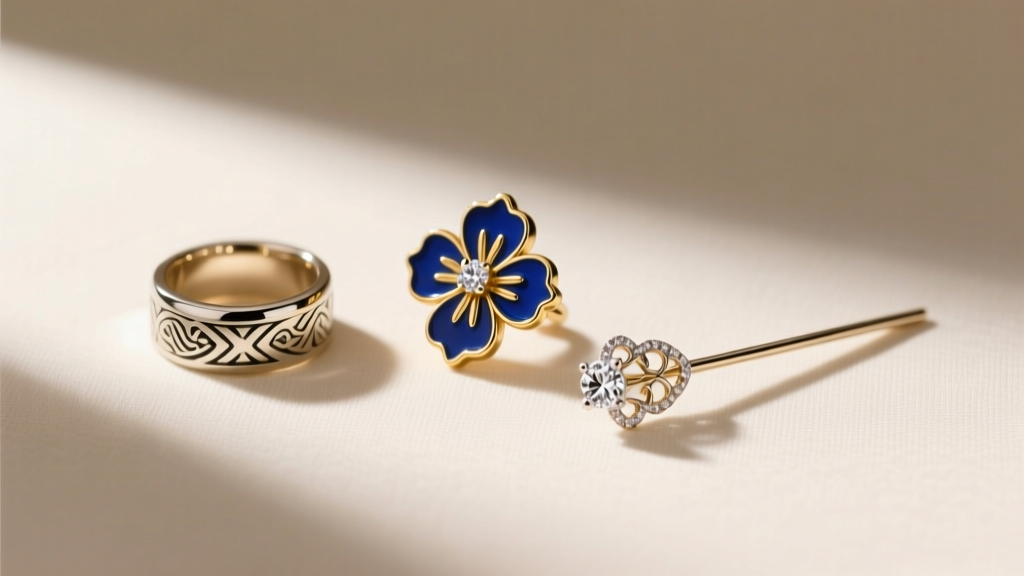
If your regalia piece features miniature enamel work (such as a tiny coat-of-arms pendant), inspect the surface for microscopic bubbling or pitting. True vitreous enamel must be fired in a kiln at over 1,400°F. Bubbles indicate improper firing temperatures or trapped moisture, which will eventually cause the enamel to crack and flake off the gold base.
Pricing Tiers and Market Value
Understanding what you should pay for petite regalia fine jewelry requires breaking down the market into distinct quality tiers. Prices are heavily influenced by the complexity of the micro-engineering and the origin of the piece.
- Entry-Level ($500 - $1,500): Typically 14k gold, CAD-cast pieces with minimal micro-pavé. Expect simple motifs like tiny fleur-de-lis pendants or basic miniature signet rings with stamped (not hand-engraved) crests.
- Mid-Tier ($1,500 - $4,500): 18k gold or platinum, featuring hand-applied milgrain, better quality melee diamonds (VS/FG), and more complex motifs like articulated miniature crowns or detailed enameled charms.
- Master-Tier ($5,000 - $20,000+): Hand-fabricated platinum or high-karat gold, featuring microscopic piercing, plique-à-jour enamel, and flawless micro-pavé. These are often bespoke commissions or antique Edwardian pieces that require hundreds of hours of bench time.
Long-Term Preservation and Care
The intricate crevices of petite regalia fine jewelry make it a magnet for lotions, oils, and environmental debris. However, standard cleaning methods can destroy these pieces.
Never place petite regalia featuring micro-pavé, enamel, or porous gemstones (like opals or pearls) into an ultrasonic cleaner. The high-frequency vibrations will easily shake loose the microscopic beads of metal holding the diamonds, and the heat can fracture vitreous enamel.
Instead, adopt a gentle, manual cleaning routine. Soak the piece in a bowl of warm water with a few drops of mild, phosphate-free dish soap for ten minutes. Use a brand-new, extra-soft baby toothbrush to gently agitate the debris from the micro-filigree and under the gallery wires. Rinse with distilled water to prevent hard water spots, and dry with a lint-free microfiber cloth. For deep cleaning, rely on a professional jeweler who specializes in antique and micro-set jewelry, ensuring they use a low-pressure steam wand rather than aggressive ultrasonic waves.
By prioritizing structural metallurgy, demanding high-clarity melee, and inspecting the microscopic details under magnification, you can confidently acquire petite regalia fine jewelry that is not only visually breathtaking but engineered to become a lasting heirloom.


