Vetting Fashion Jewelry Dropshipping Suppliers No Inventory Models
Learn how to vet fashion jewelry dropshipping suppliers no inventory models by comparing base metals, plating grades, and allergy-safe material properties.

The Hidden Cost of Blind Sourcing in No-Inventory Models
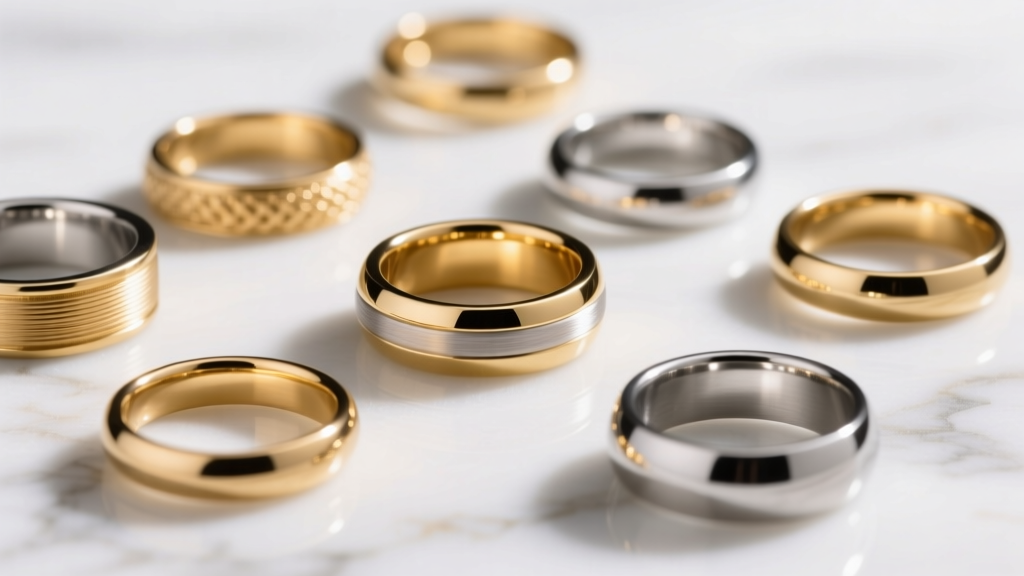
For entrepreneurs utilizing fashion jewelry dropshipping suppliers no inventory models, the physical product never touches your hands. While this eliminates warehousing costs and upfront capital risks, it introduces a massive blind spot: material quality control. When you cannot physically inspect the weight, clasp tension, or plating finish of a piece, you are entirely reliant on the supplier's spec sheet. In the fashion and demi-fine jewelry space, inaccurate material claims lead to high return rates, chargebacks, and permanent brand damage.
According to the Federal Trade Commission Jewelry Guides, merchants are legally responsible for the accuracy of metal content and plating claims, even if the fulfillment is handled by a third-party dropshipper. Selling a zinc-alloy ring mislabeled as 'solid sterling silver' or a flash-plated brass necklace marketed as 'gold vermeil' can result in severe regulatory penalties. To build a sustainable brand in 2026, you must audit your supplier's metallurgy, not just their shipping times.
Base Metal Breakdown: What Top Suppliers Actually Stock
The foundation of any fashion jewelry piece dictates its weight, malleability, and susceptibility to corrosion. Low-tier suppliers often obscure their base metals behind vague terms like 'environmentally friendly alloy' or 'premium metal.' Here is the metallurgical reality of what you are actually sourcing.
316L Surgical Stainless Steel vs. Standard 304
Stainless steel is the gold standard for hypoallergenic, durable fashion jewelry. However, not all grades are equal. Standard 304 stainless steel contains 18% chromium and 8% nickel, making it prone to pitting when exposed to chlorides (like sweat or pool water). Premium suppliers stock 316L surgical stainless steel, which includes 2-3% molybdenum. This addition drastically increases resistance to localized corrosion. When vetting a supplier, explicitly request the mill certificate to verify the molybdenum content. If a supplier cannot distinguish between 304 and 316L, they are likely sourcing the cheaper 304 variant.
Brass Alloys and the Lead/Cadmium Compliance Trap
Brass (an alloy of copper and zinc) is the preferred base for intricate, cast fashion jewelry due to its excellent flow properties. However, traditional free-machining brass (like C36000) contains up to 3% lead to improve machinability. In 2026, selling leaded brass jewelry is a massive liability. You must ensure your supplier uses lead-free brass alloys, such as C26000 or Eco-Brass (C87850), which substitute silicon or bismuth for lead. Furthermore, California Proposition 65 and the European Union's REACH regulation strictly limit cadmium and lead in wearable accessories. Always cross-reference supplier claims with the ECHA REACH guidelines for heavy metal restrictions.
Plating Technologies: Flash Plating vs. PVD Coating
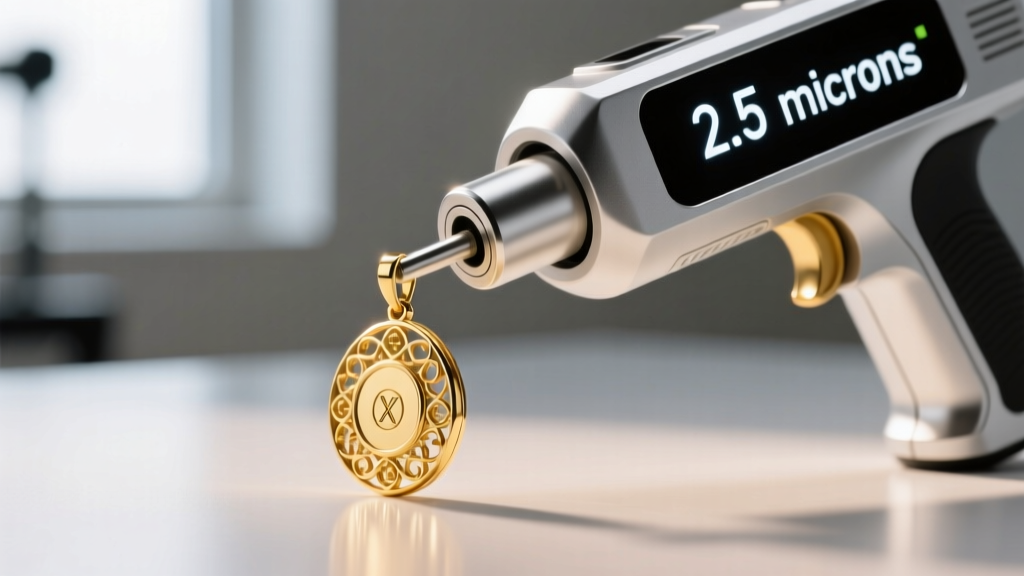
The plating process determines the lifespan of the jewelry's color and its resistance to tarnish. Many dropshippers use the term 'gold plated' to describe wildly different manufacturing processes. Understanding the micron thickness and application method is critical for setting accurate customer expectations and pricing your products correctly.
| Plating Type | Thickness | Base Metal Requirement | Estimated Lifespan | Wholesale Cost Impact |
|---|---|---|---|---|
| Flash Plating | 0.01 - 0.1 microns | Any (Zinc, Brass, Steel) | 1 - 3 months | Lowest (+$0.10 - $0.30) |
| Micron Plating (E-Coat) | 0.5 - 1.0 microns | Brass or Sterling Silver | 6 - 12 months | Moderate (+$0.80 - $1.50) |
| Gold Vermeil | 2.5+ microns | Sterling Silver (925) Only | 1 - 3 years | High (+$4.00 - $8.00) |
| PVD Coating (Ion) | 0.3 - 1.0 microns | 316L Stainless Steel | 3 - 5+ years | Moderate (+$1.00 - $2.50) |
Physical Vapor Deposition (PVD) has revolutionized the fashion jewelry sector. Unlike traditional electroplating, which uses toxic chemical baths and deposits a relatively soft layer of gold, PVD vaporizes titanium nitride or zirconium in a vacuum chamber, bonding it to the stainless steel at a molecular level. PVD-coated pieces are highly resistant to sweat, UV light, and friction. If your target demographic consists of everyday wearers who refuse to take off their jewelry in the shower, PVD-coated 316L steel is the only viable no-inventory option.
Auditing Material Claims and Allergy Compliance
Nickel contact dermatitis affects roughly 10-15% of the global population. If your dropshipped earrings cause a customer's lobes to swell, your brand will be flagged in reviews and social media call-outs. The European standard EN 1811:2011 dictates that post-assemblies intended for direct, prolonged contact with the skin must not release more than 0.2 µg/cm²/week of nickel.
To audit your supplier's allergy claims, implement the following verification protocol:
- Demand XRF Reports: X-Ray Fluorescence (XRF) scanning provides a non-destructive analysis of the exact elemental composition and plating thickness of a batch.
- Request Artificial Sweat Testing: Reputable manufacturers will provide third-party lab results (from SGS, TÜV, or Intertek) showing the piece's performance after being submerged in synthetic sweat for 7 to 14 days.
- Verify E-Coat Applications: For brass-based micron-plated items, ask if an electrophoretic e-coat (anti-tarnish lacquer) is applied over the gold. This clear layer prevents the underlying copper from oxidizing and turning the wearer's skin green.
Pricing Tiers and Margin Expectations by Material
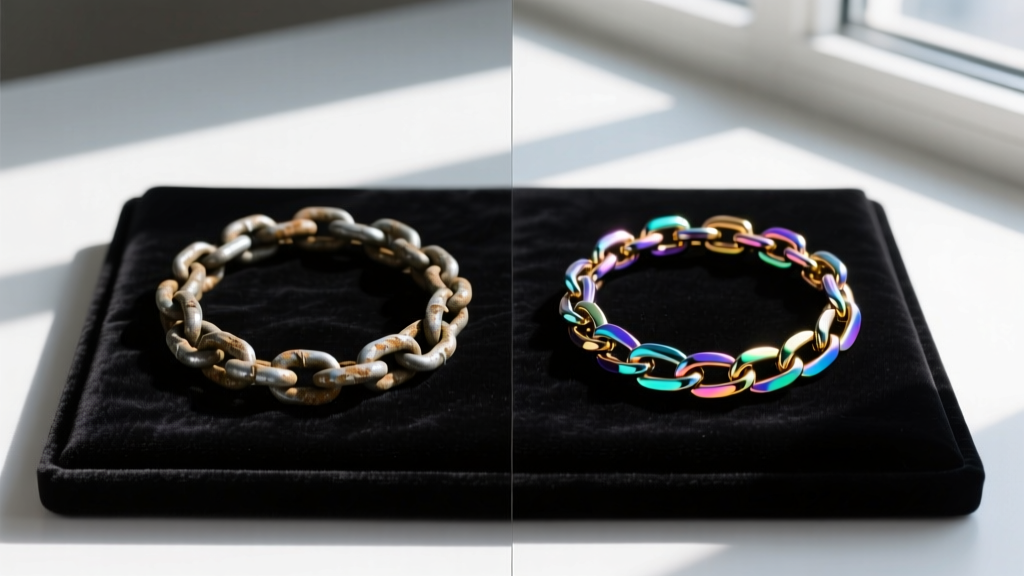
Understanding the true wholesale cost of materials prevents you from falling for 'too good to be true' pricing traps. If a supplier offers a heavy, 18k gold-plated Cuban link chain for $3.50, it is undoubtedly cast from cheap Zamak (zinc alloy) with flash plating. Zamak is brittle, prone to snapping under tension, and will oxidize rapidly once the microscopic gold layer wears off.
Here are the realistic 2026 wholesale pricing tiers for high-quality base materials in a no-inventory dropshipping model:
- Entry-Tier (Zinc Alloy + Flash Plate): $1.50 - $3.00 wholesale. Retail margin: 4x to 6x. High return rate expected.
- Mid-Tier (Brass + 1.0 Micron Gold + E-Coat): $4.50 - $9.00 wholesale. Retail margin: 3x to 4x. Solid for trend-driven seasonal pieces.
- Premium-Tier (316L Steel + PVD 18k Gold): $6.00 - $14.00 wholesale. Retail margin: 3x to 5x. Excellent for evergreen, waterproof basics.
- Demi-Fine (925 Sterling Silver + 2.5 Micron Vermeil): $18.00 - $45.00 wholesale. Retail margin: 2.5x to 3.5x. Requires higher customer trust and premium branding.
Final Verdict on Sourcing
Relying on third-party fulfillment does not absolve you of quality assurance. The most successful modern jewelry brands treat their dropshipping partners as remote manufacturing arms rather than mere shipping clerks. By mandating 316L stainless steel, enforcing strict lead-free brass compliance, and prioritizing PVD or thick micron plating, you can build a highly profitable, low-overhead jewelry brand that competes on quality, not just convenience. Always order a 'golden sample' to your own address before integrating a new supplier's catalog into your storefront, and test it aggressively with water, friction, and basic chemical exposure.
Expert Sourcing Tip: Never accept 'stainless steel' as a sufficient material description on a supplier invoice. If the invoice does not explicitly state '316L' or 'Surgical Steel,' legally, they can fulfill your order with cheap, magnetic 200-series steel that will rust within weeks. Demand material specificity in writing.


