Caring for Trinity Diamonds and Fine Jewelry at Home
Learn expert techniques for cleaning trinity diamonds and fine jewelry. Discover safe multi-metal care, ultrasonic risks, and DIY soaking recipes.

The Metallurgical Reality of Multi-Band Jewelry
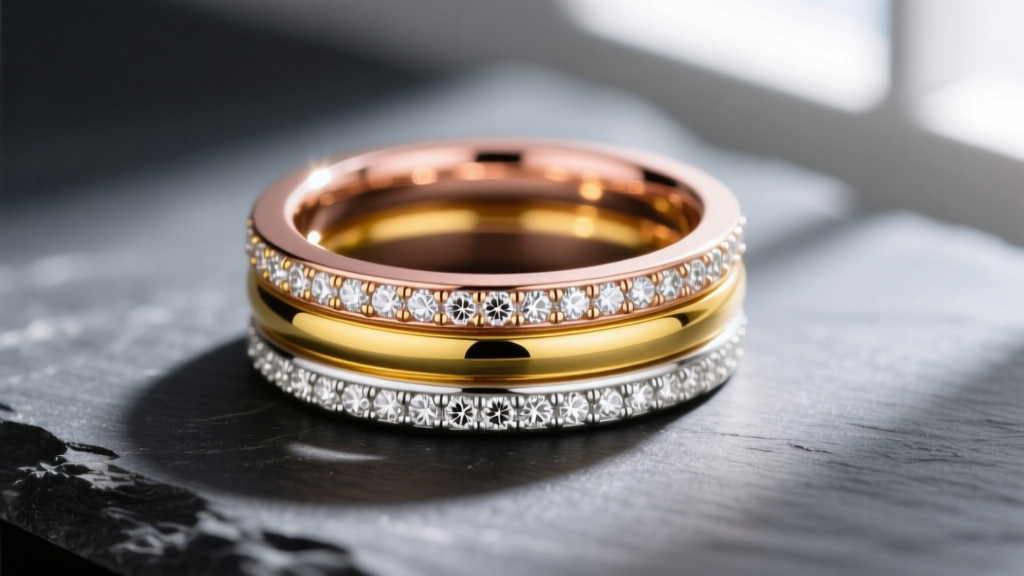
When investing in iconic, multi-metal designs, understanding the specific care requirements for trinity diamonds and fine jewelry is paramount. Unlike single-alloy pieces, interlocking multi-band rings and necklaces combine distinct metallurgical profiles that react differently to environmental stressors, friction, and chemical cleaners. To maintain these pieces in 2026 and beyond, we must look past generic jewelry advice and examine the exact alloy compositions involved.
Consider the classic three-metal configuration: 18k yellow gold, 18k rose gold, and 18k white gold. While all contain 75% pure gold, the remaining 25% alloy mix dictates their care. Rose gold relies heavily on copper (often around 22.25% copper and 2.75% silver), making it susceptible to oxidation and darkening if exposed to harsh chlorides. White gold, conversely, is alloyed with nickel or palladium and plated with rhodium—a hard, reflective metal that wears away over time due to the physical friction of interlocking bands. Diamonds, while ranking a 10 on the Mohs hardness scale, are highly lipophilic, meaning they readily attract oils and lotions, dulling their brilliance if not cleaned with specific surfactants.
Daily Maintenance vs. Deep Cleaning Protocols
Maintaining the brilliance of complex diamond settings requires a bifurcated approach: daily mitigation and bi-weekly deep cleaning. Daily wear exposes your jewelry to microscopic debris, dead skin cells, and cosmetic residues that lodge themselves beneath the pavilion (the bottom cone) of the diamond, blocking light return.
- Daily Mitigation: Remove multi-band rings before applying heavy lotions, sunscreen, or hair products. The physical friction of interlocking bands already generates microscopic gold dust; adding abrasive cosmetic particles accelerates metal wear.
- Weekly Wipe-Down: Use a dedicated, untreated microfiber polishing cloth to gently wipe the exterior metal bands. Do not use silver polishing cloths, as they contain mild abrasives that will strip the rhodium plating from the white gold sections.
- Bi-Weekly Deep Clean: A full surfactant soak and soft-bristle agitation to remove accumulated sebum and environmental grime from the diamond pavilions and prong settings.
The Chemistry of Cleaning Agents: What Destroys Gold Alloys?
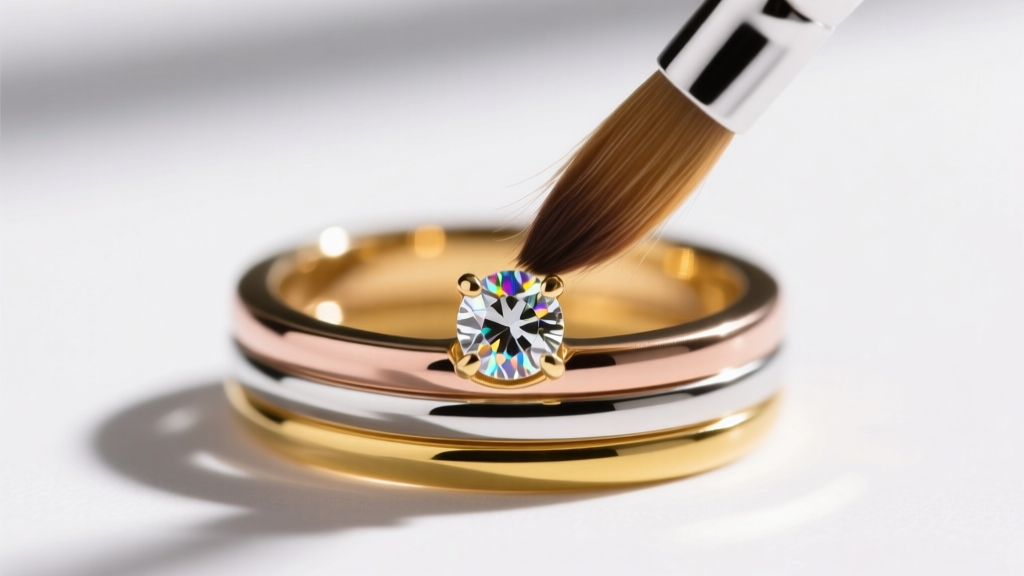
A common mistake in fine jewelry maintenance is the use of harsh household chemicals. According to the Gemological Institute of America (GIA), chlorine and bleach are highly destructive to gold alloys. Chlorine reacts with the copper in rose gold and the zinc or nickel in white and yellow gold, causing a phenomenon known as stress corrosion cracking. This can lead to catastrophic prong failure, resulting in lost diamonds.
| Cleaning Agent | Effect on 18k Rose Gold | Effect on Rhodium-Plated White Gold | Effect on Diamonds |
|---|---|---|---|
| Mild Dish Soap (pH Neutral) | Safe; removes oils | Safe; preserves plating | Safe; restores light return |
| Ammonia-Based Cleaners | Risk of copper oxidation | Can degrade rhodium over time | Safe, but risky for metal |
| Chlorine / Bleach | Severe corrosion risk | Strips rhodium, pits alloy | Safe, but metal may fail |
| Baking Soda Paste | Micro-scratches surface | Strips rhodium plating | Scratches polished girdle |
| Ultrasonic Cavitation | Safe for solid bands | Safe for solid bands | High risk for pave settings |
The 15-Minute Surfactant Soak Method
For safe, effective cleaning of trinity diamonds and fine jewelry at home, the GIA recommends a gentle soaking method using a mild, degreasing surfactant. This process lifts oils without chemically attacking the copper or rhodium components of your multi-metal piece.
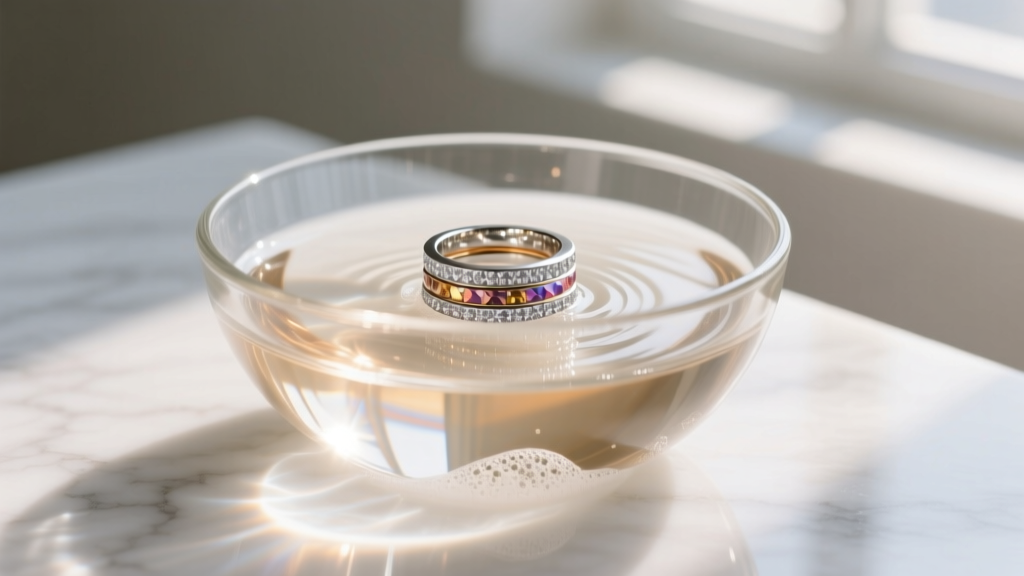
- Prepare the Solution: Fill a small glass or ceramic bowl with warm water (approximately 95°F or 35°C). Avoid hot water, as extreme temperature shifts can cause thermal shock to certain diamond inclusions. Add exactly three drops of a mild, lotion-free dishwashing liquid (such as original Dawn).
- The Soak: Submerge the jewelry completely. Allow it to soak for exactly 15 minutes. This gives the surfactant time to break the surface tension of the oils trapped beneath the diamond settings.
- Agitation: Using a brand-new, ultra-soft baby toothbrush, gently brush the jewelry. Focus specifically on the underside of the diamonds and the interior of the bands where skin contact is highest. Brush in a circular motion, never aggressively scrubbing the prongs.
- Rinsing: Place the jewelry in a small mesh strainer and rinse under a gentle stream of lukewarm tap water. Ensure the drain is securely plugged.
- Drying: Pat dry with a lint-free microfiber cloth. Avoid air-drying, as tap water minerals will leave opaque water spots on the polished gold and diamond facets.
The Dangers of Ultrasonic Cavitation and Steam
While commercial jewelers frequently use ultrasonic cleaners and high-pressure steamers, these tools pose severe risks to complex, multi-stone fine jewelry when used in a home setting. Ultrasonic cleaners work via cavitation—creating millions of microscopic vacuum bubbles that implode against the jewelry, blasting away dirt.
While cavitation is excellent for cleaning plain gold bands, the high-frequency vibrations can easily loosen the microscopic beads holding pave diamonds in place, or fracture diamonds that have been clarity-enhanced via laser drilling or fracture filling.
Furthermore, steam cleaners can force moisture into microscopic gaps between interlocking bands, leading to trapped humidity that accelerates the oxidation of the copper in rose gold. For multi-band diamond pieces, manual surfactant cleaning remains the gold standard for preserving both the stones and the intricate metalwork.
Professional Servicing: The 18-Month Rule
Even with meticulous home care, the physical nature of interlocking trinity-style bands guarantees metal wear. The friction between the yellow, rose, and white gold rings acts as a mild, continuous polish, slowly wearing down the rhodium plating on the white gold band and softening the prongs holding the diamonds.
You should schedule a professional bench inspection every 18 months. A master jeweler will use a microscope to check for prong fatigue, specifically looking for 'lifted' beads in pave settings. They will also re-polish the bands using specialized rouge compounds that remove minimal metal, and re-plate the white gold sections with a fresh 1.0-micron layer of rhodium to restore the stark, brilliant contrast against the warm rose and yellow gold. By combining this professional cadence with the precise home-cleaning chemistry outlined above, your multi-metal diamond jewelry will retain its structural integrity and optical brilliance for generations.


