Cremation Jewelry Made in USA: 2026 Material Guide
Discover the best materials for cremation jewelry made in USA. Compare titanium, sterling silver, and glass for durable, meaningful memorial keepsakes.

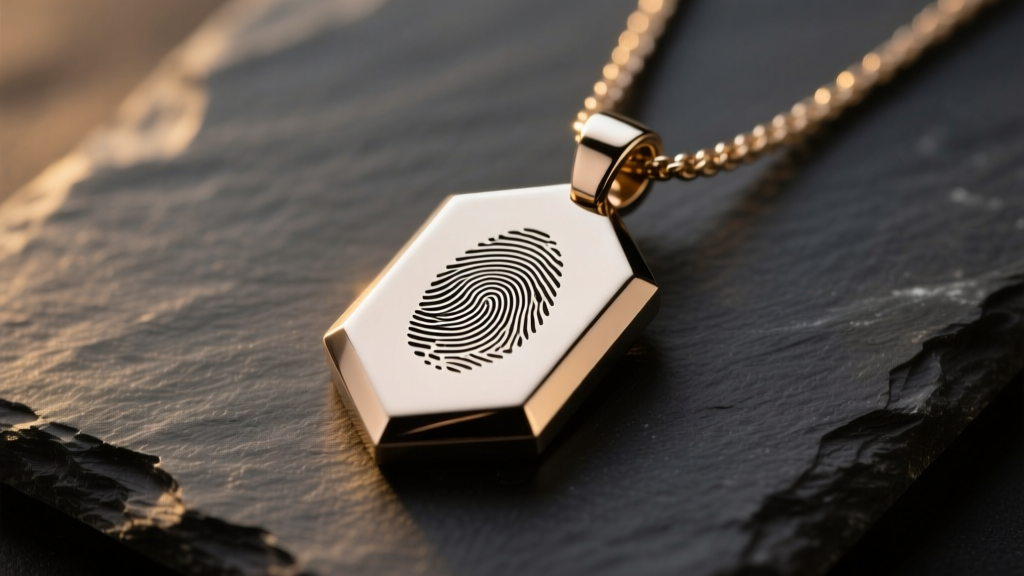
When selecting a permanent vessel for a loved one's remains, the metallurgical and structural integrity of the piece is just as critical as its aesthetic appeal. The market for cremation jewelry made in USA has evolved significantly by 2026, shifting away from mass-produced, overseas trinkets toward domestically forged, artisan-crafted keepsakes. American jewelers are increasingly leveraging aerospace-grade alloys and specialized glassblowing techniques to ensure these deeply personal artifacts survive generations of daily wear.
The Shift Toward Domestic Craftsmanship in Memorial Pieces
The Federal Trade Commission (FTC) maintains strict guidelines for the "Made in USA" label, requiring that "all or virtually all" of the product's significant parts and processing be of U.S. origin (FTC.gov). In the context of memorial jewelry, this domestic manufacturing standard translates to superior quality control—particularly regarding the precision machining of ash chambers and screw-top mechanisms. Overseas mass-producers often cut corners on internal threading, leading to cross-threading or catastrophic failure where the ashes are lost. American machinists typically utilize CNC lathes to cut precise M3 or M4 metric threads directly into the metal, ensuring a secure, watertight seal when paired with a jeweler-grade O-ring.
Core Materials Used by American Artisans
Aerospace-Grade Titanium (Ti-6Al-4V)
While pure Grade 2 titanium is common in budget jewelry, premier USA-based memorial artisans favor Grade 5 titanium (Ti-6Al-4V). This alloy, containing 6% aluminum and 4% vanadium, offers a tensile strength nearly double that of pure titanium. For cremation pendants, this means the thin walls of the ash chamber (often milled down to 1.2mm to save weight) will not dent or deform if dropped on a hard surface. Furthermore, Grade 5 titanium is entirely hypoallergenic and immune to chloride-induced corrosion, making it ideal for wearers who swim in the ocean or live in humid climates.
Recycled Sterling Silver (925) & Argentium (960)
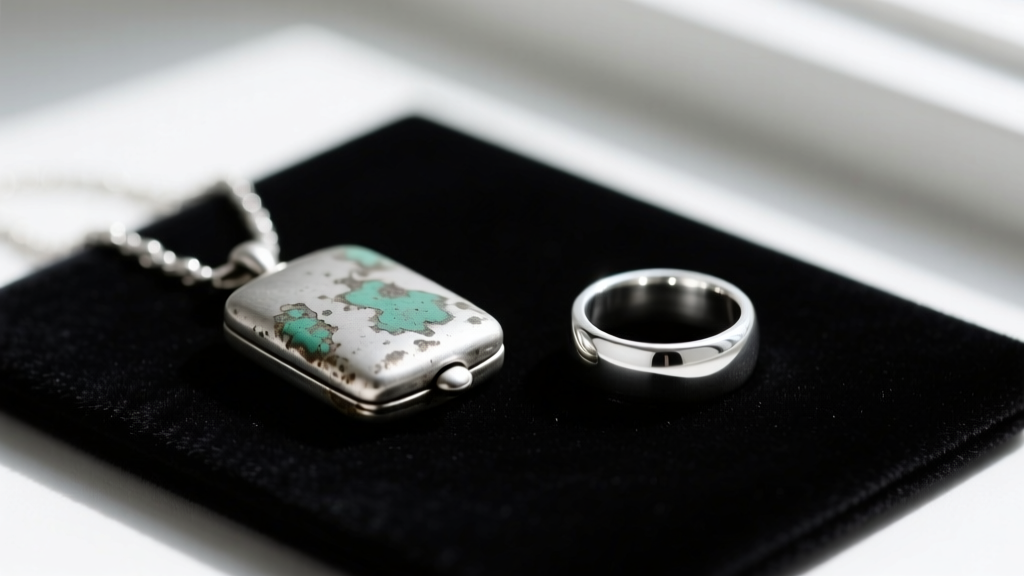 Traditional 925 sterling silver contains 7.5% copper, which reacts with sulfur in the air and skin oils to create silver sulfide (tarnish). For a memorial piece meant to be worn against the skin 24/7, this requires constant polishing. To solve this, top-tier American silversmiths have adopted Argentium silver. By replacing some of the copper with germanium, Argentium (typically 960 fine) forms a transparent, self-healing germanium oxide layer on the surface (Silver Institute). This makes the metal highly tarnish-resistant without the need for rhodium plating, which eventually wears off and requires expensive reapplication.
Borosilicate Glass & Fused Ash Inclusions
When artisans incorporate actual cremains into the jewelry's design (rather than hiding them in a hidden chamber), the choice of glass is paramount. USA glassblowers exclusively use borosilicate glass (similar to Pyrex) rather than soft soda-lime glass. Borosilicate has a low coefficient of thermal expansion (CTE of ~3.3 × 10⁻⁶ /°C). This is critical because human cremains contain calcium phosphate and trace metals that expand at different rates when heated in the kiln. Using borosilicate prevents the glass from shattering during the 1,400°F fusing process and ensures the piece survives sudden temperature changes in daily life.
Material Comparison Matrix: Durability, Cost, and Ash Compatibility
Understanding the physical properties of these materials helps buyers align their budget with their lifestyle needs. Below is a comparative breakdown of the primary materials used in domestic memorial jewelry.
| Material | Alloy / Grade | Ash Integration Method | Avg. Price Range (USD) | Tarnish & Corrosion Resistance |
|---|---|---|---|---|
| Titanium | Grade 5 (Ti-6Al-4V) | Internal CNC-milled chamber | $180 - $450 | Exceptional (Immune to salt/sweat) |
| Silver | Argentium 960 | Internal chamber or bezel setting | $120 - $300 | High (Germanium oxide layer) |
| Gold | 14k or 18k Solid | Internal chamber (thick walls) | $600 - $1,500+ | High (Depending on karat/alloy) |
| Glass | Borosilicate | Direct kiln-fused inclusion | $90 - $250 | Perfect (Inert material) |
| Resin | Optical Epoxy | Suspended in cast mold | $40 - $120 | Poor (Prone to UV yellowing) |
Failure Modes and Maintenance Realities
Even the finest cremation jewelry made in USA will fail if the wrong material is chosen for the wearer's lifestyle. Recognizing these failure modes is essential for long-term preservation.
Thread Stripping and O-Ring Degradation
In metallic urn pendants, the most common point of failure is the screw cap. If the cap is made of soft aluminum or low-karat gold, the threads can strip after repeated opening and closing. Furthermore, the internal silicone O-ring that provides the watertight seal degrades over time when exposed to skin oils and perfumes. American manufacturers typically include replacement O-rings and recommend swapping them every 24 months. Always use a jeweler's screwdriver with a wax tip to remove the cap; using pliers will mar the metal and compromise the structural seal.
UV Degradation in Resin vs. Glass
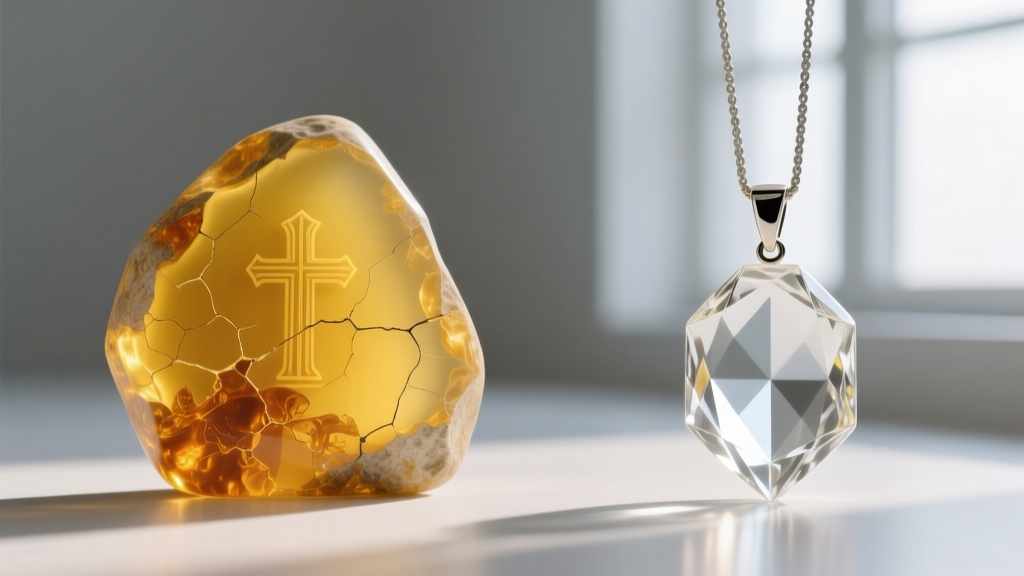 Many budget-friendly domestic artisans use clear optical epoxy resin to encapsulate ashes. While initially crystal clear, standard epoxies undergo photo-oxidation when exposed to ultraviolet light, turning a cloudy, irreversible yellow within 12 to 18 months of daily outdoor wear. If you want a transparent stone effect that will outlive you, you must insist on kiln-fused borosilicate glass or laboratory-grown moissanite with laser-drilled ash inclusions, rather than poured resins.
Tungsten Carbide & Stainless Steel Alternatives
While less common for direct ash inclusion, tungsten carbide and 316L surgical stainless steel are frequently used by USA manufacturers for heavy-duty, masculine memorial rings and pendants. Tungsten carbide ranks between 8.5 and 9 on the Mohs hardness scale, making it virtually scratch-proof. However, its extreme brittleness means it can shatter under high-impact force, and it cannot be resized or easily machined for complex internal ash chambers. Therefore, US artisans typically use tungsten for outer sleeves or bezel settings, housing a smaller, sealed titanium or glass ash capsule inside. 316L stainless steel, containing molybdenum for enhanced corrosion resistance, serves as an excellent, budget-friendly alternative to titanium for internal urn chambers, typically priced between $60 and $120.
How to Verify Authentic USA Manufacturing
The emotional significance of memorial jewelry makes provenance important. To verify that a piece is genuinely crafted in the United States, look beyond the marketing copy. Check for the following indicators:
- Hallmarks and Stamps: Authentic US silversmiths will stamp their pieces with a maker's mark and a quality stamp (e.g., "960" or "14k").
- Supply Chain Transparency: Reputable domestic studios will openly state where their raw metals are cast and where their glass is blown. Be wary of brands that claim "Designed in USA" but omit manufacturing details, as this usually indicates overseas casting.
- Custom Threading Options: Only domestic machine shops with in-house CNC capabilities will offer custom thread pitches or left-handed threads to prevent accidental unscrewing.
Final Verdict: Choosing the Right Alloy for Your Keepsake
Selecting the right material for cremation jewelry made in USA requires balancing aesthetic warmth with metallurgical reality. For active individuals who refuse to take their jewelry off in the shower, gym, or ocean, Grade 5 titanium or borosilicate glass offers indestructible peace of mind. For those who prioritize traditional luxury and heirloom aesthetics, Argentium silver or solid 14k gold provides the necessary prestige while mitigating the high-maintenance drawbacks of traditional alloys. By prioritizing domestic artisans who understand the precise engineering required for ash retention, you ensure that your memorial piece remains as enduring as the memory it holds.


