What Is Fashion Jewelry? A Step-by-Step Guide to Quality Tiers
Learn what is fashion jewelry, how to identify quality tiers from costume to demi-fine, and follow our step-by-step guide to spotting durable base metals.

Defining the Spectrum: What Is Fashion Jewelry?
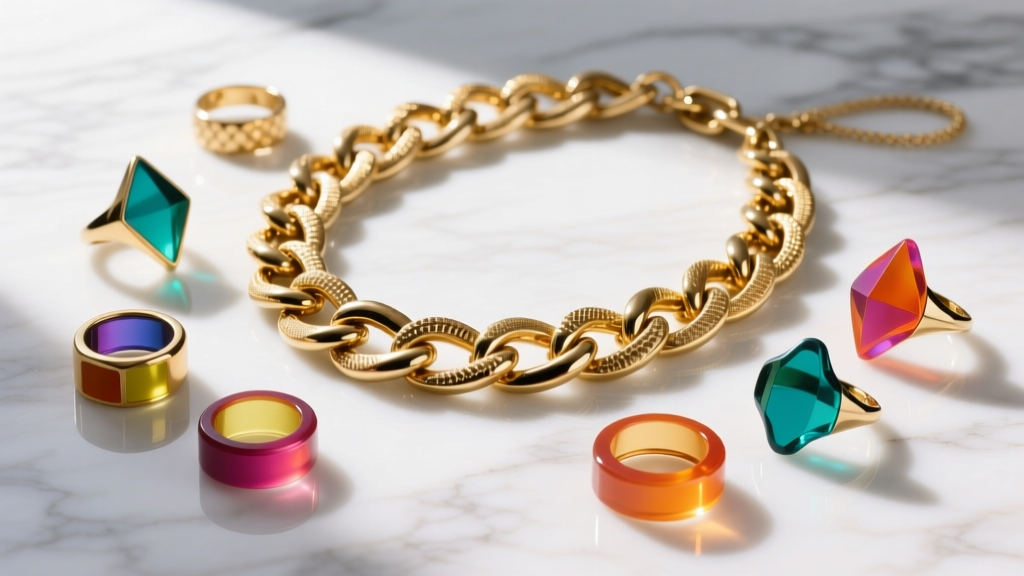
If you have ever asked yourself, "what is fashion jewelry exactly?" you are not alone. The term is often used interchangeably with "costume jewelry," but in the modern 2026 market, it represents a vast, multi-tiered spectrum. At its core, fashion jewelry encompasses any decorative accessory crafted from non-precious base metals, simulated gemstones, and synthetic materials. Unlike fine jewelry, which relies on solid 14k+ gold, platinum, and natural diamonds for its intrinsic value, fashion jewelry derives its value from design, trend relevance, and craftsmanship.
However, not all fashion jewelry is created equal. The gap between a $12 fast-fashion ring that turns your finger green and a $150 demi-fine gold vermeil piece is massive. To build a lasting, skin-friendly collection, you must understand the anatomy of these pieces. Below is our expert, step-by-step guide to evaluating fashion jewelry quality tiers.
Step 1: Decode the Base Metal Composition
The foundation of any fashion piece dictates its weight, durability, and allergen profile. Before looking at the shiny exterior, you must identify what lies beneath.
- Brass (Copper/Zinc Alloy): The gold standard for high-quality costume jewelry. Brass is malleable, allowing for intricate casting, and takes gold and rhodium plating exceptionally well. However, if the plating wears off, raw brass will oxidize and can leave a green residue on the skin due to copper content.
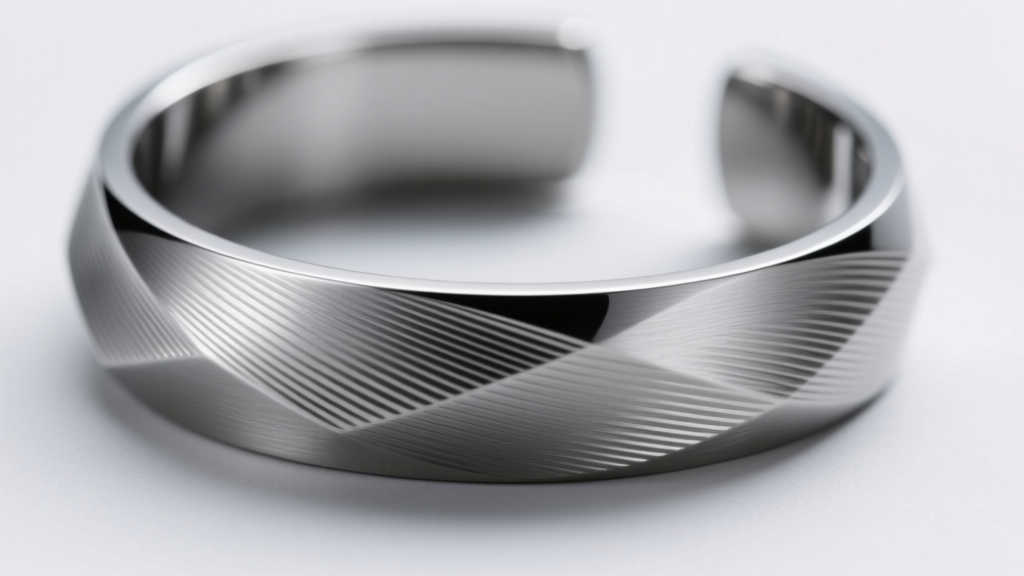
- 316L Stainless Steel: The reigning champion of modern, durable fashion jewelry. It is highly resistant to tarnish, waterproof, and hypoallergenic. Many contemporary brands now use PVD-coated 316L steel for pieces meant to withstand daily wear without the fear of chipping.
- Zinc Alloy / Pewter: Often found in lower-tier, mass-market costume jewelry. It is heavy, relatively brittle, and prone to pitting. Avoid zinc alloys if you are looking for longevity.
- Copper: Highly malleable and hypoallergenic, but very soft. It is usually reserved for artisanal, hand-hammered fashion pieces rather than mass-produced items.
Step 2: Evaluate the Plating and Coating Methods
Once the base metal is shaped, it must be finished. The plating method is the single biggest indicator of a fashion jewelry piece's lifespan and price point. As sustainability becomes a major focus in 2026, the industry has seen a massive shift toward advanced coating technologies.
| Plating Type | Base Metal Requirement | Thickness (Microns) | Expected Lifespan | Best Use Case |
|---|---|---|---|---|
| Flash Plating | Any (Usually Zinc/Brass) | 0.05 - 0.1 µm | 1 - 3 Months | Ultra-cheap, single-event costume pieces |
| Electroplating | Brass, Copper, Silver | 0.5 - 2.5 µm | 1 - 3 Years | Standard mid-tier fashion jewelry |
| PVD (Physical Vapor Deposition) | 316L Stainless Steel, Titanium | 0.3 - 1.5 µm | 5+ Years | Waterproof, everyday durable fashion lines |
| Gold Vermeil (Demi-Fine) | Sterling Silver (.925) ONLY | 2.5+ µm | 3 - 10 Years | Bridging the gap between fashion and fine |
According to industry analyses by McKinsey & Company, the rapid adoption of PVD coating in fashion jewelry has drastically reduced the environmental impact of traditional electroplating, while offering consumers superior tarnish resistance. If you want a gold-toned fashion piece that you can shower in, PVD-coated stainless steel is your best investment.
Step 3: Inspect the Stone and Embellishment Settings
Fashion jewelry relies heavily on simulants to mimic the sparkle of fine gemstones. How these stones are set will tell you immediately if the piece is high-tier or low-tier.
Cubic Zirconia (CZ) vs. Glass vs. Resin
Cubic Zirconia remains the most popular diamond simulant in fashion jewelry due to its high refractive index and affordability. As noted by the Gemological Institute of America (GIA), CZ is durable enough for everyday wear but can attract oils and become cloudy if not cleaned regularly. High-quality fashion brands will use prong settings for CZ stones, allowing light to enter from the back and maximizing brilliance. Low-tier brands will use bezel or glued settings, which trap dirt and dull the stone.
Glass and crystal (like Swarovski) are often foil-backed to increase reflectivity. If the foil backing gets wet, it will peel and turn black. Resin and acrylic are used for bold, opaque statement pieces; they are lightweight but scratch easily on the Mohs hardness scale.
Step 4: Assess the Hardware and Clasp Mechanics
Hardware is the unsung hero of jewelry longevity. A beautifully plated brass chain is useless if the clasp breaks or the earring post causes an infection.
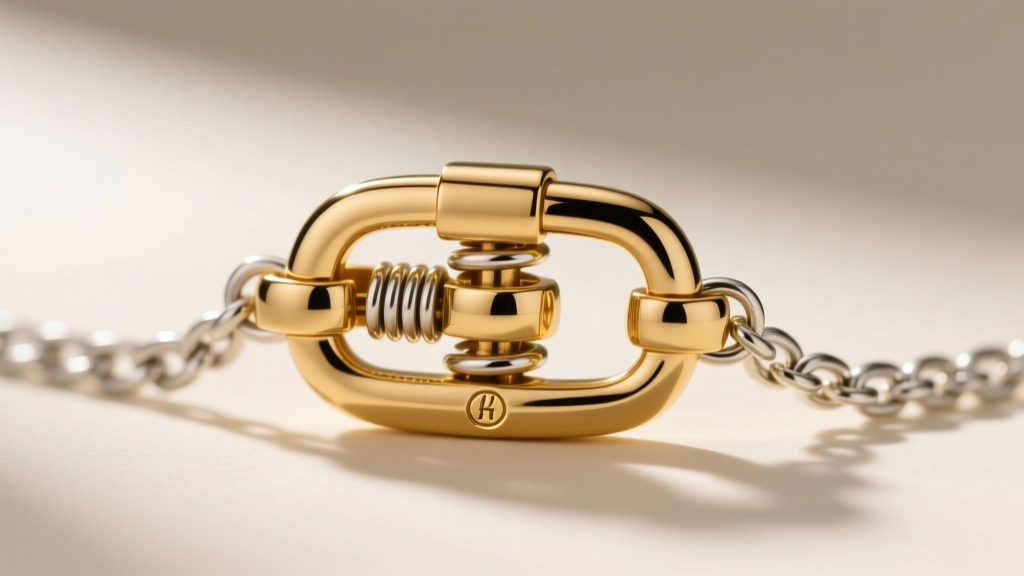
- Clasps: Avoid "spring ring" clasps, which are flimsy, hard to operate, and prone to snapping. Look for "lobster clasps" or "box clasps" with safety catches. These indicate a brand that prioritizes security and user experience.
- Earring Posts: Even if an earring is made of brass or alloy, high-quality fashion brands will use surgical stainless steel or titanium for the actual post that pierces the skin to comply with the EU Nickel Directive. If the post is magnetic or looks like raw, unpolished zinc, avoid it if you have sensitive ears.
- Jump Rings: Check the rings connecting the clasp to the chain. They should be soldered shut or made of thick-gauge wire. If you can easily pull the gap apart with your fingernails, the chain will eventually slip off and be lost.
Step 5: Build a Tiered Fashion Jewelry Wardrobe
Understanding what is fashion jewelry allows you to strategically mix tiers to maximize your style and budget. Follow this framework to build a balanced collection:
- The Everyday Core (Demi-Fine / PVD Steel): Spend the bulk of your budget here. Invest in gold vermeil hoop earrings, PVD-coated stainless steel tennis bracelets, and sterling silver chains. These touch your skin daily and need to withstand sweat and water.
- The Trend Layer (Mid-Tier Electroplated Brass): Allocate a moderate budget for seasonal trends. Think chunky electroplated brass chain necklaces, enamel signet rings, or herringbone chains. These pieces will last a few seasons if kept dry.
- The Statement Moment (Low-Tier Costume): Spend very little here. Oversized resin cocktail rings, rhinestone-encrusted hair clips, and theatrical runway pieces are meant for occasional, high-impact wear. The base metal quality matters less because these pieces are not subjected to daily friction.
Expert Troubleshooting: Preventing Tarnish and Green Skin
Even the best fashion jewelry requires maintenance. The outdated "clear nail polish" trick is no longer recommended by jewelers, as modern polishes contain solvents that can actually degrade certain electroplated finishes and leave a gummy residue.
"The key to preserving fashion jewelry is controlling the micro-climate of your storage. Moisture and sulfur in the air are the primary catalysts for base metal oxidation."
Actionable Maintenance Steps:
- Use Anti-Tarnish Strips: Place 3M anti-tarnish tabs in your jewelry boxes. They absorb airborne sulfur compounds that cause silver and brass to blacken.
- Silica Gel Packets: Never throw away the silica packets from shoe boxes or vitamin bottles. Toss them into your jewelry drawers to control ambient humidity.
- The Chlorine Rule: Never wear electroplated fashion jewelry in a swimming pool. Chlorine is highly corrosive and will permanently strip gold plating from brass in a matter of minutes, leaving behind a dull, pinkish hue that cannot be polished out.
By applying this step-by-step evaluation process, you can confidently navigate the market, answer the question of what is fashion jewelry for yourself, and curate a collection that looks luxurious, lasts for years, and respects your skin.