How to Wear Statement Jewelry Without Overpowering Your Look
Learn how to wear statement jewelry with confidence. This beginner-friendly guide covers proportions, material mixing, and neckline pairings for bold pieces.


Stepping into the world of bold, oversized accessories can feel intimidating. You want to make an impact, but you also want to avoid looking like a walking chandelier. Learning how to wear statement jewelry is less about following strict fashion rules and more about understanding visual weight, material quality, and structural balance. Whether you are styling a chunky resin cocktail ring or an oversized pair of brass chandelier earrings, the goal is to let the jewelry elevate your outfit rather than compete with it.
In 2026, the trend landscape has shifted away from maximalist clutter toward intentional, sculptural focal points. Designers are favoring organic shapes, mixed metal textures, and substantial physical weight. This beginner-friendly explainer will break down the exact mechanics of styling bold pieces, from neckline pairings to the physical limitations of your earlobes.
The Anatomy of a True Statement Piece
Before you can style a statement piece, you need to understand what qualifies as one. In the jewelry industry, a piece earns the 'statement' designation through scale, visual weight, or unconventional material use. Generally, statement earrings exceed 2.5 inches in drop length or 1.5 inches in width. Statement necklaces typically feature pendants larger than 15mm or possess a collar-style architecture that sits flush against the clavicle.
However, scale is only half the equation. The material composition dictates how the piece behaves in the light and on the body. According to the FTC Jewelry Guides, there is a massive distinction between costume jewelry (often cast from brass or zinc alloys) and demi-fine jewelry. If you are investing in gold-toned statement pieces, look for 'gold vermeil' rather than standard gold plating. Vermeil requires a base of sterling silver and a gold layer of at least 2.5 microns thick, ensuring the piece will not flake or turn your skin green after a few wears.
- Costume Tier: Brass or alloy base, flash-plated. High visual impact, lower longevity. Best for seasonal trends.
- Demi-Fine Tier: Sterling silver base, heavy vermeil or gold-filled. Ideal for everyday statement pieces.
- Fine Tier: Solid 14k/18k gold or platinum. Rare for massive statement pieces due to extreme cost and weight, usually reserved for sculptural high jewelry.
The Rule of One: Balancing Proportions
The most common mistake beginners make is allowing multiple statement pieces to fight for attention. The 'Rule of One' is a foundational styling framework: choose one primary focal point and let the rest of your jewelry act as a supporting cast. If you are wearing a pair of 3-inch hammered gold drop earrings, your neck should remain bare, or at most, adorned with a nearly invisible 1mm chain.
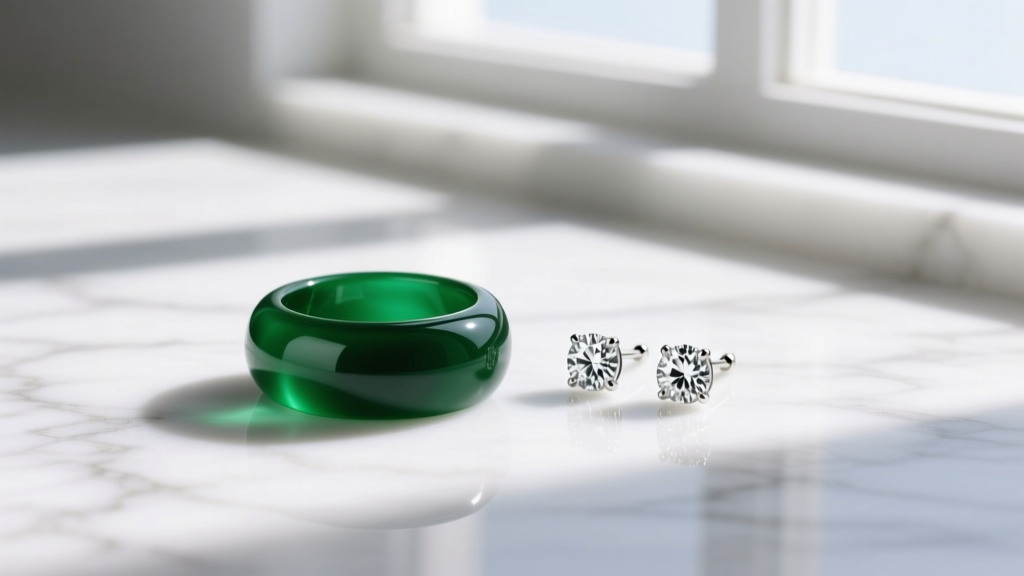
Visual weight is not always synonymous with physical weight. A hollow-form brass cuff bracelet might look incredibly substantial but weigh only 40 grams, whereas a solid bronze bangle of the same dimensions could weigh over 120 grams. When balancing proportions, consider the negative space in your outfit. A bold, architectural ring paired with a minimalist silk slip dress creates a striking contrast that draws the eye directly to the hand.
Neckline Pairings: A Structural Guide
The architecture of your clothing dictates the geometry of your necklace. A mismatched neckline and necklace pairing can cause the metal to snag, sit awkwardly, or visually shorten your neck. Use the data-driven chart below to match your statement necklaces to your most common wardrobe staples.
| Neckline Type | Ideal Statement Necklace | Length / Dimensions | Why It Works |
|---|---|---|---|
| Crewneck | Bib or Collar Necklace | 14 to 16 inches | Sits perfectly above the fabric hem, framing the face without tangling in the seam. |
| Deep V-Neck | Y-Drop or Lariat Pendant | 18 to 22 inches | Mimics the geometric angle of the neckline, elongating the torso. |
| Strapless | Choker or Multi-Layer Cascade | 14 to 18 inches | Fills the expansive negative space on the chest and shoulders. |
| Turtleneck | Opera-Length Pendant | 26 to 30 inches | Breaks up the solid block of fabric and draws the eye vertically. |
When wearing a turtleneck, avoid short, chunky chains. They will sit awkwardly on the collarbone ridge and create a cluttered silhouette. Instead, opt for a long, heavy pendant that rests against the sternum, providing a sleek, uninterrupted vertical line.
Navigating Metals, Textures, and 2026 Trends
Gone are the days when mixing metals was considered a fashion faux pas. In 2026, intentional metal mixing is a hallmark of advanced styling. The key to pulling this off is to maintain a consistent undertone or texture. For example, pairing a high-polish yellow gold cuff with an oxidized, matte-finish silver ring creates a deliberate, curated contrast.
True style is not about matching every accessory perfectly; it is about creating a dialogue between different textures, eras, and materials. A vintage brass brooch pinned to a modern demi-fine chain tells a much more interesting story than a perfectly matched parure.
Texture also plays a vital role in how statement jewelry is perceived. Hammered metals catch the light in a diffuse, organic way, making them ideal for daytime wear. Conversely, high-polish finishes and pavé-set cubic zirconia or natural gemstones reflect light sharply, making them better suited for evening or low-light environments.
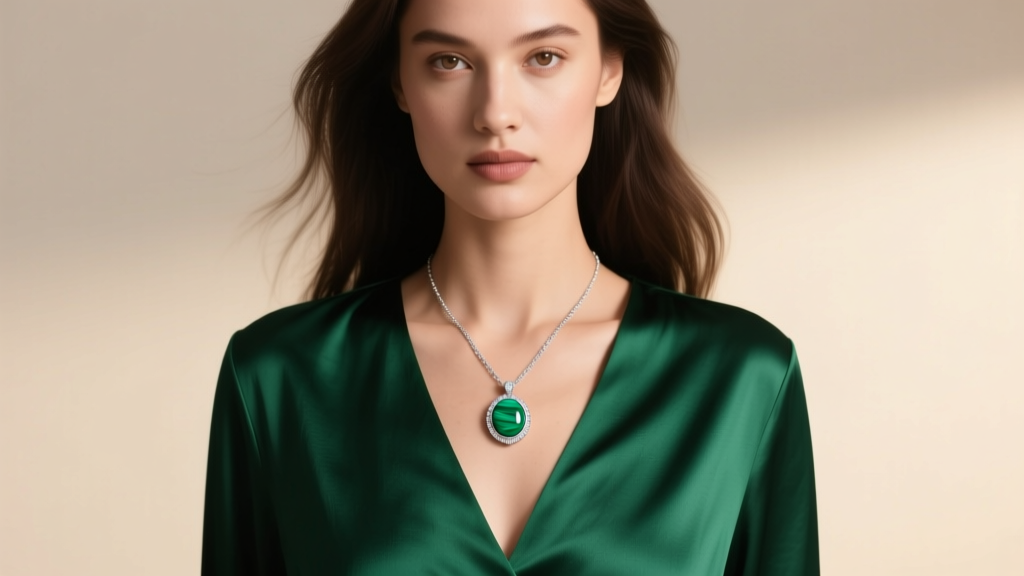
Physical Comfort: Gauges, Weight, and Lobe Health
A piece of jewelry is only a good statement piece if you can wear it comfortably for hours. Many beginners overlook the physical toll that heavy earrings take on the earlobes. Standard ear piercings are done at 20-gauge or 18-gauge. If you wear heavy statement earrings with a thin 22-gauge wire, the wire will bend, and the concentrated weight can cause the piercing hole to stretch or tear over time.
For any statement earring exceeding 15 grams per ear, ensure the post or hook is at least 18-gauge (1.0mm thick) or ideally 16-gauge (1.2mm thick) to distribute the weight. If you are wearing massive chandelier earrings for a long event, consider using clear silicone earring support patches behind the lobe to provide structural reinforcement and prevent the dreaded 'earlobe droop'.
Building Your First Statement Collection
You do not need to spend thousands of dollars to build a versatile statement jewelry wardrobe. Start by identifying the gaps in your current collection and invest in three core archetypes:
- The Sculptural Cuff: A wide, textured metal bracelet that can slide over a long sleeve or sit bare on the wrist. Look for solid brass or heavy gold vermeil.
- The Cocktail Ring: A massive, singular ring featuring a large semi-precious stone (like onyx, malachite, or lapis lazuli) or bold resin. This is your conversational icebreaker.
- The Architectural Drop Earring: A pair of geometric, shoulder-dusting earrings in a lightweight material like hollow-form aluminum or carved wood to avoid ear fatigue.
By understanding the interplay of scale, material integrity, and physical comfort, you can transform statement jewelry from an intimidating costume into a powerful extension of your personal style. Start with one bold piece, master the Rule of One, and let your accessories do the talking.


