Shane Fine Jewelry Ethical Practices: A Care Guide
Discover how to maintain ethically sourced pieces. Our guide to Shane Fine Jewelry ethical practices ensures your gems last.

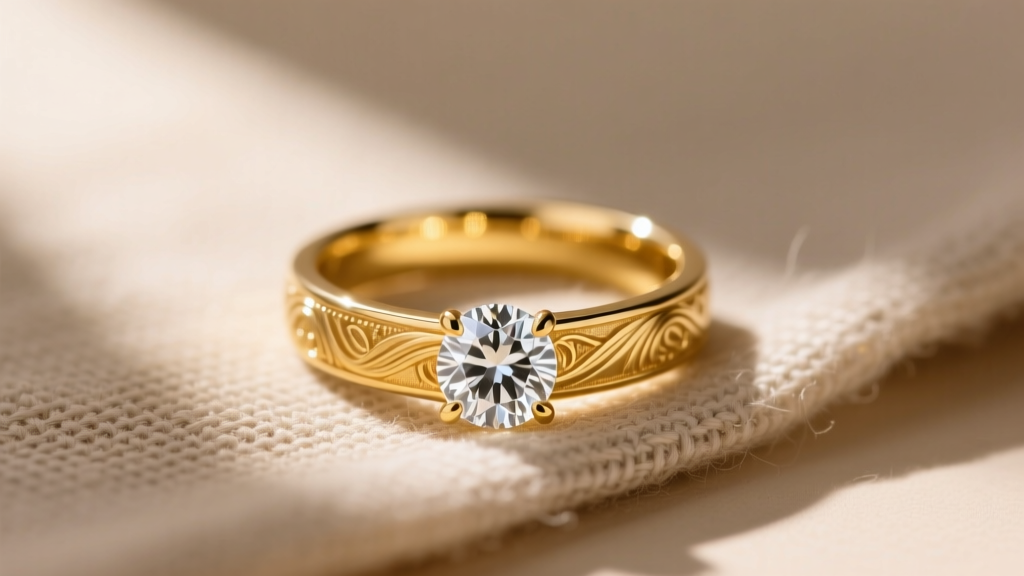
The Intersection of Ethical Sourcing and Longevity
When modern consumers research shane fine jewelry ethical practices, the focus is predominantly on the origin of the materials: conflict-free diamonds, recycled precious metals, and fair-trade mining initiatives. However, true sustainability in the fine jewelry sector extends far beyond the point of purchase. The most ecologically responsible piece of jewelry is one that is worn, maintained, and passed down through multiple generations without requiring replacement or extensive refinement.
Proper care and maintenance are the unsung heroes of ethical jewelry ownership. A neglected ring that suffers a lost stone or a snapped shank due to chemical corrosion negates the environmental benefits of its ethical sourcing. By adopting rigorous, science-backed cleaning and maintenance protocols, you honor the initial ethical investment and ensure your pieces remain structurally sound for decades. This comprehensive guide delves into the metallurgical and gemological realities of caring for fine jewelry, providing actionable frameworks to protect your most valued pieces.
Metallurgical Realities: Cleaning Recycled Gold Alloys
Ethical jewelers frequently utilize recycled gold to reduce the massive environmental footprint associated with virgin ore extraction. According to the Responsible Jewellery Council, recycling gold reduces carbon emissions by up to 99% compared to primary mining. However, recycled gold alloys behave identically to mined gold alloys, meaning they require specific care based on their karat weight and alloy composition.
14k vs. 18k Recycled Gold
18k gold contains 75% pure gold, making it highly resistant to tarnish but relatively soft, with a Vickers hardness rating of approximately 125. 14k gold (58.5% pure gold) is alloyed with higher concentrations of copper, silver, or zinc, raising its hardness to roughly 140 Vickers. This makes 14k more resistant to micro-scratches but slightly more prone to oxidation and tarnishing due to the reactive base metals.
- For 18k Gold: Avoid abrasive polishing cloths. These cloths are embedded with micro-jeweler's rouge that removes microns of the soft gold surface. Instead, use a high-pile microfiber cloth designed specifically for precious metals.
- For 14k Gold: Tarnish can occur if exposed to sulfur compounds in the air or cosmetics. Clean with a pH-neutral dish soap (like Dawn) and warm distilled water to prevent mineral deposits from hard tap water.
The Chlorine Threat
Never expose any karat of gold jewelry to chlorine. Chlorine reacts with the copper and silver alloys in the gold matrix to form copper chloride and silver chloride. This chemical reaction causes 'stress corrosion cracking,' which can cause the prongs or the shank of your ring to become brittle and snap without warning.
Gemological Care: Lab-Grown and Ethically Mined Stones
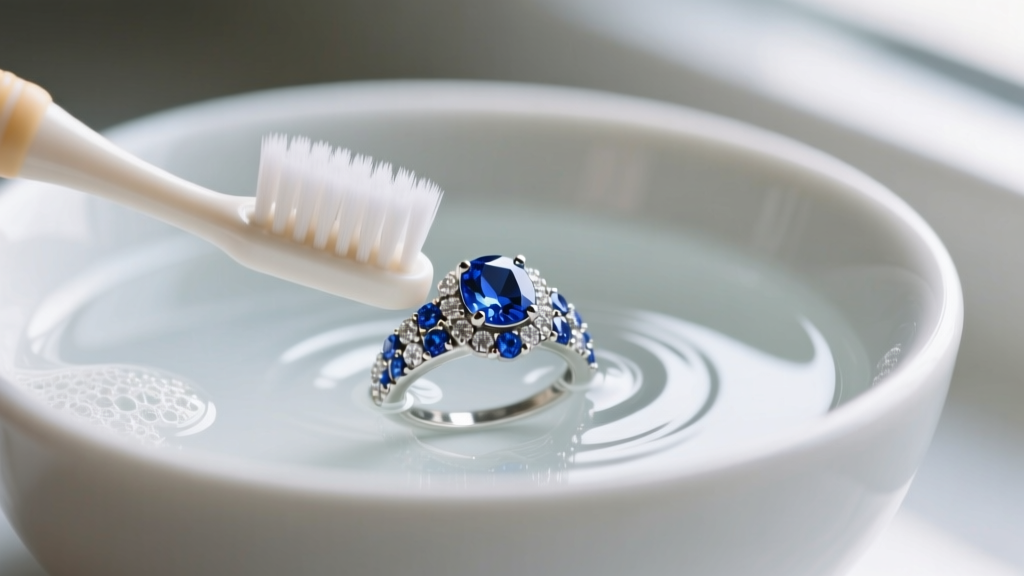
The cleaning methodology for your gemstones must be dictated by their position on the Mohs scale of hardness and their internal crystalline structure. The Gemological Institute of America (GIA) emphasizes that hardness (scratch resistance) is not the same as toughness (resistance to breaking or chipping).
Lab-Grown Diamonds (Mohs 10)
While lab-grown diamonds are the hardest known natural material, they possess distinct cleavage planes. A sharp blow to the girdle or the culet can cause the stone to chip. When cleaning diamond solitaires or pavé settings, use a soft-bristled baby toothbrush to gently agitate a solution of warm water and a few drops of ammonia-free degreasing soap. Ammonia can degrade the rhodium plating on white gold settings over time.
Ethically Sourced Sapphires and Rubies (Mohs 9)
Corundum (sapphire and ruby) is highly durable but can be sensitive to extreme thermal shock. Never clean these stones using boiling water or steam cleaners, especially if the stone has been fracture-filled or has significant internal inclusions, as the rapid temperature change can cause the stone to shatter along its inclusion lines.
The Maintenance Matrix: Cleaning Frequencies and Methods
To systematize your jewelry care routine, refer to the following maintenance matrix. This framework ensures you are applying the correct level of intervention without over-cleaning, which can lead to unnecessary wear on delicate settings.
| Jewelry Type | Recommended Cleaning Method | Frequency | Strictly Avoid |
|---|---|---|---|
| Diamond Solitaire Rings | Warm water, mild dish soap, soft brush | Bi-weekly | Harsh bleach, chlorine |
| Sapphire/Ruby Eternity Bands | Damp microfiber cloth, mild soap | Monthly | Ultrasonic cleaners, steam |
| Recycled 18k Gold Chains | Soak in soapy distilled water, air dry | Monthly | Abrasive polishing pastes |
| Pearl or Emerald Accents | Wipe with a damp, lint-free cloth only | After every wear | Any liquid submersion, ultrasonics |
Ultrasonic Cleaners: A Technical Warning
Many consumers purchase at-home ultrasonic cleaners, assuming they are universally safe for fine jewelry. These devices typically operate at frequencies between 35 kHz and 45 kHz, creating microscopic cavitation bubbles that implode and blast away dirt. While excellent for solid diamond and platinum pieces, the high-frequency vibrations can shake smaller pavé stones out of their settings, especially if the prongs are already experiencing micro-wear. Furthermore, ultrasonic waves will instantly cloud fracture-filled diamonds and destroy the optical properties of treated emeralds.
Prong Integrity and Setting Wear
The physical security of your gemstones relies entirely on the integrity of the metal prongs. Over time, friction against clothing and incidental impacts cause prongs to thin and lift. The Federal Trade Commission's Jewelry Guides highlight the importance of regular professional inspections to maintain the structural claims of fine jewelry.
You should perform a tactile inspection of your prongs every three months. Run a piece of silk fabric or a cotton ball lightly over the setting. If the fabric snags, a prong has lifted or worn thin and requires immediate attention from a master jeweler. For ethically sourced pieces, seek out a jeweler who specializes in laser welding, which allows for precise prong re-tipping without exposing the entire gemstone to the high heat of a traditional jeweler's torch.
Archival Storage: Preventing Micro-Scratches and Tarnish
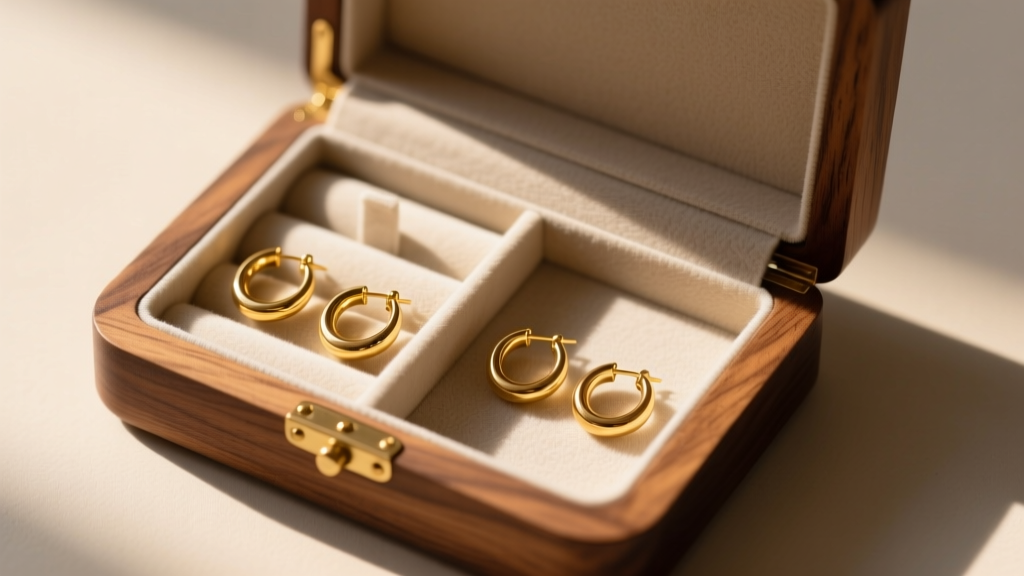
How you store your jewelry when it is not being worn is just as critical as how you clean it. Tossing multiple pieces into a single velvet-lined drawer guarantees micro-scratches, as harder stones (like diamonds) will easily gouge softer metals (like gold) and softer stones (like opals or pearls).
- Individual Compartments: Store every piece in its own soft, anti-tarnish flannel pouch or a dedicated compartment in a fabric-lined box.
- Humidity Control: Moisture accelerates the oxidation of the base metals in 14k gold and sterling silver. Place silica gel packets in your jewelry drawers to maintain a low-humidity environment.
- Anti-Tarnish Strips: For silver and lower-karat gold pieces, utilize 3M anti-tarnish strips, which absorb airborne sulfur compounds and prevent the chemical reaction that causes blackening.
Conclusion: Care as an Ethical Imperative
Understanding shane fine jewelry ethical practices requires a paradigm shift: sustainability does not end at the checkout counter. By treating your fine jewelry as a generational asset and adhering to strict, material-specific cleaning protocols, you actively reduce the demand for future mining and refining. Protect your prongs, respect the chemistry of your alloys, and store your pieces with archival intent. Through diligent maintenance, your ethically sourced jewelry will remain a brilliant, unbroken link in your family's history.


