2026 Luxury Jewelry News: Technical Shifts in High-End Alloys & Gems
Explore the latest 2026 luxury jewelry news, diving deep into technical shifts in high-end alloys, lab-grown melee diamonds, and traceability tech.

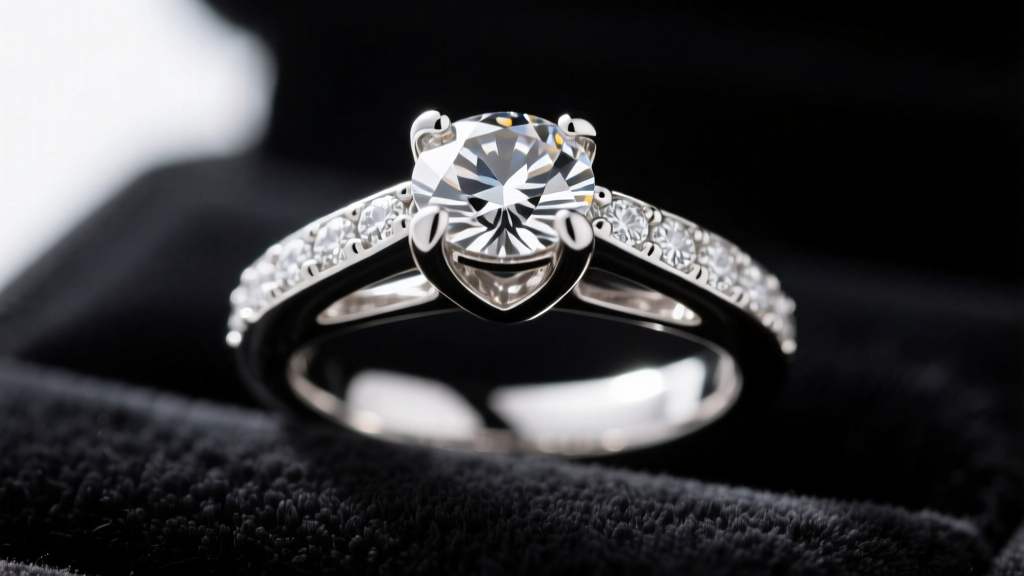
The 2026 Metallurgical Shift: Ruthenium-Platinum & Hardened Gold
The landscape of high-end adornment is undergoing a quiet but profound technical revolution. While mainstream media focuses on celebrity red-carpet loans and auction house records, the most impactful 2026 luxury jewelry news is happening at the metallurgical and gemological workbenches. For collectors, bench jewelers, and investors, understanding these material shifts is no longer optional; it is essential for evaluating craftsmanship, durability, and long-term value retention.
Historically, 950 Platinum (95% pure platinum) was alloyed with 5% iridium. While this 950 Pt/Ir mix offered excellent malleability for hand-forging, it suffered from a relatively low Vickers Hardness (HV) of roughly 80-90 HV. In micro-pavé settings, this softness led to premature prong wear and stone loss. The latest luxury jewelry news from top manufacturing houses highlights a definitive pivot to 950 Pt/Ru (Platinum-Ruthenium). Ruthenium increases the Vickers Hardness to approximately 130 HV, providing a significantly more durable setting for intricate diamond halos and tension mounts.
Overcoming the Porosity Challenge
The transition to Ruthenium was not without manufacturing hurdles. Pt/Ru alloys are notoriously prone to shrinkage porosity during traditional open-air casting due to their higher melting points and rapid oxidation. However, 2026 has seen the widespread adoption of advanced vacuum-casting and induction-melting technologies equipped with argon-gas shielding. This allows luxury houses to cast Pt/Ru with near-zero porosity, resulting in settings that can be polished to a mirror finish without the risk of pitting.
Simultaneously, 18k gold formulations have evolved. Traditional 18k yellow gold sits around 120 HV. Today's premium brands are utilizing trace additions of cobalt, titanium, and proprietary grain-refining fluxes to create Hardened 18k Gold that achieves up to 180 HV. This allows for thinner, lighter, and more architecturally daring shanks that resist warping and scratching, fundamentally altering the structural engineering of statement rings.
Gemological Updates: The Type IIa Lab-Grown Melee Takeover
Perhaps the most disruptive development in recent luxury jewelry news is the high jewelry sector's quiet integration of lab-grown melee diamonds. While center stones in heritage pieces remain overwhelmingly natural, the sub-10-point stones (0.01 ct to 0.07 ct) used in pavé, halos, and hidden gallery accents are undergoing a radical transformation.
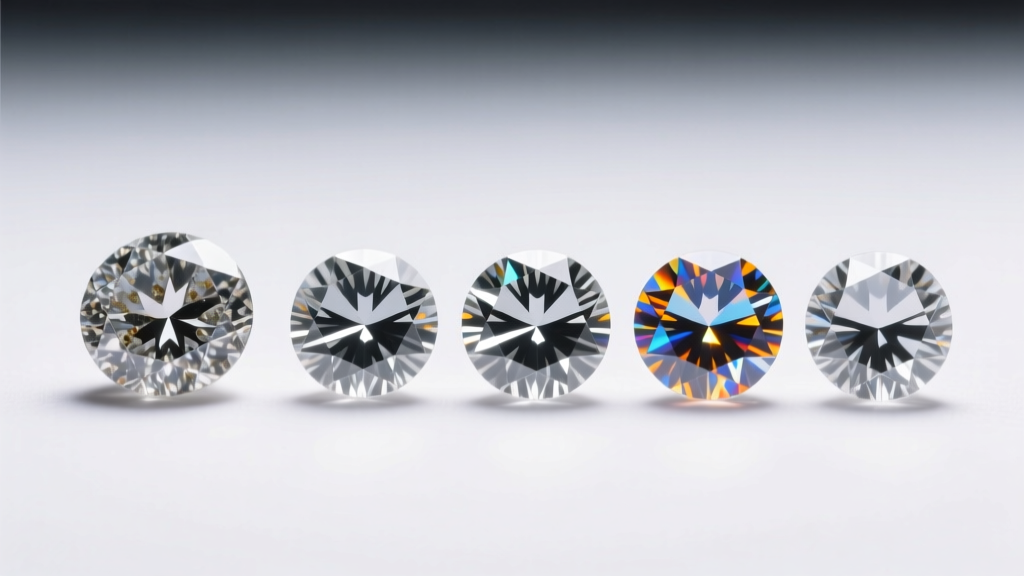
Natural melee is largely a byproduct of the cutting process for larger rough diamonds. Because the rough is small, cutters prioritize carat weight retention over optical symmetry, often resulting in single-cut or poorly proportioned full-cut stones with SI2 to I1 clarity and noticeable fluorescence. In 2026, top-tier maisons are increasingly turning to CVD (Chemical Vapor Deposition) Type IIa lab-grown melee.
Why CVD Over HPHT for Melee?
High Pressure High Temperature (HPHT) lab diamonds frequently exhibit strong blue fluorescence due to residual boron in the growth chamber, which can cause a milky or hazy appearance in UV-rich environments. CVD growth, conversely, produces Type IIa diamonds that are chemically pure, virtually devoid of nitrogen and boron, and completely inert (non-fluorescent). When set in dense micro-pavé, CVD melee guarantees uniform D-F color and optimal light return without the optical interference caused by mixed fluorescence.
| Metric | Natural Earth-Mined Melee | CVD Type IIa Lab-Grown Melee |
|---|---|---|
| Average Color Grade | G - J (Often mixed) | D - F (Uniform) |
| Average Clarity | SI2 - I1 | VS1 - VVS2 |
| Cut Precision | Good to Fair (Weight-retention focus) | Excellent to Ideal (Optical symmetry focus) |
| Fluorescence | Medium to Strong Blue (Variable) | None / Inert (Consistent) |
| Cost per Carat (Wholesale) | $400 - $800 | $80 - $150 |
By utilizing CVD melee for accents, luxury houses can reallocate their massive natural diamond budgets toward securing rarer, larger center stones, while simultaneously offering a product with superior overall scintillation. According to industry analyses published by JCK Online, the optical superiority of lab-grown accents has become a key selling point for technically minded collectors who demand maximum brilliance from every millimeter of their jewelry.
Supply Chain Tech: Sub-Micron Blockchain Traceability
The third major pillar of current luxury jewelry news revolves around provenance and anti-counterfeiting. The era of relying solely on laser-inscribed girdle numbers is ending. In 2026, high-end manufacturers are implementing sub-micron traceability technologies that operate at the intersection of gemology and cybersecurity.
Beyond the Girdle Inscription
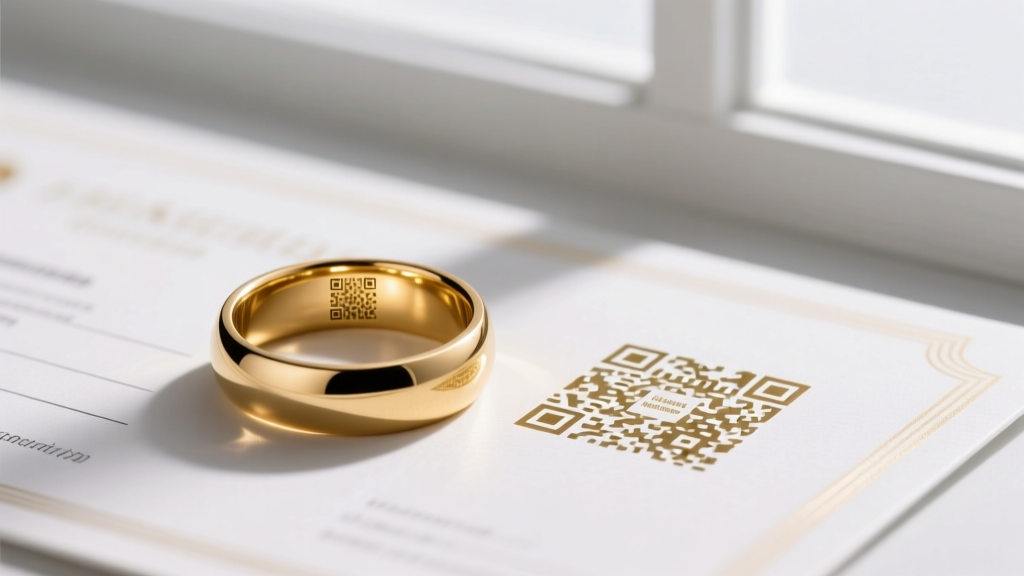
Traditional laser inscriptions on a diamond's girdle are limited to roughly 10-15 microns in depth and can be polished away during a routine re-cut or recut. The new standard involves sub-micron QR etching applied to the inner shank of rings or the culet of large gemstones using femtosecond lasers. These marks are invisible to the naked eye and require a 100x digital microscope to scan, linking the physical piece directly to an immutable blockchain ledger.
Furthermore, rough diamond tracking has seen the introduction of synthetic DNA nanotagging. As reported in recent gemological journals like GIA Gems & Gemology, microscopic botanical DNA markers can be applied to rough stones at the mine site. These markers survive the high-pressure cutting and polishing phases, allowing forensic gemologists to definitively prove a stone's origin, ensuring compliance with international sanctions and ethical sourcing mandates.
Actionable Takeaways for Collectors and Jewelers
Understanding these technical shifts provides a distinct advantage when acquiring, appraising, or repairing high-end jewelry in 2026. Here is how to apply this luxury jewelry news to your practical decision-making:
- Request Alloy Specifications: When commissioning bespoke platinum pieces or purchasing high-wear items like eternity bands, explicitly ask if the setting is 950 Pt/Ru. The increased hardness will drastically reduce the frequency of retipping and stone loss over a decade of daily wear.
- Inspect the Melee: Use a 10x triplet loupe to examine the pavé accents on a prospective purchase. Look for consistent facet alignment and uniform color. If the brand claims to use Type IIa CVD melee, request the corresponding optical symmetry report for the accent stones.
- Verify the Digital Twin: For pieces priced above $10,000, a physical certificate is no longer sufficient. Demand access to the piece's digital twin on the brand's blockchain portal. Ensure the sub-micron etching on the metal matches the cryptographic hash on the ledger.
- Beware of Re-polishing Hardened Gold: If you are a bench jeweler working on 2026 hardened 18k gold, be aware that its higher Vickers hardness requires specialized polishing compounds (like aggressive ceramic oxides) and will wear down standard muslin buffs much faster than traditional 18k alloys.
Conclusion
The narrative surrounding fine jewelry is maturing. It is no longer enough for a piece to simply feature precious metals and rare stones; the engineering behind those materials must meet the rigorous demands of modern wearability and ethical transparency. By paying close attention to the technical nuances in 2026 luxury jewelry news—from the adoption of Ruthenium-platinum and hardened gold to the optical perfection of CVD melee and femtosecond traceability—collectors can make acquisitions that are not only breathtakingly beautiful but structurally and technologically superior.


